REVIEW · SINGAPORE
Singaporean Cooking Class With A Professional Chef
Book on GetYourGuide →Operated by Palate Sensations Culinary School · Bookable on GetYourGuide
Cooking something you can actually eat is the best kind of homework. This 3-hour private class pairs a professional chef’s guidance with a menu built from Singapore favorites, so you cook, dine, and take home what you learned. You’ll get an apron and recipes to keep, which turns the experience into something you can repeat later.
I love how practical the coaching feels, because you’re not just copying steps. You learn what the ingredients are for and how to handle them, and names like Lynette have been praised for clear instruction and thorough explanations. On top of that, the dishes themselves are a great trio: Otak-otak (fish cake in banana leaves), Singapore laksa (spicy curry coconut broth with thick noodles and prawns), and Ondeh Ondeh (pandan rice balls with liquid palm sugar).
One thing to plan for: the standard menu leans into seafood and spice, so if those are hard for you, you’ll want to check what customization can realistically cover before you book.
In This Review
- Key things to know
- Your Private Singapore Cooking Class: From Ingredients to Lunch in 3 Hours
- Starter Time: Otak-Otak and the Banana-Leaf Flavor Trick
- The Main Event: Singapore Laksa With Curry Coconut Broth
- Dessert Hands-On: Ondeh Ondeh and Liquid Palm Sugar
- How the 10AM-to-1PM Timing Works (And Why It’s a Good Pace)
- What You Actually Get: Apron, Recipes, and Lunch Worth Showing Up For
- Price and Value: Is $118 a Good Deal for a Private Chef Class?
- Who This Cooking Class Suits Best (And When to Skip It)
- Should You Book Palate Sensations for a Singapore Cooking Class?
- FAQ
- How long is the Singapore cooking class?
- What time does the class run?
- How much time is spent cooking versus dining?
- What dishes will I make during the class?
- Is the class private?
- Is the instructor able to teach in English?
- Do I get an apron or recipes to take home?
- What should I wear, and what shoes are not allowed?
- Is free cancellation available?
Key things to know
- Private, small-group format: minimum 2 participants, with customization to your preferences.
- A full menu, not a demo: you cook and then eat three dishes.
- Chef guidance in English: ingredient explanations and cooking direction throughout.
- Lunch happens right after cooking: dining in an outdoor dining room.
- Take-home keepsakes: a souvenir apron plus recipes you can follow later.
Your Private Singapore Cooking Class: From Ingredients to Lunch in 3 Hours
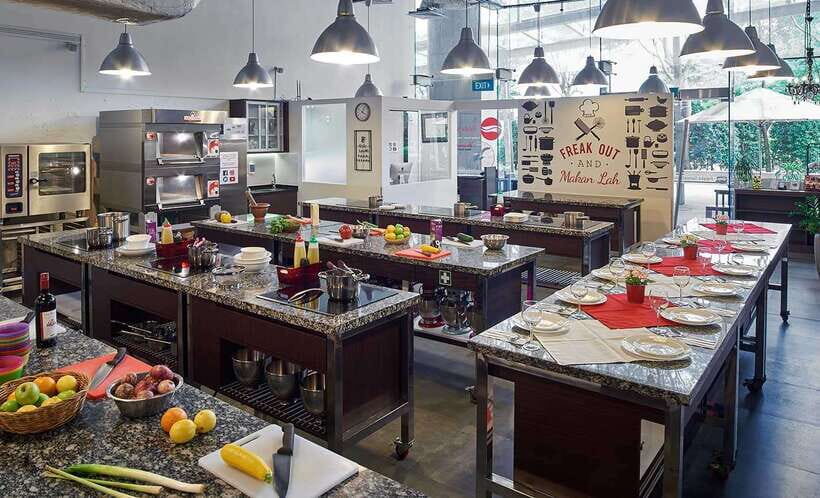
This is a straightforward setup that works well if you want real food knowledge, not just a sightseeing stop. The session runs from 10:00 AM to 1:00 PM, with about 2 hours of cooking and about 1 hour of dining. That timing matters because it keeps you busy at the right pace: enough time to learn and cook, without dragging on into an all-day commitment.
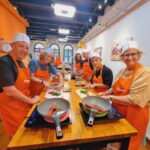
You’ll start with an ingredient-focused introduction from the chef. You should expect tips on choosing fresh produce, plus guidance on what each ingredient does in Singapore dishes. In practice, that’s what helps you move from following steps to understanding flavor. And since the instructor works in English, you can ask questions when something feels unclear.
The private-group angle is the other big deal. With a minimum of 2 participants, you’re not stuck in a giant class where you only catch half the instructions. In previous sessions, instructors like Lynette have stood out for thorough, clear explanations of ingredients and preparation. Other chef names you may see referenced—Loretta and Tina—have also been credited with making the class run smoothly and staying on top of details.
You can also read our reviews of more cooking classes in Singapore
Starter Time: Otak-Otak and the Banana-Leaf Flavor Trick
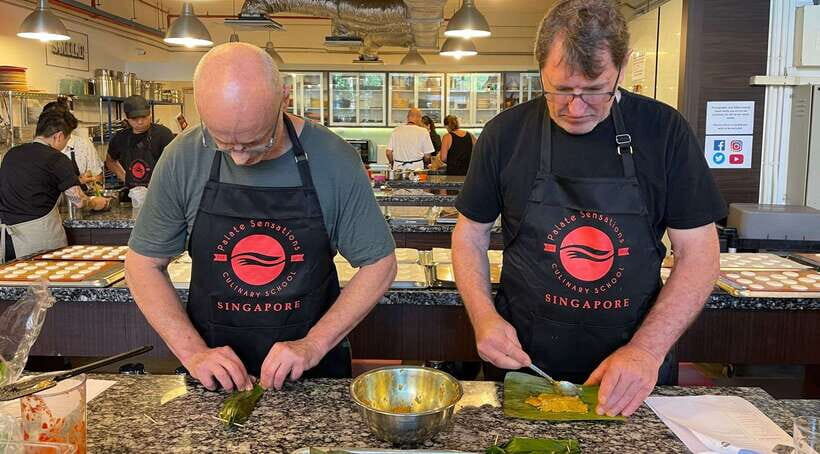
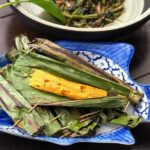
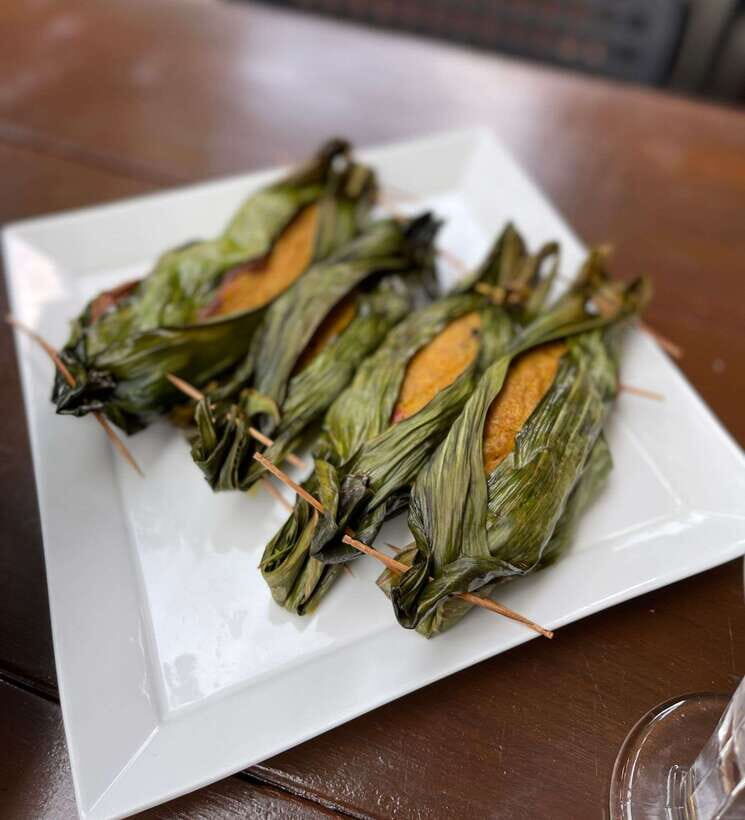
Otak-otak is the kind of dish that sounds exotic until you realize it’s built on very teachable building blocks. In this class, you’ll make it as a grilled fish cake wrapped in banana leaves. The mixture uses ground mackerel fish meat, tapioca starch, and spices, which gives you a texture that’s different from plain fish cakes and a flavor profile that’s classic Singapore.
What’s valuable here is the process. You’re learning how to combine the base ingredients so the fish mixture binds properly, and how spices show up differently once they’re cooked. Banana leaves also aren’t just a fancy wrapper. They add a subtle aroma while cooking, which is part of why otak-otak tastes the way it does.
A practical tip for you: don’t rush the shaping and mixing stage. If the mixture isn’t combined thoroughly, it’s harder to get even results when it hits the heat. And if you’re sensitive to spice, pay attention during seasoning—laksa is the spicier dish, but otak-otak usually has plenty of character too.
The Main Event: Singapore Laksa With Curry Coconut Broth
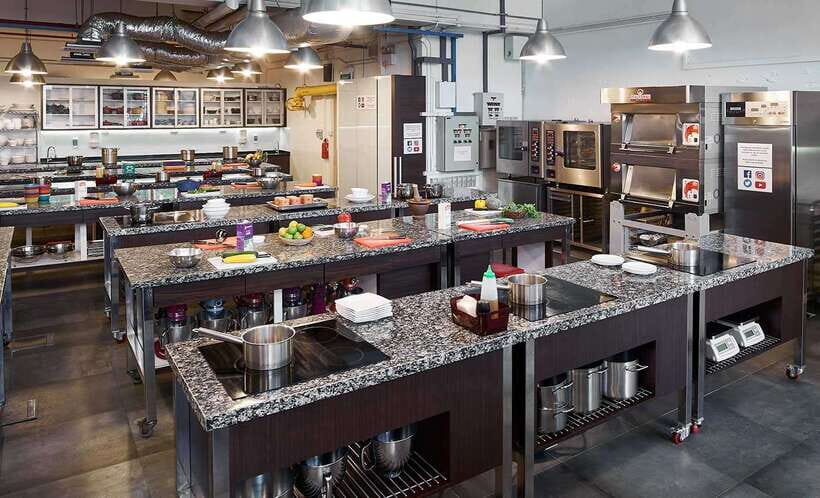
Singapore laksa is the centerpiece for a reason: it’s complex, but it’s also very learnable if you understand the role of each component. In this class, the laksa uses thick rice noodles, prawns, and a soup broth made from curry coconut milk. Translation: you’re working with a balance of spice, creaminess, and depth.
The big learning opportunity here is flavor layering. Curry coconut milk is the engine of laksa. It’s what turns a bowl of noodles into something more satisfying—spicy, aromatic, and rich without being complicated to explain. Even if you’ve never made laksa before, this is the dish that can teach you how Thai/Malay-style curry flavors blend with noodle-soup comfort.
Here’s what to consider as you plan your appetite. Laksa is described as spicy, and it includes prawns. If you’re not a seafood person or you’re cooking for picky spice tolerance, ask about customization options early. The class is described as customizable to your preferences, but the menu you’ll likely make is still built around fish and prawns, so you’ll want to be sure your plan fits your palate.
Dessert Hands-On: Ondeh Ondeh and Liquid Palm Sugar
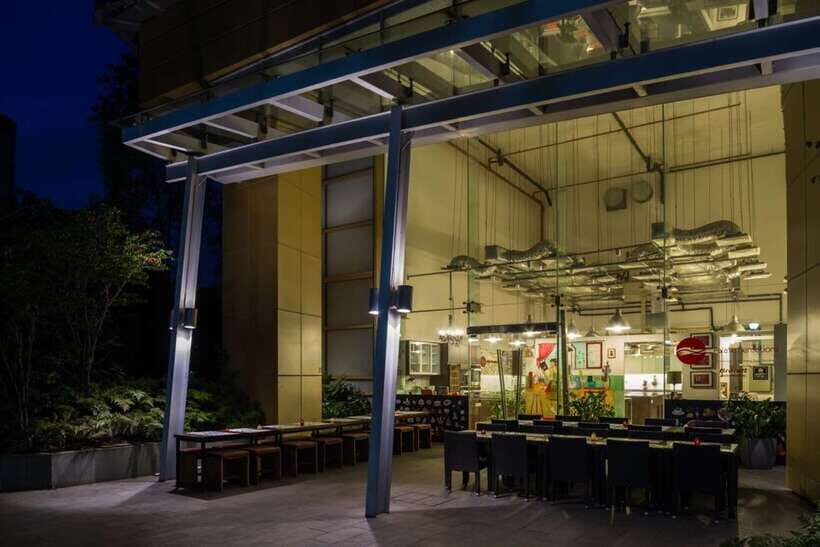
Ondeh Ondeh is fun because it’s both simple and slightly challenging in a satisfying way. You’ll make pandan-flavored rice cake balls filled with liquid palm sugar, then coated in grated coconut. That combination is why it hits different: pandan brings a fragrant green sweetness, the palm sugar center turns molten when cooked, and the coconut finish adds texture.
What I like about this dessert lesson is that it trains you in precision. The filling has to stay intact enough to cook inside the ball, but not so thick that it loses that liquid center effect. And coating matters too. Coconut that’s too dry or too heavy can change the bite, so the coating step isn’t just decoration.
If you’re the kind of person who wants a dessert to impress people later, this one gives you a story and a method. Once you have the technique down, you can make it for friends and watch them realize it’s not a fancy pastry shop product—it’s kitchen work.
How the 10AM-to-1PM Timing Works (And Why It’s a Good Pace)
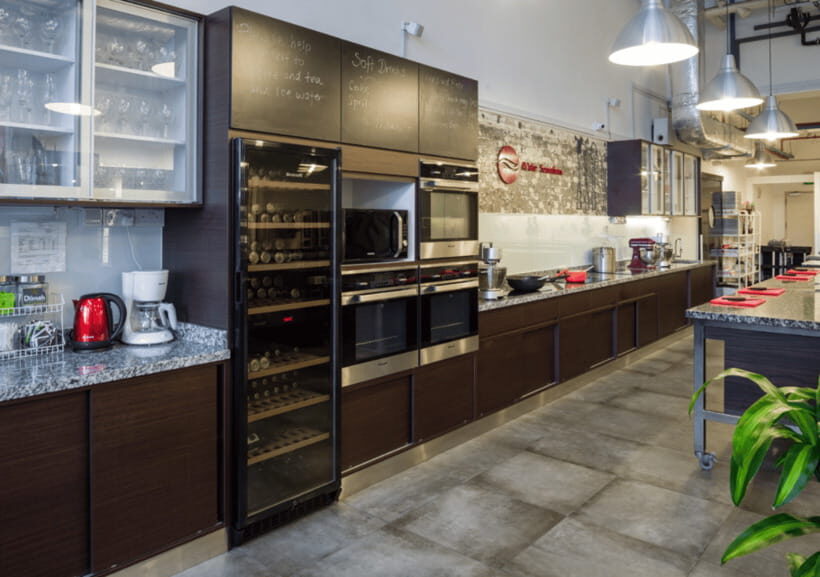
The class schedule is compact: start at 10:00 AM and finish by 1:00 PM. Roughly, you’ll spend about 2 hours cooking and then about 1 hour dining. That’s a sweet spot for a food class in Singapore, because you still have the rest of the day open for more food stops or sightseeing.
Expect the cooking portion to be sequential: you’ll work through the starter, main, and dessert, guided by the chef and structured so you’re not standing around waiting for others. Your final hour is all about eating what you made, at an outdoor dining room. Eating immediately matters because it helps you connect what you did to what you taste. It’s also when you’ll notice what you need to adjust next time, like spice level or texture.
You’ll also get to take your apron and recipes home. That’s not a small throw-in. Recipes you can keep are what make the class useful after the excitement wears off. Without that, a cooking class can turn into a nice memory with nothing to practice.
You can also read our reviews of more tours and experiences in Singapore



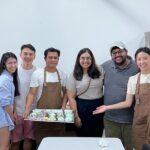
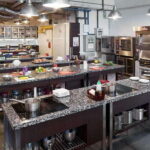
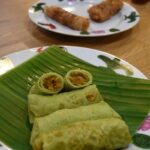
What You Actually Get: Apron, Recipes, and Lunch Worth Showing Up For
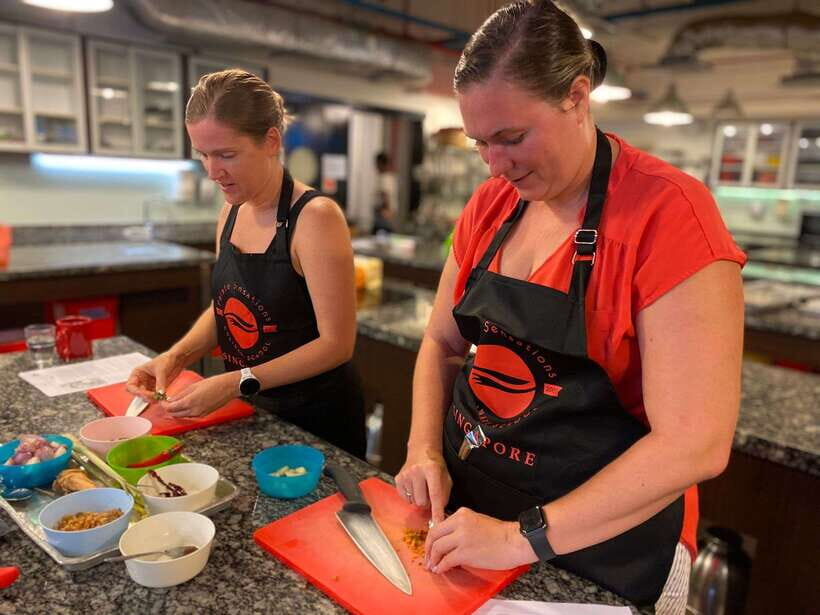
Let’s talk about value in plain terms. At $118 per person for a 3-hour experience, you’re paying for three things at once: chef-led instruction, the materials and cooking time needed to make three dishes, and lunch that’s part of the lesson. You’re not just watching someone else cook. You make the food, then you eat it.
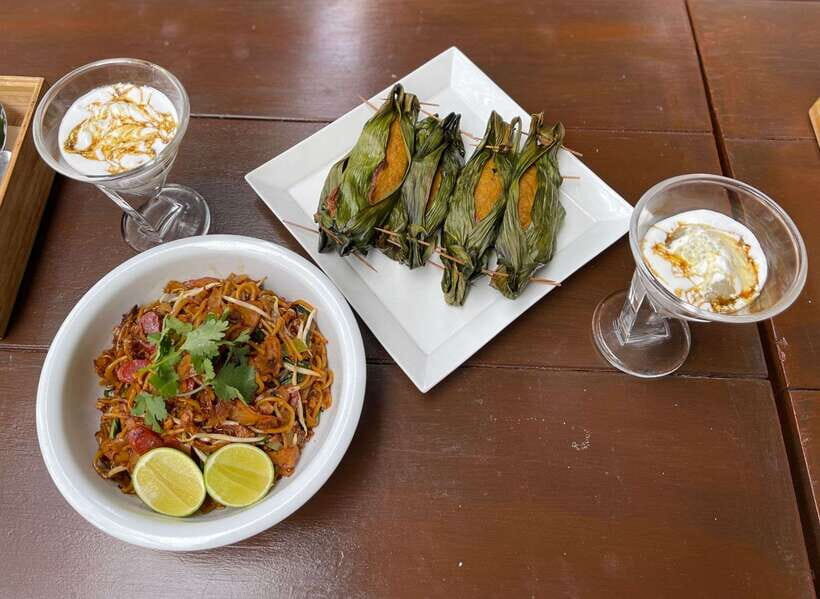
The menu is built to show off Singaporean flavor in a balanced way:
- A savory starter (otak-otak) with banana-leaf aroma
- A spicy, creamy noodle main (laksa) powered by curry coconut milk
- A sweet dessert (ondeh ondeh) with pandan, palm sugar, and coconut
The souvenir apron and recipes to keep are also part of the equation. It turns the cost from a one-time meal into a repeatable skill session. If you’re planning to cook at home anyway, this is exactly the kind of class that pays back over time.
There’s also a quality signal in the feedback score: a 4.1 rating from 5 reviews. While that sample is small, the theme is consistent—people feel the instructions are clear and the chef explains ingredients and their purpose.
Price and Value: Is $118 a Good Deal for a Private Chef Class?
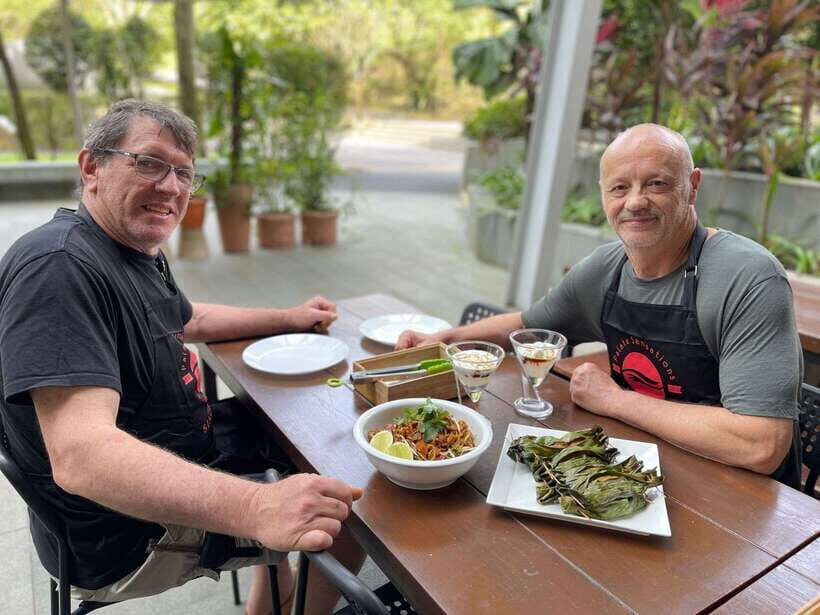
Pricing in Singapore can swing widely depending on the format—street-food tours, high-end restaurants, or hands-on classes. For this one, the value case is pretty clear: private instruction plus three dish cooking and lunch you’ll eat right after.
At $118 per person, you’re effectively buying:
- A chef who guides you in English
- A hands-on cooking block (about 2 hours)
- A dining block (about 1 hour) using what you cooked
- A take-home apron and recipe set
Is it the cheapest food experience in Singapore? Probably not. But cheap is not the same as satisfying. This is a skill-based meal, and the take-home recipes give you more lasting value than a one-off restaurant lunch.
If you’re coming with a friend or two, the private-group setup can feel even better, because you’re not paying extra for silence. You can ask questions, and the pace can suit you.
Who This Cooking Class Suits Best (And When to Skip It)
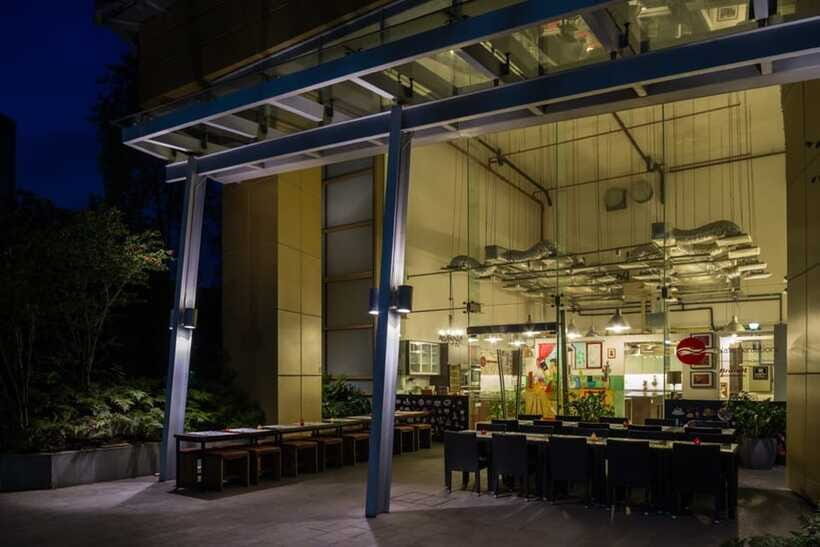
This class is best for you if you enjoy food learning with your hands. You’re likely to get the most from it if you:
- Want to cook Singaporean dishes instead of only eating them
- Like understanding ingredients and why they’re used
- Prefer a smaller, guided setting in English
- Want recipes you can actually follow later
It may be a poor fit if you have any of the limitations listed by the operator. The class is described as wheelchair accessible, but it also says it is not suitable for people with mobility impairments, people who are visually impaired, people with pre-existing medical conditions, and people with recent surgeries. Age limits also apply: not suitable for children under 2 years and people over 80 years. If any of these apply to you, you should treat the operator’s guidance as the final word.
One more match question: how do you feel about spice and seafood? The menu includes mackerel in otak-otak, prawns in laksa, and fish cake flavors in the starter. The class is customizable to preferences, but the core dishes are still seafood-and-spice driven.
Should You Book Palate Sensations for a Singapore Cooking Class?
If you want a food class that leaves you with something real—skills, recipes, and a good lunch—this is an easy yes. The structure (2 hours cooking, 1 hour eating), the clear menu (otak-otak, laksa, ondeh ondeh), and the emphasis on ingredient explanations make it a practical choice.
Book it if you’re:
- Planning to cook at home later
- Traveling with someone who also loves food learning
- Looking for a private setting with English instruction
- Interested in classic Singapore flavors you can replicate
Skip or question it if you’re:
- Avoiding seafood or strong spice
- Concerned about the stated age or health suitability limits
- Looking for a quick snack-only activity rather than hands-on cooking
If your priorities are hands-on learning and take-home recipes, this is one of the most direct ways to understand Singaporean cooking in just 3 hours.
FAQ
How long is the Singapore cooking class?
The class lasts 3 hours total.
What time does the class run?
It starts at 10:00 AM and ends by 1:00 PM.
How much time is spent cooking versus dining?
It includes approximately 2 hours of cooking and 1 hour of dining.
What dishes will I make during the class?
You’ll make three dishes: otak-otak, Singapore laksa, and ondeh ondeh.
Is the class private?
Yes, it is a private group session, with a minimum of 2 participants.
Is the instructor able to teach in English?
Yes, the instructor teaches in English.
Do I get an apron or recipes to take home?
Yes. You receive a souvenir apron and recipes to keep.
What should I wear, and what shoes are not allowed?
Bring comfortable clothes and comfortable shoes. High-heeled shoes are not allowed, bare feet are not allowed, and open-toed shoes are not allowed.
Is free cancellation available?
Yes. You can cancel up to 24 hours in advance for a full refund.