REVIEW · SINGAPORE
Singapore: Guided Boat Tour and Kelong Fish Farm Visit
Book on GetYourGuide →Operated by Let's Go Bike Singapore · Bookable on GetYourGuide
Forget the usual skyline tour. This 3-hour catamaran ride shows Singapore from its saltier side, cruising the North-eastern Banks with mangroves, fishing life, and real sea stories instead of brochure facts. I like that it stays human-sized, with a small group capped at 10, so your guide can actually answer questions.
I also love the way the guide turns boat time into learning time: sea channels and the seaman lingo are explained in plain language, and you’ll hear background on Sembawang beach and the island people who lived closer to the water than to the city. The stop at a kelong-restaurant is also a practical reminder that fishing isn’t just a hobby; it’s a whole working system.
One thing to consider is price math. This tour uses a minimum of 5 pax to depart, so if you’re booking as 1–5 people, the per-person cost increases to make that work.
In This Review
- Key highlights worth your time
- Getting on the water: the simple setup that matters
- The ride itself: catamaran time with real sea context
- Sea channels and seaman lingo: the part you’ll remember later
- Pulau Ubin from the water: the inhabited island that feels off-grid
- Sembawang beach stories: history you can feel in the route
- Wildlife without the stress: what you should watch for
- The kelong-restaurant stop: floating fish farming in real life
- Price and value: does $225 make sense for a 3-hour boat tour?
- When timing feels right: possible sunset on the return
- What to bring and how to set yourself up
- Who this tour fits best
- Should you book the Singapore guided boat tour and kelong fish farm?
- FAQ
- How long is the guided boat tour and kelong fish farm visit?
- What’s included in the tour price?
- Is the tour limited to a small group?
- What language is the tour guide speaking?
- Where do I meet the guide and boat?
- What if it rains?
- Is there a minimum number of people needed to run the tour?
Key highlights worth your time
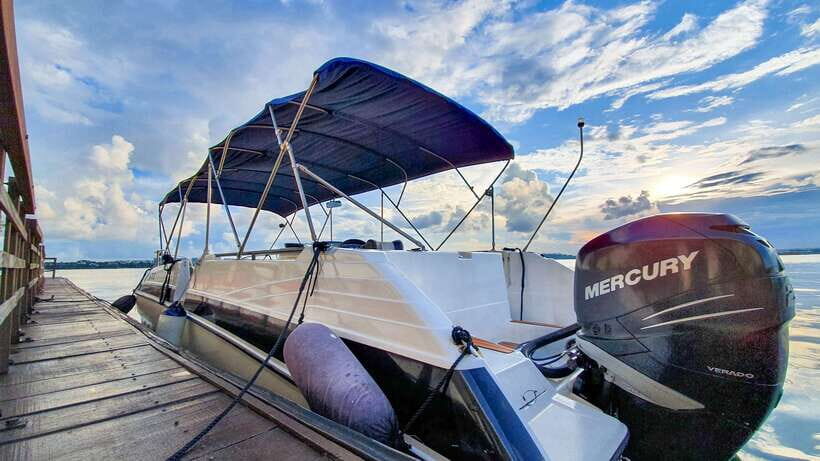
- North-eastern Banks cruising: catamaran ride past mangroves and seafront fishing areas
- Sea channels + seaman lingo: you’ll understand what you’re seeing on the water
- Pulau Ubin from the sea: the only inhabited island of Singapore’s 63 islands, viewed up close
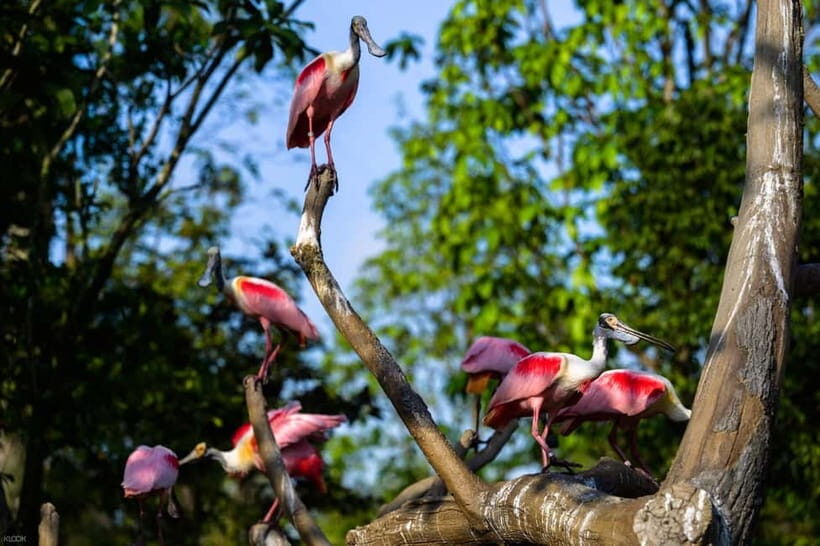
- Wildlife spotting: you might spot seabirds, and even wild boars depending on conditions
- Kelong fish-farm stop: a look at sustainable fish farming and the struggles behind it
Getting on the water: the simple setup that matters
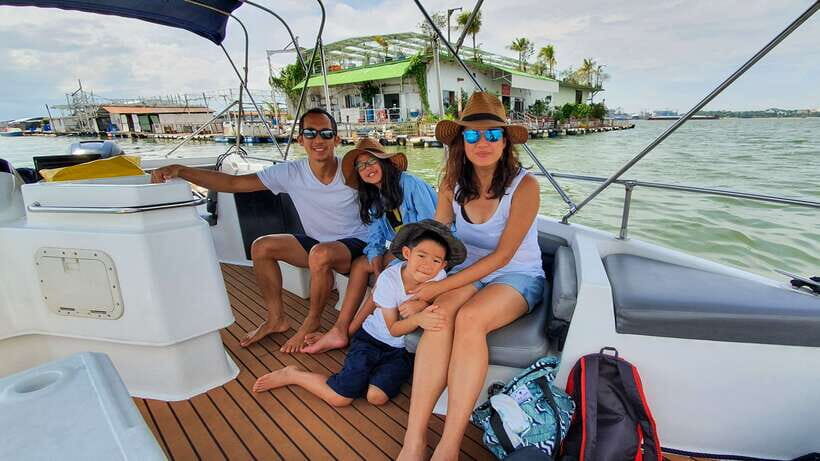
This is a straight-up boat tour with a working purpose: you ride out, learn as you go, then see a floating fish-farm restaurant up close. The tour includes a licensed guide and the boat + captain, so you’re not piecing together multiple vendors or guessing what’s happening offshore.
You’ll also be outdoors for much of it. The operator provides ponchos if it rains, which is a big deal in Singapore when weather changes fast. Light rain is fine and the tour continues; if a thunderstorm hits, you’ll get a rescheduled date.
One practical note: transportation to and from the meeting point is not included. You’ll want to plan how you’ll reach The Quarterdeck, because that’s where the day starts.
You can also read our reviews of more boat tours in Singapore
The ride itself: catamaran time with real sea context
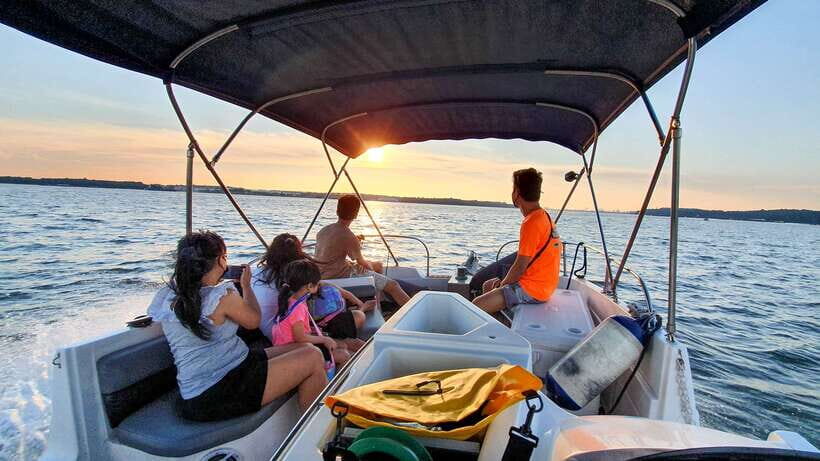
A lot of Singapore “boat experiences” stop at quick sightseeing and photo stops. This one gives you more context. As you move through the North-eastern waters, you’re not just looking at water—you’re learning how fishermen read it, navigate it, and talk about it.
The guide focuses on sea channels and the language sailors use. That matters because it changes your viewpoint. Instead of staring at “some coastline,” you start noticing patterns: where the water feels protected, where movement is faster, and where mangroves signal a different habitat.
You’re also getting a nature-heavy route. The North-eastern islands are known for mangrove swamps and a different rhythm of life than the busy city you left behind. Even if you’re not a “wildlife person,” you’ll feel the shift the minute the sea air replaces street noise.
Sea channels and seaman lingo: the part you’ll remember later
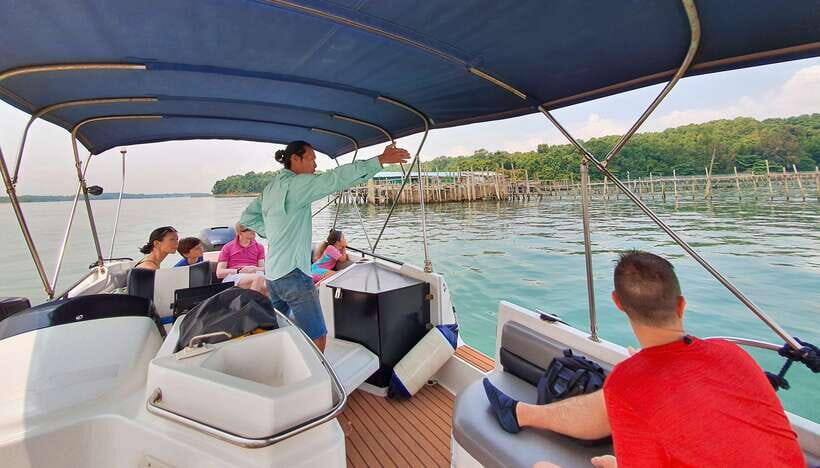
I love tours that teach you something you can reuse. Here, the guide explains sea channels and the seaman lingo in a way that actually sticks, even if you’ve never been on a working fishing route before.
Think of it like learning a mini language for the environment. When the guide points out how sailors describe landmarks and routes, you start “reading” the coastline. You notice what’s navigational versus what’s just scenery.
This also makes the trip feel respectful. You’re not treating fishing zones like a theme park. You’re understanding them as places with logic, safety routines, and local knowledge.
And yes, there’s storytelling too—Sembawang beach history and the background of indigenous island people come into the conversation. That’s how the tour stays more than just scenery. It becomes a snapshot of how people once lived closer to the water than the city planners ever imagined.
Pulau Ubin from the water: the inhabited island that feels off-grid
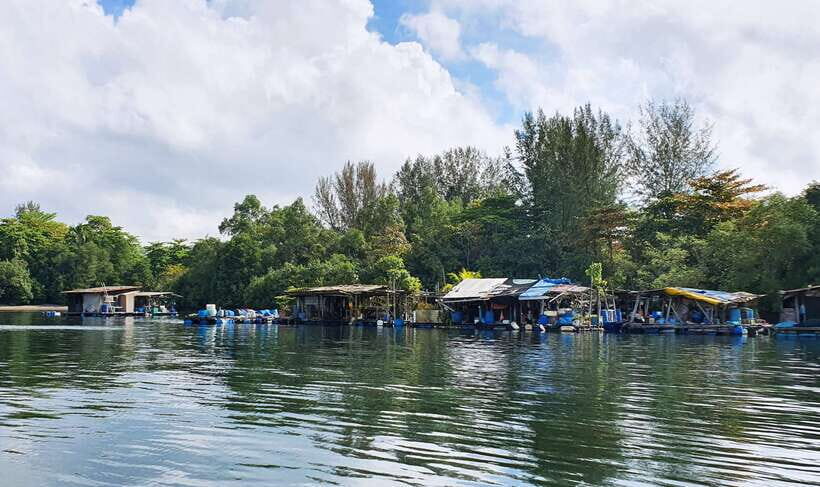
One of the best surprises on this kind of route is how much character Pulau Ubin shows when you approach from sea. You’ll explore it from the water, and that’s a smart way to experience the island because you’re seeing edges—shorelines, channels, and habitat zones—rather than only walking trails.
Pulau Ubin matters because it’s the only inhabited island among Singapore’s 63 islands. That one fact alone changes the vibe. You’re not looking at a closed-off set piece. You’re seeing an island that people still live with, not just visit.
From the catamaran, you also get a different sense of how nature and human activity overlap. Pulau Ubin’s waters connect to mangroves and coastal life, which is exactly where you’ll be paying attention during this tour.
Sembawang beach stories: history you can feel in the route
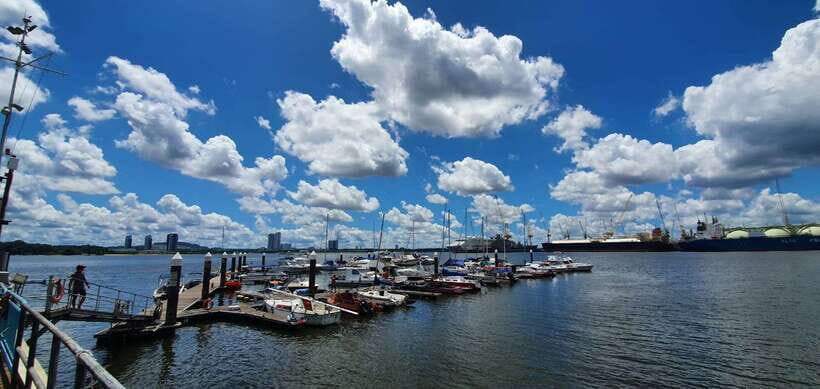
The tour doesn’t treat history like a lecture. It ties stories to what you’re seeing and why it matters.
Sembawang beach comes up with context about the early days of Singapore and the indigenous island people who had a closer relationship to sea resources. Even if you’ve visited Singapore for years, this angle helps you understand the “before the skyline” version of the city.
For me, the value is how the guide links the past to the present water route. You’re not only learning dates—you’re understanding a way of life. And once you get that, the boat ride becomes more than a “different thing to do.” It becomes a viewpoint.
You can also read our reviews of more guided tours in Singapore

Wildlife without the stress: what you should watch for
This tour is a good fit if you want wildlife moments without trekking for hours. The waters and nearby habitats can be busy with life, and your guide points out what to look for.
The information provided includes wildlife spotting like seabirds, and there’s a mention of wild boars as a possibility. You should treat that as a maybe, not a promise, because animals move and weather matters.
Still, the odds tend to be better when you’re out where the habitat is. Since this route includes mangrove swamps and the quieter North-eastern waters, you’re more likely to see signs of animals than you would on a city waterfront.
Practical tip: keep your camera ready, but don’t freeze. If you spot seabirds, watch their flight patterns for a few seconds—often that tells you whether they’re reacting to something in the water or just cruising along the shoreline.
The kelong-restaurant stop: floating fish farming in real life
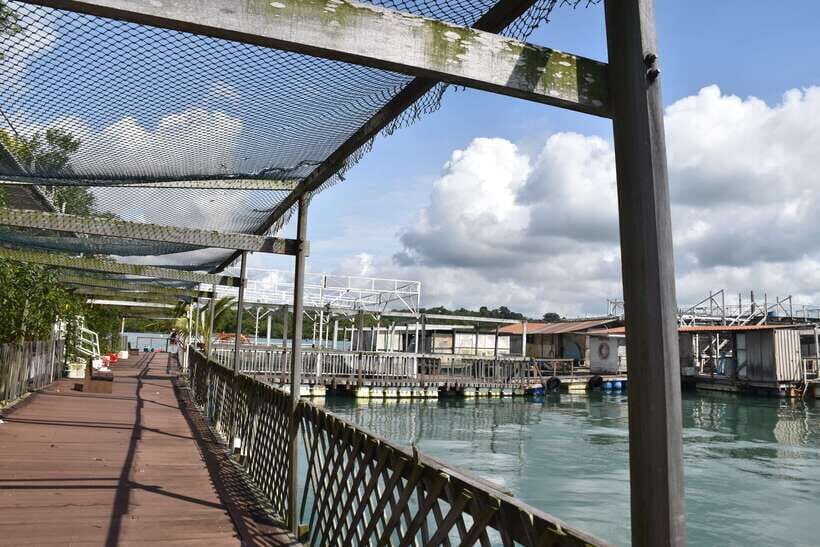
The highlight that most strongly gives this tour its identity is the visit to a kelong-restaurant. This isn’t just a look from the boat. It’s an on-site experience on a floating fish-farm setup.
This is where the tour connects nature to systems. You learn about sustainable fish farming and, importantly, the struggles behind it. That honesty matters. Sustainable doesn’t mean perfect. Fish farming has tradeoffs, and the challenges shape day-to-day decisions.
Why this stop is valuable: it turns abstract environmental talk into a tangible place. You can see how “sea life” isn’t only wild nature. It’s also human-managed food production that depends on water quality, weather, and long-term planning.
You’ll also want to plan for extra spending here. The tour visit is included, but additional drinks and food at the restaurant are not included. Decide ahead of time whether you want a full meal or a lighter snack, so you don’t feel rushed once you’re there.
Price and value: does $225 make sense for a 3-hour boat tour?
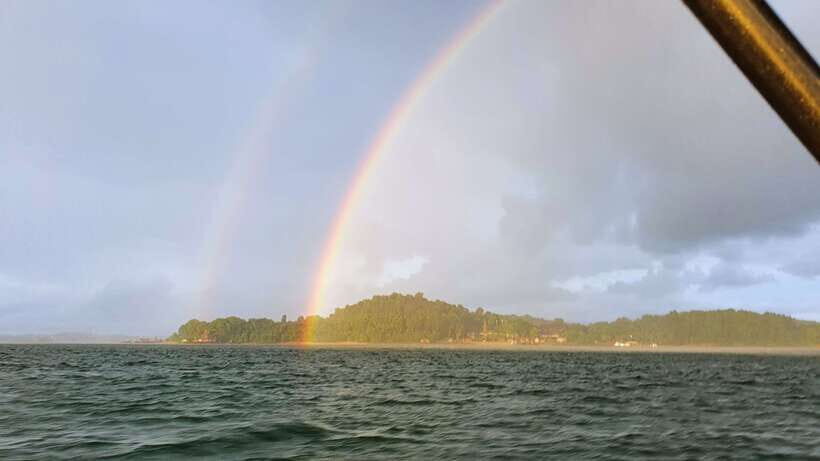
$225 per person is not cheap. But when you break down what’s included, the value story becomes clearer.
You’re paying for:
- a licensed guide
- a boat with captain
- a small group setup (limited to 10)
- the ponchos provided if weather turns
That combination is the real driver of cost. This is not a long bus ride to a viewpoint. You’re buying a short block of time on the water with people who know the route, the sea language, and the habitat around the islands.
Also, there’s a minimum of 5 people required to depart. If you’re booking solo or with a small group (1–5 people), prices increase to cover that minimum. That’s worth thinking about before you commit, especially if you’re traveling in a pair and hoping to split costs.
For the kind of traveler who likes hands-on experiences, this price can feel reasonable because you’re getting both sailing time and a working-farm stop. If you’re only chasing a quick photo moment, there may be cheaper ways to see coastal scenery. But if you want a guide-led understanding of how the sea actually works here, $225 starts to look like the right category of experience.
When timing feels right: possible sunset on the return
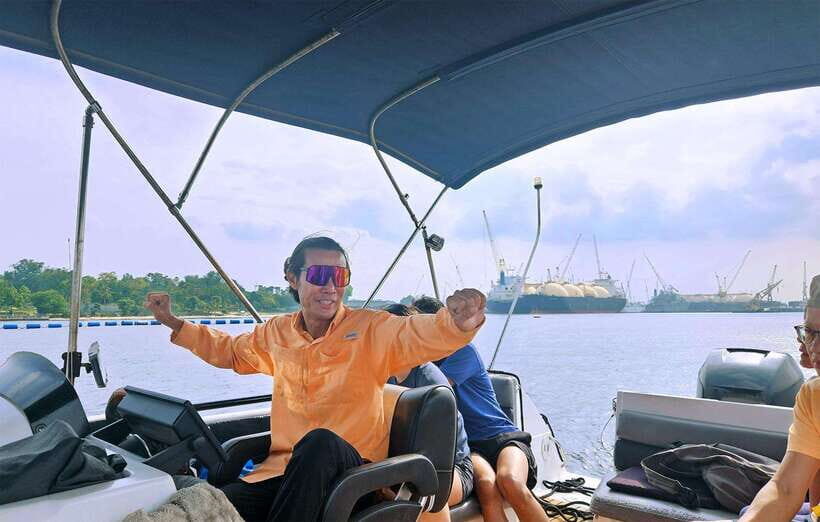
The tour duration is about 3 hours, which is a sweet spot. Long enough to leave the city behind and learn, short enough that you’re not stuck outdoors all day.
If your schedule aligns, you may get a sunset coming back in feel. One of the review highlights is exactly that return glow. Even if you don’t plan around the sun, late-day light can make the sea look more layered and the island shoreline more readable.
So if you can choose a departure time, pick one that gives you a good chance of softer evening light on the way back.
What to bring and how to set yourself up
Since this is mostly time on the water and around wildlife habitat, dress like you’re going boating. Light layers help because sea wind can change how warm you feel.
Bring:
- a light jacket or windbreaker (even in warm months)
- water and sun protection, since you’ll be outdoors
- a camera strap you trust, because you’ll be moving around on the boat
If you’re sensitive to sun glare, sunglasses help more than you’d think, especially when you’re looking at water reflections.
And come with one attitude: curiosity. The guide can only teach what you’re paying attention to, and you’ll get more from the explanations if you ask questions.
Who this tour fits best
This tour is a strong match if you:
- want a Singapore experience that isn’t all malls, gardens, and skyline photos
- like boat days but also want meaning, not just movement
- enjoy learning local maritime language and how navigation is described
- want a nature-and-people story tied together through seafaring life
It’s also a good option if you’ve already done the classic attractions and you want something that feels different without being far from the city.
It may feel less ideal if you:
- hate being outdoors for extended stretches
- are expecting a full-day island hike
- want all-inclusive dining with no extra spending on food/drinks
Should you book the Singapore guided boat tour and kelong fish farm?
I’d book this if you want a guided water experience with substance. The biggest win is the blend: catamaran time, practical learning about sea channels and seaman lingo, then a kelong-restaurant visit that explains sustainable fish farming and its real struggles. It’s the kind of trip that gives you stories you can repeat later, because you understand what you saw.
Hold off if your budget is tight or if you’re only interested in quick views. At $225, this is for travelers who want more than scenery.
If you can join as part of a group of 5 or more, it also removes one of the biggest price frustrations. Either way, with a small group size and a focus on nature plus local maritime life, this is one of the more distinctive ways to spend a few hours in Singapore.
FAQ
How long is the guided boat tour and kelong fish farm visit?
It runs for about 3 hours.
What’s included in the tour price?
The tour includes a licensed guide, the boat and captain, and ponchos if it rains.
Is the tour limited to a small group?
Yes. It’s limited to 10 participants.
What language is the tour guide speaking?
The live tour guide speaks English.
Where do I meet the guide and boat?
Meet at The Quarterdeck. Tell the security guard you are going for the kelong tour and meeting there, and they will guide you to the right place.
What if it rains?
The tour continues in light rain. If there is a thunderstorm, you’ll be given a rescheduled date.
Is there a minimum number of people needed to run the tour?
Yes. The tour requires 5 pax to depart, and pricing is increased for bookings of 1–5 pax to accommodate that minimum.