REVIEW · SINGAPORE
Pau Making Workshop With Dim Sum Tasting and Factory Tour
Book on Viator →Operated by Nury Dian Xin · Bookable on Viator
Pau-making turns dinner-table skills into real art. This 2-hour private workshop in Admiralty lets you pleat your own paus and learn how halal dim sum fits Singapore’s Chinese-and-Malay food mix. I especially love that you get a hands-on session plus a dim sum tasting platter (not just watching), and you also leave with your finished buns in packaging. The main drawback is finding the factory can be a bit tricky at first, so give yourself extra time to locate the building.
You’ll also get a mini factory tour that explains how paus and dim sum are made and why the business leans on accreditation and food-industry compliance. Instructors including Thu and Shi Min help guide the pleating, and that one-to-one coaching style is a big part of why people call the class fun and not intimidating.
One more thing to consider: drinks aren’t included, so if you want water or something else to sip, plan to buy it separately.
In This Review
- Key things I think you’ll like
- Pau pleating and halal dim sum culture in Admiralty
- What happens during the 2-hour private workshop (and why it works)
- Making your own paus: pleating skills you can actually use
- Dim sum tasting platter: siew mai, pau, and lor mai kai
- The mini factory tour: manufacturing, accreditation, and food-waste thinking
- Price and group size: what you’re really paying for
- Getting there at Food Xchange @ Admiralty without losing time
- Vegetarian needs: what to do before the workshop
- Who should book this pau workshop?
- Should you book the Pau Making Workshop with Dim Sum Tasting and Factory Tour?
- FAQ
- How long is the pau making workshop?
- Is the workshop private?
- What’s included in the dim sum tasting?
- Are drinks included?
- Can I take the paus home?
- What if I’m vegetarian?
- Where does the tour start?
- What’s the group size limit?
- Can I cancel and get a full refund?
Key things I think you’ll like
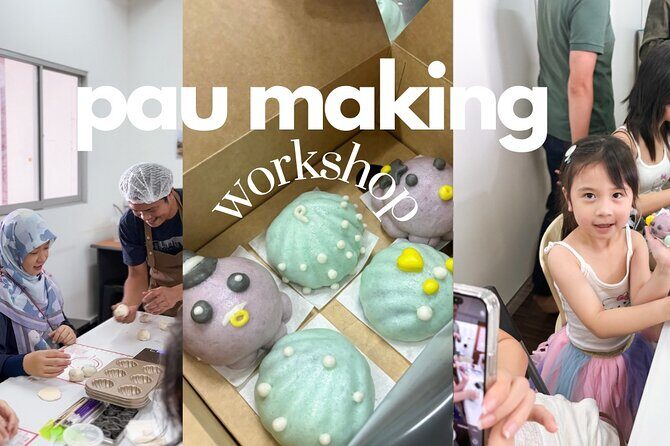
- Hands-on pau pleating with equipment, ingredients, and take-home packaging included
- Snack platter tasting featuring siew mai, pau, and lor mai kai
- Mini factory tour showing the manufacturing process behind premium halal dim sum
- Food waste awareness through partnerships aimed at reducing waste
- A Singapore flavour story: Chinese dim sum shaped for the Muslim community
Pau pleating and halal dim sum culture in Admiralty
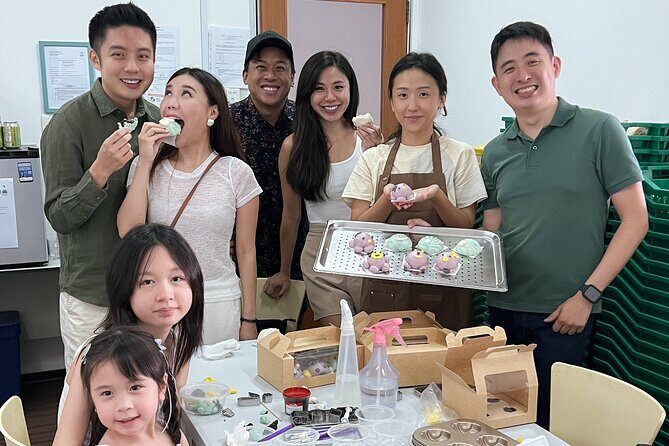
If you like food that has a story, this is a clever way to spend time in Singapore. You’re making paus—those fluffy, comforting buns—inside a halal dim sum factory environment, where Chinese dim sum traditions meet Singapore’s Malay-Muslim influence. It’s not just craft for craft’s sake; the workshop frames what you’re doing as part of a larger food industry in Singapore.
The best value here is that it’s not a lecture. You practice the pleating, you taste real dim sums as part of the session, and you get a short tour of the production space. That combo—do, eat, see—makes the experience feel complete rather than rushed.
Also, because it’s private, you’re not stuck sharing a workstation with a rotating crowd. You and your group do the activity together with the instructors, which usually makes the class feel calmer and more personal.
You can also read our reviews of more food & drink experiences in Singapore
What happens during the 2-hour private workshop (and why it works)
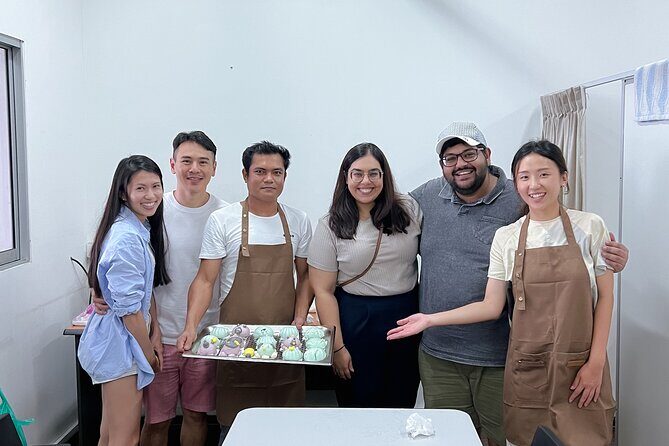
The experience runs about 2 hours. That length matters. It’s long enough for you to learn and finish a set of paus, but short enough that you won’t feel like you’re stuck in the kitchen all day.
The session blends three parts:
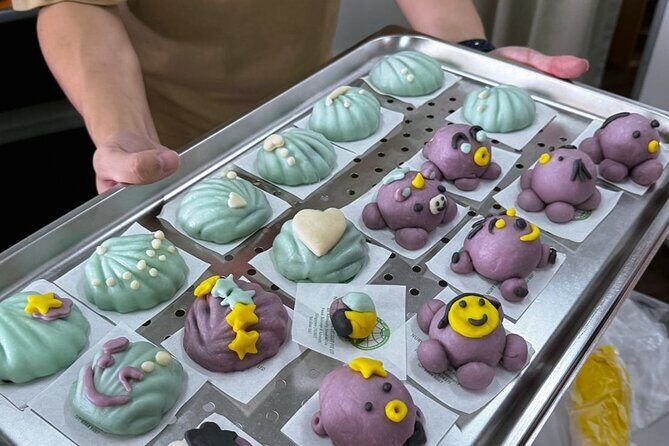
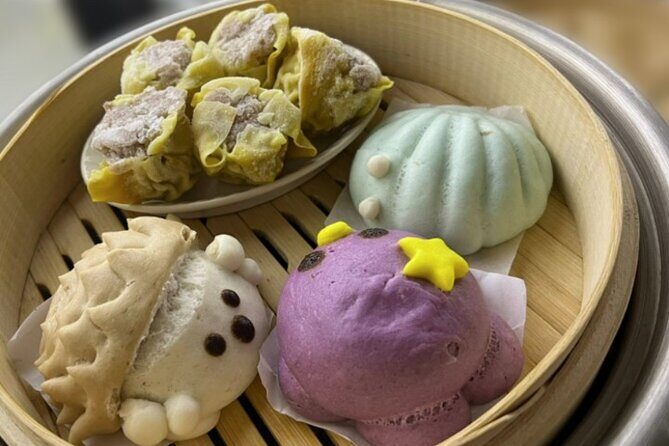
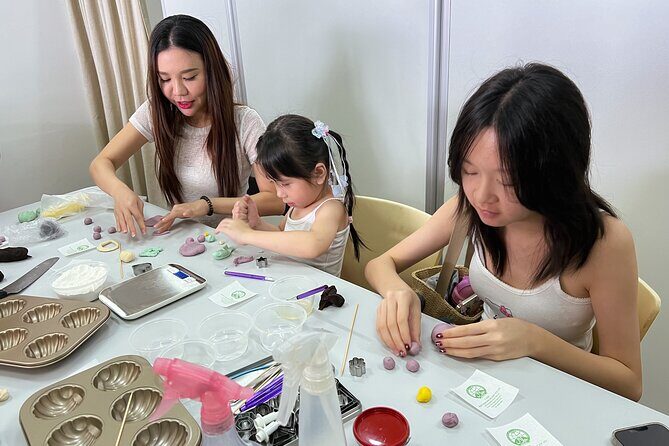
First, you start with the pau-making workshop. You’ll use provided equipment and ingredients, and you’ll learn how to shape and pleat your buns. The goal is creativity—fancy-looking paus that you can bring home.
Second, you get a snacks dim sum platter tasting. You’ll taste siew mai, pau, and lor mai kai. Since the tasting is built into the schedule, it doesn’t turn into an awkward add-on you have to squeeze in later.
Third, you get a mini tour around the premises. It’s not marketed as a full factory walkthrough marathon, but it does cover how paus are manufactured and how the company approaches compliance and industry standards. You also learn about partnerships aimed at combating food waste.
This flow is smart for visitors who want both hands-on fun and context, without turning the day into homework.
Making your own paus: pleating skills you can actually use
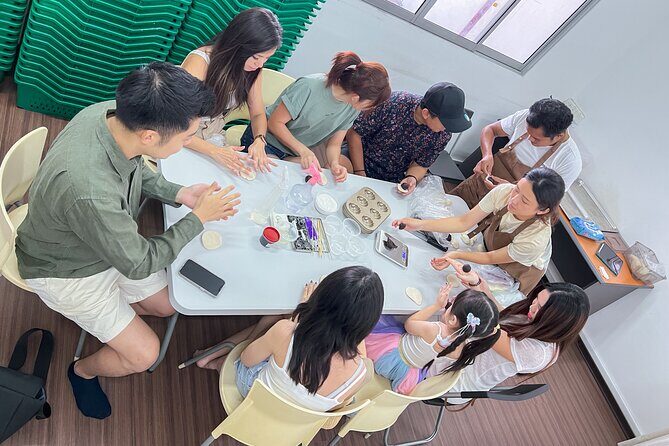
The core activity is pleating. That’s where the workshop earns its keep. Paus look simple in photos, but the dough handling and pleat work take a little technique. That’s exactly why this type of workshop is fun: you get to see how effort changes the outcome.
You’ll have pau ingredients and packaging included, plus baking equipment. The packaging detail may sound minor, but it’s practical. It means you’re not scrambling to find a bag or container after the class—you can take your paus home in the format the workshop provides.
One small tip you should keep in mind: fluffy dough is part of the appeal. If anything, expect that the dough’s texture is something the instructors will guide you through so you can pleat without stressing it too much. The class is designed to teach the skills needed, not just the final look.
And because you’re shaping and designing your own buns, you can treat it like a low-stakes craft project. You’ll learn the technique, then you’ll get to play with the outcome.
Dim sum tasting platter: siew mai, pau, and lor mai kai
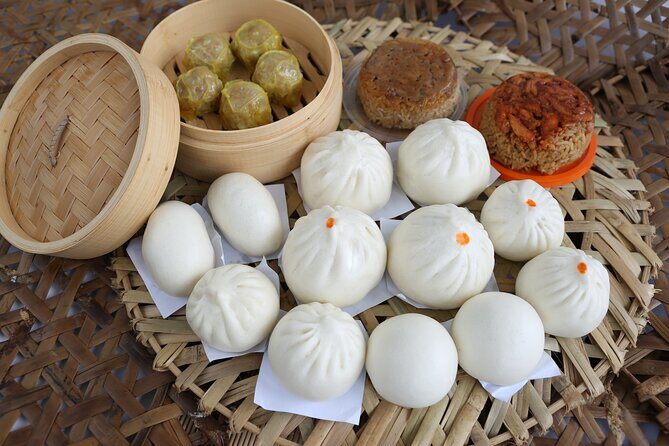
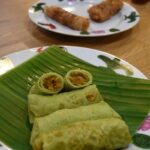
Half the fun is eating while you learn. In this workshop, the tasting platter is included and lists three items: siew mai, pau, and lor mai kai.
You should view the tasting as a map. It helps you understand what the factory focuses on so your pau-making doesn’t feel disconnected from the bigger food production picture. You’re learning inside the same world that produces these items.
Also, the workshop frames the flavour story around Singapore’s food blend. It highlights how Chinese dim sum is adapted for the Muslim community in Singapore. Even if you don’t study food science, you’ll taste the result—how traditions travel, adjust, and still feel familiar.
One practical note: drinks aren’t included. So if you’re someone who likes tea or water with dim sum (most of us are), plan to purchase a drink on-site or bring your own if that’s allowed by the venue rules.
The mini factory tour: manufacturing, accreditation, and food-waste thinking
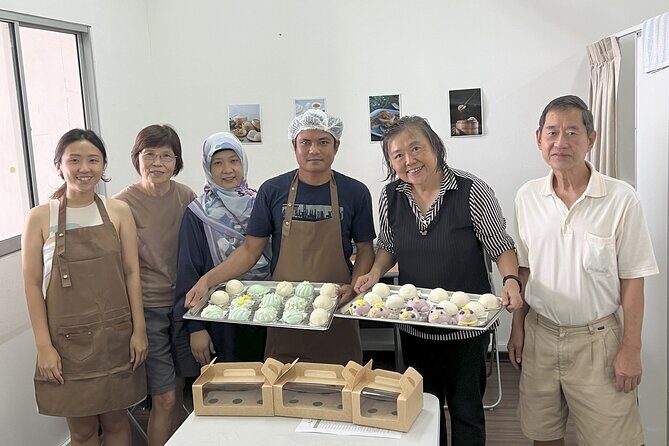
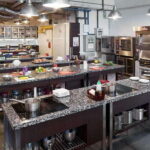
The factory tour is a short add-on, but it adds credibility. You get to understand the manufacturing process behind paus and halal dim sum, rather than treating the workshop as a standalone cooking class.
What I find meaningful is that the tour doesn’t only focus on output. It also mentions compliance with accreditation requirements. In food, that matters because it affects consistency and hygiene standards, not just paperwork. Even a basic tour explanation helps you connect the dots between kitchen craft and industrial process.
There’s also a strong food-waste angle. The workshop talks about partnerships with the community to combat food waste. That idea shows up in how people describe the experience: attending the class isn’t just a fun activity; it’s tied to a broader program around recycling/reducing waste.
If you like seeing how businesses operate—how they handle quality and responsibility—this section turns the workshop into something more than a baking session.
You can also read our reviews of more tours and experiences in Singapore



Price and group size: what you’re really paying for
The price is $644.33 per group (up to 15), with the workshop lasting about 2 hours. The description also says the private workshop runs for groups up to 24 pax. Since those two limits don’t match, the practical move is to confirm the maximum group size for your specific booking.
Why does this matter? Because the value changes a lot depending on whether you’re near 15 people or closer to 24.
- If your group is capped at 15, the cost works out to about $43 per person.
- If it’s closer to 24, it’s about $27 per person.
Either way, you’re paying for more than ingredients. You’re paying for instructor time, equipment use, the tasting platter (three dim sum items), and the factory tour component. That’s why it can feel like a bargain compared with paying separately for a class and a food experience.
Also, because it’s private, you aren’t losing value to waiting or crowding. You get time to make your paus and to ask questions about the manufacturing side.
Getting there at Food Xchange @ Admiralty without losing time
The meeting point is Nury Dian Xin Delight Pte. Ltd., 8A Admiralty St, #07-34 Food Xchange @ Admiralty, Singapore 757437.
Two practical points. First, it’s near public transportation, which helps if you’re using MRT/bus. Second, the location can be a bit hard to find on Google Maps at first. Once you get to the building, there are ample parking options near the lift lobby on the first floor.
So here’s the best strategy: give yourself a little buffer if it’s your first time at that complex. Once you’re inside, the rest should be straightforward.
Vegetarian needs: what to do before the workshop
If you’re vegetarian, plan ahead. The experience notes that you should contact the team at least 24 hours prior so instructors can prepare suitable food items.
That’s important because the included platter is specific (siew mai, pau, lor mai kai). Vegetarian substitutions aren’t stated as automatic, so don’t count on being able to improvise on the day of.
If you’re bringing a vegetarian in your group, message early and keep it simple: confirm vegetarian needs and timing at least 24 hours before.
Who should book this pau workshop?
This is ideal if you fall into any of these categories:
- You want a hands-on Singapore food experience that’s more than sightseeing.
- You’re curious about halal food production and how Chinese dim sum is adapted locally.
- You like structured craft with a clear end result—pleated paus you can take home.
- You want a factory-focused tour that includes quality/compliance and food-waste thinking, not just a behind-the-scenes photo stop.
It also works well for groups because it’s private. If you’re building a group day around food, it’s a reliable anchor: everyone does the same activity, everyone gets tasting, and everyone leaves with something to show.
Should you book the Pau Making Workshop with Dim Sum Tasting and Factory Tour?
Yes—if you want a smart mix of craft, food, and context. The main reasons to book are simple: you get real instruction to pleat paus, you get an included dim sum tasting platter, and you get a mini factory tour that explains manufacturing and compliance while also touching food-waste partnerships.
It’s not the best fit if you want a pure walking tour, because this is activity-based and stays in one place. Also, because drinks aren’t included, it can feel slightly incomplete if you expect tea as part of the experience.
If you’re coming with a group, it’s worth double-checking the group-size cap (the “up to 15” and the “up to 24” phrasing both appear). Once that’s confirmed, the value usually looks solid for what’s included.
FAQ
How long is the pau making workshop?
It runs for about 2 hours.
Is the workshop private?
Yes. It’s a private tour/activity, and only your group participates.
What’s included in the dim sum tasting?
The included snacks platter lists siew mai, pau, and lor mai kai.
Are drinks included?
No. Drinks aren’t included.
Can I take the paus home?
Yes. The workshop includes pau ingredients and packaging, and you make paus to bring home.
What if I’m vegetarian?
Contact the provider at least 24 hours before the workshop so instructors can prepare suitable vegetarian food items.
Where does the tour start?
It starts at Nury Dian Xin Delight Pte. Ltd., 8A Admiralty St, #07-34 Food Xchange @ Admiralty, Singapore 757437.
What’s the group size limit?
The price is listed as per group up to 15, while the workshop description mentions private groups up to 24 pax. Check the maximum group size for your booking.
Can I cancel and get a full refund?
Yes. You can cancel for a full refund if you cancel at least 24 hours before the experience’s start time.