REVIEW · SINGAPORE
Singapore: UNESCO Street Food & Cultural Experience
Book on Viator →Operated by Singapore Foodsters · Bookable on Viator
Skip the map and follow hawker food. This 5.5-hour Singapore tour mixes UNESCO hawker centres with a walk through Chinatown, Kampong Gelam, and Little India, so you get both flavor and context in one go. I especially liked the tight small-group feel and the way the guide brings the neighborhoods to life with stories and real local food choices, often highlighted by guides like Gerry.
My other big win: you’re not just eating, you’re learning how to move around with MRT and buses during the experience, which makes your whole trip easier. The main drawback is simple: it’s not a great fit if you’re vegetarian or have food allergies or strong dietary restrictions.
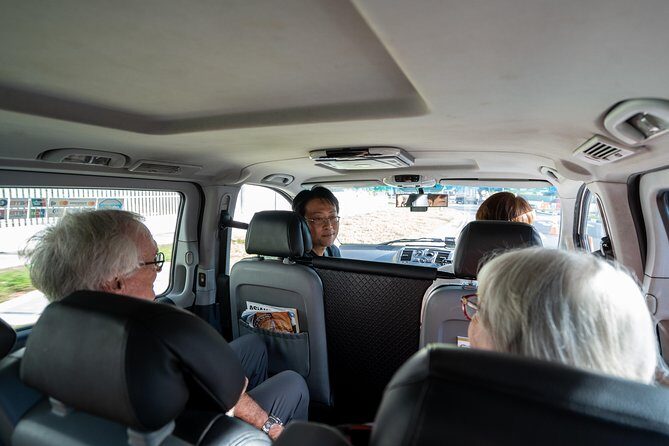
You start at 9:00 am, snack through the morning, and finish back where you started, with hotel pickup/drop-off offered when available.
In This Review
- Key Things I’d Pay Attention To
- Hawker Food, But With a Real Cultural “Why”
- Price and Logistics: Is $161.62 Good Value?
- Your Best Starting Move: Arrive Ready to Eat
- How Small-Group Pacing Keeps the Tour Fun
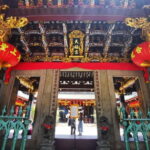
- Chinatown: Where First Impressions Meet Hawker Reality
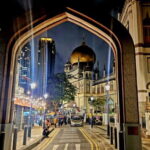
- Kampong Gelam: A Different Cultural Lens Through Food
- Little India and UNESCO Hawker Centres: The Biggest Payoff
- Using MRT and Buses Like a Local (Without Stress)
- What You’ll Drink (and What’s Limited)
- What Suits You Best (and Who Should Skip)
- The Guide Makes the Difference: Gerry and the Best Kind of Storytelling
- Should You Book This Singapore Hawker Tour?
- FAQ
- What time does the tour start?
- What neighbourhoods are included?
- Are hotel transfers included?
- Do you visit UNESCO hawker centres?
- What kind of food and drinks are included?
- Is this tour suitable for vegetarians or people with allergies?
Key Things I’d Pay Attention To
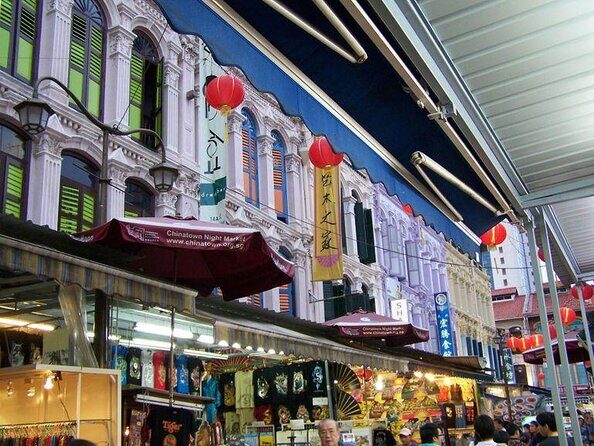
- UNESCO hawker centres in Chinatown and Little India make the food stops meaningful, not random
- Small group size (max 8) keeps the pacing friendly and the guide able to respond to your questions
- MRT and bus guidance helps you feel confident navigating Singapore after the tour
- Beer-only alcohol option keeps the drinking component controlled (and optional)
- Big tastings mean you should plan to eat a lot, not graze
- Not for strict diets: vegetarian and allergy needs can compromise the experience
Hawker Food, But With a Real Cultural “Why”
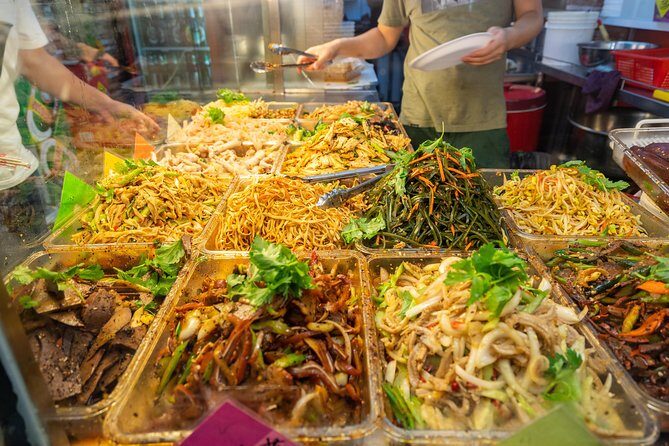
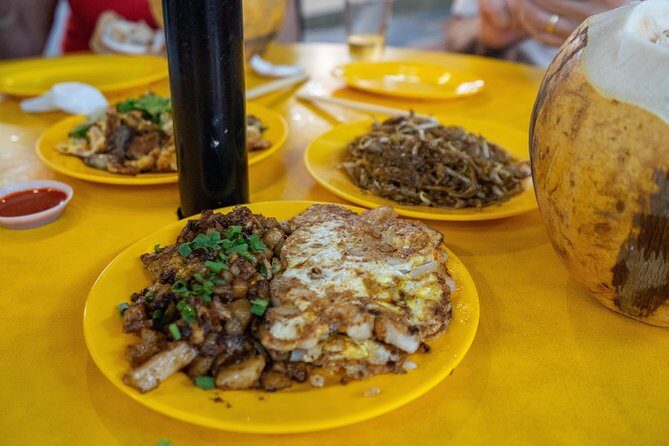
Singapore hawker centres aren’t just places to grab lunch. They’re part of daily life: where different communities share space, trade stories, and keep food traditions going. What I like about this tour is that it treats hawker culture as the main event, not as a quick stop on the way to something else.
You’re sampling foods influenced by Chinese, Malaysian, and Indonesian culinary traditions while walking through three of Singapore’s key ethnic neighbourhoods: Chinatown, Kampong Gelam, and Little India. That combination matters. You start to notice how food, culture, and migration patterns connect, without turning it into a lecture.
Also, the guide format is built for attention. With a group capped at 8 people, you get a more personal pace and more chances to ask questions. In Singapore, that makes a big difference, because the best food is often in places you’d miss if you were just trying to rush from one landmark to the next.
You can also read our reviews of more food & drink experiences in Singapore


Price and Logistics: Is $161.62 Good Value?
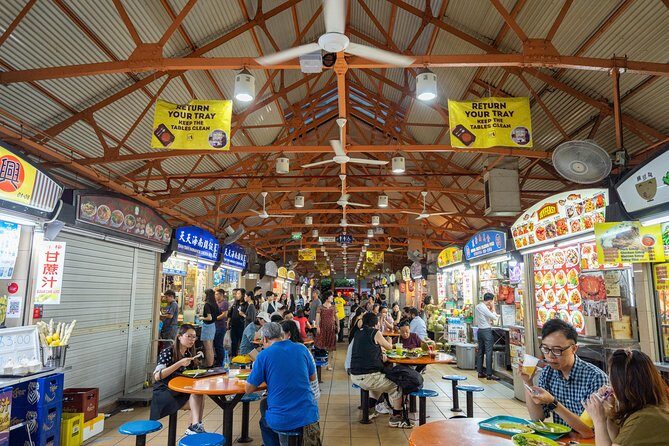
At $161.62 per person for about 5 hours 30 minutes, you’re paying for more than a walking route. You’re getting:
- Guided food tasting across multiple hawker-centre stops
- Bottled water, plus coffee and/or tea, soda/pop, and optional beer
- Hotel pickup and drop-off if your location qualifies
- Help using MRT/subway and public buses during the experience
For me, the value comes down to this: eating in Singapore is easy to do on your own, but picking the right stalls, ordering in a way that covers different styles, and understanding what you’re actually looking at is harder. This tour compresses that into a single morning with a guide who’s telling you what matters as you go.
One practical note: the tour isn’t marketed as an all-day food crawl. It’s a half-day plan, so the tastings are designed to be efficient and filling. If you like to control your own schedule and order single items, you might feel a bit boxed in. If you’d rather have the hard parts handled, the price starts making more sense.
Your Best Starting Move: Arrive Ready to Eat
The tour starts at 9:00 am. That’s early enough to beat crowds and still give you time to enjoy the rest of your day. But it also means you should think about breakfast.
A very common piece of advice that fits this tour perfectly: skip a heavy breakfast. The tastings are described as generous and plentiful, and you’ll want room for multiple bites and drinks. If you eat a full meal before you arrive, you’ll slow down and miss out on some of the variety.
What to bring:
- Comfortable walking shoes (you’ll be moving between neighbourhoods)
- A light layer (some hawker centres and transit segments can feel air-conditioned indoors)
- Curiosity and an open mind. You’re tasting across cultures, so not every bite will match your personal comfort zone, and that’s kind of the point.
How Small-Group Pacing Keeps the Tour Fun
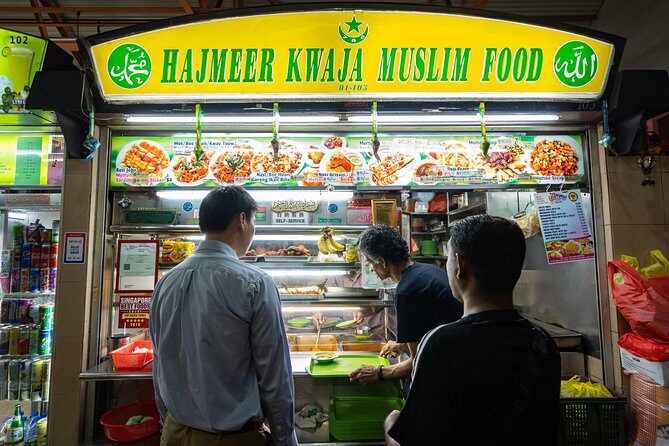
With a maximum of 8 travelers, the flow feels less like a cattle line and more like a shared plan. In a city like Singapore, where hawker centres can be crowded and lines shift fast, being in a small group helps you actually experience the place rather than just waiting.
The schedule also gives you time to breathe. The tour spends around 1 hour 10 minutes at each neighbourhood segment, so you’re not only eating. You’re walking, listening, and absorbing the atmosphere of everyday life.
If you’re the type who hates being rushed, this small-group structure is one of the biggest reasons to book. If you’re the type who wants maximum free time to roam on your own, you may feel the guide’s rhythm a bit guided, but you’ll still get to explore the areas on foot.
Chinatown: Where First Impressions Meet Hawker Reality
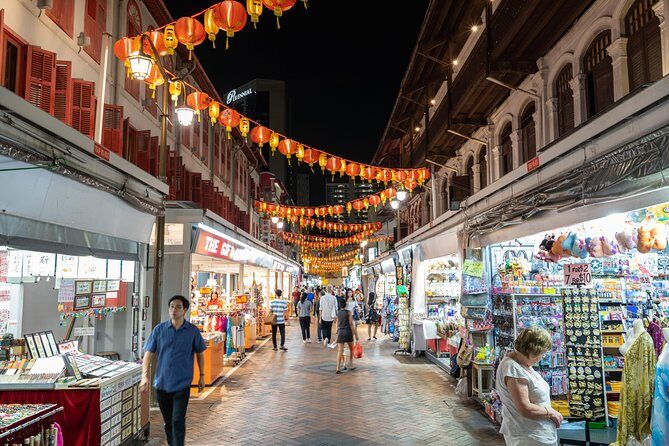
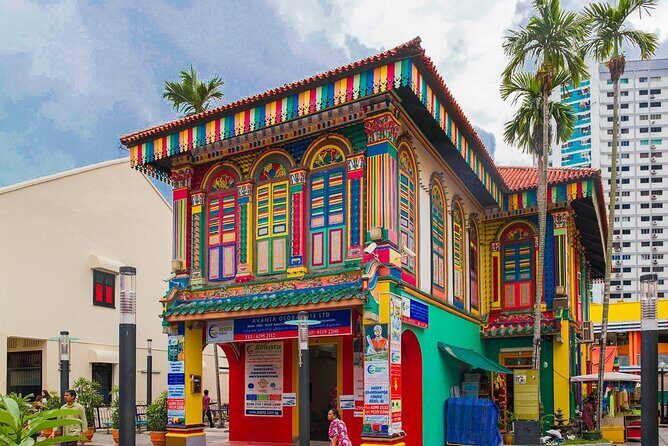
Chinatown is usually the first neighbourhood people learn in Singapore, but the value here is how the tour uses it. You’re not just strolling famous streets. You’re getting a history-and-living-in-the-area feel through a guided walk that focuses on how the neighbourhood evolved and how food fits into that story.
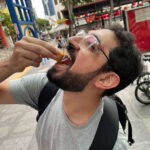
During this segment, you’ll start with a street-food introduction—meaning the first tastings set the tone. You should expect a mix of flavours and textures that point toward the Chinese-influenced food traditions you’ll keep seeing across Singapore.
What I like about starting in Chinatown is that it gives you a baseline. Once you understand what a hawker centre looks like and how ordering works, you’ll get more out of the later stops in Kampong Gelam and Little India. It turns the whole day into a guided pattern you can recognize.
One consideration: Chinatown can be busy. If you hate crowds, you’ll still be better off going early at 9:00 am, but the neighbourhood does have that central-city energy.
You can also read our reviews of more tours and experiences in Singapore


Kampong Gelam: A Different Cultural Lens Through Food
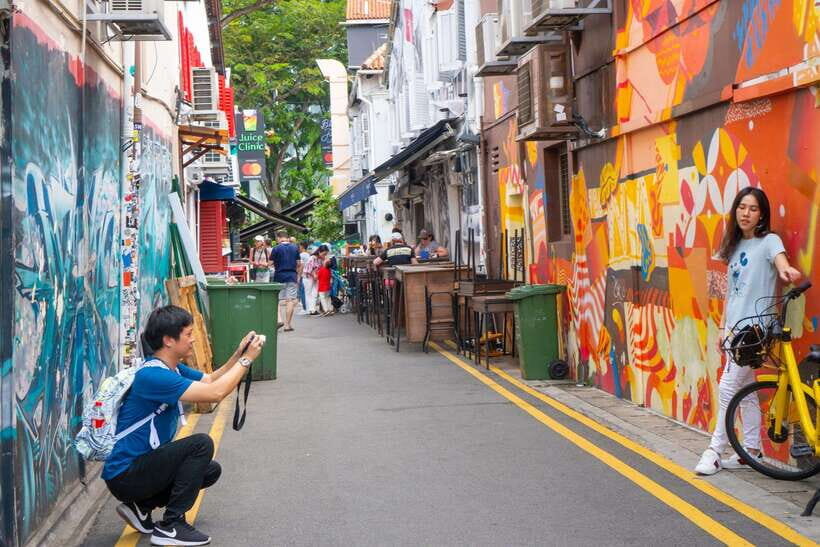
Kampong Gelam is where the day shifts. This neighbourhood helps you see Singapore’s cultural mix with a different set of sights, sounds, and food styles. The tour treats it as a key piece of the overall puzzle linking the three areas: Chinatown, Kampong Gelam, and Little India.
You’ll spend about 1 hour 10 minutes here walking around and learning what shaped the area. The food element continues the theme too: Singapore’s hawker culture is shared by many influences, including the kinds of tastes that connect with Malaysian and Indonesian culinary traditions.
What makes this segment worthwhile is that it doesn’t try to separate food from place. You’re learning while you walk—so when you later sit down at the hawker centre, it feels like a payoff, not a random stop.
Practical tip: wear shoes that handle tight sidewalks and frequent turns. Even at a relaxed walking pace, you’ll likely change directions often as you move through neighbourhood streets.
Little India and UNESCO Hawker Centres: The Biggest Payoff
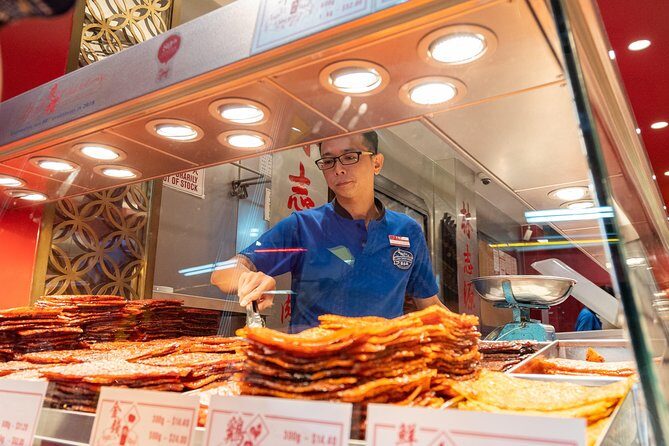
The final neighbourhood segment is the one that often feels like the “wow” moment, largely because you’re in Little India and the tour connects with UNESCO-inscribed hawker centres here.
This is where you can expect the spicier side of Singapore’s street-food identity and a strong sense of everyday eating culture. The tour’s structure also matters: by the time you arrive here, you’ve already seen how hawker centres work and you’ve had a chance to compare food styles across neighbourhoods.
Little India is also a great place to slow down mentally. The guide’s stories help you spot cultural details that you’d miss if you only focused on the food. And because the tastings keep rolling, you’re not just observing—you’re participating.
If you’re someone who loves a food climax (more than a quick sampler), this stop is the one you’ll remember. It’s also the segment where the tour tends to make the biggest impression for people who thought hawker food was just good “for cheap.”
Using MRT and Buses Like a Local (Without Stress)
One underrated value of this tour is how it teaches transit. The experience includes guidance on using the MRT (subway) and/or public buses, so you get the practical skill of getting around Singapore instead of only learning where to eat.
This matters because hawker centres are often clustered in neighbourhoods that are easy to reach once you know the system, but confusing if you’re winging it. The tour helps you connect the dots: which trains or buses to use, and how to think about moving between areas.
A good rule after this kind of tour: don’t immediately lock into one area for the rest of your trip. With transit knowledge in your pocket, you’ll feel more confident branching out.
What You’ll Drink (and What’s Limited)
Food is the headline, but the drinks add balance. You’ll have:
- Coffee and/or tea
- Soda/pop
- Bottled water
Alcohol is also available, but only as beer. That means the tour isn’t turning into a night out. It’s structured as a morning cultural-food experience, with alcohol kept to a simple option.
This is also good to know if you’re the type who prefers to stay completely sober. You can still enjoy every part of the tastings without feeling like you’re missing out.
What Suits You Best (and Who Should Skip)
This tour is best for you if:
- You want a guided intro to Singapore’s hawker culture in a short time
- You enjoy walking neighbourhoods and learning alongside eating
- You want help using public transit during the experience
- You like small groups and a guide who shares context as you go
You should probably skip it if:
- You’re vegetarian (the experience says it won’t work as well)
- You have food allergies or strict dietary restrictions
- You use a personal mobility device (it’s not recommended)
- You’re traveling with a stroller/pram (not recommended)
This isn’t about being picky. It’s simply that hawker tasting menus depend on the stalls chosen, and the tour is designed around that reality.
If you’re not in those categories, it’s an excellent fit for first-timers on a short schedule or anyone who wants a food-first way to understand Singapore’s neighbourhood identity.
The Guide Makes the Difference: Gerry and the Best Kind of Storytelling
The standout theme in the experience is the guide’s approach. Names like Gerry show up again and again, and the reason is consistent: he’s described as fun, attentive, and focused on both food and the story behind it.
What I’d look for in a guide like this (and what the tour seems to deliver) is the ability to connect small details to big ideas. You learn why certain dishes belong to particular communities, how hawker centres fit into daily life, and what changed over time as Singapore developed.
You’ll also get a real sense that the guide plans the tastings so you don’t just eat one thing—you try enough variety to see patterns across cultures. It helps you leave with more than a full stomach. You leave with a mental map for your next meal.
Should You Book This Singapore Hawker Tour?
If you’re choosing between DIY hawker hopping and a guided food-and-culture morning, I’d lean toward booking this tour if you want maximum payoff with minimum guesswork.
Book it if:
- You’re only in Singapore for a short stretch and want Chinatown, Kampong Gelam, and Little India in one tidy plan
- You want UNESCO hawker centre visits with explanations you can use later
- You like the idea of eating a lot without having to plan every order
Skip or look elsewhere if:
- You’re vegetarian, have allergies, or need strict dietary accommodations
- You prefer total freedom over a structured tasting schedule
- Mobility/stroller needs make walking or hawker navigation difficult for you
For most people, especially first-timers, this is one of the smartest ways to understand Singapore through what locals actually do: eat, talk, and move through the city one neighbourhood at a time.
FAQ
What time does the tour start?
The tour starts at 9:00 am and runs for about 5 hours 30 minutes.
What neighbourhoods are included?
You’ll walk through Chinatown, Kampong Gelam, and Little India.
Are hotel transfers included?
Hotel pickup and drop-off are included as an option, but they are subject to your location.
Do you visit UNESCO hawker centres?
Yes. The experience includes street food at UNESCO-inscribed hawker centres in Chinatown and Little India.
What kind of food and drinks are included?
The tour includes food tasting, plus bottled water, coffee and/or tea, and soda/pop. Beer only is the included alcoholic option.
Is this tour suitable for vegetarians or people with allergies?
It’s not recommended for vegetarians, and it’s also not recommended for travelers with food allergies or personal dietary restrictions.