REVIEW · SINGAPORE
Singapore Private Food, Culture and Heritage Tour with 9 tastings
Book on Viator →Operated by Woopa Travels Pte Ltd · Bookable on Viator
Food here comes with stories attached. This private Singapore tour stitches together Chinatown, Little India, and Kampong Glam into one walkable day, with guided stops built around how each community shaped what you eat today. I especially like the practical flow: you’re not just looking at sights, you’re eating your way through them.
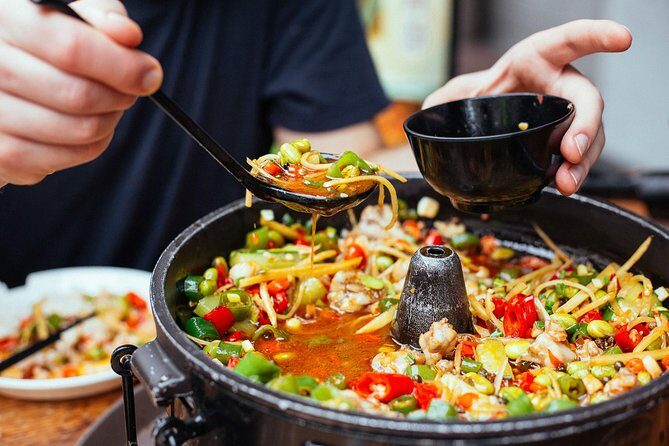
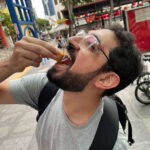
I also like the fact that you get 9 to 10 included tastings and drinks with an English-speaking local guide, so you spend less time guessing what to order and more time understanding why it matters. The main drawback to consider: the food is fixed and the tour notes it isn’t suitable for dietary restrictions, so this isn’t a “tell your guide your cravings” kind of plan. If you want hands-off flexibility, you may feel a little boxed in.
In This Review
- Key highlights you should know before you go
- How this 6-hour food-and-culture route actually works
- Where you meet, how you move, and how the tour ends
- Chinatown: from Kreta Ayer Square to heritage shophouses
- The “street names matter” feeling around Sago Street
- Little India: curry scents, North vs South traditions, and Tekka Centre
- Kampong Glam and Bugis: Malay culture, mosque photos, and streets you’ll recognize later
- The Singapore River ending: Clarke Quay, a cruise ticket, and Marina Bay Sands
- The 9 tastings question: what you’re really paying for
- Guide quality: why names like Ping, Reyney, Andrew, Walter, and Pam stand out
- What to wear and pack for a rain-or-shine walk
- Should you book this Singapore Private Food, Culture and Heritage Tour?
Key highlights you should know before you go
- 9 to 10 included tastings spanning multiple ethnic food traditions, plus drinks
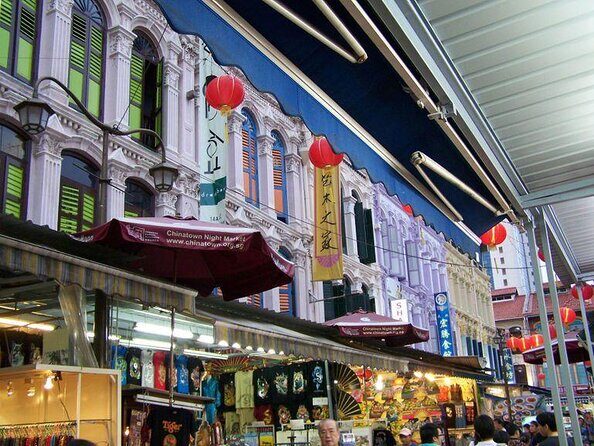
- Chinatown hawker and wet-market area time, not just photo stops
- Temple and heritage stops like Buddha Tooth Relic Temple and Chinatown Heritage Centre
- Little India and Kampong Glam contrasts through streets, shops, and cultural landmarks
- Singapore River finish, plus an included River Cruise admission ticket (6hr only)
- Outdoor walking in real weather (rain or shine), with comfort footwear needed
How this 6-hour food-and-culture route actually works
This tour is designed like a guided neighborhood loop. You start in the Chinatown area, then your route climbs through the city’s older immigrant quarters—where food is tied to religion, trade, and daily life—and ends on the water near Singapore River, with a final stop at Marina Bay Sands.
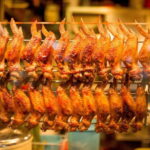
The best part is the pacing. You’re walking, yes, but the route breaks up the day with short stops for context—what the streets are named for, what the buildings used to be, and how food traditions formed. Then you hit the next neighborhood, where the flavors shift fast: more noodle and roast-meat classics around Chinatown, more curry-and-bread territory in Little India, then Malay food culture around Kampong Glam.
You’re also not stuck with a single “hawker centre crawl” approach. The tour mixes hawker-style eating with cultural stops, so you’re learning while you’re moving. One thing to keep in mind: while the name includes food, the tour can spend a meaningful chunk on culture and history. For people who want only food, that may feel like the guide time goes more toward explanations than constant eating.
You can also read our reviews of more food & drink experiences in Singapore
Where you meet, how you move, and how the tour ends
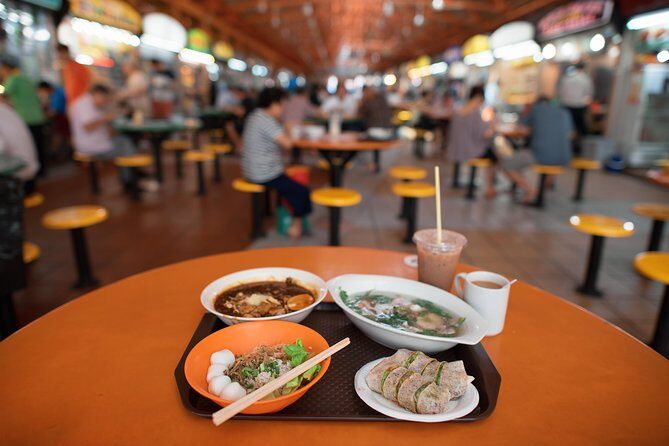
The meeting point is at Chinatown MRT Exit A151 on New Bridge Rd. You’ll also have the option of hotel pickup if that choice is selected, though the tour does not include hotel drop-off. You end at a different location—Marina Bay Sands is listed as the finish point—so plan your return plans accordingly.
Transportation is included via public transport (MRT and bus). That’s a real advantage if you don’t want to negotiate taxis or map apps all afternoon. It also tends to keep the route efficient: you spend time walking the interesting parts rather than getting stuck in long transfers.
Because it’s described as a private activity, only your group participates. That’s good if you want a more personal guide experience. It can also matter for portions and pacing, since the food is described as fixed. If you’re a duo, you may still find that tastings are portioned to share depending on the dish.
The tour is about 6 hours (approx.). With Singapore heat and humidity, six hours can feel longer. I’d treat this as a full afternoon commitment, not a quick snack walk.
Chinatown: from Kreta Ayer Square to heritage shophouses
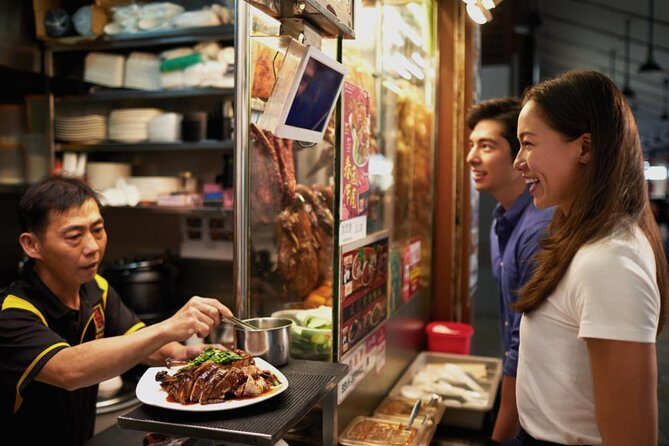
Your day starts with a stop at Kreta Ayer Square, which frames the story of Singapore’s racial mix—how different communities share space, and how that shows up in architecture and everyday life. This matters because it sets up how you’ll read the rest of the tour: food isn’t random here; it’s part of how communities organized themselves.
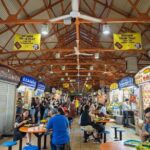
Then the route moves deeper into Chinatown. You’ll spend time around areas connected to Chinatown hawker and wet-market culture, plus a visit near the Chinatown Street Market. The tour’s structure is smart: you don’t just walk past food corridors—you get a local lens on what you’re seeing, and that helps you understand what makes hawker staples different from restaurant dishes.
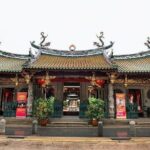
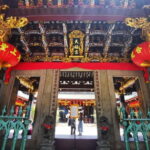
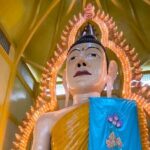
A few stops are aimed at meaning and photo moments. Sago Street, described with a story tied to early immigrants, is a good example. You also get a photo opportunity at Buddha Tooth Relic Temple and Museum, plus a stop at Chinatown Heritage Centre where you can peek into the kind of older shophouse living that shaped neighborhood life.
One practical downside here: Chinatown can mean crowds and lots of movement. Even with short segments, you’ll be on your feet. If you’re sensitive to heat, take advantage of water breaks when your guide gives them.
The “street names matter” feeling around Sago Street
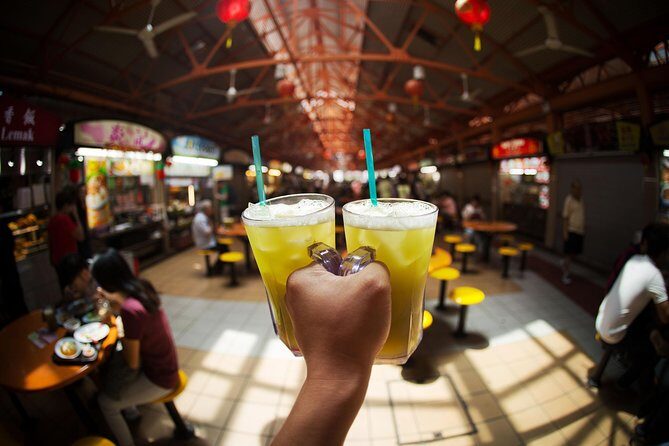
Sago Street is one of those places where the guide’s narration can turn a simple street into something you remember. The tour frames it as a link to early immigration stories. That’s useful because it helps you notice details that you might otherwise ignore: the way certain businesses cluster, the way certain foods show up repeatedly, and why some streets became go-to zones for daily buying and eating.
This is also where you get a taste of how the tour balances food and place. You’re not only eating; you’re learning why the streets got their patterns. If you like your food explanations with context—history, migration, community—this part is likely to click.
If you’re strictly here for a nonstop snack parade, you may need to keep expectations calibrated. Some people love the mix; others want a higher bite-per-minute ratio.
Little India: curry scents, North vs South traditions, and Tekka Centre
After Chinatown, the flavors tilt sharply toward Indian food culture. In Little India, you’ll be introduced to the neighborhood atmosphere—curries, garlands, and a very visible identity—plus a discussion of the difference between North and South Indian traditions and cuisine.
That framework is helpful because Indian food in Singapore isn’t one single thing. Even within the broader Indian umbrella, you’ll notice different textures, spice styles, and noodle vs rice patterns, depending on what’s being served and how it’s adapted for Singapore tastes.
The tour includes stops connected to well-known food corridors: Tekka Centre is called out as a key place for local “must-try” foods. You’ll also pass through areas near Little India Arcade and Campbell Lane, which are useful for seeing the mix of shopping and eating that makes Little India feel like a working neighborhood rather than a museum district.
A good tip for this stretch: pace yourself. Little India can hit hard with aroma and spice. If you’re trying multiple tastings close together, you may want to slow down right before your biggest flavored dish so you don’t feel overwhelmed.
You can also read our reviews of more tours and experiences in Singapore
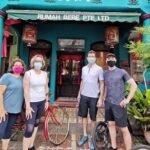
Kampong Glam and Bugis: Malay culture, mosque photos, and streets you’ll recognize later
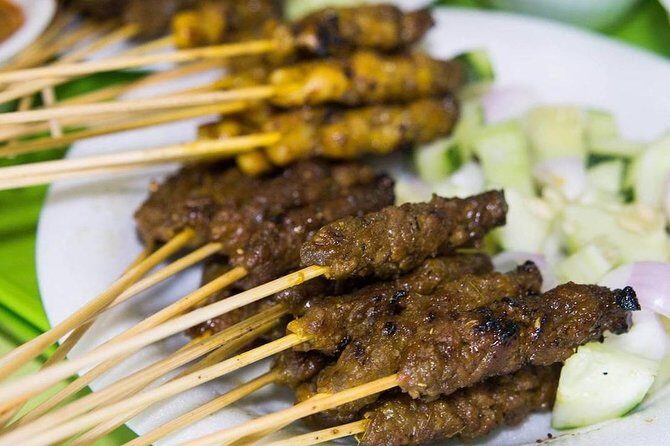
Next comes Kampong Glam, the neighborhood known for Malay culture and also the more modern, trendier side of Singapore that people associate with artisan cafés and “photo lane” energy. The tour presents it as more than one vibe. You’re seeing both the cultural core and the newer cosmopolitan layers that grew around it.
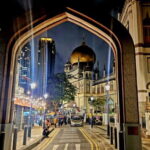
You’ll also have a photo stop at Sultan Mosque, and you’ll pass through Arab Street. The route also includes mention of Bugis, described as a place for shopping, food, cocktails, and even quick services like massages. That’s a reminder that Singapore doesn’t separate culture from commerce very neatly—the city blends them.
Two more points worth noting:
- Photo opportunities are built into this section, so have your phone charged and keep an eye on meeting points.
- This is another outdoor-walking segment, and Kampong Glam areas can be lively and shaded in uneven ways. Bring water and take breaks before you’re thirsty.
If you want shopping, this part can feel like a win. If you don’t, you may prefer to treat any shop stops as passing moments, and focus on the food tastings and guide stories.
The Singapore River ending: Clarke Quay, a cruise ticket, and Marina Bay Sands
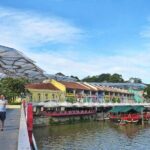
As the tour winds down, you’ll head to Clarke Quay, a riverside entertainment and dining district along the Singapore River. The tour then includes time at the Singapore River itself, where the guide’s context helps you understand why this waterway mattered for trade and city development.
Here’s the added value: your package includes admission ticket to River Cruise (6hr only). That matters because it gives you a “different angle” on the city right at the end. Walking shows you details at street level; the river cruise gives you a view that connects the districts you’ve just walked through.
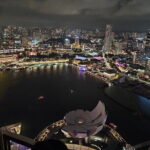
The tour finishes at Marina Bay Sands. Even if you’re not planning to go inside anything big, the ending location is iconic for a reason. It’s a clean visual marker that your day has reached the modern core of Singapore.
The 9 tastings question: what you’re really paying for
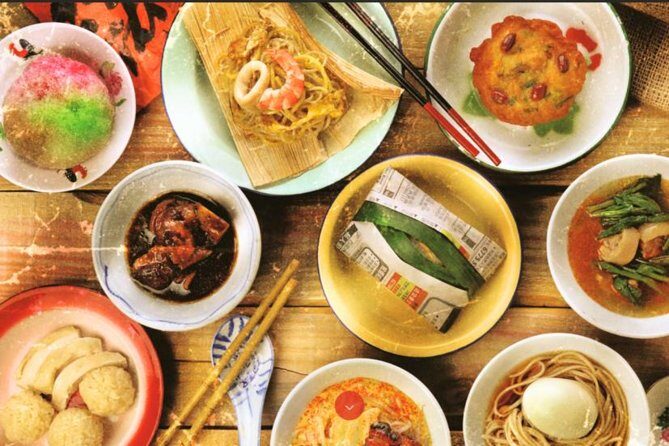
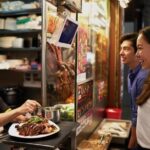
At $185.75 per person, this isn’t a budget food walk. You’re paying for a guide-led route, multiple tastings and drinks (about 9 to 10 included), public transport, plus admission for the river cruise. You’re also paying for the “I’ll handle the order, you handle the hunger” part—especially helpful if Singapore is your first time in the city.
So is it good value? It depends on what you want.
If you like:
- learning while you eat,
- trying a range across different communities,
- and not spending time researching where to go,
…then the included tastings plus transport and cruise can feel worth it because you’re buying convenience and structure.
If you’re expecting a heavy-feeding food tour where everything is meat-forward and you leave stuffed with leftovers in your pocket, adjust your expectations. Some feedback highlights that the tour may feel more history-forward than pure food, and that tastings can be portioned in a way that leads people to share dishes or drinks.
One more pricing reality: because the food is fixed and the tour doesn’t customize, you can’t fully target your personal must-eats. The tour data even states it isn’t suitable for dietary restrictions. Some guides have been reported to adjust selections based on specific needs, but you shouldn’t assume you’ll get full flexibility.
If your goal is strict control over what you eat and drink, you may find better value with a more flexible local guide arrangement. If your goal is a guided city loop with a set plan, this tour can be a solid way to cover a lot in one afternoon.
Guide quality: why names like Ping, Reyney, Andrew, Walter, and Pam stand out
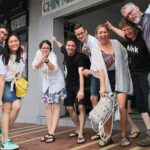
Because this is a private tour, your experience heavily depends on the guide you get. In past experiences tied to this tour, guide names like Ping, Reyney, Andrew, Walter, and Pam show up with consistent praise for explaining Singapore beyond the food.
What those guide reports have in common:
- They connect dishes to community stories, not just ingredients.
- They manage timing so you don’t wait forever between courses.
- They’re willing to have real conversations about food, neighborhoods, and how Singapore works.
Still, there’s one trade-off worth acknowledging. A few people felt the experience included too much pushing of shops or extra stops where purchases became a focus. If that matters to you, I’d treat it like this: ask early that you’re here for food and cultural stops, and you’d appreciate keeping shopping suggestions short.
What to wear and pack for a rain-or-shine walk
This tour operates rain or shine, so pack for the weather you might not predict. Singapore can switch from dry to soaked fast, and the tour guidance asks you to bring a poncho/umbrella and water. That’s not a nice-to-have. It’s how you stay comfortable enough to enjoy the tastings.
Wear comfortable footwear with grip. You’ll walk moderate distances outdoors, and you’ll do it in humid conditions. If you’re prone to blisters, consider adding a bit of preventative care.
Also note: the tour isn’t suitable for people who need walking assistance. If mobility is limited, this might not be the right format.
Should you book this Singapore Private Food, Culture and Heritage Tour?
Book it if:
- you want one guided afternoon that covers three major cultural districts,
- you’d rather follow a plan than research hawkers and transit all day,
- and you enjoy food when it’s connected to stories, street names, temples, and mosques—not just a menu.
Skip it (or at least compare alternatives) if:
- your top goal is maximum food volume with lots of customization,
- you need dietary flexibility beyond what the tour states,
- or you strongly dislike any shop-heavy detours.
My practical rule: if you can live with a fixed set of tastings and you like guided context, this tour can be a great first-time Singapore move. If you want total control over what you eat and drink, use this as a baseline and consider a more customizable guide route. Either way, go in hungry, wear your walking shoes, and plan for Singapore’s weather.