REVIEW · SINGAPORE
Singapore: Chinese, Indian & Arabic Quarters, Culture & Food Tour
Book on Viator →Operated by Livin' Da Local · Bookable on Viator
A great meal map starts here. This small-group Singapore tour strings together Chinatown, Little India, and Kampong Glam with hands-on food stops in UNESCO-listed hawker centres, plus a visit to the Sultan Mosque area, all guided by Gerry Tan, a fourth-generation Singapore-Chinese-Peranakan storyteller. It’s culture plus calories, with the kind of context that makes the streets feel personal fast.
I really like that the food is practical local street food, not just a parade of tourist snacks, and you’re guided through it with clear explanations of what you’re eating and why it matters. I also like that you get both coffee/tea and alcoholic and non-alcoholic beverages along the way, so you can pace your day without hunting for drinks between neighborhoods.
One consideration: it’s not a good fit if you need gluten-free options or if you’re vegetarian or have dietary restrictions, because the experience is built around local choices. Also, expect a moderate walking level in warm weather.
In This Review
- Key things to know before you go
- Why This Quarters Tour Works So Well for First-Time Singapore
- Chinatown First: Hawker Classics and the Logic of the Neighborhood
- What to watch for at the Chinatown stop
- Little India by Foot: Markets, Incense, Color, and Flavor Theory
- Quick practical tip for Little India
- Kampong Glam and Sultan Mosque: Malay Quarter Stories on the Streets
- A note on the walking rhythm
- Food and Drinks: Why the Hawker-Centre Choice Matters
- Timing, Heat, and Getting the Most Out of the 5.5 Hours
- Who should think twice
- Price Value at $148: What You’re Paying For
- Who This Tour Is For (and Who Might Be Happier Elsewhere)
- Should You Book This Singapore Quarters Food Tour?
- FAQ
- Is pickup offered for this tour?
- How long is the Singapore Chinese, Indian & Arabic Quarters tour?
- How many people are in the group?
- What’s included with the tour food and drinks?
- Where does the tour start and end?
- Is it good for vegetarians or people with dietary restrictions?
- Is it suitable for gluten intolerance?
- Is the tour walking-heavy?
- What’s the cancellation policy if plans change?
Key things to know before you go
- Small group size (max 8) keeps the pace friendly and the Q&A actually works
- UNESCO hawker centres are the source for the street-food tastings
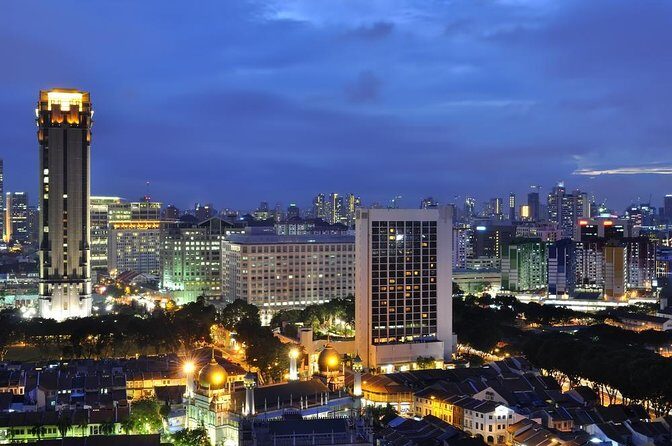
- Sultan Mosque area in Kampong Glam gives you the big cultural “wow” moment
- Alcoholic and non-alcoholic drinks included, plus coffee/tea and bottled water
- Morning start and lots of food means you’ll want to arrive ready to eat, not already full
Why This Quarters Tour Works So Well for First-Time Singapore
Singapore can feel efficient but also oddly hard to navigate. This tour helps you by turning three major neighborhoods into a simple plan you can follow, with one guide doing the heavy lifting: route, food selection, and the stories that connect the places.
The best part is that the neighborhoods aren’t treated like separate theme parks. Chinatown, Little India, and Kampong Glam are shown as connected parts of Singapore’s modern identity, shaped by migration and trade over time. When you understand that, the sights make more sense. You’re not just looking at buildings and street signs; you’re seeing why this city ended up the way it did.
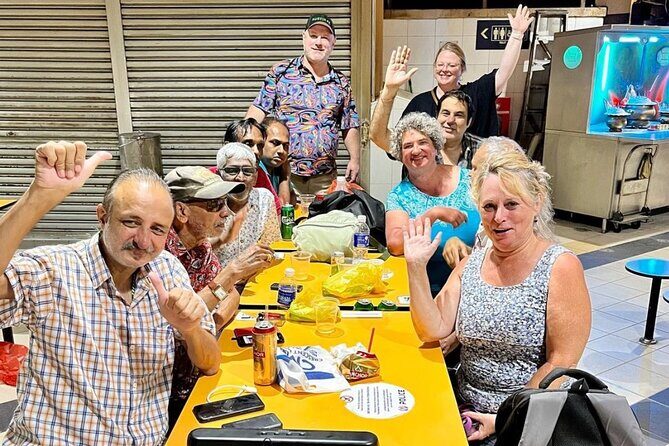
And because it’s small-group, you get a more natural rhythm. You’re not sprinting from dish to dish in a crowd. You can ask why a vendor prepares something a certain way, or what a shop selling temple items has to do with the community around it.
Finally, the drinks and beverages matter more than they sound. When the day includes both coffee/tea and alcoholic and non-alcoholic options, you can match your pace. You’re less likely to get wiped out by heat, hangry boredom, or the usual “where do we go next” scramble.
You can also read our reviews of more food & drink experiences in Singapore


Chinatown First: Hawker Classics and the Logic of the Neighborhood
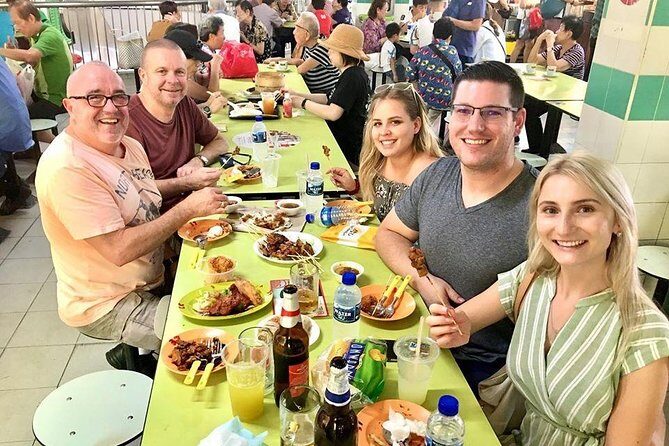
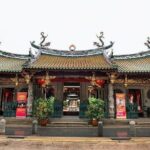
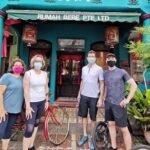
You start in Chinatown with a focused look at the area’s streets and history. This is a good opening stop because Chinatown teaches you the tour’s pattern: walk a bit, learn a bit, then eat something that fits the place.
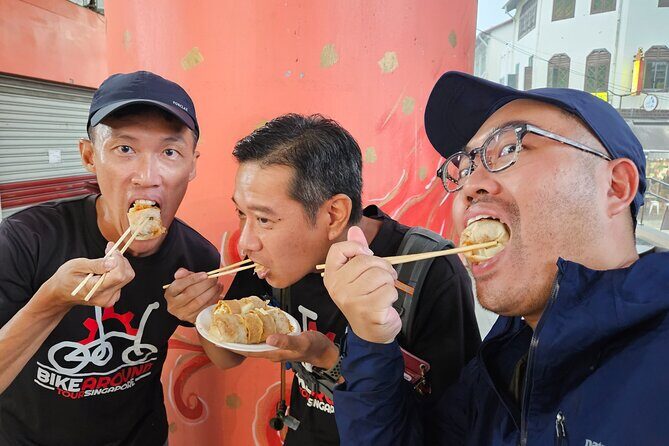
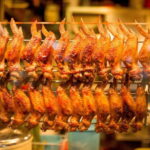
The food side is built around UNESCO-listed hawker centres. That matters because hawker food is more than “street food.” It’s a system: families, vendors, traditions, and a constant flow of regulars. Instead of eating random items, you’re sampling dishes that show how different influences shaped Chinese Singaporean food over time.
You’ll also get story context while you wander. The goal isn’t a textbook lecture. It’s the kind of context that explains why certain dishes are common, what people order when they want comfort food, and how the neighborhood evolved as waves of people arrived.
If you’re the type who likes food AND explanation, this is where the tour earns its keep. The guide’s background as a fourth-generation Singapore-Chinese-Peranakan gives the stories a lived-in tone. One person’s grandparents’ memories connect to the food you’re holding in your hand.
What to watch for at the Chinatown stop
- Go in ready to eat. This is not a light snack start.
- Expect heat while walking, especially around late morning.
- If you’re avoiding gluten, you should consider skipping. The tour is not recommended for gluten intolerance, and food choices are part of the experience.
Little India by Foot: Markets, Incense, Color, and Flavor Theory
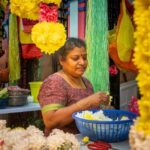
Next is Little India, and this stop feels more like walking through a working neighborhood than a shopping corridor. You’ll see the sights tied to everyday life: street stalls, fresh produce, flower garland markets, traditional clothing shops, and incense sellers.
The food here tends to lean spicier and more fragrant, and the guide helps you understand what you’re tasting rather than just naming dishes. That’s the advantage of doing a guided food route: you can learn the “why” behind the flavors—spices, cooking style, and what people choose when they want something comforting versus celebratory.
This portion also includes a strong market element. You’ll spend time around wet market and vegetable market areas, with plenty happening around you. If you like people-watching, this is a fun place to slow down. If you hate crowds, it can still feel like a lot—so keep a water bottle handy and don’t force fast walking if you need breaks.
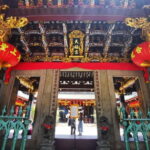
A nice bonus is the chance to see a religious space nearby. The tour includes a Buddhist temple visit just outside the market area, which adds another layer to the neighborhood story beyond shopping and eating.
Quick practical tip for Little India
Come prepared for strong aromas. Incense and spices are part of the atmosphere, not a side detail. If you’re sensitive, take it slowly and use the breaks between tastings to reset.
You can also read our reviews of more tours and experiences in Singapore


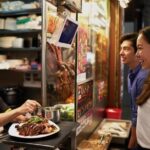
Kampong Glam and Sultan Mosque: Malay Quarter Stories on the Streets
Then you roll into Kampong Glam, the Malay Quarter side of the city, where the street character changes in a good way. The atmosphere here is older and more intimate, with quaint lanes and a strong sense of place.
The headline moment is the Sultan Mosque area. Seeing a major landmark like this with local context changes what you notice. Instead of only appreciating the architecture, you’re hearing how the community formed and how Malay royalty and history connect to what’s around you now.
You’ll also see the street commerce that comes with the area’s identity—fabric and carpet shops show up alongside classic dining choices in the broader area. It’s a practical way to understand how culture and everyday life share the same space.
This is also where the tour often lands hardest for first-time visitors. After Chinatown’s pattern and Little India’s market energy, Kampong Glam gives you a change of pace: more walking through quieter lanes, more looking at details, and the “big picture” historical notes that tie everything together.
A note on the walking rhythm
This third stop is where many people slow down without realizing it—because it’s easier to stand and look around. That’s great, but it also means you might feel the walking more overall. Build in a few short breaks so you don’t rush the experience.
Food and Drinks: Why the Hawker-Centre Choice Matters
A lot of food tours promise variety. This one aims for something more useful: variety that’s connected to where you are.
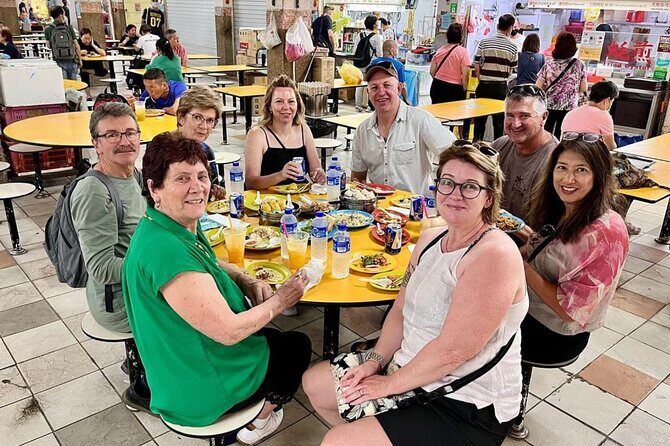
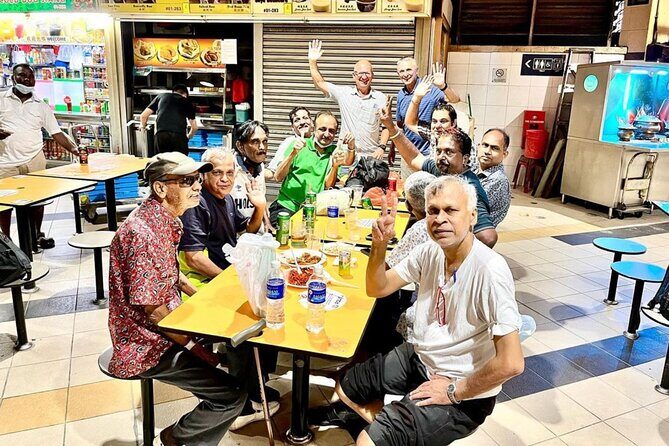
The food is sourced in UNESCO inscribed hawker centres, which is a big deal for value and authenticity. You’re not hopping between far-flung restaurants with fancy menus and high markups. You’re eating where local people actually go—where the portions are generous, flavors are built for repeat customers, and the menu changes based on what’s available.
The tour also includes a full spread: snacks, lunch, dinner, and bottled water, with coffee and/or tea plus soda/pop. That’s part of the math behind the price. You’re not paying for a guided day and then separately paying for meals.
Alcoholic beverages are also included, which can be a bonus for many visitors, especially if you want the easy pairing—cold drinks with spicy bites. On at least some days, people even mention trying beers such as Tiger and Guinness during the stops. If you’re not drinking alcohol, you still get non-alcohol options, so you’re not boxed in.
One more detail I like: the guide’s stories aren’t random. You’ll learn the connections between the neighborhoods, the food styles, and the historical flow that shaped today’s Singapore. That makes every dish feel like it has a place in the bigger puzzle.
Timing, Heat, and Getting the Most Out of the 5.5 Hours
The tour runs about 5 hours 30 minutes, starting at 9:00 am, and it ends back at the meeting point. That morning timing is smart in Singapore. You still get warm weather, but you’re less likely to hit the worst late-day heat.
It’s also a walk-heavy experience. One group reported walking significantly more steps than the rough estimate used in the tour marketing, which tracks with how neighborhoods look when you stop often for photos, snacks, and explanations. Plan for that. If you’re used to city walking, you’ll be fine. If you don’t walk much, bring patience and plan short breaks.
Public transportation is used as needed, too. Some of the route can involve MRT and bus segments, which helps keep the walking from turning into a slog. Still, your day will be active, and the guide will keep moving the group between stops.
Who should think twice
- If you use personal mobility aids or need step-free routes, the tour is not recommended.
- If you’re traveling with prams or strollers, it’s not recommended.
- It’s best suited for adults or older kids who can handle a moderate walking pace.
Price Value at $148: What You’re Paying For
At $148 per person, you’re paying for more than a meal. You’re buying:
- Guided time across three major neighborhoods
- Food across multiple stops (snacks plus lunch and dinner)
- Drinks all day (coffee/tea, soda/pop, bottled water, and alcohol included)
- Local history context delivered in a way you can actually use while walking
When a tour includes lunch and dinner and drinks, it changes the real cost. In Singapore, eating out can add up quickly, especially if you’re doing it the “tourist way” instead of the hawker-centre way. Here, hawker-centre sourcing plus a structured tasting route gives you a lot of food per hour.
Also, small group size matters. A max of 8 people reduces waiting and makes it easier to adapt to what the group likes and what the weather is doing. In a city where heat and queues can be annoying, that’s value you can feel.
Who This Tour Is For (and Who Might Be Happier Elsewhere)
This is best for you if:
- You want a first-day orientation across Chinatown, Little India, and Kampong Glam
- You care about street food culture, not just eating a list of dishes
- You like learning through stories while you walk
- You want a day with both local food and a major landmark visit to Sultan Mosque
Skip it (or choose carefully) if:
- You have gluten intolerance (not recommended)
- You have dietary restrictions (not recommended)
- You’re vegetarian (experience may be compromised)
- You rely on mobility aids or need stroller-friendly access (not recommended)
If you’re a foodie, this tour makes sense because you’ll likely leave with a stronger sense of what to order when you explore on your own later. And if you’re a history-and-culture type, the guide’s personal background helps the city feel more human.
Should You Book This Singapore Quarters Food Tour?
Book it if you want the easiest way to get organized in Singapore: three neighborhoods, UNESCO hawker food, drinks included, and a guide who connects the dots between food and history. It’s a strong value for a half-day that could otherwise turn into separate meal hunts and scattered sightseeing.
Don’t book it if your food needs are strict (gluten-free, vegetarian, or other dietary restrictions), or if your mobility needs make walking and the general route tough. In those cases, you’ll likely feel like the tour can’t flex enough.
If you can handle the active pace and you want to start your trip with real local flavors and stories, this is one of the better ways to spend a morning in Singapore.
FAQ
Is pickup offered for this tour?
Pickup is offered, and the tour also runs from a Chinatown meeting point and ends back at the meeting point.
How long is the Singapore Chinese, Indian & Arabic Quarters tour?
It lasts about 5 hours 30 minutes.
How many people are in the group?
The group size is capped at a maximum of 8 travelers.
What’s included with the tour food and drinks?
Coffee and/or tea, lunch, dinner, snacks, soda/pop, bottled water, and alcoholic beverages plus non-alcoholic beverages are included.
Where does the tour start and end?
It starts in Chinatown, Singapore and ends back at the meeting point.
Is it good for vegetarians or people with dietary restrictions?
It’s not recommended for vegetarians, and it’s not recommended for travelers with dietary restrictions.
Is it suitable for gluten intolerance?
No, it is not recommended for travelers with gluten intolerance.
Is the tour walking-heavy?
It requires moderate physical fitness and is not recommended for personal mobility aids or strollers.
What’s the cancellation policy if plans change?
You can cancel for a full refund if you cancel at least 24 hours before the experience’s start time, and it offers free cancellation. The experience also depends on good weather.