REVIEW · SINGAPORE
Peranakan Cooking Class in Singapore, near Lavender MRT Station
Book on Viator →Operated by Traveling Spoon · Bookable on Viator
Peranakan food is a delicious Singapore story. I like the format: a private studio class where you cook 2–3 hands-on Nyonya dishes, then share the meal as lunch with your host. I also like that Chef Colin (when available) keeps the session practical while still tying the food back to local culture.
One thing to watch: the menu is seasonal and your host may be Colin or a colleague, so if there’s a specific dish you want, add it to your booking request in advance.
In This Review
- Key highlights worth getting excited about
- A private Peranakan class in a bicycle shop studio
- Chef Colin’s style: hands-on cooking plus food culture talk
- What you’ll cook: 2–3 Nyonya dishes you can actually master
- From ingredients to lunch: how the meal part works
- Choosing your menu: get the dish you want without disappointment
- Price and value near Lavender MRT: is $128 worth it?
- Who this Peranakan class is best for
- FAQ
- FAQ
- How long is the Peranakan cooking class?
- Is this class private?
- Who hosts the class, and does it always have Chef Colin?
- Can I request a specific dish like Nyonya laksa?
- Are vegetarian or gluten-free options available?
- Where do I meet, and does it end nearby?
- Do I get hotel pickup and drop-off?
- Can I get a refund if I cancel?
- Should you book this Peranakan Cooking Class?
Key highlights worth getting excited about
- Private class, not a big group: it’s only your party in the studio.
- Cook 2–3 Peranakan dishes and eat what you make for lunch.
- Chef Colin (when available) brings a warm, welcoming style plus food history context.
- Real flexibility: you can request a dish, and the menu can run from ngoh hiang to Nyonya kueh dadar.
- Dietary options on request: vegetarian and gluten-free options are available.
A private Peranakan class in a bicycle shop studio
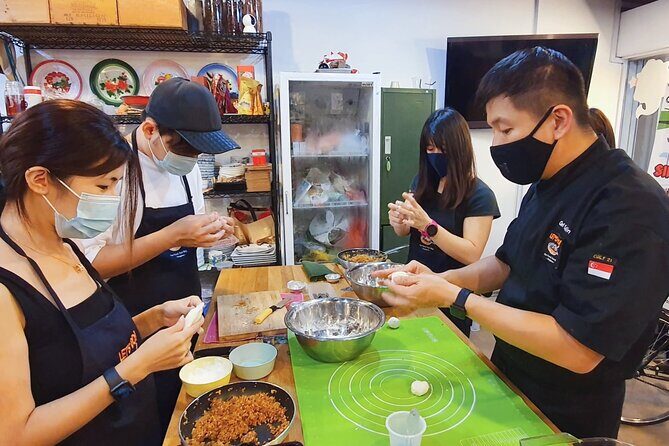
This cooking class doesn’t feel like the usual “tour kitchen” setup. It takes place in a cooking studio located inside a bicycle tour shop, and you’ll actually pass by bicycles before you enter the teaching space. That little detail matters, because it tells you you’re not in a sterile showroom. You’re in a working, local space.
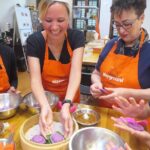
The studio itself is bright and organized. Expect color and personality: pastel pots and a mural that keeps the room from feeling too formal. It also means you’ll have a comfortable place to work, which matters when you’re handling sauces, dough, or griddled items.
Location-wise, the start point is Crawford Lane (Crawford Ln, Singapore). The activity ends back at that same meeting point, so there’s no complicated route guessing after lunch. You’ll also use a mobile ticket.
You can also read our reviews of more cooking classes in Singapore
Chef Colin’s style: hands-on cooking plus food culture talk
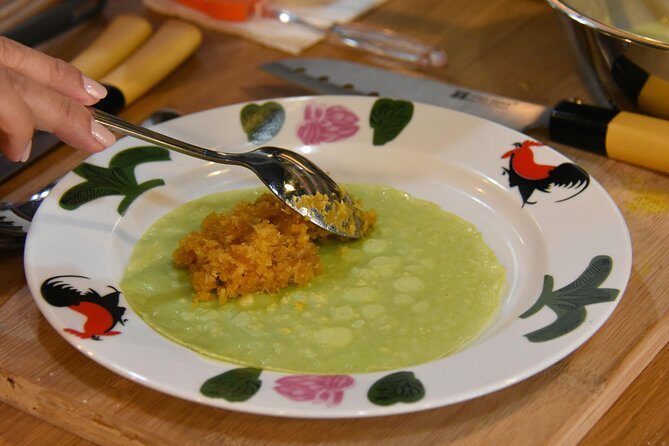
The class is built around you cooking, not just watching. During the roughly 1.5-hour hands-on portion, your host demonstrates key steps first, then hands the process over to you so you can try everything yourself. That’s a big plus if you’ve ever signed up for a “cooking experience” that turned out to be mostly sitting and filming.
Chef Colin, when he’s available, is described as warm and welcoming. He’s also noted for being friendly and knowledgeable, and for giving useful cooking tips. One of the best parts is that he doesn’t treat the dishes like isolated recipes. He also talks about culture and the history of the food in a way that feels tied to what you’re making in the moment.
When Colin isn’t available, his colleagues host the class. The information you’ll want here is simple: the host can change, and so can the menu. A good rule is to plan for the class as Peranakan learning first, and Colin specifically only if you’re okay with the possibility that a colleague runs your day.
What you’ll cook: 2–3 Nyonya dishes you can actually master
You’ll make 2–3 Peranakan dishes in total, and then eat them together for lunch. The exact mix can vary, but the menu can include both savory mains and sweet or snack-like items. Think spring-roll style bites like ngoh hiang, noodle dishes, and Peranakan desserts.
Here are some examples of dishes you might cook (the selection depends on what’s available and what your host plans):
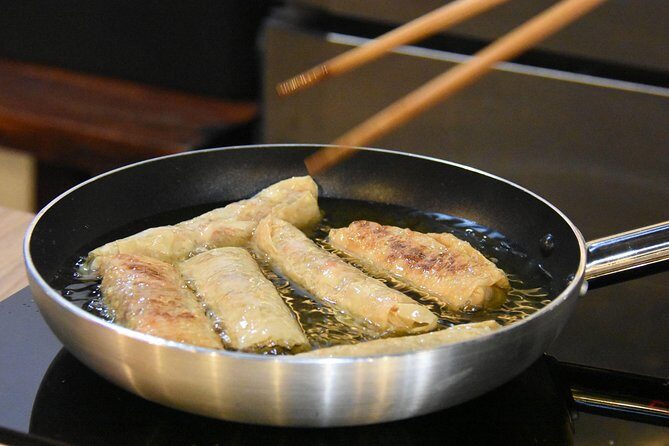
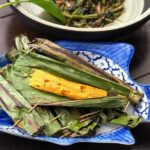
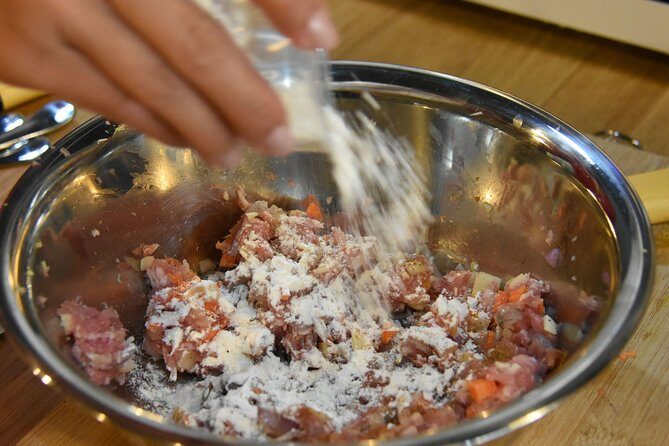
- Ngoh hiang: minced meat and vegetables wrapped in bean curd
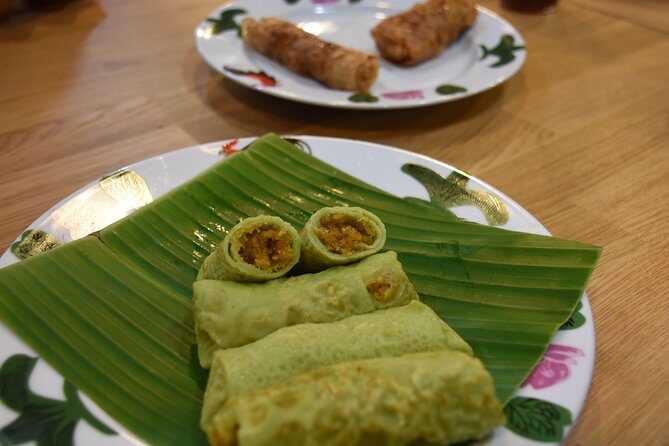
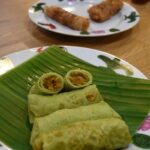
- Nyonya kueh dadar: a pandan-flavored crepe with freshly grated coconut
- Hainanese chicken rice: a familiar Singapore comfort food that shows up in some menu options
- Hokkien noodles: another possible part of the dish lineup
- Nyonya laksa: a dish you can request if it’s on your must-try list
A quick reality check: because the menu is seasonal, don’t assume you’ll get a specific dish just because it’s mentioned as an example. The upside is that you’re not locked into one rigid menu no matter what the market is doing.
Also, you can ask for vegetarian or gluten-free options. The class is designed so those requests can be accommodated on request, which is rare for “hands-on” cooking where people usually get the short end of the menu stick.
From ingredients to lunch: how the meal part works
After you cook, you eat your food with your host for lunch. This isn’t just “here’s your plate, good luck.” You’re sharing the results in the same space where you learned the steps, which makes it easier to connect what you did with what it should taste like.
This format is especially good for beginners. Even if you’ve never made Peranakan food before, the host can guide you through the logic of the flavors and textures: how wraps should hold, how fillings should cook through, how pandan notes show up in desserts, and why different dishes feel related even when they’re made differently.
And because your class is private, you’re more likely to get direct coaching. If you’re working with dough, fillings, or a sauce that needs timing, one good tip can save a whole batch. In a big group, those tips often get diluted. Here, they’re aimed at you.
Choosing your menu: get the dish you want without disappointment
This is the part that can make or break your day, so it’s worth being strategic.
The class menu might vary, and the host may differ depending on availability. One guest reported a mismatch between expectations and what happened when Colin was not the available host, which is exactly why you should use the request form if there’s a specific dish you care about.
If you want something specific like Nyonya laksa, put that request in the booking form. If you don’t request it, your host will choose a menu based on seasonal ingredients. That approach makes sense for fresh cooking, but it means you should treat special dishes as requests, not guarantees.
A practical way to plan: decide on your priority dish and one “backup category.” For example:
- Priority: Nyonya laksa
- Backup category: noodles or a Peranakan snack like ngoh hiang
That way, even if your first choice isn’t on the day’s menu, you’ll still leave with something that matches your Peranakan cravings.
You can also read our reviews of more tours and experiences in Singapore




Price and value near Lavender MRT: is $128 worth it?
At $128 per person, this class isn’t the cheapest thing in Singapore. But it isn’t overpriced either, because you’re paying for a very specific mix: a private lesson, a professional chef/host, hands-on cooking, and a shared lunch.
What you’re really buying is time and attention. In a private class, you get more coaching per person, and you’re more likely to finish the cooking tasks you’re learning. You also get gratuities included, and you don’t have to figure out where to eat afterward because lunch is part of the experience.
Two small cost-and-value notes to keep in mind:
- No hotel pickup/drop-off: you’ll need to make your own way to Crawford Lane. If you’re based near Lavender MRT Station, that’s usually convenient, but still plan your route.
- Seasonal menu changes: you’re not paying for a single fixed menu. You’re paying for Peranakan cooking skills and a meaningful food experience, even when the day’s dishes shift with what’s freshest.
One more planning detail: the class is booked about 39 days in advance on average, so if you’re traveling during a peak window, it’s smart to book earlier rather than hoping for the last-minute slot.
Who this Peranakan class is best for
This is a good fit if you want Singapore food in a format that’s active and personal. You’ll enjoy it most if you like learning by doing, and if you’re curious about how Peranakan cuisine blends Malay and Chinese influences.
It’s also a strong choice for:
- Couples who want a shared activity and then a meal
- Food-focused travelers who want to learn at recipe level, not just taste
- People who like structured guidance but still want hands-on work
- Anyone who wants a studio setting with a friendly chef and practical tips
If you’re the type who only wants one exact dish and treats everything else as a letdown, book with eyes open. Use the request form, and understand the menu is seasonal.
FAQ
FAQ
How long is the Peranakan cooking class?
The duration is about 3 hours, with roughly 1.5 hours of hands-on cooking during that time.
Is this class private?
Yes. It’s a private tour/activity, and only your group participates.
Who hosts the class, and does it always have Chef Colin?
When Chef Colin is not available, the class is conducted by his colleagues. The menu and hosting can vary by day.
Can I request a specific dish like Nyonya laksa?
Yes. If you have special requests, add them to the booking form. The menu is seasonal, so requests help your host plan.
Are vegetarian or gluten-free options available?
Vegetarian and gluten-free options are available on request.
Where do I meet, and does it end nearby?
The meeting point is on Crawford Lane (Crawford Ln, Singapore). The activity ends back at the same meeting point.
Do I get hotel pickup and drop-off?
No. Hotel pickup and drop-off are not included.
Can I get a refund if I cancel?
No. The experience is non-refundable and cannot be changed for any reason.
Should you book this Peranakan Cooking Class?
If you want a Singapore food experience that’s active, tasty, and guided, I think you should book it. The private setup is the big reason: you’re cooking 2–3 Peranakan dishes, getting hands-on coaching, and eating lunch you made in the same session.
Just don’t treat it like a guaranteed one-dish mission. Because the menu is seasonal and Colin may not always be available, put your must-try items in the booking request early. If you do that, this class is a very satisfying way to learn how Nyonya food works in real life, not just on a plate.