REVIEW · SINGAPORE
Singapore: Hands-on Cooking Class with Cultural Immersion
Book on GetYourGuide →Operated by Food Playground Pte Ltd · Bookable on GetYourGuide
Want Singapore food on your plate? This Chinatown cooking class pairs hands-on cooking with quick cultural lessons, so the meal feels personal.
I love the way you learn by doing, not watching from the sidelines, especially with family-recipe cooking steps at your own station. I also like the storytelling side, from how instructors overcame tough moments to practical tips on where to eat around town, shared in English by hosts like Nur, Sara, and Annie.
One big consideration: the studio is on level 2 of a conservation shophouse with no lift, so it’s not a great fit if you have mobility limits.
In This Review
- Key points worth clocking
- Chinatown Setup: Finding the Studio by the Buddha Tooth Relic
- Coffee, Snacks, and an Ice-Breaker That Actually Fits the Theme
- The Weekly Menu: Your 3 Dishes Depend on the Day
- Inside the Kitchen: Apron On, Workstation Ready
- Dish Origins and Local Ingredients: Learning the Why, Not Only the How
- The 3-Course Singapore Meal You Make Yourself
- Instructor Stories: Cooking With Real Life Behind It
- Practicalities That Affect Your Day
- Timing and pace
- What’s included
- What’s not included
- Rules
- One more “know this first” point
- Is It Good Value for $94?
- Who Should Book This Cooking Class (and Who Should Skip It)
- Should You Book This Singapore Chinatown Cooking Class?
- FAQ
- How long is the Singapore cooking class?
- Where do I meet for the class?
- What dishes will I cook?
- Is hotel pickup included?
- Are ingredients and drinks included?
- Is video recording allowed?
Key points worth clocking
- Chinatown meeting point: located next to Buddha Tooth Relic Temple and Museum, look for an orange sign.
- Weekly fixed menu: your 3 dishes depend on the day, so match the menu to what you want to cook.
- Cook-and-eat format: you make 3 signature dishes, then sit down for the full 3-course meal.
- Close instructor guidance: English-speaking hosts like Nur, Cindy, Wy Wy, Helen, and Sara keep things patient and practical.
- Food culture in the prep: you get dish origins, local ingredient context, plus tips for the rest of your stay.
- No video recording: plan to take notes instead of filming.
Chinatown Setup: Finding the Studio by the Buddha Tooth Relic
This experience starts in Chinatown, in a cooking studio next to the Buddha Tooth Relic Temple and Museum. The easiest way to find it is to look for an orange sign with the local partner’s name when you’re near the landmark.
Expect a shopfront feel rather than a big hotel ballroom. That’s part of the charm: you’re stepping into a smaller, real local space, not a staged tourist set. It also helps you get oriented fast once you’re in the area—this is a good base for food crawling later.
Practical note: hotel pickup and drop-off aren’t included, so you’ll want to plan how you’ll get there on your own. The upside is that you’re not stuck to a pickup window; you can arrive when you’re ready.
You can also read our reviews of more cooking classes in Singapore
Coffee, Snacks, and an Ice-Breaker That Actually Fits the Theme
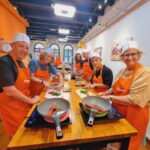
When you arrive, instructors greet you and get you settled with coffee or tea plus nostalgic snacks/bites. Then the class kicks off with an ice-breaker game designed to pull you into Singapore’s heritage, food, and culture.
This matters more than it sounds. By the time you’re in the kitchen, you’ll already understand the why behind what you’re making. Several instructors (including Nur, Lur, and Mrs Lee in different sessions) are praised for being ready the moment you walk in, which helps the whole thing feel relaxed.
One more practical thing: you’ll be working in a level-2 conservation shophouse. If stairs are hard for you, you’ll feel it before you even start cooking—so it’s worth deciding early, not after you’re committed.
The Weekly Menu: Your 3 Dishes Depend on the Day
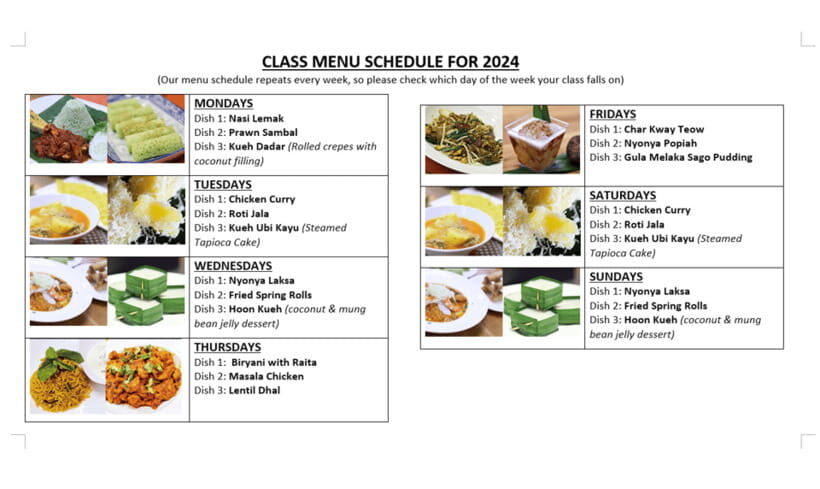
This class runs on a fixed weekly schedule. That’s great because it keeps things organized, but it means you should check the menu before you book to make sure the dishes match your tastes.
Here’s the weekly line-up:
- Monday: Nasi Lemak, Sambal Prawns, Kueh Dadar
- Tuesday: Curry Chicken, Roti Jala, Ondeh Ondeh
- Wednesday: Laksa, Fried Spring Rolls, Hoon Kueh
- Thursday: Nasi Biryani, Masala Chicken, Lentil Dhal
- Friday: Char Kway Teow, Nyonya Popiah, Sago Gula Melaka
- Saturday: Curry Chicken, Roti Jala, Ondeh Ondeh
- Sunday: Laksa, Fried Spring Rolls, Hoon Kueh
The value here is that you’re not just making generic “Singapore-style” food. You’re following a day-specific set of signature dishes, with guidance to help you recreate the steps later. If you have a favorite dish you want to learn—like laksa, char kway teow, or curry chicken—pick the right weekday.
Inside the Kitchen: Apron On, Workstation Ready
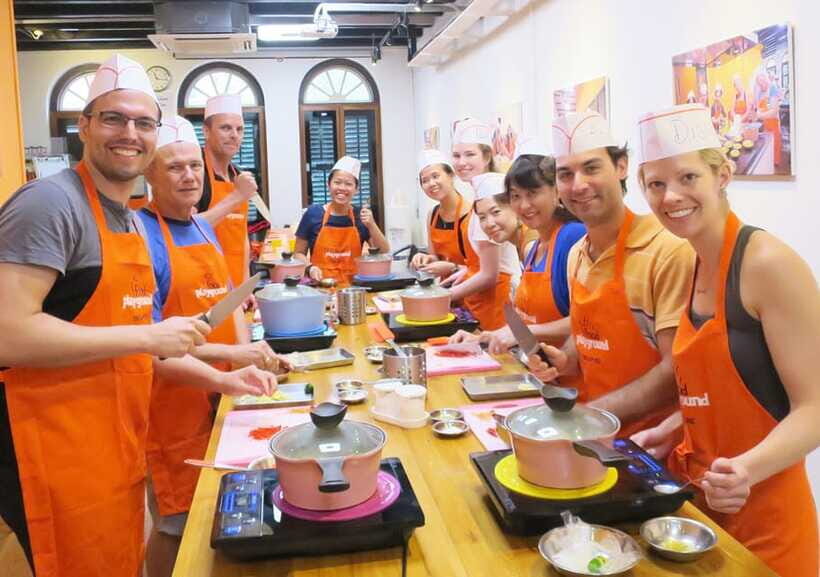
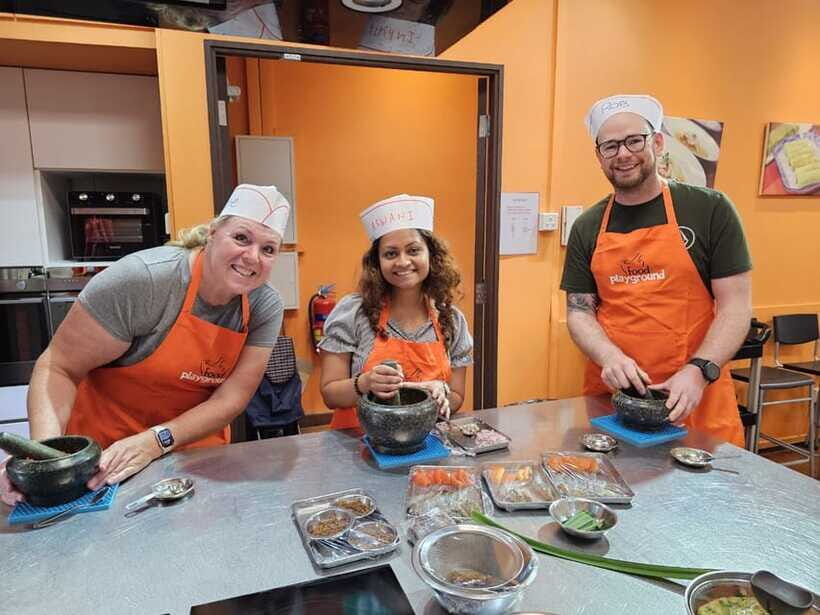
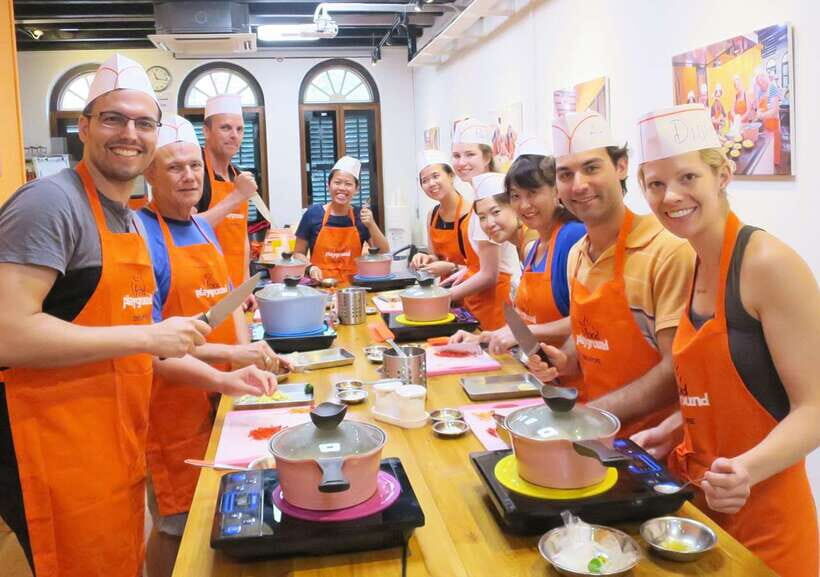
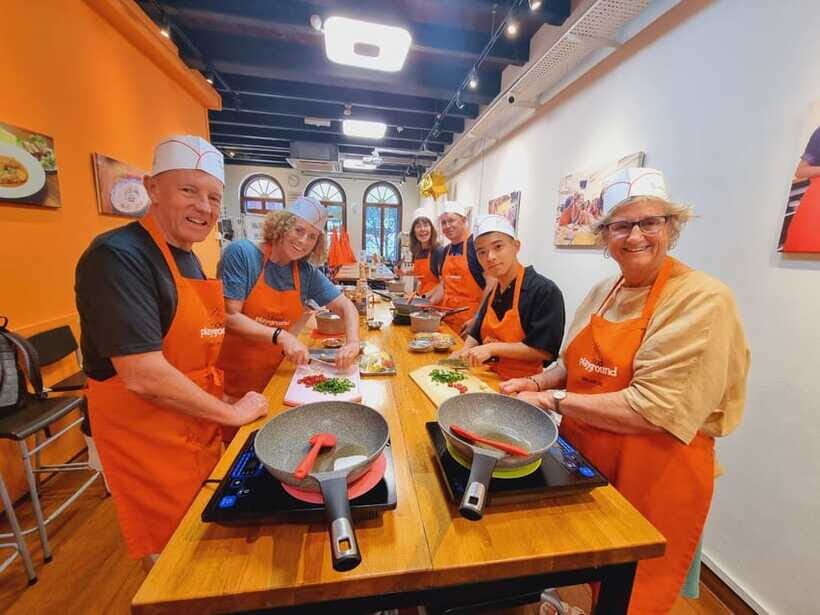
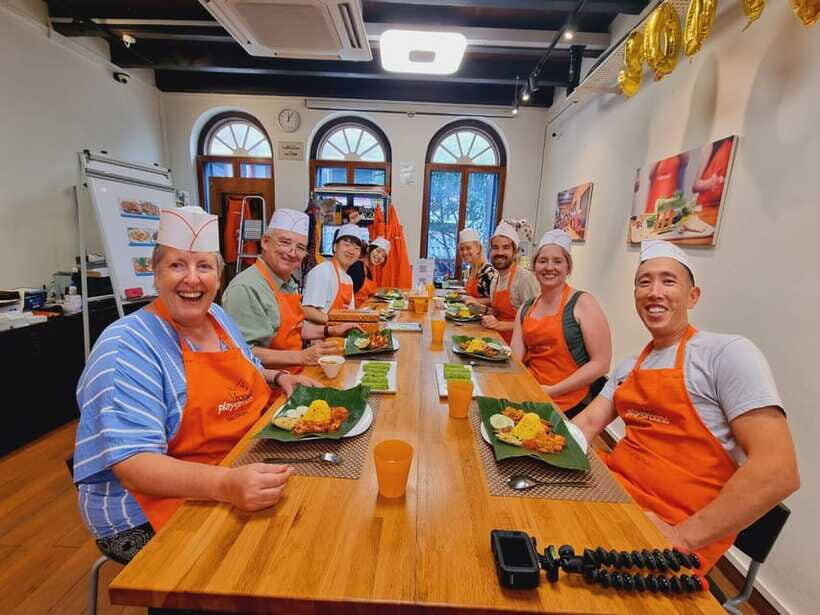
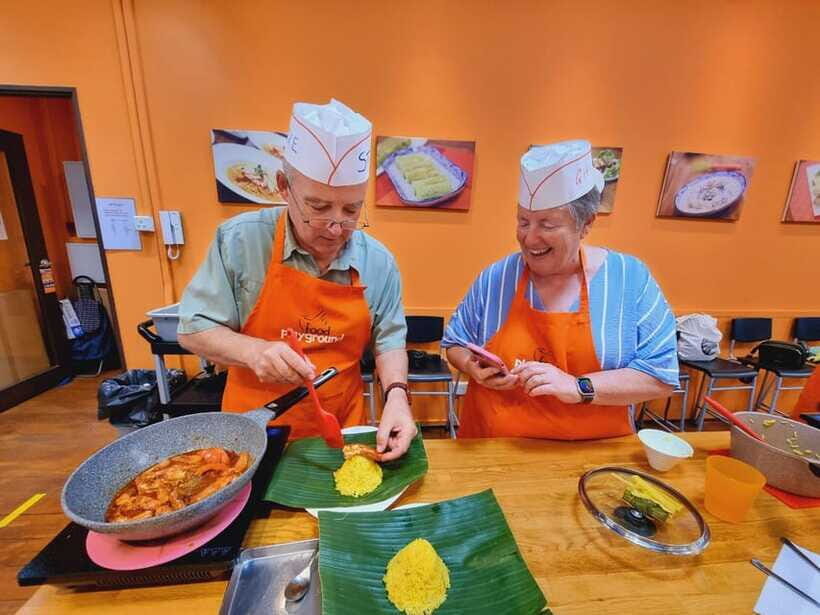
Once the cultural prep is done, you put on the apron and chef hat and head to the kitchen. You’ll have fully equipped cooking workstations with the ingredients ready for you, plus close guidance from instructors throughout the process.
This is the core of why the class gets such consistently high marks. People aren’t left guessing. Instructors are described as friendly, engaging, organized, and patient with different skill levels. Names that come up again and again include Sara, Cindy, Helen, Wy Wy, and Annie, with assistants like Yih Yoh and Sobna also credited for helpful, patient support.
What you’ll likely notice in practice:
- You’re taught steps in a clear order, so the recipe doesn’t feel overwhelming.
- You get hands-on time at your own station rather than hovering around one shared pot.
- You learn how to handle ingredients and timing while someone is right there to guide you.
And yes, the class is designed so you can replicate the recipes at home. The method is the real takeaway: you learn the process, not just the final flavor.
Dish Origins and Local Ingredients: Learning the Why, Not Only the How
Before you start cooking each dish, the class covers interesting snippets—where the dish comes from, and what specific local ingredients are used. You’re not stuck with a lecture. It’s woven into the cooking workflow so you understand what matters while your hands are busy.
One of the most practical parts is this: it helps you shop better later. When you know the ingredient role and the local context, you’re less likely to substitute randomly and end up with a completely different result at home.
This cultural layer also makes the meal more satisfying. Even if you’re not a foodie super-nerd, you’ll leave knowing what to look for on menus and in markets—especially around Chinatown and the rest of Singapore’s food scene.
You can also read our reviews of more tours and experiences in Singapore



The 3-Course Singapore Meal You Make Yourself
At the end, you sit down and eat what you cooked: a sensational 3-course Singaporean meal. This is a big deal for value, because many cooking classes stop at the cooking part and send you off with a small tasting. Here, you’re rewarded with a full meal.
You’ll also have time to mingle with other people in class while eating. That social part can be surprisingly useful. During the meal, instructors often share more local expert knowledge—like where to eat and what to do for the rest of your stay.
From the feedback you can expect a strong focus on fresh ingredients and clean, organized setups. One person even called out that everything was prepared in advance so cleanup was left to the team. That means you spend your energy learning and eating, not scrubbing.
Instructor Stories: Cooking With Real Life Behind It
A unique feature of this class is that it includes intricate stories—how instructors overcame life challenges and built the work they do today. In some sessions, the class format also connects to larger community goals, such as helping bring women who were stay-at-home moms back into the workforce.
This isn’t just emotional fluff. It changes how the class feels. When an instructor explains a family recipe alongside a real personal story, you taste more than food. You taste effort, patience, and continuity.
You’ll hear this through the way hosts teach—names you’ll see mentioned include Nur, Lur, Mrs Lee, Wy Wy, Cindy, Sara, Helen, and Annie. In many accounts, the common thread is clear teaching plus warm hospitality.
Practicalities That Affect Your Day
Here’s what matters on the ground.
Timing and pace
The class runs about 3 hours. That’s a sweet spot: long enough to learn multiple dishes, short enough to still enjoy the rest of your Singapore day.
What’s included
You get:
- All ingredients needed for the class
- Chef hats and aprons
- Coffee, tea, and drinking water
- Complimentary high-speed wifi
That’s helpful because you can post later, map out dinner plans, or message your group while you’re there (and yes, wifi is included).
What’s not included
- No hotel pickup/drop-off.
Rules
- Video recording isn’t allowed. If you want to capture recipes, plan to take notes.
One more “know this first” point
The studio is on level 2 with no lift access, so it isn’t recommended for people with limited mobility.
Is It Good Value for $94?
At $94 per person for a 3-hour, hands-on cooking class, the real question is whether you’re getting more than a cooking demo.
In this case, you are:
- You cook three signature dishes, with ingredient support and workstation setup.
- You eat the results as a full 3-course meal.
- You get cultural context and practical local recommendations from the instructors.
- You’re in an organized environment with guidance throughout, including support for different skill levels.
If you’re the type who likes learning a recipe you can actually repeat at home, this is a strong buy. If you only want a quick meal and don’t care about the cooking process, you might feel the time commitment more than the reward.
Who Should Book This Cooking Class (and Who Should Skip It)
This class is a great fit if you want:
- A hands-on Singapore cooking experience where you cook, not just watch
- A structured way to learn familiar local dishes like nasi lemak, laksa, curry chicken, and more (depending on your day)
- A cultural story angle, including instructors who share personal life lessons
- An included meal, so you don’t need to plan lunch or dinner right after
It’s not a great fit if:
- You have mobility impairments or need lift access (level 2, no lift).
- You rely on filming instructions for later (video recording isn’t allowed).
Should You Book This Singapore Chinatown Cooking Class?
I’d book it if you’re looking for a morning or afternoon activity that gives you both food and know-how. The biggest reason is simple: you cook three dishes and then eat a real 3-course meal, guided by English-speaking instructors who are praised for being patient and organized—people like Nur, Sara, Cindy, Helen, Wy Wy, and Annie come up a lot.
I’d pause and rethink it if stairs are an issue for you, or if you’re the kind of traveler who wants spontaneity over fixed dishes. Since the menu is tied to the day, choose your weekday intentionally.
If you match those two checks, you’ll likely feel this is one of the more satisfying ways to spend a few hours in Singapore—learning recipes you can repeat and leaving with better instincts for the food you’ll hunt down afterward.
FAQ
How long is the Singapore cooking class?
It lasts 3 hours.
Where do I meet for the class?
The studio is located next to the Buddha Tooth Relic Temple and Museum in Chinatown. Look for an orange sign with the local partner’s name.
What dishes will I cook?
The 3 dishes depend on the day. The weekly menu runs Monday through Sunday with specific combinations like nasi lemak and sambal prawns on Monday, curry chicken with roti jala on Tuesday, laksa on Wednesday, and so on.
Is hotel pickup included?
No. Hotel pickup and drop-off are not included.
Are ingredients and drinks included?
Yes. The class includes all ingredients, use of chef hats and aprons, and coffee, tea, and drinking water.
Is video recording allowed?
No, video recording isn’t allowed during the class.