REVIEW · SINGAPORE
Singapore: Market-to-Table Experience and Cooking Class
Book on GetYourGuide →Operated by Let's Go Bike Singapore · Bookable on GetYourGuide
Wet markets are a cheat code for understanding food. In this market-to-table Singapore experience, you pair a real local market walk with a hands-on cooking class that teaches you the dishes behind the everyday buzz. You’ll also see how different cultures shape what ends up on a plate.
I love the first stop: a proper wet market visit with a licensed guide and chef, where you learn what ingredients actually look like and what to look for in the stall chaos. I also love that the cooking portion is taught by warm, outgoing chefs who focus on technique, not just recipes—so you leave with skills you can use again.
One thing to consider: the schedule runs rain or shine, and the market time can feel a bit brisk for anyone who prefers a slower pace or longer cooking time.
In This Review
- Key highlights you’ll feel right away
- Market-to-Table in 3 Hours: Why This Feels Like Real Singapore
- The Wet Market Stop: Where You Learn What to Buy (and How It Matters)
- Breakfast at a Local Coffeeshop: A Small Cultural Reset
- Cooking Back at the Studio: What You’ll Make From Scratch
- Menu A vs Menu B: What Changes by Day (So Check Before You Go)
- Menu A (Tue, Thu, Sat)
- Menu B (Wed, Fri, Sun)
- How the Chefs Teach: Techniques You Can Repeat at Home
- Price and Value at $109: What You’re Paying For
- Timing, Groups, and Meeting Point: Don’t Get Off Track
- Diet, Allergies, and Accessibility: What to Plan Ahead
- Who Should Book This Singapore Cooking Class?
- Should You Book This Market-to-Table Cooking Class?
- FAQ
- What is the duration of the Singapore market-to-table cooking class?
- Where do I meet for the tour?
- What dishes are included?
- Does the menu change depending on the day of the week?
- Is the tour held in the rain?
- Are dietary concerns accommodated?
- Is bottled water provided?
Key highlights you’ll feel right away
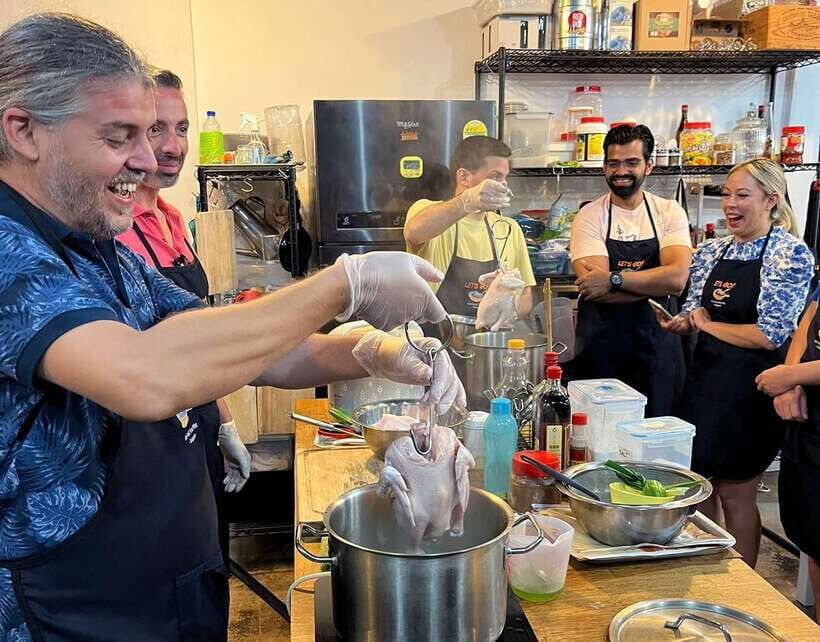
- Wet market first, then cooking: learn ingredients before you touch the stove
- Small-group energy: one booking included just a guest and a local couple, so it felt relaxed
- Real local dishes from scratch: laksa, ngoh hiang, and kueh (menu depends on day)
- Chefs who explain as they teach: guides like Denise and Vivian are mentioned as friendly and clear
- Practical technique focus: you learn the steps that make the flavor work
- Wholesome Singapore food culture stories: shared alongside the market tour and cooking
Market-to-Table in 3 Hours: Why This Feels Like Real Singapore
If you only do one “food” activity in Singapore, you want it to do more than hand you a plate. This one starts where Singapore actually eats: the wet market. You see ingredients up close, hear how locals talk about them, and get a sense of why certain flavors fit the climate and the city’s mix of cultures.
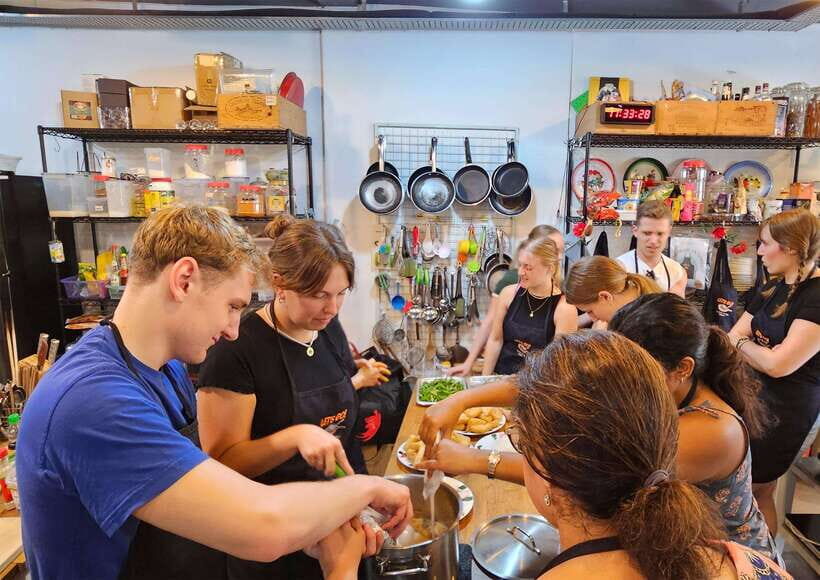
Then you shift gears to a hands-on class where you make local favorites from scratch. That timing matters. When you learn what you’re buying first, the later cooking steps make more sense, and you’re not just following a script. You’re learning how the flavors are built.
And yes, you’ll be eating too. The experience includes an iconic Singapore breakfast in a local coffeeshop before you return to cook. It’s one of those smart setups: you get a taste of the culture right away, not just at the end.
You can also read our reviews of more shopping tours in Singapore

The Wet Market Stop: Where You Learn What to Buy (and How It Matters)
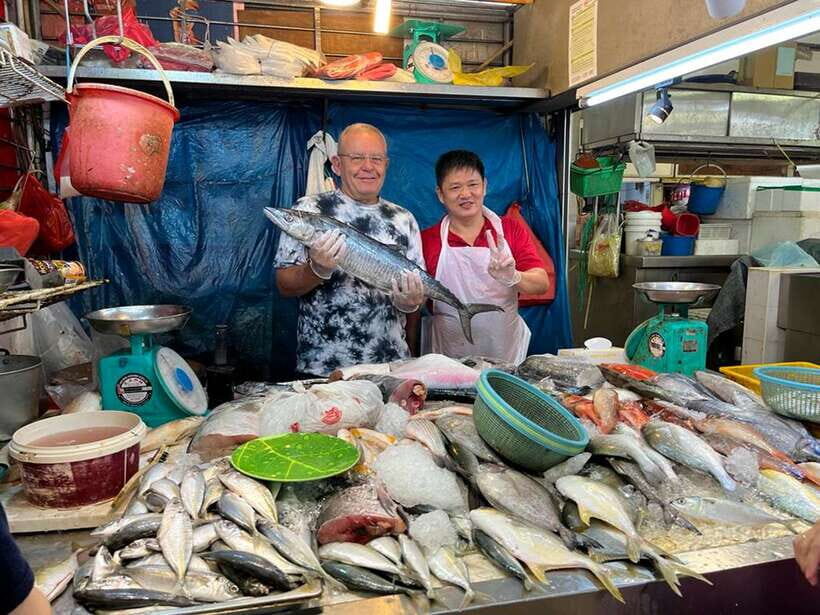
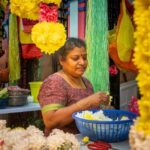
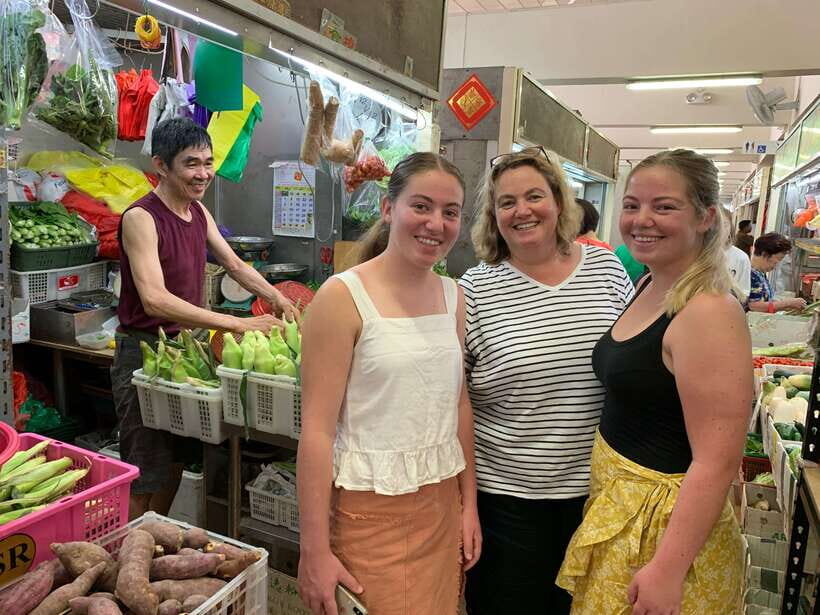
The market portion is the heart of the experience. You go with a licensed guide and chef, and you’re not just browsing for photos—you’re learning what ingredients mean in Singapore cooking.
Here’s what makes this market visit useful for you:
- You get help understanding ingredient basics you might otherwise miss, like texture differences and how certain ingredients are used together.
- You learn buying logic. In a wet market, “fresh” isn’t a marketing word; it’s a practical detail tied to cooking outcomes.
- You hear food culture stories while you walk, so the dishes feel connected to real daily life, not just restaurant menus.
One review highlights interacting with vendors and learning what different goods are for. That’s a big deal. Markets can look overwhelming at first, but having someone guide your attention helps you see the value fast.
A small note on pacing: one guest felt the market could have been a touch shorter so the class could run longer. That tells me the organizers keep things moving to hit the full cooking lineup in a set 3-hour window. If you love market wandering for its own sake, you might want to give yourself extra time outside the class later.
Breakfast at a Local Coffeeshop: A Small Cultural Reset
Before the cooking starts, you’ll stop for a classic Singapore breakfast in a local coffeeshop. It’s not a random add-on; it works like a palate warm-up and a cultural reset.
This part helps you in two ways:
- You get comfortable with the pace of eating out in Singapore—quick, friendly, and normal.
- You’re more ready to cook when your stomach is already tuned into the local flavors.
Also, coffeeshops are where Singapore’s food culture feels most everyday. You’re not trying to “dress up” the experience. It’s simply part of how the city functions.
Cooking Back at the Studio: What You’ll Make From Scratch
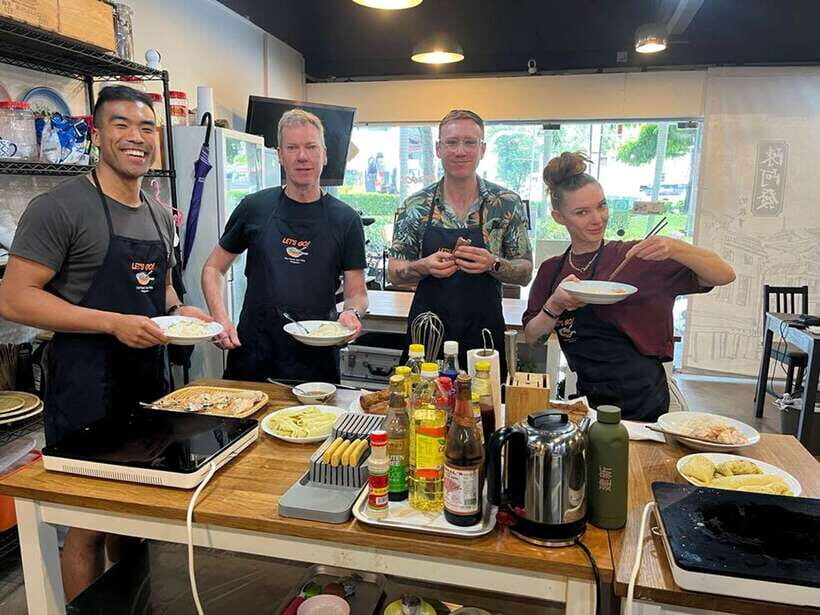
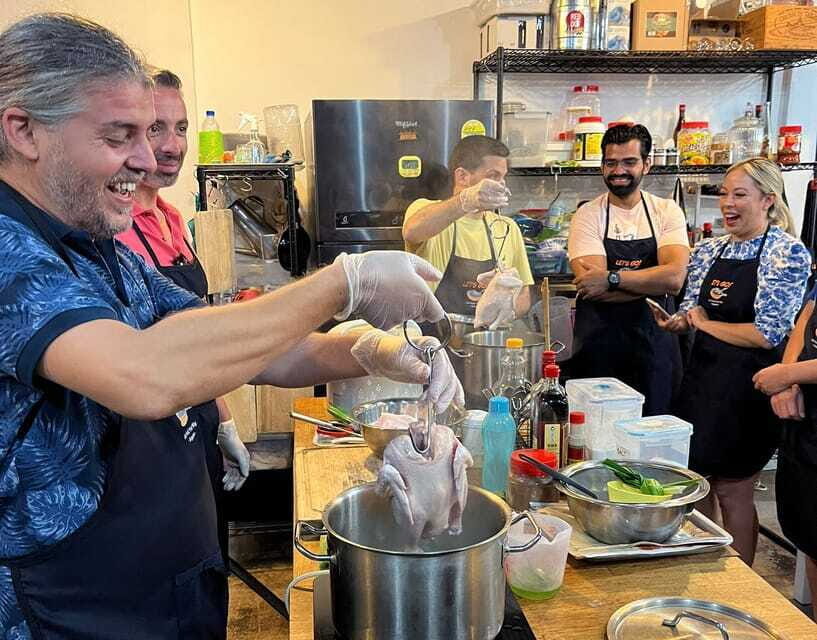
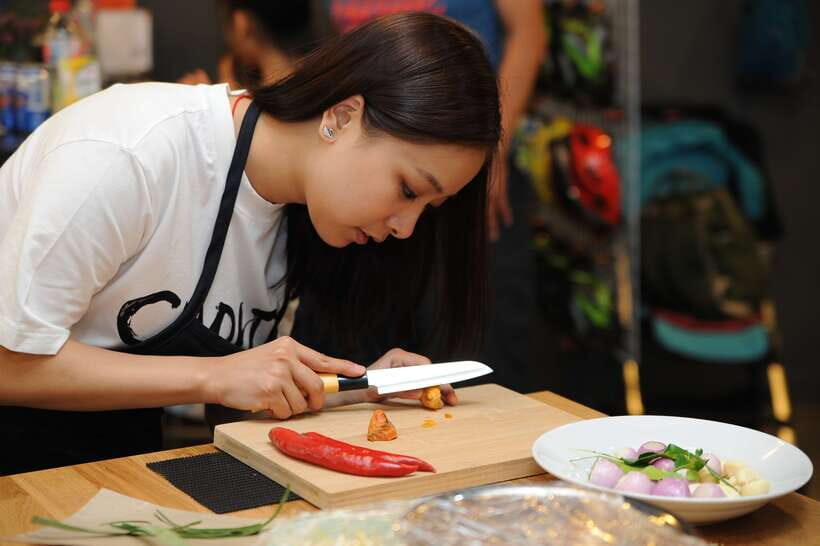
This is a hands-on cooking class, so you’ll be working at the station, not just watching demonstrations. The day’s menu determines what you make, but the theme stays consistent: you’ll learn dishes that Singapore does exceptionally well.
Across the menus, you can expect:
- Laksa: a spicy coconut milk-based noodle soup
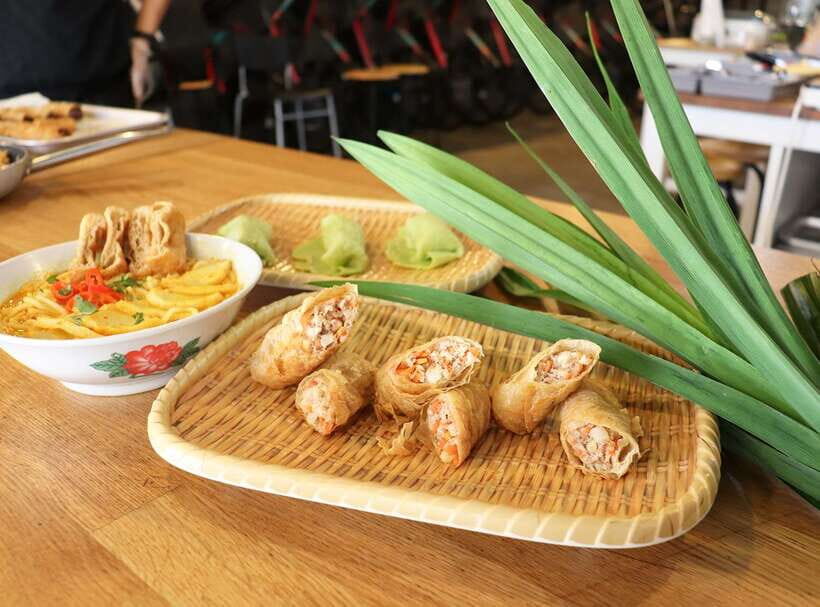
- Ngoh Hiang: a five-spice minced meat roll
- Kueh Dadar: a pandan crepe rolled with palm sugar sweetened shaved coconut
- Hokkien Mee: also called Singapore noodles
- Traditional Chicken Rice: the classic, fragrant, everyday comfort
- Ondeh Ondeh: sweet treats made for that little hit of chewy-sweet satisfaction
- Vegetarian options like vegetarian spring roll depending on the day
Even the dish list is teaching you something. Singapore cooking often balances heat, sweetness, and aromatics. By building these dishes yourself, you start to understand where the flavor comes from: the spice blend, the coconut base, the sauce balance, and the way fillings and textures come together.
One review mentions a cooking flow that took a little over 2 hours to complete the dishes, with the whole experience landing around 3.5 hours including eating. That suggests you’re not rushing through a quick demo. You get time to actually make the food.
Menu A vs Menu B: What Changes by Day (So Check Before You Go)
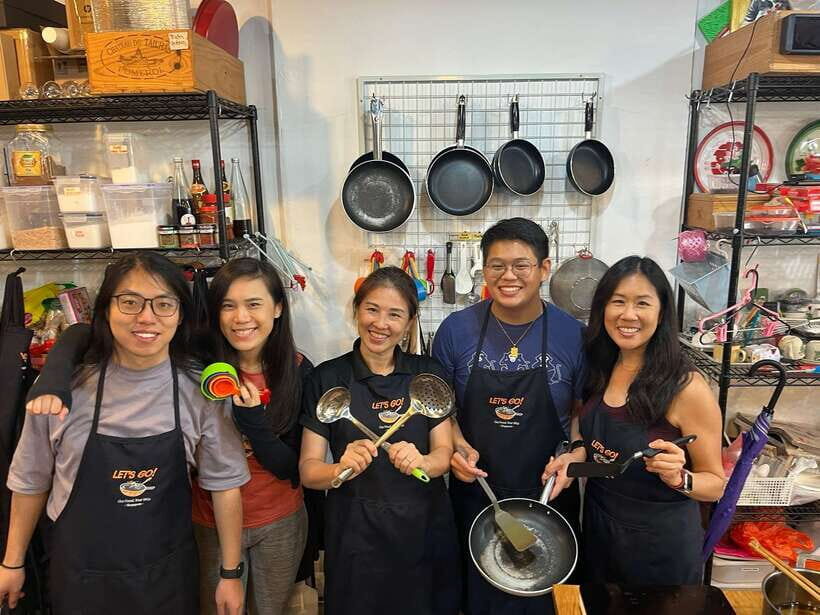
This matters because it affects what you learn. The experience uses two rotating menus:
You can also read our reviews of more tours and experiences in Singapore
Menu A (Tue, Thu, Sat)
- Hokkien Mee (Singapore Noodles)
- Vegetarian Spring Roll
- Ondeh Ondeh
Menu B (Wed, Fri, Sun)
- Traditional Chicken Rice
- Ngoh Hiang
- Kueh Dadar
If you have your heart set on one dish—like laksa and kueh dadar-style sweet treats—make sure your day lines up with the menu that includes them. It’s an easy way to get better value out of your booking: you’ll cook the dishes you actually want to master.
How the Chefs Teach: Techniques You Can Repeat at Home
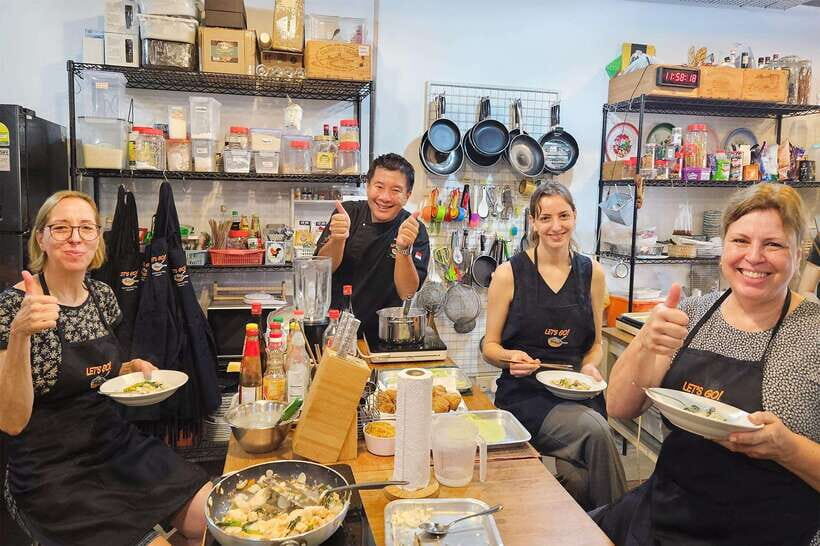
The chefs here are trained and comfortable guiding you through the steps. What stands out in the feedback is the tone: friendly, clear, and focused on helping you understand what you’re doing.
You’ll likely appreciate this if you’re not a confident cook. One guest specifically called out how understandable the instructor was for Americans. That tells me the teaching style is geared for visitors, not just for people who already know Southeast Asian cooking.
What techniques you come away with depends on the dishes on the day, but expect to learn things like:
- how to build flavor layers in soups and sauces
- how to handle fillings and rolling for ngoh hiang
- how to manage texture for sweet items like crepes and chewy treats
- how to time cooking steps so everything finishes together for eating
A small practical benefit: you’ll be using the included ingredients and equipment, so you’re focused on cooking skill, not chasing gear or sourcing weird components later.
Price and Value at $109: What You’re Paying For
$109 per person sounds like a lot—until you map it to what’s included. Here’s what you get built into the price:
- Bottled water
- Local market tour with a licensed guide and chef
- All ingredients and equipment for the cooking experience
So you’re not just buying a class. You’re paying for two guided parts: the market education and the hands-on cooking labor. Both take time and staffing, and both add value.
Where value really shows up for you is in the ratio of learning to eating. You don’t just taste local food—you build it. And because you’re cooking dishes that match what you saw in the market, you’re more likely to remember the ingredient logic, not just the final flavor.
Also, the experience runs about 3 hours. That’s a short time window for a format that usually takes half a day when done loosely on your own.
Timing, Groups, and Meeting Point: Don’t Get Off Track
The tour duration is 3 hours, and it runs rain or shine. So wear shoes you can walk in comfortably around a market area.
For the meeting point, look for the sign that says Let’s Go Tour Singapore at the junction of Northern Bridge Road and Jalan Sultan Road.
On timing and group size: at least one verified booking described a very small group setup (just the guest plus a young couple who were locals). That kind of size usually helps you ask questions and get individual attention, especially during hands-on cooking.
One practical tip: arrive a few minutes early so your start doesn’t feel rushed. When you’re stepping into a market, those first minutes shape how smooth your tour feels.
Diet, Allergies, and Accessibility: What to Plan Ahead
Dietary concerns are worth flagging ahead of time. The experience specifically asks you to remark about dietary concerns, and at least one review noted that allergies were considered and water was provided.
So if you have allergies, don’t wait until day-of. Use the dietary note during booking so the team can plan what’s safe and workable.
On accessibility: the experience is wheelchair accessible. You do need to request or remark if wheelchair accessibility is needed, and the experience doesn’t provide wheelchair rental services. That means you’ll want to bring your own chair or arrange one before you come.
If you’re traveling with mobility needs, I’d also think about the market walk. It’s not described as avoiding steps or crowds, so the best approach is to ask what the route feels like for your specific situation when you book.
Who Should Book This Singapore Cooking Class?
Book this if you want:
- a market-to-table experience that teaches ingredients, not just recipes
- a hands-on cooking class with local dishes from scratch
- a short time slot that still feels culturally grounded
- guides who explain clearly and keep things friendly
It’s also a great fit for families and mixed ages. The experience is described as wholesome and fun for all ages, and the class format is structured around cooking tasks that many people can join in.
You might think twice if:
- you prefer a longer market browse over a tighter, time-managed flow
- you want only one specific dish and you’re booking on a day where the menu doesn’t include it
- you need very slow pacing for mobility or comfort reasons (the market runs rain or shine and the schedule is time-boxed)
Should You Book This Market-to-Table Cooking Class?
My take: yes, if you like food learning that’s practical. This isn’t “watch and leave.” You see the ingredients at a real wet market, eat a local breakfast, then cook recognizable Singapore favorites like Hokkien Mee, chicken rice, ngoh hiang, and kueh depending on the day.
It’s especially good value because the price covers both guided education and the cooking work—plus the included ingredients and equipment. If you want to understand Singapore food culture without building a complicated self-planned day, this gives you a clean structure.
Just match your day with the menu you want most, and flag dietary needs early. Do those two things, and you’ll leave with a full belly and a better sense of how Singapore flavors come together.
FAQ
What is the duration of the Singapore market-to-table cooking class?
The experience runs for 3 hours.
Where do I meet for the tour?
Meet at the junction of Northern Bridge Road and Jalan Sultan Road, looking for the Let’s Go Tour Singapore sign.
What dishes are included?
The dishes depend on the day. Menu A includes Hokkien Mee (Singapore noodles), vegetarian spring roll, and ondeh ondeh. Menu B includes traditional chicken rice, ngoh hiang, and kueh dadar.
Does the menu change depending on the day of the week?
Yes. Menu A runs on Tue, Thu, and Sat, while Menu B runs on Wed, Fri, and Sun.
Is the tour held in the rain?
Yes. The tour takes place rain or shine.
Are dietary concerns accommodated?
You can and should remark any dietary concerns when booking.
Is bottled water provided?
Yes, bottled water is included.