REVIEW · SINGAPORE
Singapore Chinatown Market Private Food Tour with 7 Food Tastings
Book on Viator →Operated by Secret Food Tours · Bookable on Viator
Chinatown gets tastier with a guide. This private 3-hour walk mixes Singapore Chinatown landmarks with real food stops and guided context, including temples, markets, and even a Marina Bay design museum. You’re not squeezed into a big crowd, so questions actually get answered.
I especially like the seven tastings that hit both iconic Singapore comfort food and Cantonese/Malaysian-leaning favorites. And I like how the tour pairs each meal with what you’re seeing—restored shophouses, the 1827 Hindu temple tower, a Tang-style temple, then onward to a major food centre.
The main thing to consider is that you’ll walk a fair amount (bring comfy shoes), and the experience depends on good weather. Also, dietary limits aren’t automatically guaranteed, so message ahead if you need special handling.
In This Review
- Key Things You’ll Love About This Private Chinatown Food Tour
- Meeting Bee Cheng Hiang and Getting Your Chinatown Rhythm
- Seven Tastings That Feel Like Real Singapore Food
- Restored Shophouses: Seeing Chinatown’s Daily Life in Buildings
- The 1827 Hindu Temple Tower and Its Deity-Covered Details
- Tang-Style Temple Relics and a Rooftop Garden Reset
- A Big Food Centre Stop Where Singapore Actually Eats
- Chinatown’s One-Way Road, a Small Hill, and Chia Ann Siang
- Marina Bay’s Red Dot Design Museum: A Creative Twist at the End
- Price and Value: What $475 Gets You in Real Terms
- Private Means Flexible: Guides Like Tang and Edwin Matter
- What to Wear (and Why “Comfortable Shoes” Is Not a Suggestion)
- When Food Availability Changes: How to Think About the Menu
- Dietary Requirements: Confirm Early, Don’t Assume
- Should You Book This Private Chinatown Food Tour?
- FAQ
- How long is the Singapore Chinatown market private food tour?
- What time does the tour start and where do I meet?
- Does the tour end at the same place it starts?
- What’s included in the tour price?
- What if I want transportation included?
- How many food tastings do I get?
- Is the tour private or shared with other people?
- Can you accommodate dietary restrictions?
- Is there a lot of walking?
- What happens if weather is bad or you need to cancel?
Key Things You’ll Love About This Private Chinatown Food Tour
- Seven planned tastings designed to cover Singapore classics and snack time hits.
- Temples + shophouses + food centres so you get food and place-based stories together.
- Guides you can actually talk to (if you get Mr. Tang or Edwin, the history + culture explanations are a big highlight).
- A late-morning start (11:30 am) that keeps things easier than early tours.
- Ends where you started, so you’re not left far from a meal or drink after.
Meeting Bee Cheng Hiang and Getting Your Chinatown Rhythm
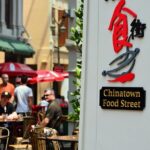
You meet at Bee Cheng Hiang (69 Pagoda Street). It’s a smart start point because it’s right in the Chinatown area and makes it easy to plug this into the rest of your day. The tour starts at 11:30 am and loops back to the same meeting point at the end, which saves you from figuring out where to be afterward.
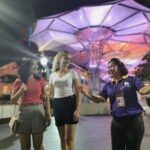
As you move, the pace stays comfortable for a walking tour. Because this is private, you’re not competing with other groups for attention at each stop. That matters in Singapore, where some attractions have tight sightlines and where hawker stalls can get busy fast.
You can also read our reviews of more food & drink experiences in Singapore
Seven Tastings That Feel Like Real Singapore Food
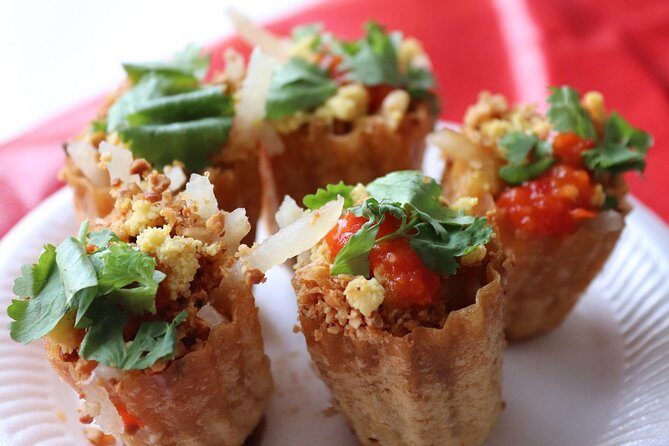
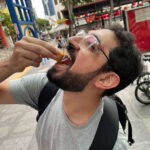
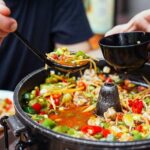
This tour is built around seven food tastings plus drinks. The list is classic, which I like—these are not “mystery bites” that feel random. They’re recognizable enough that you can taste what Singapore does well, and still leave with a few surprises.
Here’s what’s included:
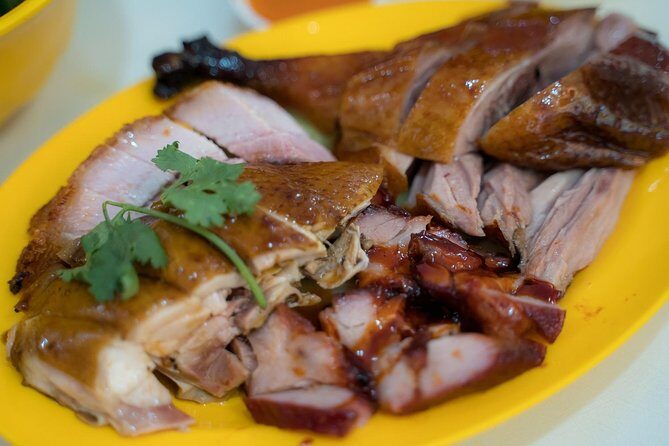
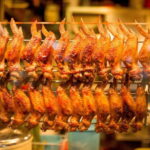
- Bak kwa (smoky, tender barbecued meat)
- Nanyang coffee with kaya butter toast
- Popiah or golden oyster cake (a crunchy snack choice)
- Hainanese chicken rice (Singapore’s icon)
- Prata or thosai cooked fresh off the griddle
- Chendol with coconut and gula melaka
- Chwee kueh topped with savory radish
- A Secret Dish (the surprise finish)
- Local beer and bottled water
What I like about this lineup is balance. You get salty and sweet, crunchy and creamy, and a mix of hawker staples. And you’re not just eating one “lane” of food—you’ll move from meat and toast into dumpling-style snacks, then into rice, griddled flatbreads, and desserts.
One practical note: snacks can change depending on availability, weather, and other circumstances. So expect small menu substitutions, but the theme stays the same—this is still built as a full tasting circuit.
Restored Shophouses: Seeing Chinatown’s Daily Life in Buildings
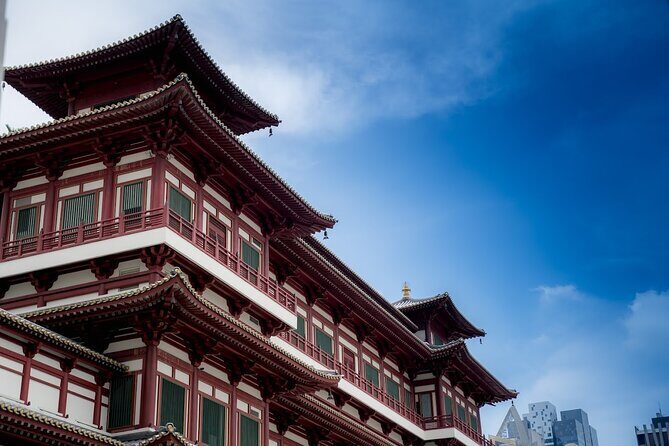
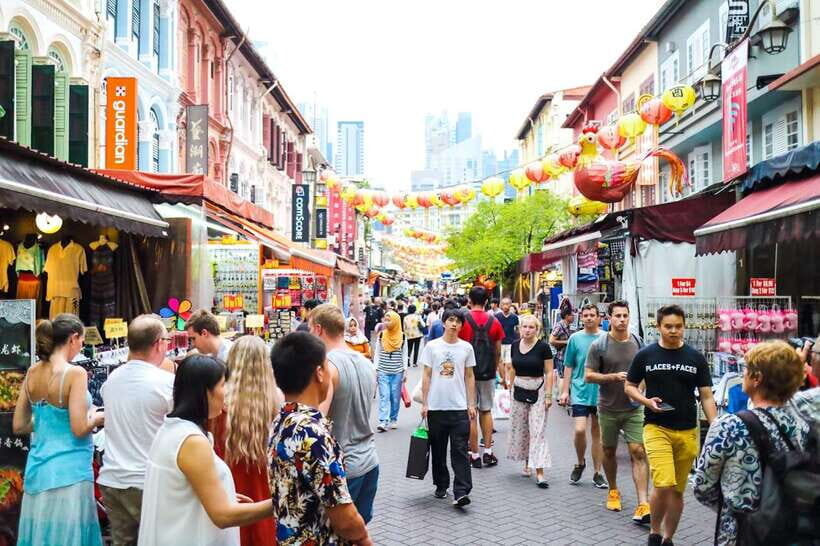
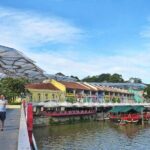
One of the first stops focuses on restored shophouses—those older street buildings that blend living space, shop frontage, and family life. This isn’t just a pretty facade stop. It gives you a sense of how early Chinatown settlers actually lived and worked: rooms above, daily commerce below, and a streetscape built for people moving in and out every day.
If you like architecture as much as food, you’ll feel the payoff here. The tour doesn’t treat buildings as background. It connects what you see—furnishings and artifacts of early settlers—to why Chinatown still looks the way it does.
The 1827 Hindu Temple Tower and Its Deity-Covered Details
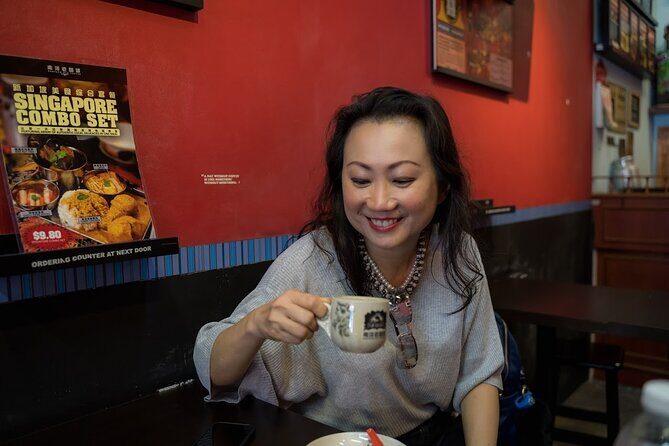
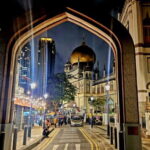
Next comes a major landmark: a Hindu temple built in 1827, known as the city’s oldest. The signature feature is the tower densely ornamented with deities. It’s the kind of sight that makes you pause, because once you start noticing the details, it’s hard to look away.
For practical travelers, this stop is useful in a simple way: it helps you understand Chinatown as a multi-community district, not just one culture. That matters because Singapore’s neighborhoods are layered—people lived, worshiped, traded, and adapted over time.
Tang-Style Temple Relics and a Rooftop Garden Reset
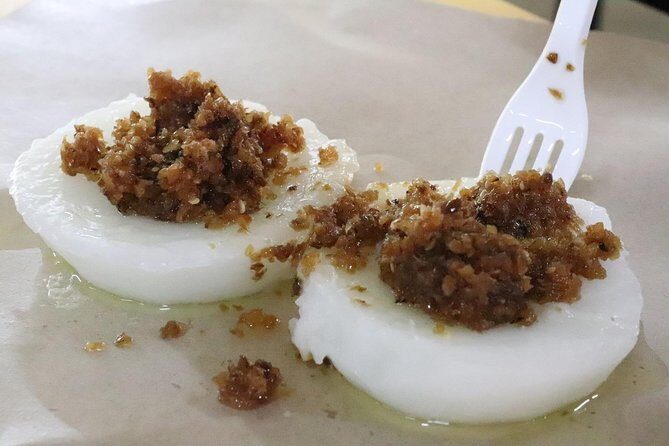
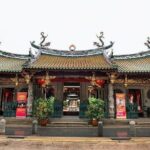
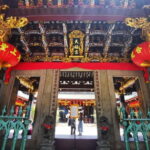
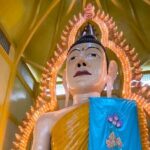
After the 1827 temple, you’ll visit a Tang dynasty–style temple that houses religious relics. The rooms are ornate, and the tone shifts toward quiet. There’s also a tranquil rooftop garden, which acts like a reset button in the middle of a food-heavy, walking-based outing.
This is a nice contrast stop. You’re not just moving from stall to stall. You get a slower moment with context, then you head back out ready to eat again.
You can also read our reviews of more tours and experiences in Singapore
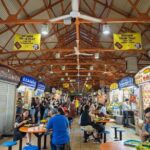
A Big Food Centre Stop Where Singapore Actually Eats
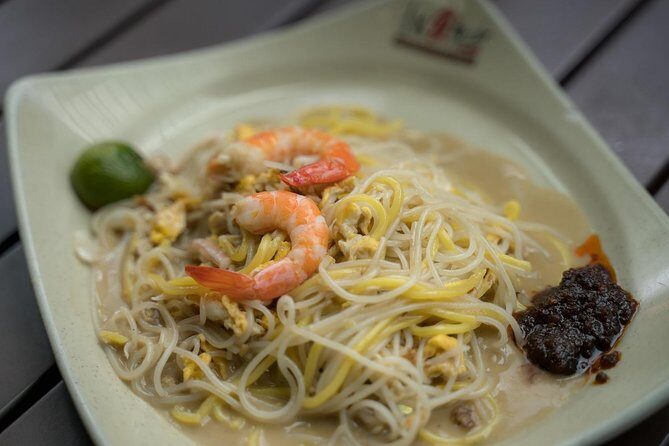
The tour includes a stop at one of Singapore’s largest food centres. This is where the experience turns from sightseeing into “this is how people eat here” mode.
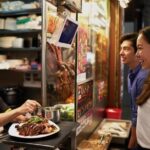
At food centres, you’ll often see the real rhythms of hawker culture: quick ordering, shared table energy, and dishes moving fast. Even if you don’t consider yourself a food expert, this is the place where you’ll feel like you’re participating rather than just observing.
This is also where the tastings start to click together—meat and toast, then chicken rice, then desserts—so by the end you can taste how Singapore balances savory punch with sweet cooling finishes like chendol.
Chinatown’s One-Way Road, a Small Hill, and Chia Ann Siang
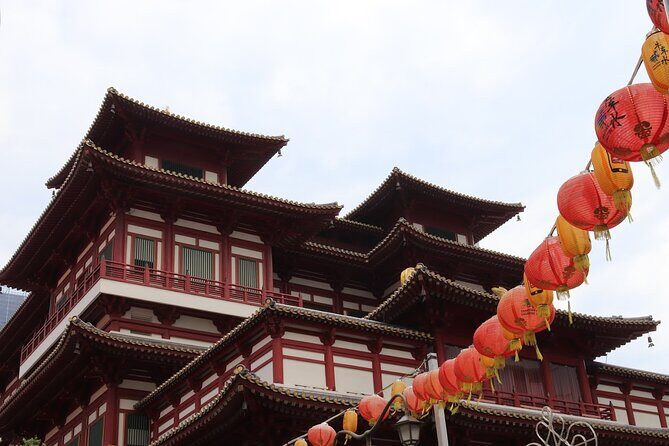
You’ll also learn about a small hill and a one-way road in Chinatown named after Chia Ann Siang, a wealthy businessman. It’s the kind of geography detail that can sound minor until you realize it affects how neighborhoods function—streets, movement patterns, and how stories stick to the map.
This stop is a reminder that Chinatown isn’t just “historic-looking.” It’s a lived-in area where people still shape the street story.
Marina Bay’s Red Dot Design Museum: A Creative Twist at the End
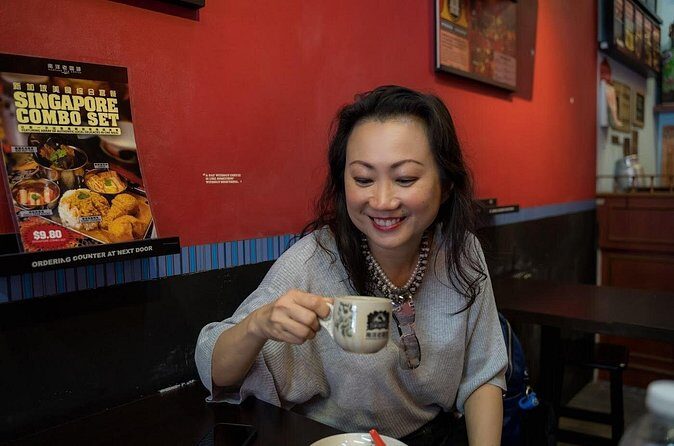
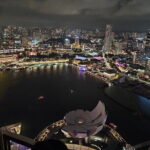
Towards the end, the tour swings to a boutique museum along the Waterfront Promenade at Marina Bay: the Red Dot Design Museum. The whole idea is tied to the international Red Dot Design Award, and the museum experience is described as the physical embodiment of that award.
This final stop works as a mental palette cleanser. After food, temples, and shophouse streets, you get a design-focused moment in a totally different part of Singapore. It’s a good way to end the tour with a Singapore-wide perspective rather than staying locked only inside Chinatown.
Price and Value: What $475 Gets You in Real Terms
At $475 per person, this isn’t the cheapest way to eat your way through Chinatown. But private tours have a different math. You’re paying for (1) a guide who’s not splitting time with strangers, (2) a curated tasting plan with multiple included dishes, and (3) a tight routing that covers both food and landmark context in one go.
In value terms, the biggest “win” is not the dollar amount of each item—it’s that the tastings are selected to give you a full Singapore snapshot. You don’t have to play food roulette, and you don’t have to hunt down which hawker dishes are worth ordering. Plus, local beer and bottled water are included, which can quietly add up on your own.
If you’re traveling with friends and you’d rather split costs than do separate casual meals, a private format can actually start to feel like a smart move.
Private Means Flexible: Guides Like Tang and Edwin Matter
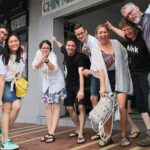
This tour is designed to be intimate and cozy, not loud and crowded. That’s not just comfort—it changes how good the experience feels. You can ask questions and get answers without feeling rushed.
Several guides have stood out in past tours:
- Mr. Tang was praised for being brilliant, highly knowledgeable, and obliging, with lots of food and history stops.
- Edwin was praised for history and culture lessons, plus a great walking pace and strong food-and-beer vibe.
- Jinette and Jeanette were both highlighted for being very informative and flexible, including walking around Chinatown and checking out murals.
You also get the practical benefit of flexible timing for a private tour, meaning your guide can adapt to what’s happening around you. That can be handy in Singapore, where heat, crowding, and stall availability can shift quickly.
What to Wear (and Why “Comfortable Shoes” Is Not a Suggestion)
The tour involves a fair amount of walking, and comfortable shoes are strongly recommended. You’ll be moving between temples, streets, market areas, and the Marina Bay side.
I also suggest wearing breathable layers. Even a good day can feel warm, and you’ll be outside for much of the time. In past experiences, heat didn’t ruin the day, but it’s still smart to plan for it.
When Food Availability Changes: How to Think About the Menu
The tour notes that the itinerary and menu can change based on location availability, weather, and other circumstances. That’s normal for street-food tours. What you should expect is consistency in the overall plan: you’ll still get a full set of tastings built around Singapore staples and sweets.
If you’re picky about something specific, reach out in advance. Dietary restrictions can be tricky here, and not all limitations can be accommodated.
Dietary Requirements: Confirm Early, Don’t Assume
Dietary requirements should be discussed before booking. The tour explicitly warns that many tours are unable to accommodate certain dietary restrictions, so you’ll want to contact them in advance to confirm what’s possible.
That’s especially important because the included items span meat dishes, coffee with kaya toast, griddle-cooked items, and desserts. Even if substitutions exist, you’ll need a clear answer on what can and can’t be swapped for your needs.
Should You Book This Private Chinatown Food Tour?
Book it if you want a structured way to experience Singapore Chinatown beyond quick sightseeing. This works best when you like food with context—shophouses, temples, and a major food centre—plus an extra Marina Bay design finish.
Consider skipping or thinking twice if you:
- Hate walking
- Have strict dietary needs that require guaranteed alternatives
- Prefer unguided “pick your own stalls” wandering instead of a set tasting plan
If you want a day where you eat several Singapore icons and still come away with a clearer sense of how the neighborhood is put together, this private format is a strong bet.
FAQ
How long is the Singapore Chinatown market private food tour?
The tour runs about 3 hours.
What time does the tour start and where do I meet?
It starts at 11:30 am at Bee Cheng Hiang (69 Pagoda Street, Singapore 059228).
Does the tour end at the same place it starts?
Yes, it ends back at the meeting point.
What’s included in the tour price?
Included are seven food tastings, local beer, and bottled water.
What if I want transportation included?
Transportation is not included.
How many food tastings do I get?
You’ll get 7 food tastings.
Is the tour private or shared with other people?
It’s a private tour/activity, so only your group participates.
Can you accommodate dietary restrictions?
The tour asks you to contact them in advance for dietary requirements. It also notes that many tours may be unable to accommodate certain dietary restrictions.
Is there a lot of walking?
Yes, it involves a fair amount of walking, so comfortable shoes are recommended.
What happens if weather is bad or you need to cancel?
The experience requires good weather. If it’s canceled due to poor weather, you’ll be offered a different date or a full refund. You can cancel for a full refund up to 24 hours in advance.