REVIEW · SINGAPORE
Learn to cook authentic Peranakan food with local market tour
Book on Viator →Operated by Low Salt Low Sugar · Bookable on Viator
Spices plus stories in Chinatown. This Peranakan cooking class pairs a local market run with hands-on cooking, so you’re not just tasting Singapore—you’re learning where the flavors start. You’ll make two dishes from scratch, then sit down for a homey lunch you can actually enjoy right after.
I especially love that it’s built around assam fishhead and ayam pongteh, not a generic cooking demo. And chef Wei Qiang comes across as warm and hands-on, making sure you know what you’re doing while also sharing why Peranakan food works the way it does. The printed recipes to take home are a practical bonus.
The main drawback to consider is that the workshop requires at least two people to start, so if you’re booking solo, you may want to double-check timing and start-day certainty. Also, because the class includes a market component and you’re working to specific start times, you’ll want to confirm the exact details ahead of your session.
In This Review
- Key points before you go
- Peranakan cooking in Chinatown: how this 6-hour class works
- Meeting up at Chinatown MRT (DT19) and planning your morning
- Market tour in local heartland: buying ingredients that shape the dishes
- Assam fishhead from scratch: sour-spicy comfort you can recreate
- Ayam pongteh: learning the role of fermented soybean
- Lunch and printed recipes: the part you’ll actually use again
- Price and value: what you really get for $168.16
- What to expect from chef Wei Qiang and the vibe of the class
- Who this class suits best (and who might not love it)
- Should you book this Peranakan cooking tour?
- FAQ
- What dishes will I learn to cook?
- Do I need to bring ingredients or equipment?
- Is this class private?
- Is there a market tour before cooking?
- Where do I meet, and where does it end?
- How long is the experience?
- What time does the class run?
- When will I get confirmation after booking?
- Does the workshop require a certain group size?
- Can I cancel for a full refund?
Key points before you go
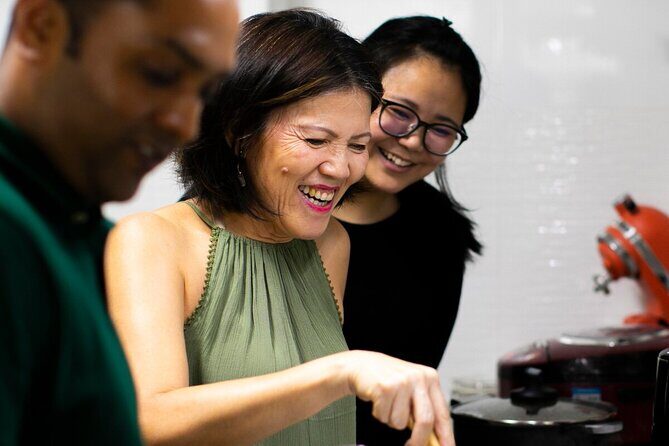
- Private-chef format with small group size (maximum 6 travelers), so it feels personal instead of crowded
- Chinatown MRT start point (DT19), making it easy to line up with your day
- Market tour included so you source the exact ingredients for the two dishes
- Two Peranakan dishes from scratch with printed recipes to take home
- Hands-on cooking all session with lunch included at the end
Peranakan cooking in Chinatown: how this 6-hour class works
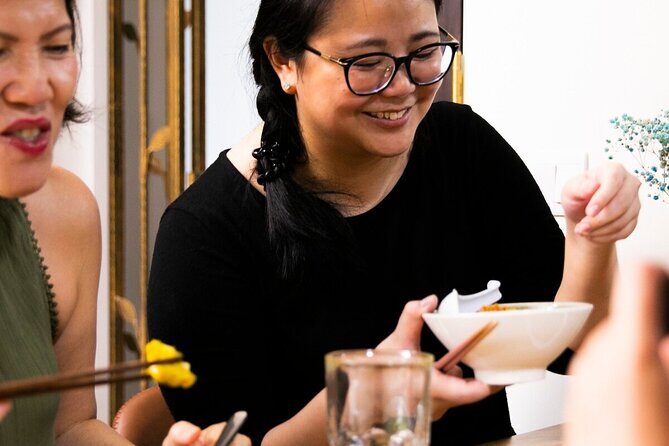
This is a morning-focused six-hour experience in Singapore, centered on Peranakan cuisine—a food tradition that brings Chinese cooking techniques together with Malaysian and Indonesian spices. That mix matters because it explains the flavors you’ll taste: bold, spicy, aromatic, and built around herbs, spices, and punchy seasoning.
You’ll cook with a private chef and then eat what you make. The class is small (up to 6 travelers), so you’ll get more attention than in larger group workshops, and you’re more likely to actually get your hands moving through the steps. The experience also includes a market tour where you purchase ingredients used in your workshop, which helps the whole thing feel grounded in everyday local shopping rather than a staged set-up.
One more detail that I appreciate: class times are flexible. That means you can usually fit it into a sightseeing schedule, rather than trying to build the rest of the day around a single fixed slot.
You can also read our reviews of more food & drink experiences in Singapore

Meeting up at Chinatown MRT (DT19) and planning your morning
You start at Chinatown MRT Station (DT19), at 91 Upper Cross St, Singapore 058362, and the activity ends back at the meeting point. That round-trip design is useful: you’re not stuck transferring back and forth after you eat. It also makes last-mile logistics simple.
You’ll find the operating window listed as 7:00 AM to 1:00 PM. Translation: plan to treat this as a morning activity, not a late lunch plan. If you like to keep afternoons flexible, this works well because you finish the class and lunch relatively early.
Since the workshop includes market shopping, arrive on time. Not because anyone will yell—just because it’s harder to get in gear when you’re rushing. For your sanity, I’d also take a quick screenshot of your mobile ticket before you leave your hotel.
Market tour in local heartland: buying ingredients that shape the dishes
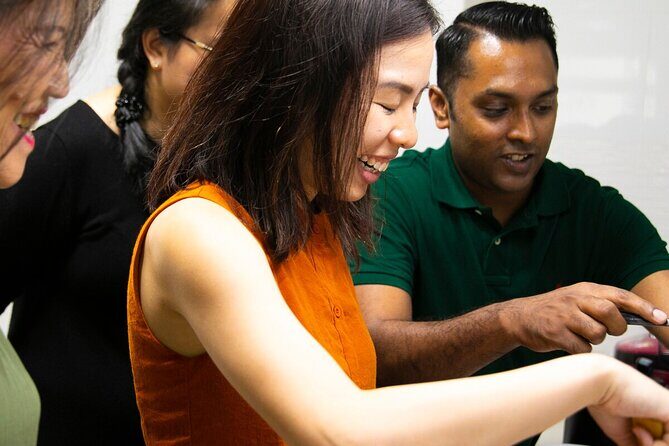
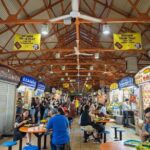
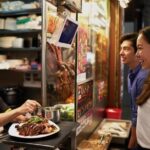
Before you cook, you join the chef for a local market trip to pick up all the ingredients needed for the workshop. This is one of the best parts for me, because it turns Peranakan food from an idea into a shopping list you can understand.
You’re specifically doing this with the goal of using what you buy for your dishes right afterward. That means you’re not just walking around looking at spices. You’re learning what matters in the flavor building blocks of Peranakan cooking—herbs, spices, and key ingredients that make these dishes taste the way they do.
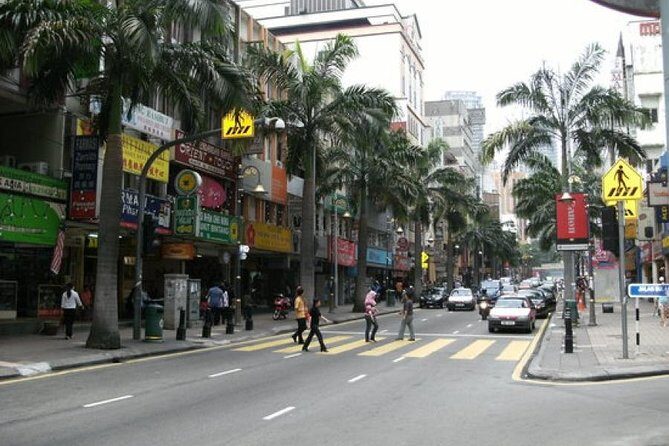
Also, the experience is aimed at giving you a look at everyday local life in the neighborhood around Chinatown—rather than forcing you into the usual tourist loop. If you’re the kind of traveler who likes seeing how people actually shop and cook, you’ll get a lot more out of this market component than you would from a class that only hands you pre-measured ingredients.
Assam fishhead from scratch: sour-spicy comfort you can recreate
Your first full cooking target is assam fishhead. Even if you’ve had something similar before, the point here is starting from scratch and following the process with a chef guiding you step by step.
Assam-based flavor is usually all about the balance of sour and spice, and that balance is exactly where the Peranakan style shows up. In this class, you’ll learn about the herbs and spices that sit at the center of Peranakan cuisine, and you’ll see how they work together rather than staying as separate ingredients. That matters if you’re trying to cook at home later, because you want to understand the logic, not only the steps.
What you’ll likely notice during the process is how the dish’s flavor builds through seasoning choices. You’re not just adding heat—you’re developing depth. And because chef Wei Qiang is described as welcoming and attentive, it’s the kind of class where you can ask what you’re looking for as you cook, not just watch the chef do it.
Practical tip: if you’re taking notes, focus on the order of steps and what signals the chef is watching for. You may not remember every ingredient name later, but you’ll remember what the dish looked and smelled like at each stage.
Ayam pongteh: learning the role of fermented soybean
Your second dish is ayam pongteh, a chicken stew that includes fermented soybean. This is the dish category that turns a cooking class into a real flavor education.
Fermented soybean is not a subtle ingredient, and Peranakan cooks use it for a reason: it adds a savory depth that helps the stew taste richer and more complex than a basic chicken stew would. The class format—hands-on cooking with a private chef—means you should get a clear explanation of what it does and how it fits into the overall seasoning.
You’ll also be cooking another dish with the same theme: Chinese cooking influence meets Malaysian/Indonesian spice direction. In other words, you’re not learning one-off techniques. You’re learning how a Peranakan kitchen thinks.
If you enjoy learning why a dish tastes the way it does, this is the moment that usually clicks. And in the class experience described by past participants, the chef also shared history and context around Peranakan cooking. That background helps you remember what you made and why it works, especially when you’re staring at your leftover stew jar a week later.
You can also read our reviews of more tours and experiences in Singapore

Lunch and printed recipes: the part you’ll actually use again
At the end, you’ll have a homey lunch with the dishes you prepared. This is where the experience becomes less theoretical. You’ve handled the ingredients, cooked the dishes, and now you get to taste the results while your learning is still fresh.
You’ll also receive printed recipes to take home. This is a big value point for cooking classes. Recipes let you recreate the dishes later without trying to rely on memory or photos alone. And because you’re making exactly two dishes, you’re not overwhelmed by a dozen different recipes you’ll never cook again.
One more thing I like: the class is designed so you can take photos and share the experience. That’s not just for social media. It also gives you a simple record of what you made, so if you want to cook again, you know which dish you’re aiming for.
Price and value: what you really get for $168.16
At $168.16 per person for about 6 hours, this class prices itself like a high-touch experience: private chef attention, market shopping included, ingredients and cooking equipment provided, and lunch at the end.
Here’s how I’d judge value:
- You’re paying for process, not just the end meal. Market shopping means someone is taking time to help you choose ingredients that match the dishes.
- You’re paying for two complete dishes made from scratch, not a short demonstration.
- You’re paying for chef-guided hands-on cooking, which is where the real skill transfer happens.
Compared to classes that either (a) skip the market or (b) turn the meal into a quick tasting, you’re getting a full learning cycle: shop, cook, eat, and take printed recipes home.
If you’re a couple or two friends, this also has the advantage that the workshop requires at least two people to start. So if you can split the cost, the class can feel more like a shared “Singapore cooking morning” than an individual splurge.
What to expect from chef Wei Qiang and the vibe of the class
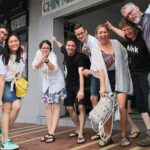
The experience is centered on the private chef, and past participants highlight Wei Qiang as welcoming and a strong teacher. The key word in those comments is that he makes sure you know what you’re doing, not just that you stand nearby while food happens.
People also mention that he explained the history behind Peranakan cooking. I like this approach because it keeps the class from becoming only technical. When you understand the story of why these flavors belong together, you cook with better context.
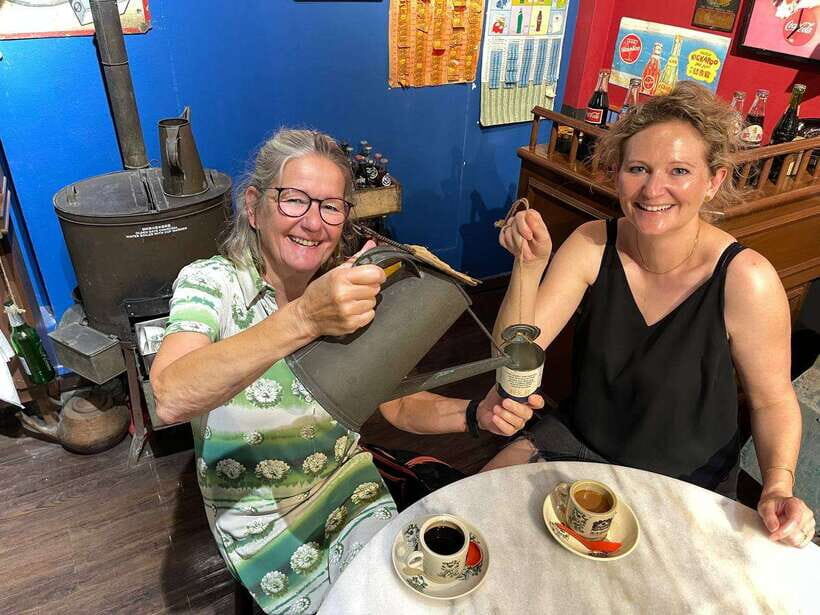
There’s also a small touch mentioned: a welcoming drink. It’s not the headline, but it makes the experience feel cared for from the start.
Who this class suits best (and who might not love it)
This works best for you if:
- you want a hands-on cooking session and don’t just want to watch
- you like Asian flavors, especially dishes with sour-spicy depth and savory depth
- you enjoy markets as part of the travel experience
- you’d rather learn two dishes thoroughly than sample many dishes quickly
You might skip it if:
- you want a purely sightseeing day with minimal cooking time
- you’re booking solo and can’t easily pair up, since the workshop requires at least two people to start
- you hate early starts, because the listed operating window runs from 7:00 AM to 1:00 PM
Should you book this Peranakan cooking tour?
I’d book it if you’re excited by the idea of making assam fishhead and ayam pongteh yourself, and you want the “why” behind Peranakan flavors as much as the “how.” The combination of a local market run, a small group setting, and printed recipes makes it a solid value for people who plan to cook again later.
My one caution is practical: confirm your exact start time and meeting details before the day of cooking. One past experience described confusion around the day/time and missing address details after a schedule change, so it’s worth double-checking the full info you’ll need to show up smoothly.
If you can handle a morning schedule and you’re open to learning through doing, this is the kind of Singapore experience that gives you both a memorable lunch and real cooking skills you can carry home.
FAQ
What dishes will I learn to cook?
You’ll cook two dishes: assam fishhead and ayam pongteh (a chicken stew that includes fermented soybean). You’ll prepare them from scratch and eat them at the end of the workshop.
Do I need to bring ingredients or equipment?
No. The experience includes all ingredients and cooking equipment, plus an apron and printed recipes you can take home.
Is this class private?
It’s a private Peranakan cooking class with a private chef, with a maximum group size of 6 travelers.
Is there a market tour before cooking?
Yes. You’ll join the chef for a local market tour to purchase all ingredients needed for the workshop, especially helpful for understanding what goes into Peranakan dishes.
Where do I meet, and where does it end?
You meet at Chinatown MRT Station (DT19), 91 Upper Cross St, Singapore 058362, and the activity ends back at the meeting point.
How long is the experience?
The duration is about 6 hours.
What time does the class run?
The listed opening hours are 7:00 AM to 1:00 PM, so your session will fall within that window.
When will I get confirmation after booking?
Confirmation is received within 48 hours of booking, subject to availability.
Does the workshop require a certain group size?
Yes. The workshop requires at least 2 people to start.
Can I cancel for a full refund?
Yes. There is free cancellation. You must cancel at least 24 hours before the experience’s start time for a full refund.