REVIEW · SINGAPORE
Singapore Market to Table Culinary Experience (Wet Market Tour included)
Book on Viator →Operated by Lets Go Tour Singapore Pte Ltd · Bookable on Viator
A wet market morning turns Singapore food into a lesson.
This small-group market-to-table cooking experience pairs ingredient shopping with an on-the-stove class, plus breakfast at a local coffee shop where you practice ordering coffee like a local. Hosts are licensed guides and local chefs, and you’ll hear how Singapore’s multi-racial food culture shaped what ends up on plates.
I like two things most: the hands-on cooking (step-by-step, not just watching) and the wet market context that makes the dishes make sense. Chefs such as Denise, Colin, and Vivian are cited for strong teaching and lots of stories about Singapore food and daily life.
One consideration: the market part can feel uneven depending on what vendors are open that day, and a couple of practical notes show up in feedback—like requests for recipe handouts and more water during the session. If you’re picky about hygiene details at the start location, it’s worth knowing that at least one person flagged the meeting-area conditions.
In This Review
- Key highlights worth your morning
- Market-to-table in Singapore: why starting at a wet market works
- Crawford Lane check-in and what to expect from a 9:00am start
- The wet market tour: ingredients, neighborhoods, and food culture cues
- Coffee shop breakfast: ordering your drink like a local
- Cooking class in action: Hainanese chicken rice, Ngoh Hiang, and desserts
- Small-group size (max 10): more attention while you chop and stir
- Price and value: what $112.33 really buys you
- Who should book this (and who might skip it)
- Should you book the Singapore market-to-table cooking class?
- FAQ
- How long is the Singapore Market to Table culinary experience?
- What’s included in the price?
- Where does the tour start?
- How big is the group?
- Do I need transportation from my hotel?
- Can I get a full refund if I cancel?
Key highlights worth your morning
- Wet market + chef-led ingredient picking so you understand what you’re cooking and why
- Breakfast included at a local coffee shop, with practice ordering a cup of Singapore-style coffee
- Small group capped at 10 for real attention while you cook
- Multiple local dishes from scratch (commonly including Hainanese chicken rice and fried rolls)
- Bottled water and all cooking supplies provided so you show up ready to work
- Strong instructor reputation with examples like Chef Denise, Chef Colin, and Chef Vivian
Market-to-table in Singapore: why starting at a wet market works
If you want to understand Singaporean food, start where the ingredients are bought, not where the menus are printed. A wet market visit gives you fast, practical context: you see the range of produce and proteins, learn what to look for, and connect flavors to real choices.
What I especially like here is that it’s not just shopping. You also get the story of Singapore’s multi-racial food culture—how different communities influenced ingredients and techniques. That matters because many Singapore favorites are really “blends of influences,” not one-note comfort food.
And then the payoff is immediate. You don’t wander around and hope the cooking class matches your expectations—you buy ingredients, eat breakfast, and then cook from scratch with a chef guiding your hands.
You can also read our reviews of more shopping tours in Singapore

Crawford Lane check-in and what to expect from a 9:00am start
The experience starts at Let’s Go Cook Singapore in Crawford Ln, Block 462 (Singapore 190462) at 9:00am, and it ends back at the meeting point. You’ll typically want to arrive a few minutes early because you’re meeting in the morning, then heading straight into the wet market and kitchen flow.
The class is limited to 10 travelers, so it doesn’t run like a big factory tour. That size is part of the value: you get more chances to ask questions while you cook, and you’re less likely to get stuck standing on the sidelines.
Time-wise, the official duration is listed as about 3 hours, but plan for a little extra slack. People have reported it running closer to 3.5 hours, so don’t schedule anything tight right after.
The wet market tour: ingredients, neighborhoods, and food culture cues
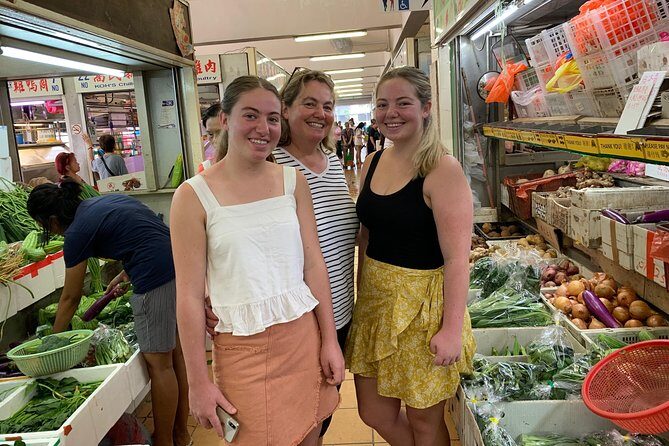
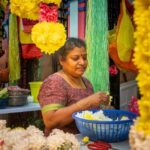
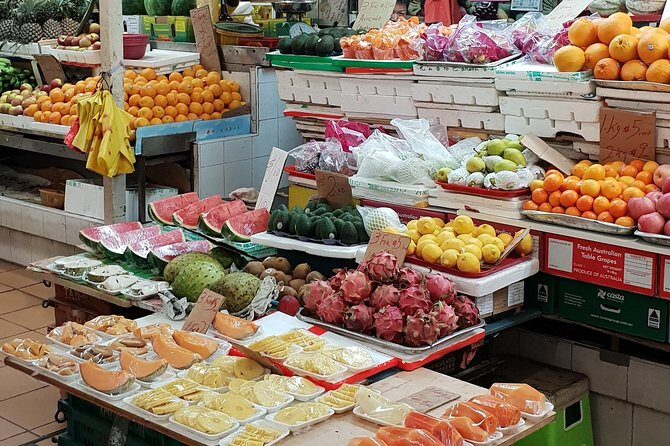
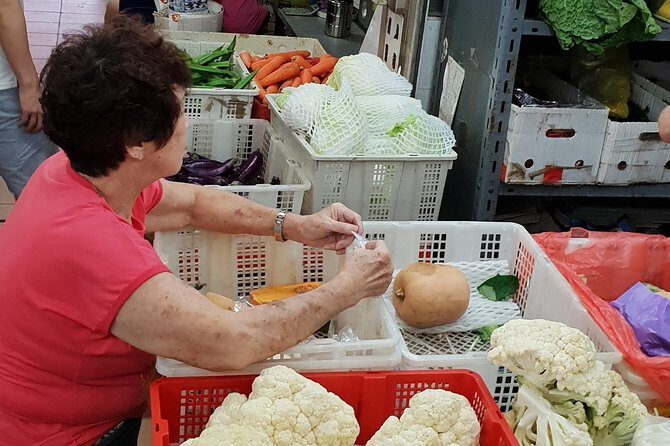
This is the part that turns your cooking from guesswork into decision-making. You’ll walk through a local wet market with a licensed tour guide and learn how Singaporeans think about food ingredients—what’s fresh, what to choose, and how ingredient quality affects the final dish.
This is also where the “culture melting pot” theme becomes concrete. You’ll hear how Singapore’s multi-racial communities shaped food habits and ingredient preferences. Even if your cooking skills are basic, you’ll come away with a clearer sense of why certain textures, aromatics, and cooking methods show up again and again.
What to watch for: one piece of feedback described the market portion as underwhelming on a specific day because some vendors weren’t open. Wet markets are real places with real routines, so if your personal goal is maximum “shopping chaos,” keep expectations flexible. The upside is that even a quieter market visit still teaches you the ingredient logic that chefs build on in the kitchen.
Coffee shop breakfast: ordering your drink like a local
After the market, you’ll head to a local coffee shop for breakfast. This isn’t just included food; it’s a mini skill session. You’ll learn how to order a local cup of coffee tailored to your taste, and you’ll practice the process with guidance.
Why this matters: Singapore coffee culture has a rhythm—simple ordering habits, the idea that preferences get communicated clearly, and the expectation that your drink should suit you rather than the other way around. Even if you don’t become a coffee expert in one morning, you’ll leave with a confidence boost for ordering without freezing at the counter.
Breakfast timing is also practical. You won’t arrive at the cooking class starving, which makes it easier to focus when you’re chopping, stirring, and learning techniques.
A small note to consider: bottled water is included, but at least one comment mentioned wishing for more water during the longer stretch. If you tend to get thirsty while cooking, bring your own bottle next time too (even though bottled water is part of what’s included).
Cooking class in action: Hainanese chicken rice, Ngoh Hiang, and desserts
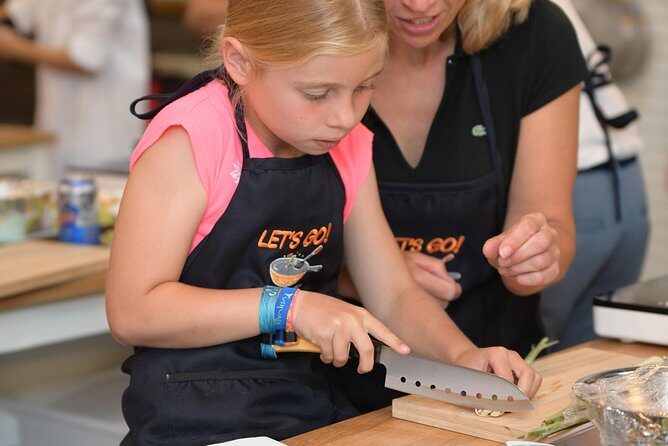
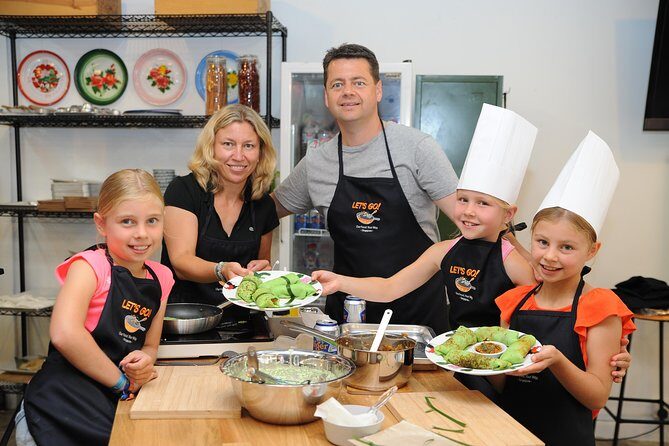
This is where the experience earns its keep. You’ll cook several local dishes from scratch with a local chef, using guided techniques and hands-on instruction. The class is designed so you don’t just watch; you do the steps.
From examples shared by past participants, you may cook dishes like:
- Hainanese chicken rice
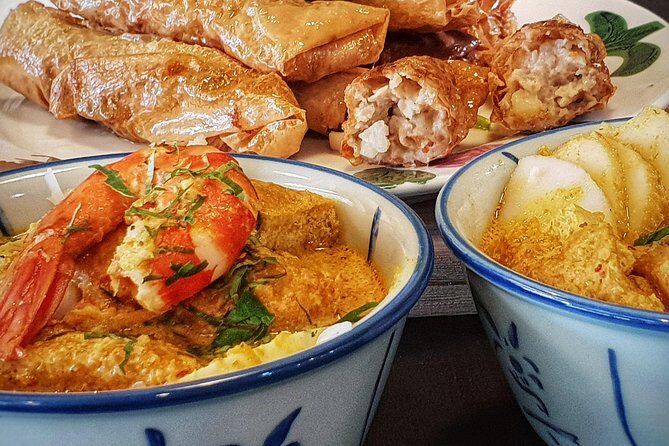
- Ngoh Hiang (fried chicken rolls)
- Kueh Dadar (a dessert)
- Sometimes other items such as shrimp rolls, depending on the day
What you’re really learning is method. Chefs are praised for step-by-step guidance and for explaining why certain techniques work—like how to manage the cooking flow so the dish stays balanced, not rushed or under-seasoned.
If you’re traveling with a teen or someone who enjoys cooking, this part tends to click fast. One parent described cooking with a 13-year-old as a great fit because the session goes hands-on and then you actually eat what you make.
Possible drawback: recipe sharing isn’t guaranteed in every session. Some participants asked for recipes or didn’t receive handouts. If you want a written reference, take photos of your notes while you cook, and ask the chef directly if there’s a way to get the recipes at the end.
You can also read our reviews of more tours and experiences in Singapore

Small-group size (max 10): more attention while you chop and stir
A group of 10 might sound small, but in practice it changes the whole experience. With a lower headcount, chefs can correct technique while you’re doing it—like adjusting how you fold, season, or time a step. You also get more chances to talk about ingredient choices from the market, so the morning ties together instead of feeling like separate activities.
This also helps with confidence. If you’re a first-timer, you’re not competing for attention or waiting in a line while others get coached.
And because the instruction is practical, it’s a good fit for mixed skill levels. People mentioned that even beginners had strong results, largely because the teaching breaks steps down clearly and keeps you moving forward.
Price and value: what $112.33 really buys you
At $112.33 per person, this isn’t a bargain-basement activity. But you’re paying for a full value stack:
- Wet market tour with a licensed guide
- Breakfast at a local coffee shop, including coffee ordering guidance
- Hands-on cooking class led by an experienced local chef
- All ingredients and equipment needed for cooking
- Bottled water during the experience
So instead of paying separately for a market guide, a food lesson, and a cooking class, you get them packaged into one morning with a tight flow. That packaging matters because you’re not just learning facts—you’re learning, doing, and eating in the same session.
Where value can wobble is if your expectations are too rigid about the exact dishes. Some feedback mentioned that the final menu felt different from what was expected on a specific booking day. The cooking skills and market-to-stove logic are the core value, so if you’re open to day-to-day variation, you’ll likely feel like your money is well spent.
Who should book this (and who might skip it)
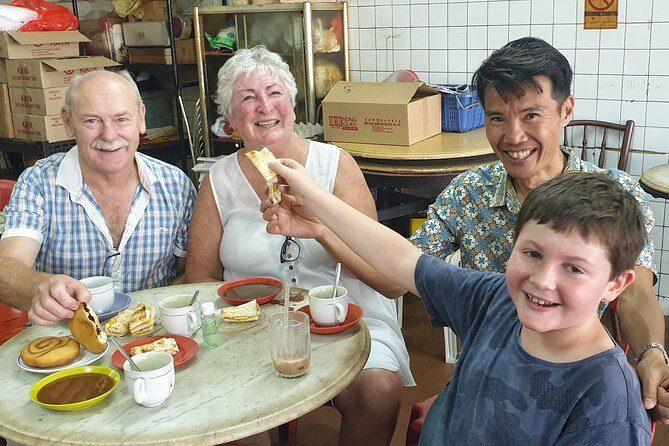
This works especially well if you:
- Want a Singapore food experience that goes past hawker photo-taking
- Like learning by doing, not just listening
- Travel with kids or teens who enjoy interactive activities
- Appreciate cultural context explained through ingredients and technique
- Prefer small groups where you can ask questions while cooking
You might consider a different option if you:
- Need a fixed set of dishes every time (menus can vary)
- Have very specific dietary needs and want strong accommodations beyond the standard menu (only general cooking is specified in the details provided here)
- Are extremely sensitive to the start location environment, since at least one piece of feedback flagged issues like clutter and poor toilet facilities
Should you book the Singapore market-to-table cooking class?
If your goal is a morning that teaches you how Singaporean flavors are built—from market ingredient choices to coffee-shop ordering habits to actual hands-on cooking—then yes, it’s a strong bet. The biggest strengths are the chef-guided instruction and the way the wet market visit explains the “why,” not just the “what.”
Book it if you want your Singapore food day to feel practical and learnable. Skip it only if you’re uncomfortable with some day-to-day variation in what you cook or if you need guaranteed recipe handouts.
If you do book, go in with two tactics: arrive hungry (breakfast is included) and take a few photos of what you’re doing and tasting. Even if the dishes change slightly, the technique lessons are the part you’ll actually use again at home.
FAQ
How long is the Singapore Market to Table culinary experience?
It’s listed as about 3 hours, and you should plan for it to possibly run around 3.5 hours.
What’s included in the price?
The experience includes a wet market tour with a licensed guide, breakfast at a local coffee shop, a hands-on cooking class with an experienced local chef, bottled water, and all ingredients and cooking equipment.
Where does the tour start?
It starts at Let’s Go Cook Singapore, Crawford Ln, #01-57 Block 462, Singapore 190462, with sessions starting at 9:00am.
How big is the group?
The class is limited to a maximum of 10 travelers.
Do I need transportation from my hotel?
Transportation to and from the meeting point is not included, so you’ll need to get yourself to the start location.
Can I get a full refund if I cancel?
Yes. You can cancel up to 24 hours in advance of the experience start time for a full refund.