REVIEW · SINGAPORE
Chinatown Heritage and Local Street Food Small Group Tour
Book on Viator →Operated by Looppee Tour · Bookable on Viator
Chinatown tastes better with a guide. You’ll pair major heritage sights with a focused lineup of hawker favorites, finishing at Maxwell Food Centre for 7 to 8 local tastings.
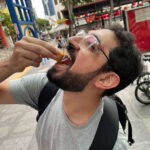
I love how guides like Jason make Singapore feel personal, not like a checklist. I also like the hands-on food approach, where you’re not just watching—you’re sampling as you go.
One heads-up: it’s a walking tour with stops that call for respectful behavior in temples, so come prepared for a moderate pace.
In This Review
- Key things I’d watch for before you go
- Why this Chinatown street-food tour works in about 2.5 hours
- Starting at Maxwell Stn Exit 2: your game plan from the first minute
- Buddha Tooth Relic Temple and Museum: a stop with real purpose
- Chinatown’s big hawker complex: where local routines meet your appetite
- Sago Street (Street of the Dead): quick history that adds flavor
- Sri Mariamman Temple and Jamae Mosque: faith landmarks you can spot on the walk
- Strolling historic Chinatown: shophouses, traditional shops, and real atmosphere
- Maxwell Food Centre tastings: where the tour earns its name
- Guide style matters: Jason and Carol bring the neighborhood to life
- Food, queues, and comfort: how to enjoy Maxwell without rushing
- Price and value: is $52.31 fair for 7 to 8 tastings?
- Who this tour suits best
- Should you book this Chinatown Heritage and Local Street Food Small Group Tour?
- FAQ
- How long is the Chinatown heritage and street food tour?
- How much does the tour cost?
- What group size should I expect?
- Where does the tour start and end?
- What’s included in the tour price?
- Is transport included in the price?
- What attractions does the tour cover?
- Do I get a mobile ticket?
- Is admission included for the temple and complex stops?
- Is this tour refundable if I need to cancel?
Key things I’d watch for before you go
- Maxwell Food Centre is the payoff: most of your real eating time happens there.
- Small group, max 10: you get more conversation and fewer bottlenecks.
- Heritage shows up in food choices: temples, shop-houses, and hawker life connect on the same walk.
- Time for popular queues: one standout is lining up for Tian Tian-style chicken and rice.
- Allergy-friendly handling is possible: Jason has tailored the tasting for a family member with allergies.
- Easy meet-up: start at Maxwell Stn Exit 2 and you return there.
Why this Chinatown street-food tour works in about 2.5 hours
This is the kind of tour that fits well on a first day in Singapore. In a short window (about 2 hours 30 minutes), you get both the landmarks and the food, without it turning into a long commute day.
The value is simple: for a set price (about $52.31 per person), you’re buying a guided walk plus a planned tasting sequence. That reduces the guesswork of where to eat, what to order, and how to navigate the hawker crowds.
You can also read our reviews of more food & drink experiences in Singapore


Starting at Maxwell Stn Exit 2: your game plan from the first minute
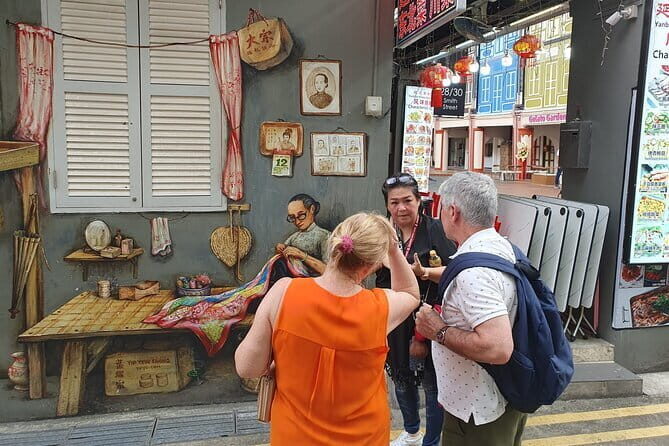
You’ll meet at Maxwell Stn Exit 2 and the tour ends back at the same spot. That matters because you don’t need to figure out how to get yourself across Chinatown after you’re done eating.
Since the group is small (up to 10), you’re less likely to get stuck behind a huge crowd. Still, Chinatown is crowded enough on its own, so I’d treat this as a walking experience. Comfortable shoes aren’t optional; you’ll be on your feet a fair bit.
Buddha Tooth Relic Temple and Museum: a stop with real purpose
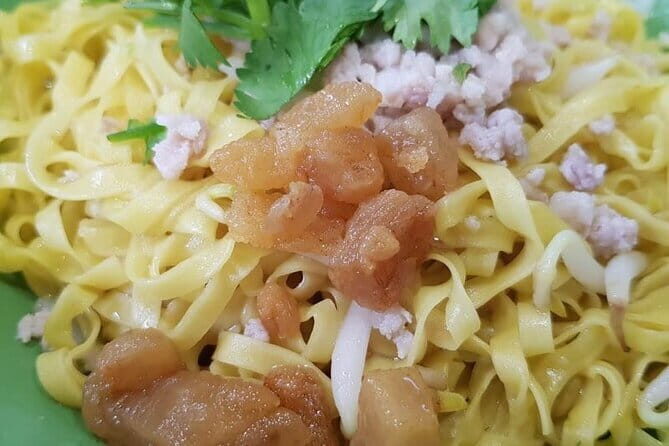
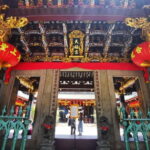
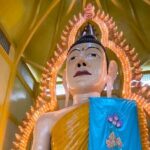
The tour begins at the Buddha Tooth Relic Temple and Museum, a major Buddhist landmark in Chinatown. The plan includes free admission, which is a nice bonus because it lets you spend your money on food, not entrances.
What I like about starting here is that it sets context. You’re not just eating snacks—you’re learning how faith and daily street life overlap in this part of Singapore. Even if you’re not a museum person, this is a strong orientation point before you move into market streets and hawker centers.
Chinatown’s big hawker complex: where local routines meet your appetite
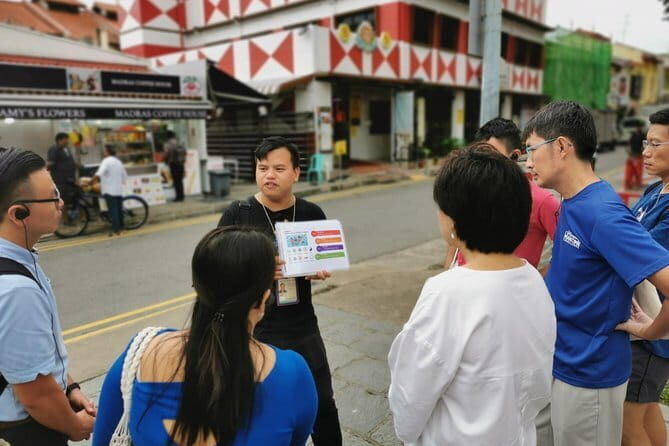
From there, you’ll head through Chinatown Complex, one of the area’s well-known hawker hubs. The schedule lists free admission for this stop, so you can focus on eating rather than scanning for ticket rules.
This is also where you start to understand the pace of hawker life. These food centers aren’t museums. People come, order, eat fast, and move on. A guided tour helps you see what to look for and how to order without standing there wondering if you’re doing it wrong.
Sago Street (Street of the Dead): quick history that adds flavor
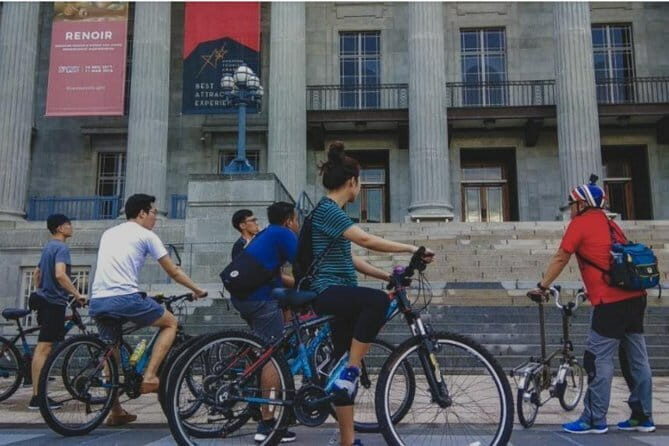
Next comes Sago Street, known as the Street of the Dead because of its older commercial and burial history. You won’t spend a lot of time here, but the quick cultural framing helps you read the neighborhood as more than a backdrop for lunch.
I like short heritage stops like this on a food tour. They keep the walk interesting without draining your hunger. If you’re the type who likes stories (and good stories), this kind of stop is a nice match.
You can also read our reviews of more tours and experiences in Singapore


Sri Mariamman Temple and Jamae Mosque: faith landmarks you can spot on the walk
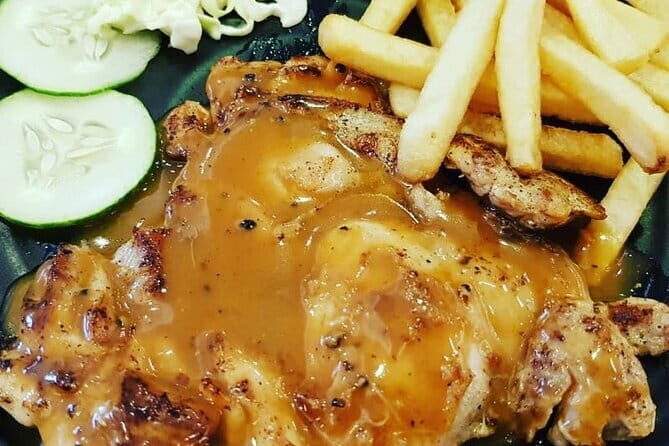
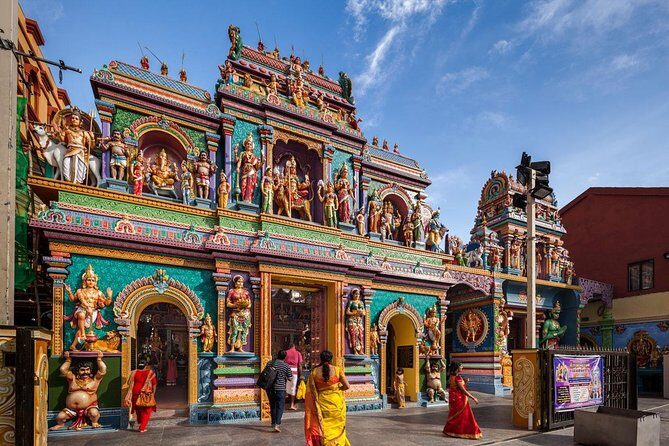
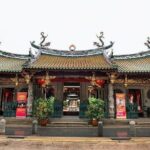
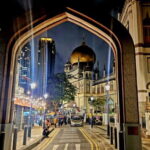
Two of the most meaningful parts of this tour are the stops at Sri Mariamman Temple and Jamae Mosque (also called Jamae Chulia Mosque). Both are located in the Chinatown area and are among the older religious landmarks there.
These stops work well because they show Singapore’s mix of communities in a very walkable space. You’ll see how different faith traditions coexist in daily city life, and it makes the food choices feel more grounded. It’s not just plates and sauces—it’s people and culture.
Practical tip: plan for calm, respectful behavior while you’re near religious sites. You might also want to keep your voice down during temple moments so you don’t feel like you’re rushing through someone else’s worship space.
Strolling historic Chinatown: shophouses, traditional shops, and real atmosphere
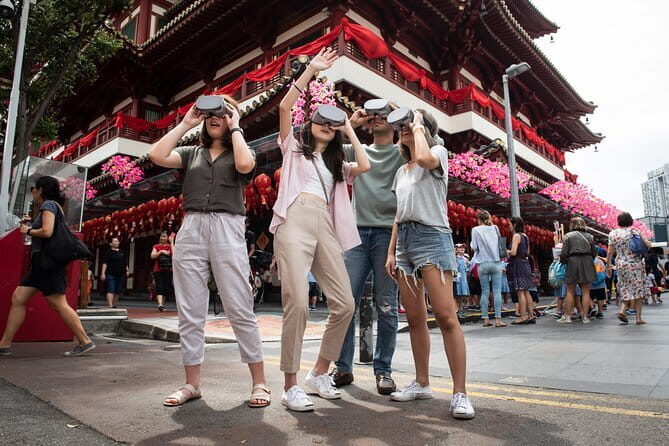
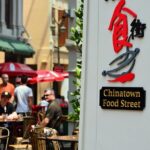
Between the major temple moments, you’ll spend time with a relaxed walk through historic Chinatown. This part is less about a single photo and more about getting your bearings—shophouses, small traditional shops, and street details that help you understand why Chinatown’s layout makes sense.
This is also where you learn how to move like a local. Hawker life depends on flow: where people line up, how stalls handle orders, and how crowds shift through the day. Even if you’re not buying anything in this section, the guided pacing helps.
Maxwell Food Centre tastings: where the tour earns its name
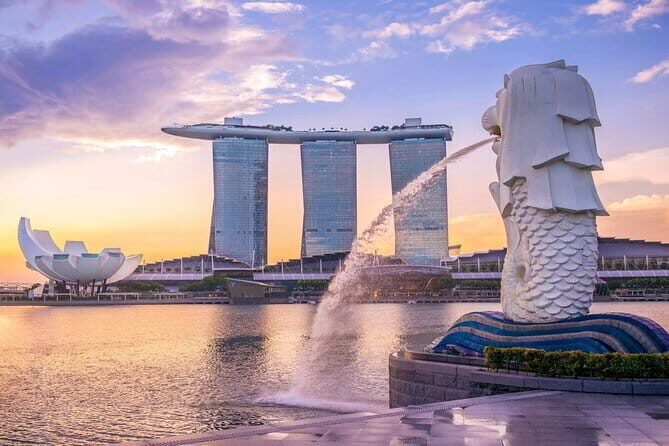
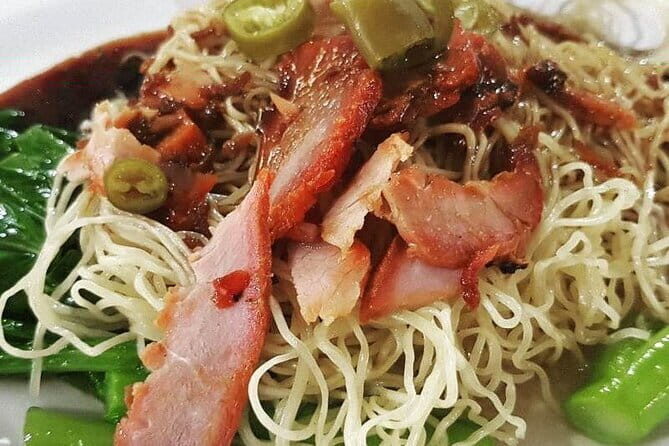
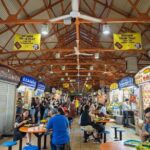
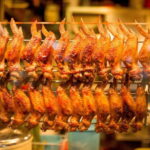
Most of your eating payoff happens at Maxwell Food Centre, one of the best-known hawker centers in Chinatown. The description aims for variety—think classic items like chicken rice, spicy laksa, and traditional cakes.
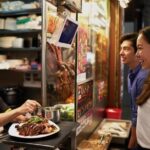
In practice, the tasting format often feels like a guided meal. One example lineup includes things like a chicken-and-rice set (including time spent queuing for Tian Tian-style chicken and rice), plus sweet bites such as cake and tea. Some groups also end with extra touches like durian or a kaya breakfast finish.
Here’s the key: you’re tasting enough that you get a real feel for the range of Singapore flavors. And because it’s structured, you avoid the common problem of ordering one dish and realizing later you missed the better options.
Guide style matters: Jason and Carol bring the neighborhood to life
A big reason this tour gets a 5-star average is the guide experience. Guides like Jason (and in some cases Carol) are known for history that stays relevant to what you’re eating.
One detail I really appreciate from the guide approach: they connect dishes to place. Instead of listing facts, they explain why certain foods show up here and what they mean in everyday Singapore life.
And yes, they can handle real needs. For example, Jason has adapted the tasting plan for a daughter with allergies. If that’s your situation, tell the guide at the start so they can plan safely and avoid scrambling once you’re in line.
Food, queues, and comfort: how to enjoy Maxwell without rushing
Hawker centers are popular for a reason, but that popularity creates lines. One highlight is the famous chicken rice stall area at Maxwell, where your group may wait in line as part of the experience.
That’s not a downside if you mentally prepare for it. This tour gives you a social rhythm: you’re not hunting menus alone while the clock ticks. But you should plan to slow down, pay attention to ordering cues, and enjoy the walk-and-eat flow.
What to bring:
- Comfortable walking shoes
- Light layer (hawker areas can feel warm and humid)
- A small amount of cash only if you want extras beyond tastings (transport is not included)
Price and value: is $52.31 fair for 7 to 8 tastings?
At $52.31 per person for about 2.5 hours, you’re paying for three things: a guided walk, a pre-planned tasting sequence, and access to food decisions without stress.
Since you’re promised 7 to 8 local tastings (snacks plus local drinks), the math works out to roughly $6–$7 per tasting. That’s a reasonable value in Singapore, where food costs add up fast once you’re ordering multiple dishes on your own.
Is it worth it if you’re a confident street-food shopper? Maybe. But if you’d rather spend your energy learning what to order and why, this style of guided tasting usually pays off quickly—especially on a first trip.
Who this tour suits best
This is a strong fit if you want a first-day Chinatown orientation with real food included. It’s also ideal for people who enjoy mixing culture and eating rather than doing a strictly food-only crawl.
It’s less ideal if you:
- hate walking and standing in lines
- want a quiet sit-down restaurant experience
- plan to eat slowly with no schedule at all
The good news: because the group is limited to 10 travelers, the pacing stays manageable compared with large bus-style tours.
Should you book this Chinatown Heritage and Local Street Food Small Group Tour?
If your goal is to see the core Chinatown landmarks and still leave with a full sense of Singapore flavors, I think this is a smart booking. The combination of temple stops, an easy starting point at Maxwell Stn Exit 2, and the heavy focus on Maxwell’s hawker food makes it efficient.
I’d book it especially if you’re:
- visiting Singapore for the first time
- traveling with someone who likes both stories and food
- worried about ordering the right dishes at hawker centers
Skip it only if you’re looking for a long, leisurely museum day or you want purely self-guided freedom with no queues or structure.
FAQ
How long is the Chinatown heritage and street food tour?
The tour lasts about 2 hours 30 minutes.
How much does the tour cost?
The price is $52.31 per person.
What group size should I expect?
This experience has a maximum of 10 travelers.
Where does the tour start and end?
It starts at Maxwell Stn Exit 2 and ends back at the same meeting point.
What’s included in the tour price?
The tour includes snacks 7 to 8 local food and drink tastings, plus a guide.
Is transport included in the price?
No. Transport is not included.
What attractions does the tour cover?
The tour highlights stops including Buddha Tooth Relic Temple and Museum, Chinatown Complex, Sago Street, Sri Mariamman Temple, Jamae Mosque, and Maxwell Food Centre.
Do I get a mobile ticket?
Yes, the tour uses a mobile ticket.
Is admission included for the temple and complex stops?
In the plan, Buddha Tooth Relic Temple and Museum and Chinatown Complex list admission as free.
Is this tour refundable if I need to cancel?
Yes. You can cancel for a full refund up to 24 hours in advance.