REVIEW · SINGAPORE
Splendour of Colonial Singapore Walking Tour with Lunch
Book on Viator →Operated by On-A-Roll-Tours · Bookable on Viator
Colonial Singapore has a way of showing up in plain sight. This walking tour strings together major British-era buildings and river history, from Anglican roots to courts, fire stations, and churches that still anchor the city center.
I like how the tour blends street-level stories with stops you can actually step inside—so it’s not just a lecture outside in the heat. I also love the included 3-course lunch by Boat Quay, with both vegetarian and non-vegetarian options.
One thing to plan for: it’s still a walking tour, so comfortable shoes matter, and the schedule won’t pause just because the sun decides to be extra.
In This Review
- Key things you’ll notice on this Colonial Singapore walk
- Colonial Singapore’s street plan is the real main character
- City Hall start time and the small-group advantage
- St Andrew’s Cathedral: where the early British story turns into a landmark
- National Gallery Singapore: two colonial buildings, one walk-in lesson
- Arts House and Victoria Theatre: older foundations, upgraded civic identity
- The government offices stop: the “serious buildings” detour
- Cavenagh Bridge: river life you can almost picture
- Fullerton Shop (former General Post Office): heritage with a modern function
- Boat Quay lunch: the best break in a history-heavy morning
- Supreme Court: maximum security meets a science-fiction roof
- Central Fire Station: from antique horse-drawn gear to a vintage engine
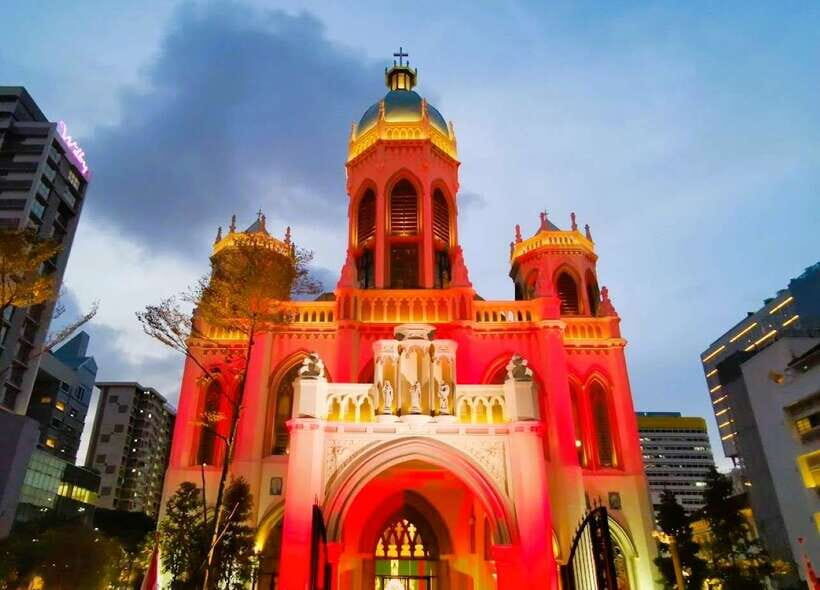
- St Gregory the Illuminator: the tour ends at Singapore’s oldest Armenian church
- Value check: is $55.61 a good deal?
- Who should book this Colonial Singapore walking tour?
- Should you book? My practical take
- FAQ
- How long is the Splendour of Colonial Singapore Walking Tour with Lunch?
- Where does the tour start and end?
- Is lunch included, and are there vegetarian options?
- What time does the tour run?
- Are there any admissions fees for the stops?
- What happens if it rains?
Key things you’ll notice on this Colonial Singapore walk
- A tight 3.5-hour route packed into central sights around City Hall and the Singapore River
- Step-ins at major sites like St Andrew’s Cathedral, National Gallery buildings, and the Supreme Court area
- Lunch with options: a 3-course meal at Boat Quay, with vegetarian and non-vegetarian choices
- Bridge-and-river storytelling at Cavenagh Bridge, tied to what life looked like ~200 years ago
- Heritage architecture plus function: from government buildings and courts to the oldest surviving fire station
- Small group energy (max 15), which makes it easier to ask questions and get photos during the walk
Colonial Singapore’s street plan is the real main character
The best thing about this tour is how it helps you see Singapore’s modern layout through a colonial lens. You start with the British trading post era—1819 is the anchor point—then move forward through the Straits Settlements period and the British Crown colony era.
That’s more than trivia. Once you notice how civic buildings, legal institutions, and church landmarks line up in the downtown core, you start understanding why Singapore’s city center feels so deliberate. It also gives you a chance to think about the tradeoff: colonial-era planning shaped what came next, even as the story is complicated.
You can also read our reviews of more walking tours in Singapore
City Hall start time and the small-group advantage
You’ll begin near City Hall MRT at 10:00 am, and the route is designed to end near the Armenian Apostolic Church on Hill Street. The group size is capped at 15, which keeps the pace human and makes it easier to stay together when you move in and out of buildings.
This format matters for value. At $55.61 per person, you’re not paying for endless transport or long waits. You’re paying for a licensed guide, a route that stays central, and the included lunch that breaks up the walking.
Also, Singapore weather can be dramatic. The tour provides a disposable poncho if it rains, which is practical when you’re already dressed for the day.
St Andrew’s Cathedral: where the early British story turns into a landmark
The tour starts at St Andrew’s Cathedral, with the story tied to the British trading post in 1819. From there, you connect the dots to the first Anglican church built in 1836.
Why this stop works: it’s not just a pretty facade. It marks the moment the British community went from traders and administrators to builders—people who wanted long-term institutions, not just temporary settlements. If you like history you can point to on a map, this is a good first foothold.
Practical note: this is one of the early stops, so it’s also where you’ll get your bearings before the route becomes a steady flow of civic architecture.
National Gallery Singapore: two colonial buildings, one walk-in lesson
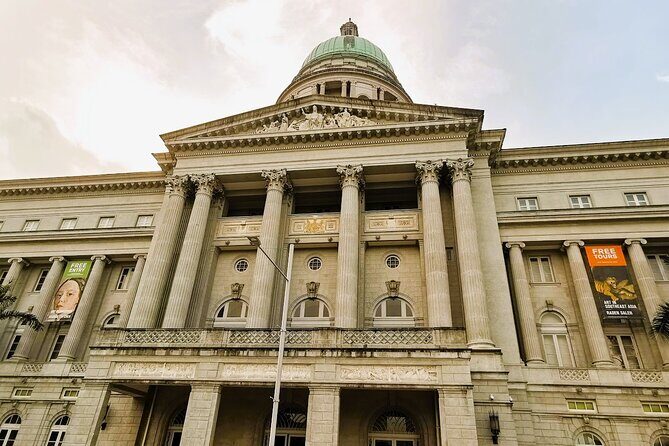
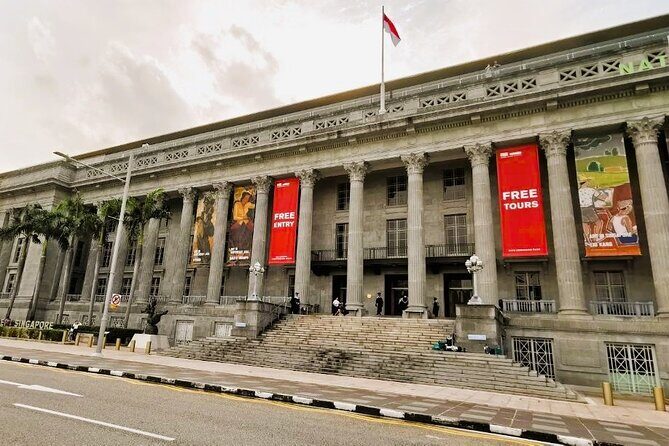
Next up is the National Gallery Singapore, which you’ll connect to two colonial-era structures: the former Municipal Building (later renamed City Hall Building) and the former Supreme Court Building. The tour encourages you to step inside and see what those roles looked like in building form.
This is where the tour’s theme—governance, law, and institutions—turns visible. City Hall tells one story about civic administration. The Supreme Court tells another about authority and order. Put together, they help you understand why the downtown core feels like it was designed for more than commerce.
Time-wise, you’ll spend about 40 minutes here, which is enough to look, read, and take it in without feeling rushed.
Arts House and Victoria Theatre: older foundations, upgraded civic identity
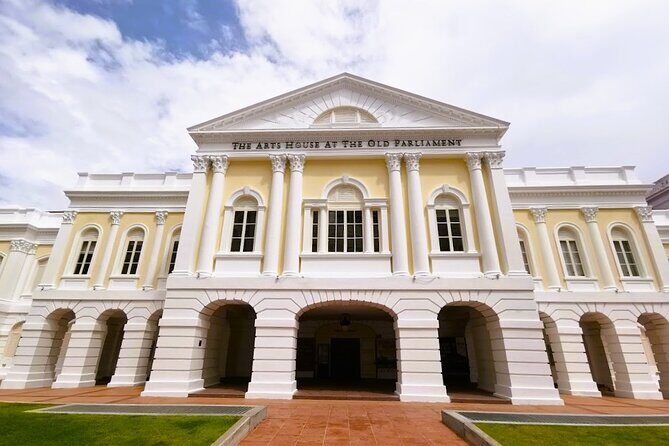
The Arts House stop focuses on the oldest surviving building in Singapore, dating to 1827. That date gives you instant perspective: even before the later Victorian and Edwardian wave, there were structures intended to last.
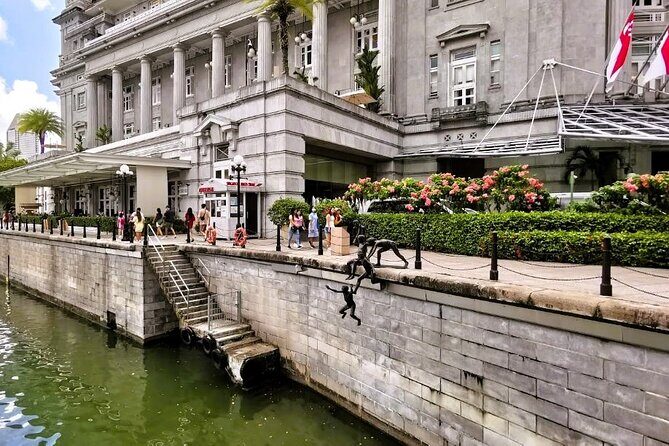
Then you’ll move to Victoria Theatre & Victoria Concert Hall, a pair of buildings merged into one complex. One originally functioned as the Town Hall, and the other was the Memorial Hall for Queen Victoria, built more than 40 years apart. On top of that, you’ll get a look at the building’s original bronze details (not just the modern presentation).
Why I’d prioritize these stops: they show how Singapore’s colonial city center kept evolving. Instead of tearing things down and starting over, buildings were repurposed and combined—so layers of government and culture stack right in front of you.
A small drawback to expect: the Victoria complex is popular. If you’re sensitive to crowds, go at a steady walking pace and focus on the guide’s points rather than trying to stand still for every photo.
You can also read our reviews of more tours and experiences in Singapore


The government offices stop: the “serious buildings” detour
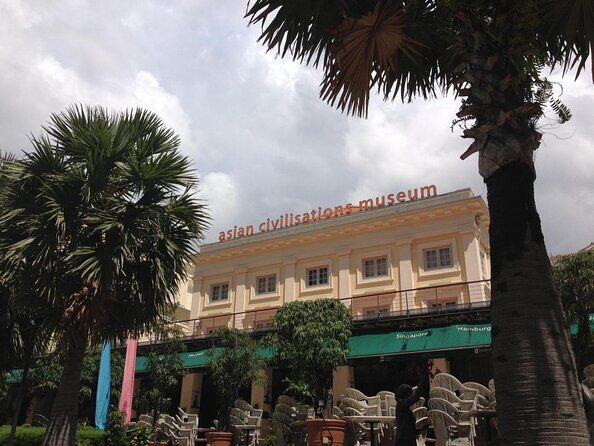
There’s also a stop for the Former Government Offices of Colonial Singapore. This is one of those moments that’s easy to skip if you’re just snapping pictures, but it’s actually useful for the tour’s bigger story: colonial administration wasn’t only about laws and courtrooms—it also depended on daily bureaucracy.
If you like how a city runs behind the scenes, you’ll appreciate that the tour doesn’t just focus on grand monuments. It also highlights the workhorse spaces tied to governance.
Cavenagh Bridge: river life you can almost picture
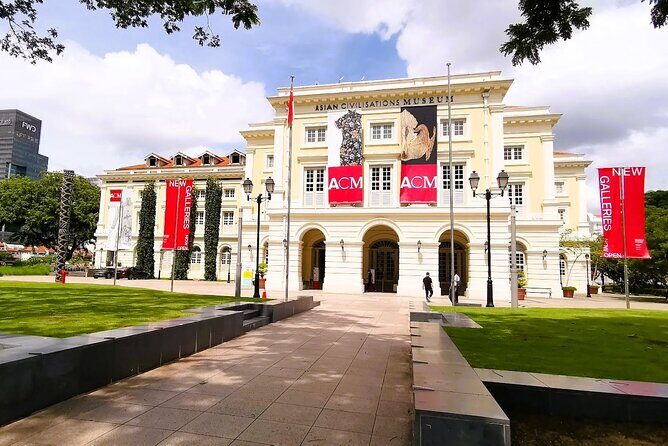
At Cavenagh Bridge, you cross the oldest surviving suspension bridge in Singapore. The guide ties it to what life along the Singapore River looked like about 200 years ago.
This is a smart stop because bridges change how you read the river. From the bridge, you’re not just looking at water—you’re seeing a connection point. It helps you understand why the river mattered for trade, communication, and movement when the city was young.
Time here is short (about 10 minutes), but it’s one of those quick moments that leaves a strong mental image.
Fullerton Shop (former General Post Office): heritage with a modern function
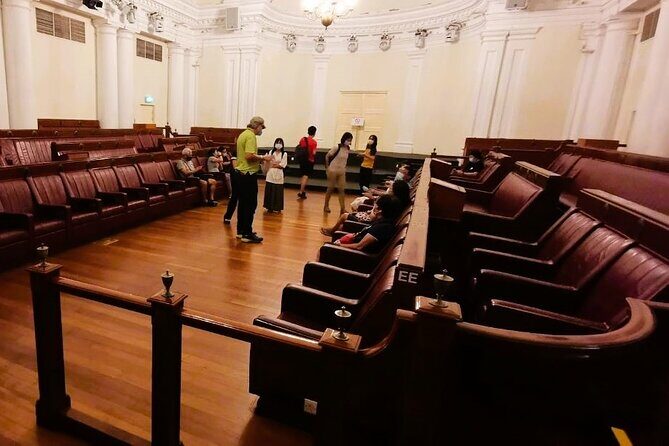
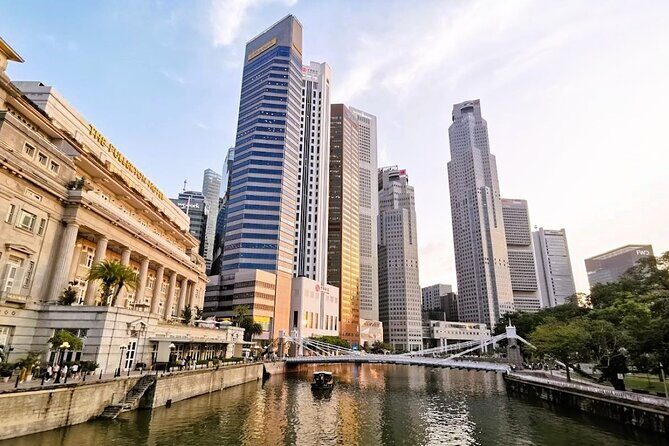
The tour then heads to The Fullerton Shop, which used to be the General Post Office. Today, the building is tied to the Fullerton Hotel complex, and there’s a heritage gallery worth seeing.
This stop is valuable if you enjoy architecture with a purpose. A post office is where you understand logistics—mail, arrivals, and connections. In a trading hub, that’s not a small detail. It’s the infrastructure that keeps people and business moving.
The only caution: since it’s a hotel-linked area, you may want to be ready for a more polished space than other stops. Dress like you’re walking, not lounging.
Boat Quay lunch: the best break in a history-heavy morning
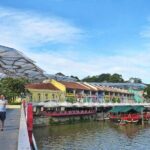
Around midday, you take a breather with a 3-course lunch by the river at Boat Quay. You’ll have both non-vegetarian and vegetarian options.
I like lunch on this kind of tour because it resets your brain. After buildings focused on law and administration, you get food, conversation, and a scenic change of pace. Boat Quay also keeps you oriented—many of the colonial-era stories the guide shares are tied back to the river’s role in the city.
This lunch slot also gets high marks in practice because it’s treated like a real meal. It’s not a hurried stop where you eat standing up and run back into the heat.
If you’re a solo traveler, this part is especially helpful. The guide’s group management makes it easier to chat without forcing it.
Supreme Court: maximum security meets a science-fiction roof
Next comes the Supreme Court, described as a maximum security building with a spaceship-like structure on top. Even if you’ve seen photos, seeing it as part of the colonial-to-modern timeline changes how the building lands in your mind.
This stop turns your earlier National Gallery civic contrasts into something more direct. You’re not just learning that courts existed—you’re looking at the physical presence of law in the city.
Spend about 25 minutes here, which gives you time to understand the story points without feeling like you blink and it’s over.
Central Fire Station: from antique horse-drawn gear to a vintage engine
At Central Fire Station, you’ll visit the oldest surviving fire station in Singapore. The highlights here include an antique horse-drawn fire truck and the chance to climb aboard a vintage fire engine.
This is one of the most fun stops because it mixes history with hands-on viewing. It also broadens the colonial story beyond offices and churches. Fire services are public safety at street level, and they show how a city built systems to protect people and property.
Time is around 20 minutes. If you like photos, this is a great spot for it—just pay attention to what the guide asks you to look for so you don’t miss the story behind the machinery.
St Gregory the Illuminator: the tour ends at Singapore’s oldest Armenian church
The tour finishes at the Armenian Apostolic Church of St. Gregory the Illuminator on Hill Street. It’s described as the oldest church in Singapore, dating back to 1835, and the guide also covers the Armenian community’s contributions.
Ending here feels fitting. The colonial-era story doesn’t only include one power or one group. It includes the communities who lived with that system and shaped Singapore’s multicultural identity over time.
You end up just a short walk from where you started near City Hall MRT, so the whole route feels like a big loop through the city’s core institutions.
Value check: is $55.61 a good deal?
For $55.61, you’re getting several concrete things bundled together:
- A licensed guide for about 3 hours 30 minutes
- Lunch: a 3-course meal at Boat Quay, with both vegetarian and non-vegetarian options
- Disposable poncho if weather turns
- A route with multiple major stops where admission is listed as free
In other words, you’re not just paying for a walk. You’re paying for a structured set of stop-ins, plus lunch that saves time and planning on your trip.
If you’re short on time—like you have one day to see downtown—this can be a strong value because it compresses a lot into central locations without making you hop across the city.
Who should book this Colonial Singapore walking tour?
I think this tour is a great match if you:
- Like architecture that connects to how a place was governed and built
- Want an easy way to orient yourself in the Civic District and older European-town core
- Enjoy structured walking with small group size (max 15)
- Appreciate a real lunch included in the price
It’s also a solid pick for solo travelers. The pace is manageable, the guide helps with safety, and there’s time for group photo moments and photo sharing after the tour (a real plus if you don’t have someone to take your pictures).
If you hate walking, or if you’re dealing with mobility issues, you might find the pace demanding. The tour is “most travelers can participate,” but it still depends on your comfort with continuous downtown walking.
Should you book? My practical take
Book this tour if you want Singapore’s colonial-era story told through the actual buildings and public institutions where it happened. The included Boat Quay lunch makes it easier to commit, and the stop-ins—from churches and civic buildings to the Supreme Court area and the Central Fire Station—help the history click faster than reading about it later.
Skip it only if you’re looking for a purely food-focused or purely museum-only day. This tour leans on civic architecture and public-safety landmarks, so it’s best for people who like seeing how a city organized itself.
If you’re in the mood for a smart downtown loop with a guide named Ping, who’s been praised for clear English, good pacing, and keeping people safe, this one is a very easy “yes” for many first-timers.
FAQ
How long is the Splendour of Colonial Singapore Walking Tour with Lunch?
The tour runs for about 3 hours 30 minutes.
Where does the tour start and end?
It starts at City Hall (150 N Bridge Rd, Singapore 179100) and ends at the Armenian Apostolic Church of St. Gregory the Illuminator (60 Hill St, Singapore 179366).
Is lunch included, and are there vegetarian options?
Yes. Lunch is included as a 3-course meal by the river at Boat Quay, with both vegetarian and non-vegetarian options.
What time does the tour run?
The start time is 10:00 am.
Are there any admissions fees for the stops?
The information provided says admissions at the listed stops are free (for example, St Andrew’s Cathedral and National Gallery Singapore buildings).
What happens if it rains?
A disposable poncho is included, so you’ll be covered if weather changes.