REVIEW · SINGAPORE
Singapore: Chinatown, Little India, Arab Street Walking Tour
Book on GetYourGuide →Operated by Fiesta Tours SG · Bookable on GetYourGuide
Singapore’s neighborhoods tell stories fast. This 4-hour Chinatown–Little India–Arab Street walking tour strings together temples, markets, colorful shopfronts, and famous streets like Haji Lane. The small group (max 10) format also makes it easier to ask questions and get practical advice from your licensed local guide, including photo stop guidance and where to eat and drink nearby.
I love that the tour doesn’t treat these areas like separate theme parks. You get a clear sense of how culture shows up in religion, language, shopping, and daily street life. I also like the pacing choices: you’ll spend enough time at key sights (like the Buddha Tooth Relic Temple) to understand what you’re looking at, but you’re not stuck in one spot all morning.
One drawback to plan for: it’s a lot of walking in a hot, humid city, and part of the route uses the MRT with fares paid by you. Bring water, wear good shoes, and pick a time slot that matches your energy level.
In This Review
- Key things that make this tour work
- Chinatown Point start: where your walk gets practical
- Buddha Tooth Relic Temple: a quick visit with real meaning
- Chinatown streets: markets, temples, and the food-scene context
- Parkview Square and photo moments: the Batman Building in context
- Little India: saris, spice shops, and henna details
- Arab Street and Haji Lane: Middle Eastern flavors and street art
- Getting around on MRT: why it’s helpful and what to pay attention to
- Price and value: why $53 makes sense for a 4-hour plan
- Who should book this Chinatown–Little India–Arab Street walk
- Should you book this Singapore walking tour?
- FAQ
- Where do I meet for the tour?
- How long is the tour?
- What does the tour cost?
- What’s included in the price?
- Are food and drinks included?
- Do I need to pay for MRT fares?
- What’s the group size?
- Does the tour run in bad weather?
- What should I bring?
- Is it suitable for everyone?
Key things that make this tour work
- Small-group size (max 10) means less waiting and more time for questions
- Buddha Tooth Relic Temple gives real context to Chinatown before you wander markets
- Parkview Square, the Batman Building adds a bold art-deco photo moment to the walking route
- Little India’s spice shops and henna art help you spot the details you’d miss on your own
- Arab Street + Haji Lane blend Middle Eastern flavors with street art and boutique shopping
- Guides like Priscilla, Chris, Jolynn, Tim, and Ka Vee are repeatedly praised for staying on schedule and checking in for comfort stops
Chinatown Point start: where your walk gets practical
The meeting point is easy to find: Starbucks at Chinatown Point Mall, right at the entrance. That matters in Singapore, where a smooth start can save you time and heat, especially if your energy is limited on day one.
From the first minutes, you’re not just sightseeing. Your guide frames what you’re seeing—how different communities built their places of worship, market stalls, and street life around trade and migration. It’s the kind of setup that helps you stop “collecting photos” and start noticing patterns.
Also, since the tour uses local transit (MRT) during the experience, you’ll get a feel for how to move around efficiently. You may not want to rely on public transport for every plan, but you’ll leave with better confidence for the rest of your trip.
You can also read our reviews of more walking tours in Singapore
Buddha Tooth Relic Temple: a quick visit with real meaning
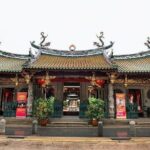
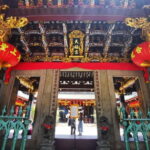
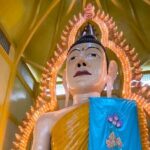
The tour’s first major stop is the Buddha Tooth Relic Temple, with a guided visit of about 30 minutes. Instead of rushing through, you get a focused explanation that helps you read the building as something lived-in by the community—not just a photo backdrop.
This stop is especially useful if you’re new to Singapore. Chinatown can look like one long strip of shops at first glance, but a temple visit gives you the “why” behind the streets around it.
A practical note: temples have their own rules and your time inside is guided and timeboxed. Wear comfortable clothes you can move in, and plan to keep your phone handy for the moments your guide points out.
Chinatown streets: markets, temples, and the food-scene context
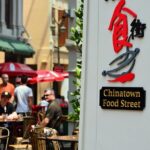
After the temple, you’ll spend about 1 hour in Chinatown with guided walking through the area’s markets, historic temples, and food stalls. This is where the tour earns its keep: your guide helps you separate “tourist clutter” from what feels like everyday local routine.
I like the approach here because you’re not forced into a single food experience. Instead, you’re shown how to spot common food choices, typical stall setups, and what’s worth trying later. That’s great if you’re picky, dietary-focused, or simply want to compare what you learned on the walk with what you find during the rest of your trip.
Chinatown is also one of the best places in Singapore for understanding how neighborhoods evolve. The guide’s stories connect old trade routes and community ties to what you see today in storefronts and signage. The result is that the area stops being “just old buildings” and becomes a working part of the city.
Parkview Square and photo moments: the Batman Building in context
One of the tour highlights is a visit to Parkview Square, famously called the Batman Building, known for its striking art deco architecture. Even if you’re not a design nerd, you’ll feel the difference the moment you see it: it’s bold, graphic, and made for fast, satisfying photos.
What makes this stop valuable on a walking tour is that you get it placed inside the wider story of the district. Your guide links the architectural look to the way Singapore has layered different eras into the same walking routes.
Don’t plan on spending a long time here, but do plan on capturing the clean angles your guide suggests. This is one of those moments where good timing matters more than extra minutes.
Little India: saris, spice shops, and henna details
Next comes Little India, where you’ll get around 45 minutes of guided wandering. This is the part of the tour that tends to feel the most colorful, partly because you’re seeing storefronts, textiles, and hands-on craft in close quarters.
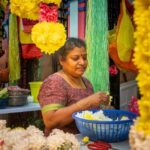
Look for sari displays, aromatic spice shops, and intricate henna art. Your guide helps you slow down just enough to notice details—like how shops arrange products and how cultural practices show up in daily commerce. That’s the difference between passing through a neighborhood and actually understanding it.
Little India can also be busy, and Singapore’s weather can hit hard. The practical advantage of a guided walk is that your guide can manage pace and timing so you’re not stuck overheating in a single spot. If you’re photo-happy, this is the zone where you’ll get the most value from the guide’s timing tips.


Arab Street and Haji Lane: Middle Eastern flavors and street art
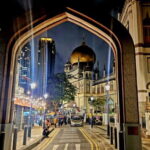
Arab Street is often described as a shopping and food zone, but the tour makes it clearer: it’s a place where you can see cultural influence at street level. You’ll have about 30 minutes here, focused on eclectic boutiques, vibrant street art, and Middle Eastern flavors.
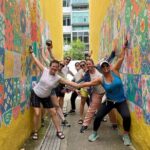
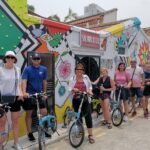
Then you’ll finish with Haji Lane for about 20 minutes. This is where the “street photo” part of the trip tends to click. Expect bright walls, small-scale scenes, and plenty of angles that work even if you’re not carrying a fancy camera.
What I like about ending this way is that it gives you a lighter, more visual finale after the temple-and-market stops. You’ll also likely be more ready for browsing and snapping photos because you’ve already built context for what you’re seeing.
Getting around on MRT: why it’s helpful and what to pay attention to
The tour uses local MRT during the experience, but MRT fares are not included. The upside is that you’re not wasting time making long walks between neighborhoods, and you get a shortcut to better coverage.
Still, do two things for an easy day:
- Bring water and expect heat, especially away from shaded stretches.
- Keep an eye on transit instructions given by the guide, since you’ll move as a group.
One more practical detail: the tour starts promptly and isn’t extended for late arrivals. If you want the best experience, aim to show up early enough that you’re not rushing at the start point.
Price and value: why $53 makes sense for a 4-hour plan
At $53 per person for about 4 hours, this tour sits in a sweet spot for Singapore. You’re paying for three things that matter in a dense city: a licensed English-speaking guide, small-group attention (max 10), and a route that strings together multiple neighborhoods without you spending your day figuring out logistics.
Food isn’t included, and attraction tickets aren’t included either, so you should treat the tour as a guided sampler of streets plus a list of direction for what to eat next. Given how much walking you do, you’ll want to budget for water and snacks on your own if you’re the type who likes steady energy.
Also, because guides often give restaurant and bar recommendations along the way, the tour can save you money later. You avoid the common trap of guessing and paying for the most convenient option instead of the most satisfying one.
Who should book this Chinatown–Little India–Arab Street walk
This is a great match if you want:
- First-time orientation to Singapore’s neighborhood layout
- A guided walkthrough of three distinct cultural districts in one morning or afternoon
- A small group experience where you can ask questions and adjust pace for comfort
It may not be a good fit if you have mobility limitations. The tour states it’s not suitable for wheelchair users or for people with mobility impairments, and it also lists age limits (not for people over 70, and not for people over 95). If you’re between those ages and unsure, focus on how comfortable you are with steady walking in heat.
Should you book this Singapore walking tour?
If your goal is to understand Singapore beyond the skyline shots, this tour earns its time. The mix of temple context, market and craft details, and street-art style photo stops makes it feel like one coherent story rather than three random neighborhoods.
I’d book it if you:
- Like guided structure but still want freedom to explore on your own later
- Want insider direction on where to eat and drink, not just what to photograph
- Appreciate small groups and guides who handle pacing and comfort stops well
Skip it only if you hate walking in humidity or you need an itinerary that’s mostly indoor, low-step sightseeing. Otherwise, this is a smart way to spend a half day getting real context for Chinatown, Little India, and Arab Street.
FAQ
Where do I meet for the tour?
Meet at the entrance of Starbucks at Chinatown Point Mall.
How long is the tour?
It’s 4 hours total.
What does the tour cost?
The price is $53 per person (ages 5+).
What’s included in the price?
You get an English-speaking, licensed guide.
Are food and drinks included?
No. Food and drinks are not included.
Do I need to pay for MRT fares?
Yes. MRT/subway fares are at your own expense.
What’s the group size?
It’s a small-group tour with maximum 10 participants.
Does the tour run in bad weather?
Yes, it runs rain or shine.
What should I bring?
Bring comfortable shoes, an umbrella, and water.
Is it suitable for everyone?
No. It’s not suitable for wheelchair users, people with mobility impairments, and it lists age limits: not for people over 70 and not for people over 95.