REVIEW · SINGAPORE
4-hour Chinatown, Little India, and Arab Street Walking Tour
Book on Viator →Operated by Roberto · Bookable on Viator
Three cultures, one compact walking loop. That’s what you get on this 4-hour Singapore walking tour, pairing stops in Chinatown, Little India, and Arab Street with major religious landmarks and photo-ready streets. It’s built for first-time visitors who want a smart route with minimal planning and a guide to translate what you’re seeing.
What I like most is the small group size (max 10), which makes the walk feel personal instead of rushed. I also love the mix: big, famous temples plus the everyday streets—shophouses, murals, spice shops, textile stores, and street art—so Singapore doesn’t feel like a museum only.
One thing to consider: it’s a walking tour with multiple stops in a short window (about 4 hours), and it’s not recommended for mobility issues. Also, there’s a small public transit add-on (SGD 2 per person) even though the core sightseeing is covered.
In This Review
- Key things to know before you go
- A 4-Hour Shortcut Through Chinatown, Little India, and Arab Street
- Morning or afternoon works
- Group size: the big quality lever
- Price and logistics: what you’re paying for (and what you aren’t)
- Where you start and where you end
- Stop-by-stop: what each part of the walk feels like
- Thian Hock Keng Temple: Singapore’s oldest Chinese temple
- Buddha Tooth Relic Temple and Museum: a big landmark with a golden center
- Chinatown: shophouses, murals, and the street layer
- Sri Mariamman Temple: the Hindu temple with the iconic tower
- Little India: the MRT ride and the senses of the street
- Sri Veeramakaliamman Temple: when the doors are open
- Arab Street: Sultan Mosque area, textiles, and street energy
- Haji Lane: street art and small shops
- Parkview Square: the Art Deco stop with movie-set energy
- The guide factor: what makes this tour feel worth it
- Who this tour is best for (and who should skip it)
- Practical tips to make the day smoother
- After the tour: how to keep your day going
- Should you book this Singapore Chinatown–Little India–Arab Street walk?
- FAQ
- How long is the Chinatown, Little India, and Arab Street walking tour?
- What areas are included in the tour?
- What is the maximum group size?
- Are temple or museum admissions included?
- Is public transportation included?
- Do I get to choose morning or afternoon?
- Where do I meet the guide?
- Where does the tour end?
- Is the tour suitable for people with mobility issues?
Key things to know before you go
- Small-group cap (10 people): more time for questions and photos.
- Licensed local guide: you’ll get context for temples, neighborhoods, and the street scenes.
- Free admissions at key stops: temple and museum entries are listed as free.
- 3 neighborhood styles in 1 loop: Chinese, Indian, and Middle Eastern/Singapore-Arab culture in one afternoon or morning.
- Plenty of short stop-times: you’ll see a lot, but you won’t have hours inside any single site.
A 4-Hour Shortcut Through Chinatown, Little India, and Arab Street
Singapore’s neighborhood style can feel like a puzzle at first. This tour helps you solve it quickly. In about four hours, you cover three of the city’s most recognizable cultural zones, plus a few “bonus” spots that make the day feel complete.
The route is designed for motion, not lingering. You’ll spend roughly 10 to 30 minutes per stop, which is perfect if you’re trying to get your bearings fast. It also means you’re constantly switching scenes: carved temple gates, grand golden halls, shophouse streets, flower garlands and spice shops, then textiles and mosque views.
If you’re the type who hates spending vacation time reading maps and guessing what matters, you’ll appreciate this. The guide sets the pace and points out what to notice, from story-filled murals to the visual language of temple architecture.
You can also read our reviews of more walking tours in Singapore
Morning or afternoon works
You can pick a morning or afternoon departure, which is handy if you’re also doing Gardens by the Bay or a night tour. Since the walking time stays about the same, it’s less about efficiency and more about matching your energy level to the day.
Group size: the big quality lever
A cap of 10 people is a real advantage here. It keeps the walk comfortable and makes it easier to hear your guide. It also helps at popular photo spots, where a larger crowd can turn “quick moment” into “long wait.”
Price and logistics: what you’re paying for (and what you aren’t)
At $76.57 per person, you’re not just paying for “a walk.” You’re paying for a licensed guide and a tight route that strings together major landmarks across three neighborhoods.
Most listed admissions are free at the stops on the itinerary, which is great value for temple and museum entries. The one practical extra is public transportation: SGD 2.00 per person is not included, and you’ll use the MRT to get to Little India.
In plain terms: you’ll likely spend less than you expect on entry fees, but you should budget a small transit amount. That trade is usually worth it because the whole day is otherwise tightly managed.
Where you start and where you end
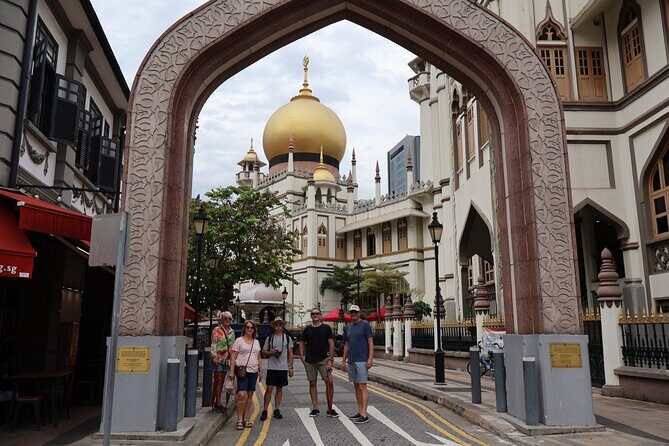
You meet at Starbucks, 133 New Bridge Rd, #01-08, Singapore 059413. You finish near the Sultan Mosque on Arab Street (Arab St, Singapore), so you can keep exploring after the tour without backtracking.


Stop-by-stop: what each part of the walk feels like
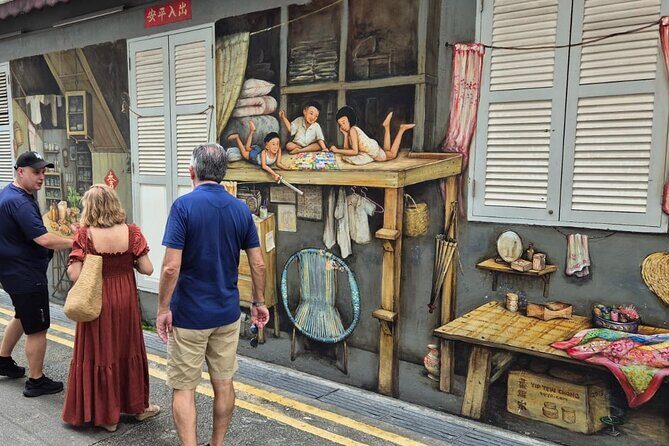
This is where the tour earns its reputation. Each stop is short, but the sequence makes a point: different communities, similar themes—migration, faith, and street-level life.
Thian Hock Keng Temple: Singapore’s oldest Chinese temple
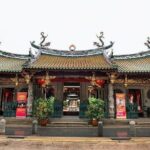
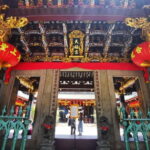
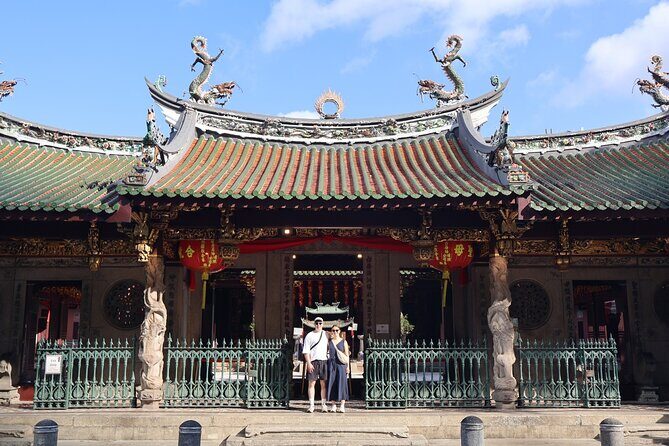
You’ll start at Thian Hock Keng Temple, often described as Singapore’s oldest Chinese temple. You’ll have about 30 minutes here, and it’s free to enter.
This temple is famous for its detailed carvings and the way early Chinese immigrant stories connect to the idea of safe passage. That context matters because once you know what the decorative features are pointing to, the place stops looking like “just ornate stone” and starts feeling like a record of real lives.
If you like architecture, this is a strong first anchor. It also sets a tone: the guide isn’t only pointing out buildings, but linking them to why they were built.
Buddha Tooth Relic Temple and Museum: a big landmark with a golden center
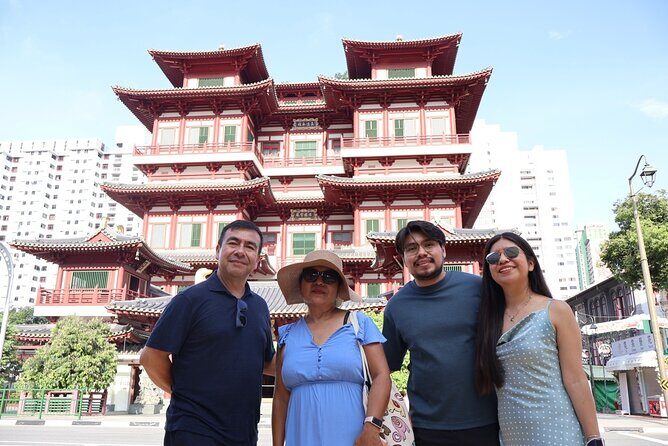
Next is Buddha Tooth Relic Temple and Museum, another 30-minute stop with free admission. The building itself is the headline: a four-story structure inspired by Tang dynasty architecture.
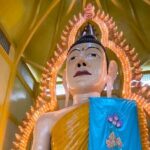
Inside, you’ll see richly decorated halls and golden Buddha statues tied to the idea of a sacred relic. Even if you’re not religious, this kind of symbolism is part of understanding Singapore’s cultural blend.
The practical benefit: this is a great “reset stop” where you can step in from the street and take in a calmer, indoor environment before moving back into neighborhood streets.
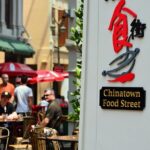
Chinatown: shophouses, murals, and the street layer
After the temples, you move into Chinatown for about 30 minutes. This is where the tour shifts from landmark to neighborhood.
Your guide will take you past colorful heritage shophouses and markets, with time to point out wall murals that bring immigrant-era stories into view. The murals matter because they connect what you see on the street to what the city is remembering.
You won’t get hours here, but the stop-time is enough to feel the neighborhood rhythm and get a few photo-worthy angles without burning an entire day.
Sri Mariamman Temple: the Hindu temple with the iconic tower
You’ll spend about 10 minutes at Sri Mariamman Temple. Entry is free, and the main visual hook is the colorful gopuram tower covered in statues of deities and mythological figures.
This is a quick stop by design, but it’s visually intense. Even in ten minutes, you’ll get the “why it’s famous” part—how South Indian temple design shows up in Singapore’s urban fabric.
Little India: the MRT ride and the senses of the street
You’ll take the MRT to Little India and spend about 20 minutes walking there. The itinerary lists entry as free, but remember that the MRT fare isn’t included (SGD 2.00 per person).
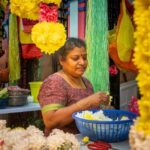
Little India is a feast for the senses in a way that’s hard to plan for. You’ll pass colorful shophouses, see flower garlands, and spend time around spice shops. Your guide’s role here is big: they’ll help you notice patterns—how streets, signage, and shopfronts reflect community life.
If you’re short on time, this stop is a smart way to experience the neighborhood without trying to “DIY your way” through it.
Sri Veeramakaliamman Temple: when the doors are open
Another temple stop follows: Sri Veeramakaliamman Temple, about 10 minutes. Again, admission is free.
This one has a built-in caveat: if it’s open, you can step inside; if not, you’ll still see the striking gopuram with colorful statues of gods and demons. It’s worth keeping expectations flexible—sometimes access depends on operations and time of day.
Arab Street: Sultan Mosque area, textiles, and street energy
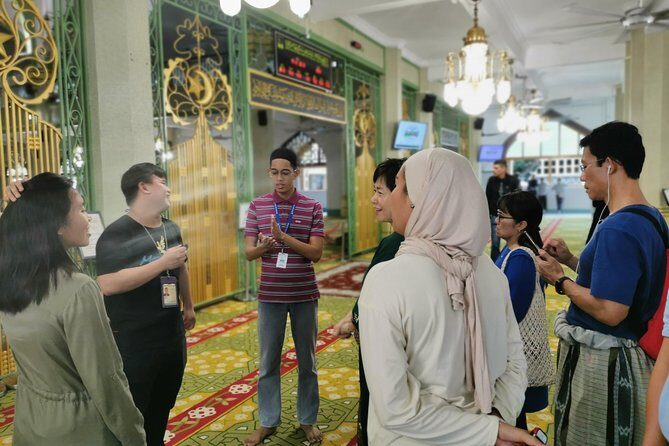
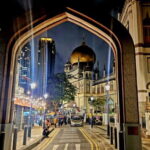
Arab Street gets about 20 minutes, and this part of the tour is often the most fun because it feels like a living marketplace. You’ll explore the area known for Sultan Mosque, colorful textile shops, and busy bazaars.
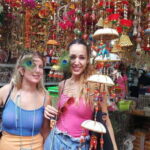
You’ll also have a chance to look at the kinds of fabrics and the overall shopfront culture that define the neighborhood. Even if you don’t shop, it’s a great place to learn how commerce and community sit side by side.
Haji Lane: street art and small shops
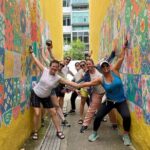
Next up is Haji Lane for about 10 minutes. This narrow street is famous for colorful street art and quirky boutiques, plus smaller cafés and handmade-craft vibes.
The stop is short, but it’s a good “Singapore today” moment after the temple-heavy sections. It also gives you options for quick photos and small purchases without turning the tour into a shopping marathon.
Parkview Square: the Art Deco stop with movie-set energy
The final stop is Parkview Square for about 10 minutes. It’s often called Singapore’s Gotham Building because of its dramatic Art Deco look and dark color palette.
The tour includes time to admire bronze statues and opulent interiors that feel like a film set. Even if you don’t care about architecture, it’s a satisfying capstone: you end the day somewhere that feels like a scene change.
The guide factor: what makes this tour feel worth it
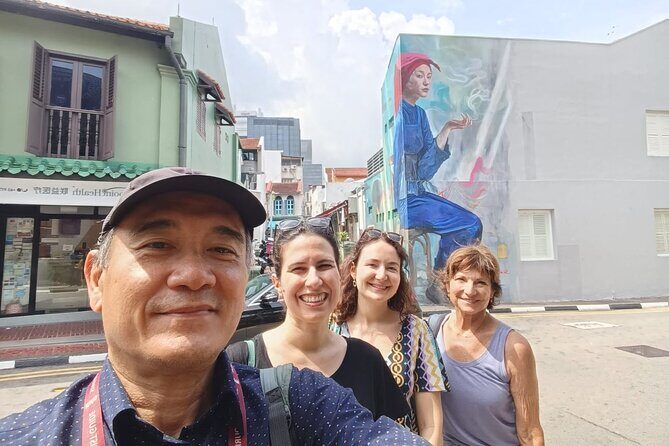
The guides are repeatedly a highlight. You may meet different licensed guides depending on your departure, but the common theme is clear: they don’t just point at sites—they explain what the places mean.
In particular, names like Jolynn, KK, Jeremy, and Joylin show up in the kind of reviews that matter: people say the guides tied stories to the sights, hit the big points without dragging, and kept the walk engaging.
KK gets praised for covering the high points with clear historical context, and one group noted a fun mix of transit during the day (not just a pure on-foot walk). Jolynn and Joylin are also credited with making the city’s past and present connect in a way that feels friendly and practical—not academic.
That’s what you should look for in a guide for this kind of tour: someone who can turn “I see a temple” into “I understand why this temple looks like this here, in this city.”
Who this tour is best for (and who should skip it)
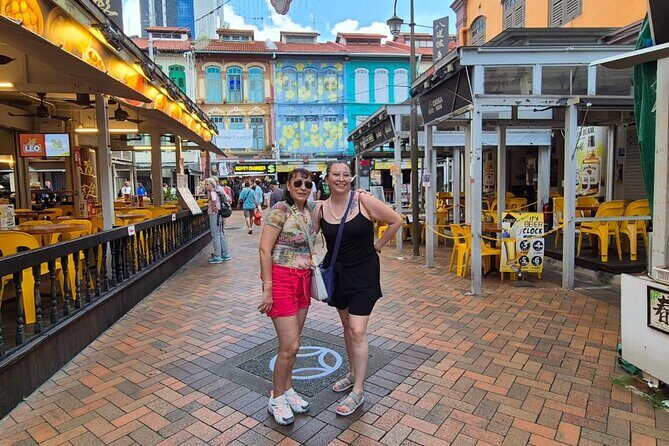
This is ideal if you’re a first-timer in Singapore and you want a fast, efficient overview of three major culture zones. It also works well if you’ve only got a half-day and still want temples plus neighborhood life.
You’ll likely enjoy it if you like:
- walking tours with a plan
- cultural landmarks that come with story context
- photo stops that aren’t random
It’s less ideal if:
- you have mobility limitations (it’s not recommended for that)
- you hate walking or prefer long stays in a few places
- you’re expecting one site to be the “main event” for most of the tour
Practical tips to make the day smoother
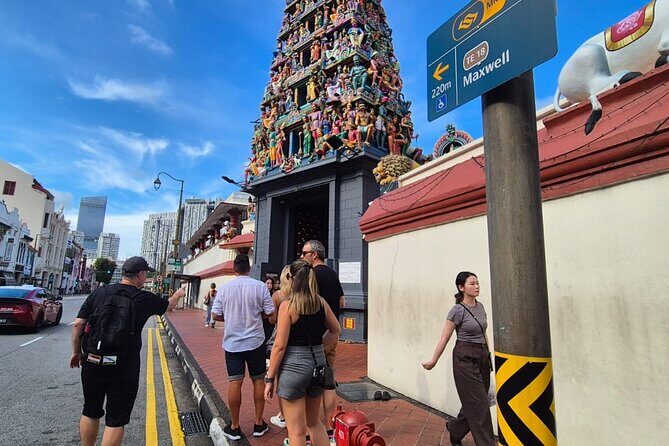
Here are a few things I’d do if I were planning your day around this tour.
First, wear shoes you can trust. You’ll move between neighborhoods and spend time on foot at multiple stops, with stop-times ranging from 10 to 30 minutes.
Second, treat the day as an overview. You’re seeing highlights, not mastering every detail of each neighborhood. If you love a place, you can always return later and spend more time.
Third, plan for heat and sun. Singapore can feel intense, even when the walk doesn’t seem that long on paper. Bring water, and consider a light layer if you run into strong air-conditioning after the outdoor sections.
Finally, bring a bit of flexibility for temple access. One temple stop explicitly says entry depends on whether it’s open, and that’s just the real-world nature of religious sites.
After the tour: how to keep your day going
Because you end near the Sultan Mosque on Arab Street, you’re well positioned to keep exploring that side of the city. You can also stretch your afternoon by revisiting whichever neighborhood clicked most for you—Chinatown for shophouses and murals, Little India for spices and flower shops, or Arab Street for textiles and mosque views.
If Haji Lane made you curious, you can also use it as a casual follow-up stop. It’s the kind of place where your second visit is often better because you’re not under tour timing pressure anymore.
Should you book this Singapore Chinatown–Little India–Arab Street walk?
If you want a structured, story-based tour that covers three iconic Singapore neighborhoods in about four hours, I think this is a strong booking choice. The small group size, licensed guide, and mostly free admissions make the price easier to justify. You also get an end point that’s naturally good for more exploring.
I’d book it especially if you’re short on time and you want your first look at Singapore’s cultural neighborhoods to feel connected, not random. Skip it only if walking is an issue for you or if you prefer slower pacing with long inside-the-site time.
FAQ
How long is the Chinatown, Little India, and Arab Street walking tour?
It runs about 4 hours.
What areas are included in the tour?
You’ll cover Chinatown, Little India, and Arab Street, with additional stops including Haji Lane and Parkview Square.
What is the maximum group size?
The tour caps groups at 10 travelers.
Are temple or museum admissions included?
The stops listed for temples and the Buddha Tooth Relic Temple and Museum show admission as free.
Is public transportation included?
No. Public transportation costs SGD 2.00 per person and is not included.
Do I get to choose morning or afternoon?
Yes, the tour offers either morning or afternoon departures.
Where do I meet the guide?
You meet at Starbucks, 133 New Bridge Rd, #01-08, Singapore 059413.
Where does the tour end?
The tour ends near the Sultan Mosque on Arab Street.
Is the tour suitable for people with mobility issues?
It is not recommended for travelers with mobility issues. Most other travelers can participate.