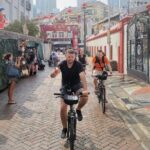
Singapore clicks into place on foot. This private route mixes major landmarks with lesser-walked streets, guided by third-generation guide Rachel Chen, so the city feels like a story you can walk through. I love how the tour uses places of worship to explain Singapore’s culture and how the pace stays friendly enough to ask questions. One thing to consider: it is still real walking, and the longer versions mean more stairs and pavement.
You’ll start near City Hall MRT (or elsewhere for the 2-hour option) and spend your time moving between neighborhoods like Chinatown, the Singapore River, Marina Bay, and Little India. The good news for planning is that many stops have free admissions, and the tour includes a licensed English-speaking guide. It’s not built around meals or shopping, so you’ll want to budget time for breaks and later food plans on your own.
In This Review
- Key reasons this walk works so well
- Getting Oriented in Singapore’s Most Walkable Story Zones
- Meeting Points and Pickup Options That Change the Start Time
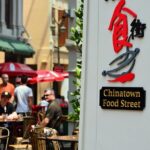
- Chinatown With Thian Hock Keng: How Old Faiths Shaped Early Singapore
- Maxwell Food Centre: A Quick Taste Stop Without the Full Meal Commitment
- Pagoda Street and South Bridge Road: The Immigrant Streets You Can Actually Follow
- Merlion Park and the Singapore River: From Trade Prosperity to the Modern City Core
- National Gallery Singapore Sky Deck: Modern Architecture With a Civic Memory
- Marina Bay Viewpoints and Waterfront Walks That Don’t Feel Like Random Photos
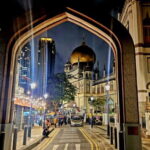
- Little India and Sri Veeramakaliamman Temple: Faith, Color, and Street-Level Detail
- Price and Value: Is $109.01 Worth It?
- How to Make This Tour Feel Effortless (Not Just Long)
- Who Should Book This Private Singapore Walk
- Should You Book This Private Singapore Walking Tour?
- FAQ
- How long is the Private Singapore Walking Tour?
- Where do I meet for the tour?
- Is this tour private?
- Does the tour include admissions?
- Is pickup available?
- What does the tour include and exclude?
- Can I cancel for a refund?
Key reasons this walk works so well
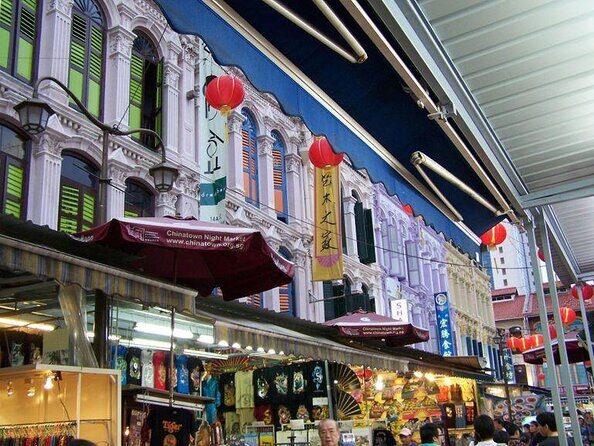
- Rachel Chen’s story method ties architecture, trade, and government choices into what you see on the street.
- Temple-to-temple comparisons help you understand different communities without turning it into a checklist.
- Free stop admissions keep you focused on the walk instead of adding tickets and detours.
- Food timing that fits the day with a quick stop at Maxwell Food Centre for sugarcane juice and traditional coffee or tea.
- Marina Bay viewpoints plus Civic District context so the modern skyline has a backstory.
- Private-group pacing means you can slow down for photos, questions, and the heat.
Getting Oriented in Singapore’s Most Walkable Story Zones
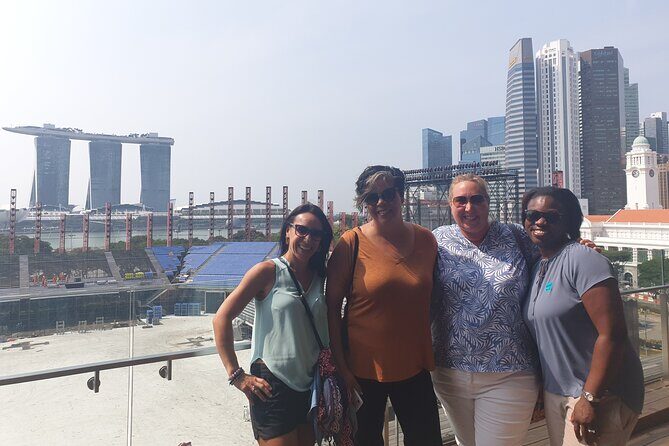
This tour is designed for the moment when you land in Singapore and everything looks new, clean, and highly planned. The trick is that you don’t just see highlights—you connect them to why the city looks this way.
Your walk stitches together areas that usually get separated into different days: Chinatown, the Civic District, the Singapore River corridor, Marina Bay, and then Little India. That sequencing matters because it shows change over time, from older immigrant neighborhoods to colonial-era civic buildings and then to the modern waterfront.
You can also read our reviews of more walking tours in Singapore
Meeting Points and Pickup Options That Change the Start Time
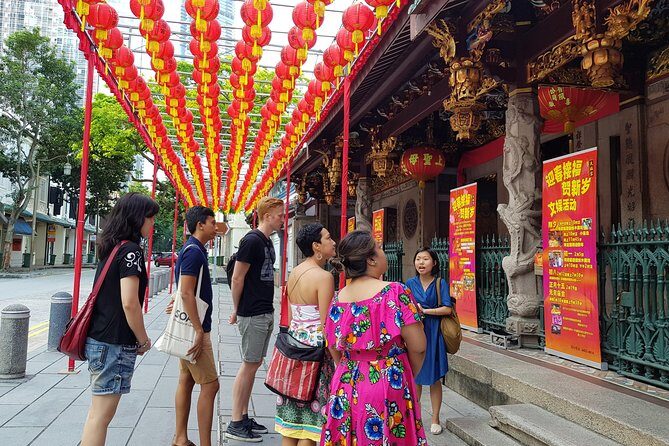
Logistics here are pretty straightforward, and they affect how smoothly day one can go.
- For the 2-hour tour, there’s no pickup. You meet directly at Chinatown MRT or Telok Ayer MRT.
- For 3, 4, and 6-hour tours, pickup is offered in central areas and ports, and the transfer to the tour start point uses public transport.
The end point is also helpful: the 2/3/4-hour tours end near City Hall MRT, which is convenient if you’re continuing to museums or grabbing dinner nearby. The 6-hour version ends somewhere central with transport options, and you can decide your next move on the day.
Chinatown With Thian Hock Keng: How Old Faiths Shaped Early Singapore
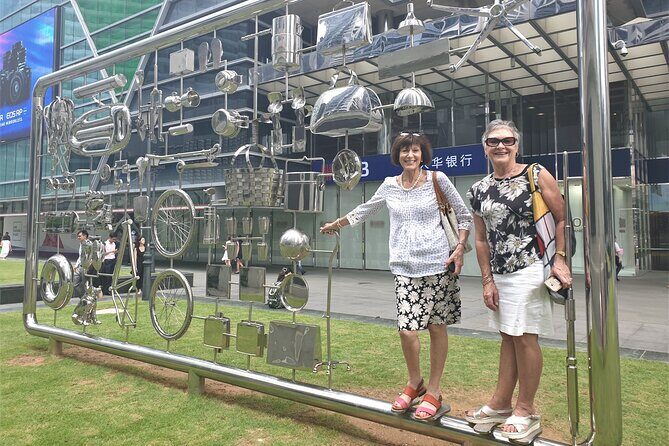
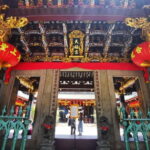
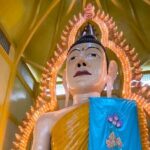
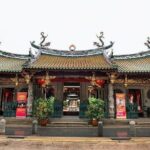
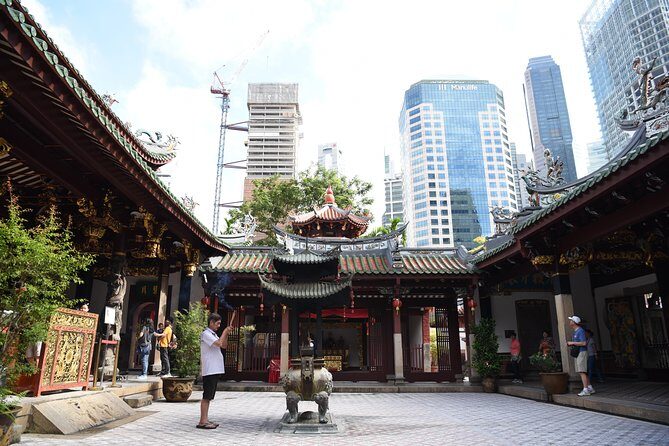
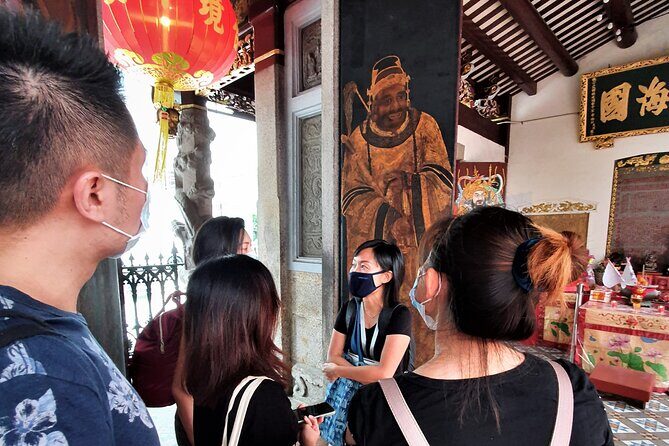
The day begins with a hands-on orientation, then moves into one of the most meaningful stops: Thian Hock Keng Temple. This is Singapore’s oldest Hokkien temple, and it’s architecturally significant—more than a pretty building, it helped shape the lives of early Chinese communities.
If you like travel that makes you look harder, this stop is worth your time. The guide’s job is to connect details like design choices and community history to what immigrant life meant in the early days. I also like that it’s a chance to slow down before the pace accelerates into busy streets.
Time check: plan around 30 minutes here, with the rest of the neighborhood moving around it.
Maxwell Food Centre: A Quick Taste Stop Without the Full Meal Commitment
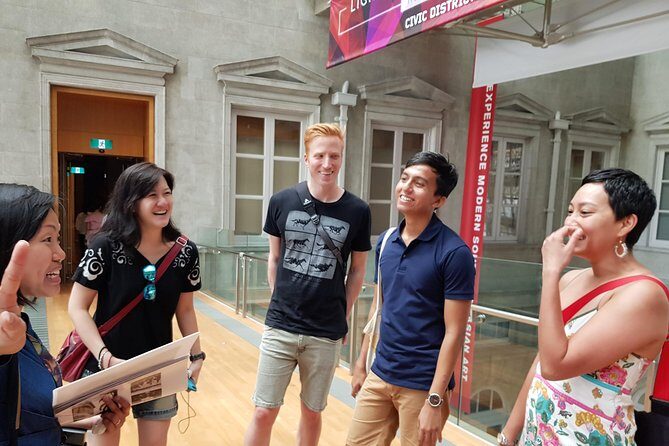
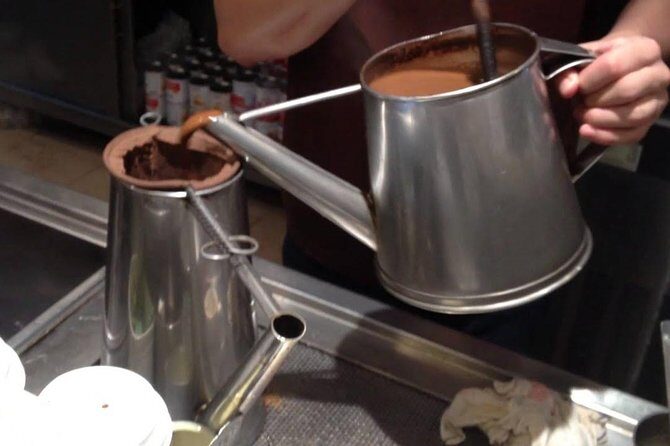
Midday food in Singapore can become a time sink if you wander into it blindly. The tour’s stop at Maxwell Food Centre is short on purpose—think of it as a taste and a reset rather than a full lunch plan.
You can pick from sugarcane juice, traditional coffee, or tea. It’s a simple way to experience local everyday culture without hijacking your schedule, which is especially useful on shorter tours.
If you’re picky about food, consider this your sampling moment. You’ll still be able to eat a proper meal later based on your own preferences.
Pagoda Street and South Bridge Road: The Immigrant Streets You Can Actually Follow
One of the most practical parts of this tour is how it teaches you to read Chinatown street patterns instead of just pointing at landmarks. Pagoda Street is part of the older Chinatown district connected to early Chinese immigrants under British settlement, and the focus is on what people did for work—often trades that don’t get explained in typical sightseeing.
From there you head along South Bridge Road, where the guide’s explanation helps the streets make sense as more than scenery. You get views toward several major religious buildings, including Sri Mariamman Temple and Buddha Tooth Relic Temple, plus you can also spot Pinnacle @ Duxton in the same wider sightlines. The point isn’t just to name places—it’s to show how different layers of Singapore coexist within a short walking radius.
This segment is also where you’ll feel the heat and the pace most. The tour’s rhythm is built around short, readable bursts and quick transitions, so you’re not stuck on one street forever.
You can also read our reviews of more city tours in Singapore


Merlion Park and the Singapore River: From Trade Prosperity to the Modern City Core
After temples and trade streets, the walk shifts to Singapore’s signature “in-between” zone: the waterfront and the river corridor.
At Merlion Park, you’ll see the Merlion and get views spanning Marina Bay, the Civic District, and Raffles Place. This is a photo-ready stop, but it’s also used as a story pivot: the guide explains why Singapore earned the nickname little red dot and how it functions as an active center for both locals and visitors.
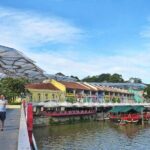
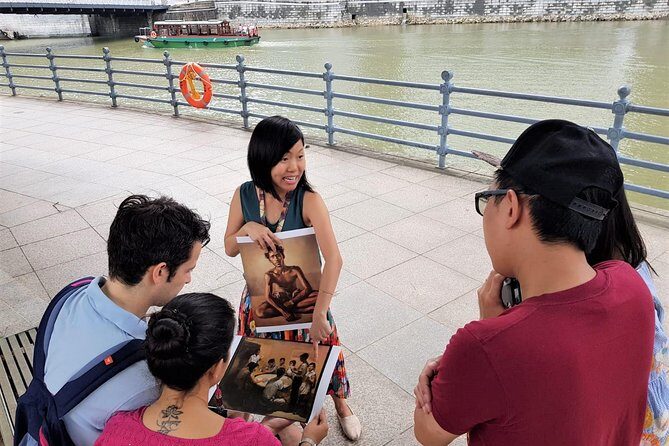
Then comes Singapore River, known as the Belly of the Carp, a reference linked to prosperity. Here you learn how the river served as a major thoroughfare for ships docking to trade. The tour uses the Civic District setting to connect that trading history to the government and planning choices that shaped the city afterward.
Time check: the river portion is longer (about 1 hour), which makes it a good place for questions and for slowing down when you want to absorb views.
National Gallery Singapore Sky Deck: Modern Architecture With a Civic Memory
One reason this tour feels more valuable than a basic walking circuit is the ending at the National Gallery Singapore. The building is described as an icon of the 21st century that integrates the Former Supreme Court and City Hall buildings, so it’s not just a stop—it’s a lesson in how the city reuses and repurposes major spaces.
The tour finishes on the gallery’s sky deck, giving you a higher viewpoint over the Civic District and Marina Bay. Even if you’re not a museum person, the perspective helps everything you saw earlier click into place.
This stop is also nice timing-wise because it’s a natural end point for the 3/4-hour versions, and for longer tours it gives you a clear “we’re entering the modern waterfront story now” moment.
Marina Bay Viewpoints and Waterfront Walks That Don’t Feel Like Random Photos
Marina Bay is where many first-time itineraries dump you for a few pictures and then move on. Here, you spend a shorter but purposeful window at Marina Bay, with the Merlion Park viewing tied directly to the bigger waterfront picture.
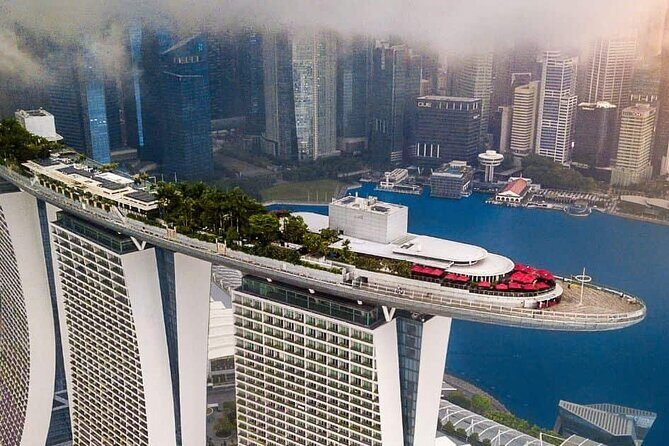
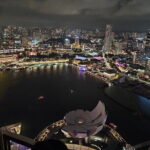
You’ll look toward Marina Bay Sands and the ArtScience Museum, plus you get views along the promenade area. The guide’s explanations help you spot how the modern skyline fits into the earlier story of trade, governance, and growth.
If your main goal is skyline photos, you’ll get them. If your main goal is understanding what you’re looking at, this approach helps.
Little India and Sri Veeramakaliamman Temple: Faith, Color, and Street-Level Detail
The final big neighborhood in the longer versions is Little India, with time built in for both a major temple and the smaller streets around it. You’ll visit Sri Veeramakaliamman Temple, described as a historic site, and then move into the neighborhood’s visual rhythm.
The walk includes stops like Campbell Lane’s mini gallery and street art, plus time to explore on foot. This is where you’ll feel the change in architecture and the pace of street life shift again—still within the same day.
The practical value here is that you get temple context (why people come, how the space functions) and also street-level details you’re less likely to find on your own without getting lost.
Price and Value: Is $109.01 Worth It?
At $109.01 per person, the question isn’t just whether you get a good guide. It’s whether the tour saves you decision-making time and gives you context you can’t easily get from a map.
Here’s what you’re paying for:
- A licensed English-speaking expert guide (and private-group pacing).
- Multiple neighborhood transitions in one day.
- Stops like Thian Hock Keng Temple and National Gallery Singapore, with admission described as included (the listed stops show free admissions).
- A route that uses public transit for transfers in the longer options, and includes service and tax.
What’s not included is also clear: meals, shopping, personal expenses, and private transportation. That’s fine for a walking tour, but it means you should plan your own lunch dinner strategy around the shorter food break at Maxwell.
When this price feels like a bargain is when you’re short on time. On a first trip, the ability to connect Chinatown, the river, Marina Bay, and Little India without building separate itineraries is the real value.
When it might feel steep is if you already know Singapore well and only want a few landmarks. In that case, you might prefer a smaller, single-neighborhood walk.
How to Make This Tour Feel Effortless (Not Just Long)
This is a walk that makes good use of a short city day, but you still need to show up ready.
A few practical tips based on what the tour is built around:
- Wear comfortable walking shoes and expect stairs in older areas.
- Bring water and something light for the heat.
- If you care about photos, plan to let the guide help at stops where the views are best.
One guest noted the longer walk can add up fast—around 18,000 steps—so I’d treat the 6-hour option as your full active day.
The good part is that the pacing is designed to keep you moving while still staying human-sized in hot weather, with enough moments to cool down during the day.
Who Should Book This Private Singapore Walk
This tour is a strong match if you:
- Want a first-time orientation that still includes culture and history.
- Like seeing Singapore’s layers in one route: immigrant neighborhoods, civic planning, and the modern skyline.
- Prefer a private group where you can set your pace and ask questions without feeling rushed.
It’s also a good fit if you’re returning and want to go beyond the obvious highlights. The route doesn’t just stick to the postcards; it gives you street context through Chinatown lanes and temple architecture.
If you’re traveling with very limited mobility or you know you can’t do stairs, you should ask ahead for the best route approach. The tour can be adapted in at least some cases, but the walking nature is still the core of the experience.
Should You Book This Private Singapore Walking Tour?
Book it if your ideal Singapore day includes a guide who turns streets into stories, not just a list of landmarks. This is especially worth it on the first or second day, when you’ll benefit most from learning the city’s logic.
Skip it (or choose a shorter option) if you only want a quick skyline loop and you already have a strong grasp of Chinatown and the civic district. Also consider the 2-hour version if you’re low-energy, and save Little India for when you have more time to explore on foot.
If you want a single day that gives you both big-name sights and meaningful context—temples, trade history, river prosperity, and the Civic District story—this is the kind of tour that makes Singapore feel understandable fast.
FAQ
How long is the Private Singapore Walking Tour?
The tour runs from 2 to 6 hours depending on the option you choose.
Where do I meet for the tour?
The listed meeting point is City Hall MRT Station at 150 N Bridge Rd. For the 2-hour tour, you meet directly at Chinatown MRT or Telok Ayer MRT, and there is no pickup.
Is this tour private?
Yes. It’s a private tour/activity, so only your group participates.
Does the tour include admissions?
The stop details show admissions as free for the included sights, and the tour lists good service and tax as included.
Is pickup available?
Pickup is offered for the 3, 4, and 6-hour tours in central areas and ports. The 2-hour option has no hotel pickup.
What does the tour include and exclude?
Included: a licensed English-speaking expert guide, and the listed services/tax. Not included: meals, shopping/personal expenses, and private transportation.
Can I cancel for a refund?
The experience offers free cancellation up to 24 hours in advance for a full refund, based on the local start time.