REVIEW · SINGAPORE
LGBTQ History Walking Tour in Singapore
Book on GetYourGuide →Operated by Pride Community · Bookable on GetYourGuide
Queer history, right on Singapore streets. This LGBTQ History Walking Tour maps how far Singapore has come—and how hard some progress was—using a walk through central areas, with pointed stops and real-world context, from small lanes to open spaces. It’s English-led and designed for anyone curious about local LGBTQ culture and community.
I love the licensed guide approach, mixing factual context with personal stories from people connected to the community. I also like that the route uses actual locations and visual viewpoints, so you’re not just hearing dates—you’re seeing city cues that help the story stick.
One thing to plan for: it’s a 150-minute walking experience, so bring comfortable shoes and even a small umbrella just in case.
In This Review
- Key highlights to know before you go
- Meeting Ikigai Izakaya and getting your bearings
- Why the stop-by-stop route feels different from a typical walking tour
- Two viewpoint stops: seeing change in the city’s structure
- The sunset hour: Pride, pressure, and the Singapore you live in
- Finishing at Slippery Slope: snacks, souvenirs, and a house pour
- Price and value: is $57 actually fair?
- Who this tour is for (and who might pass)
- What the guide style seems to bring (from strong feedback)
- Should you book this LGBTQ History Walking Tour in Singapore?
- FAQ
- How long is the LGBTQ History Walking Tour in Singapore?
- Where do I meet my guide?
- What language is the tour conducted in?
- What’s included in the ticket price?
- Is the tour open to people who don’t identify as LGBTQ+?
- Can I cancel for a full refund?
Key highlights to know before you go
- Licensed English guide + real stories: facts plus personal perspectives that keep the history human.
- A route built around visual stops: viewpoints and street scenes that help you read the city differently.
- Small-lane to open-space pacing: you’ll see how queer life was shaped by both secrecy and celebration.
- Snacks and individually packed hygiene basics: included so you don’t feel stuck waiting for dinner.
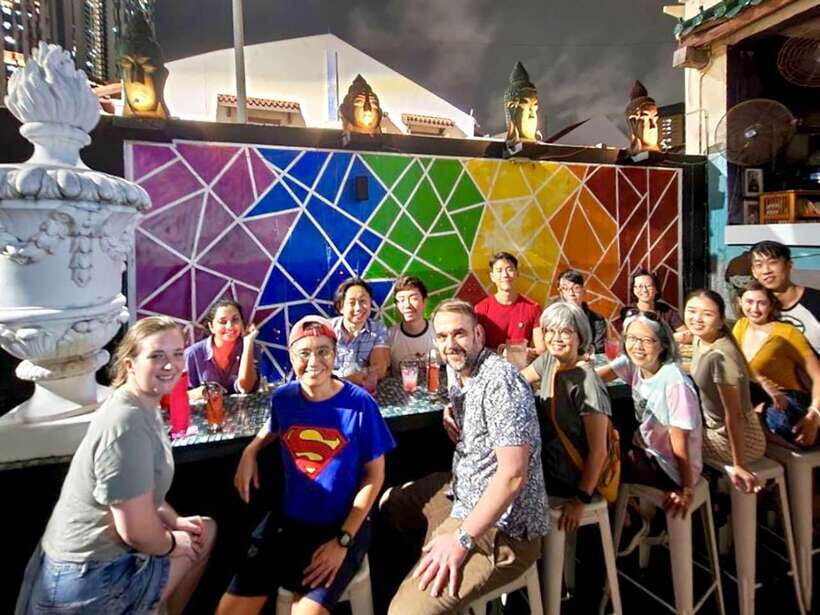
- Finish at a queer social venue: a complimentary house pour, with non-alcoholic options.
- Small-group energy (based on feedback): reviews point to an intimate feel on at least some days.
Meeting Ikigai Izakaya and getting your bearings
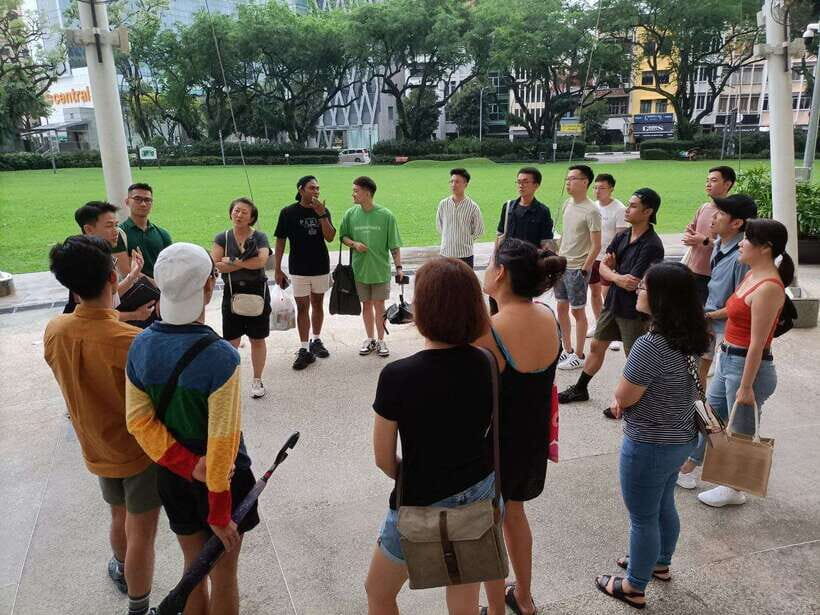
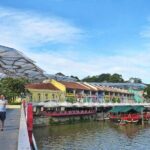
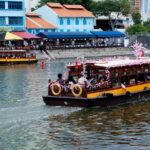
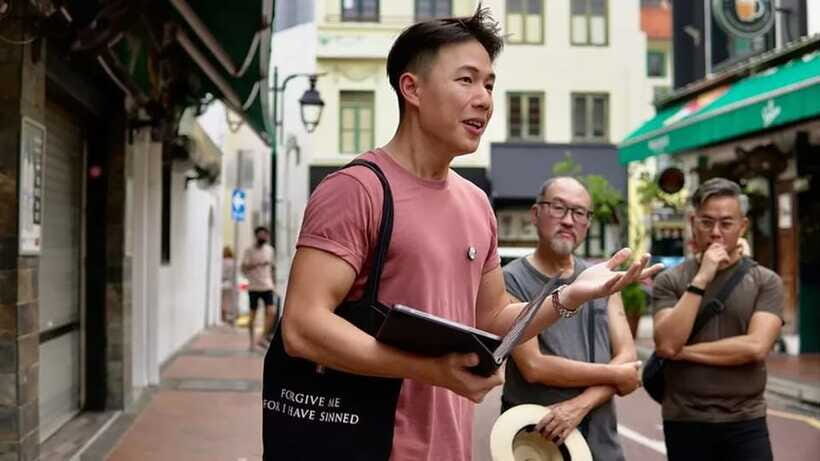
The tour starts at the entrance of Ikigai Izakaya (The Riverwalk). Your guide will be carrying a black tote bag and standing facing the riverfront. I like this kind of meeting point because it’s easy to spot and it gives you a clear “we’re on the water side now” reference before you move.
You begin with about 30 minutes of guided context at the start. This is the moment where the guide helps you read Singapore’s contradictions without turning it into a lecture. Expect history plus practical ways to notice what’s around you—street design, how areas feel at different times, and why the same city blocks can hold very different meanings depending on who’s telling the story.
This first segment sets the tone for the walk. It also matters because the tour’s theme isn’t just celebrating pride—it includes the parts that were once criminal, and the awkward in-between years when people had to stay quiet to stay safe.
You can also read our reviews of more walking tours in Singapore
Why the stop-by-stop route feels different from a typical walking tour
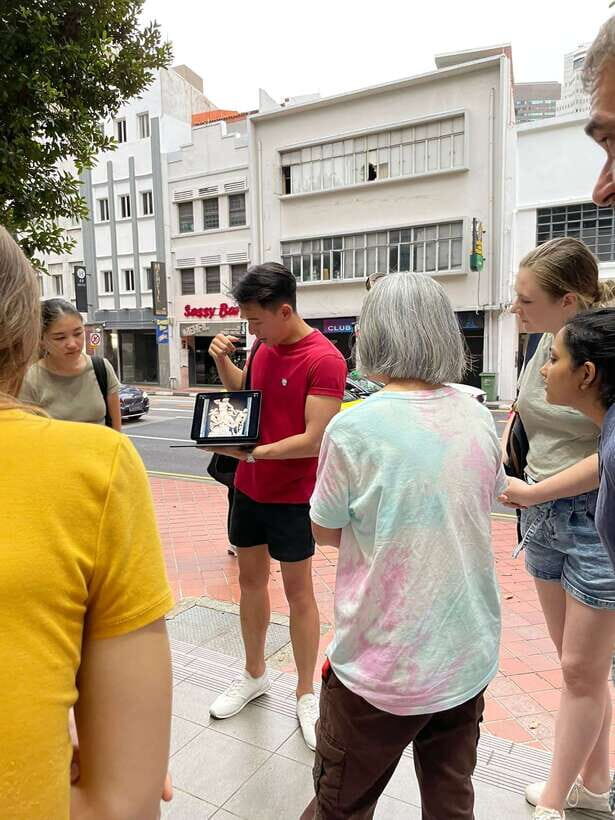
A lot of history walks “talk at you.” This one aims to do the opposite: it uses planned stops and viewpoint moments so your eyes do work, too. You’ll hit multiple viewpoint stops—one with a sightseeing focus and another with guided commentary—so you can connect the spoken story to what you can literally see in front of you.
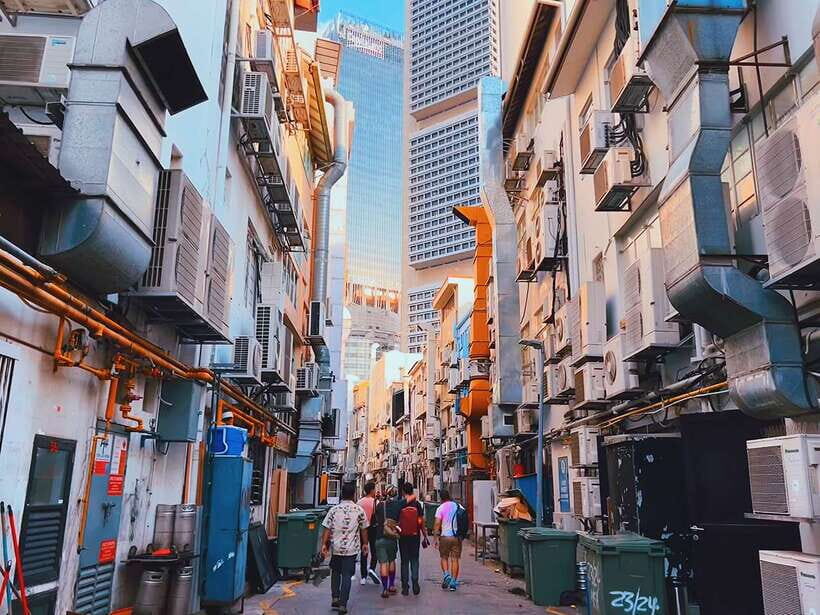
I like that the tour is described as taking you through central Singapore in a way that reflects real social patterns: small lanes where closeted exchanges happened, and larger open spaces where pride is openly celebrated. That contrast is the whole point. You’re not just learning LGBTQ milestones; you’re learning how place shapes behavior and belonging.
And because the guide is licensed and the route includes visual cues, you’ll likely come away with more than a list of events. You should leave with a better sense of how Singapore’s public spaces and private lives have been negotiating visibility for decades.
Two viewpoint stops: seeing change in the city’s structure
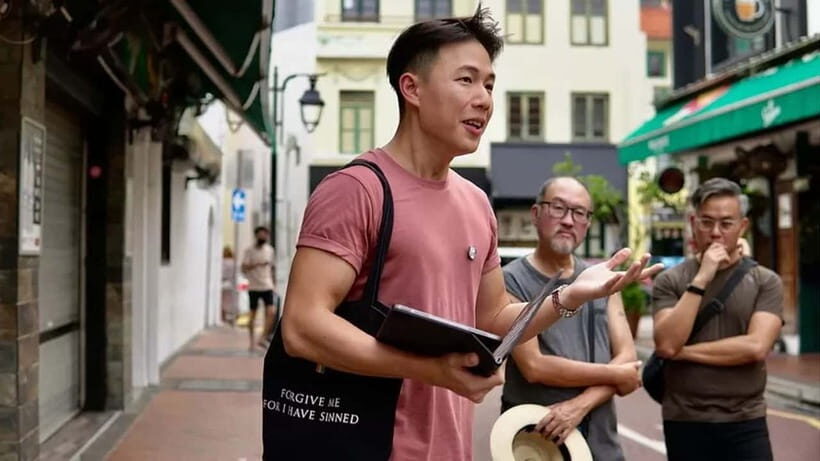
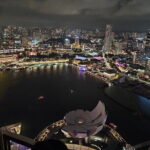
After the start at Ikigai Izakaya, the schedule brings you to the first viewpoint period (about 30 minutes). Then you return for another 30 minutes with guided interpretation. Even though the exact visuals aren’t spelled out here, the structure tells you what the guide is doing: pause, look, then explain what you’re meant to notice.
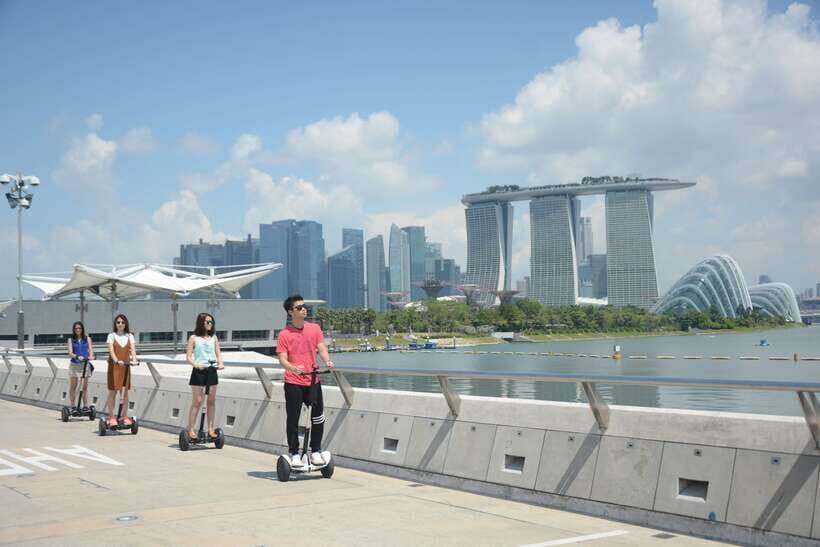
This is where I think the tour’s format shines. Viewpoints force you to slow down. You stop moving long enough to notice the city’s angles and lines—how streets open up, how sightlines work, and how being in public can feel completely different from being tucked away.
It’s also the right place for the harder threads of the story to land. The description emphasizes progress “and little” progress, and that kind of nuance needs more than quick stops. You’ll get time to absorb the idea that rights and recognition didn’t arrive all at once.
The sunset hour: Pride, pressure, and the Singapore you live in
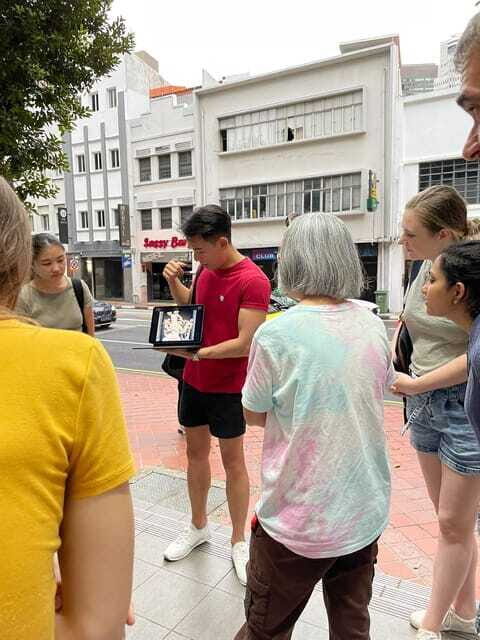
The itinerary then shifts into a longer sunset segment (about 1 hour) around Singapore. That timing isn’t random. Late light changes how you experience a place, and it also mirrors the tour’s contrast between earlier secrecy and today’s more visible celebration.
This is the part where you’ll likely cover more of the “past and present” angle, including how local queer culture and community developed over time. The tour is framed as charting how well (and how little) Singapore progressed as an inclusive nation, and the sunset hour gives enough space for the guide to connect milestones with lived realities.
From the way the tour is described, I’d expect the guide to keep returning to the theme: LGBTQ history isn’t separate from Singapore’s main story. It’s part of it. Pride doesn’t erase hardship; it answers it.
If you’re a “walk-and-talk” person, this is the sweet spot. If you’re not, just remember: sunset pacing usually makes the walk feel less like a timeline and more like a conversation with the city.
Finishing at Slippery Slope: snacks, souvenirs, and a house pour
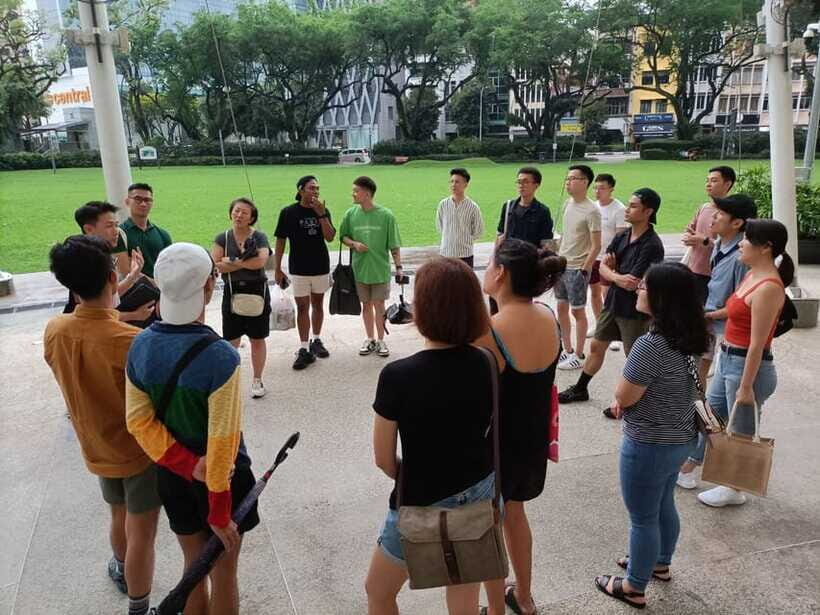
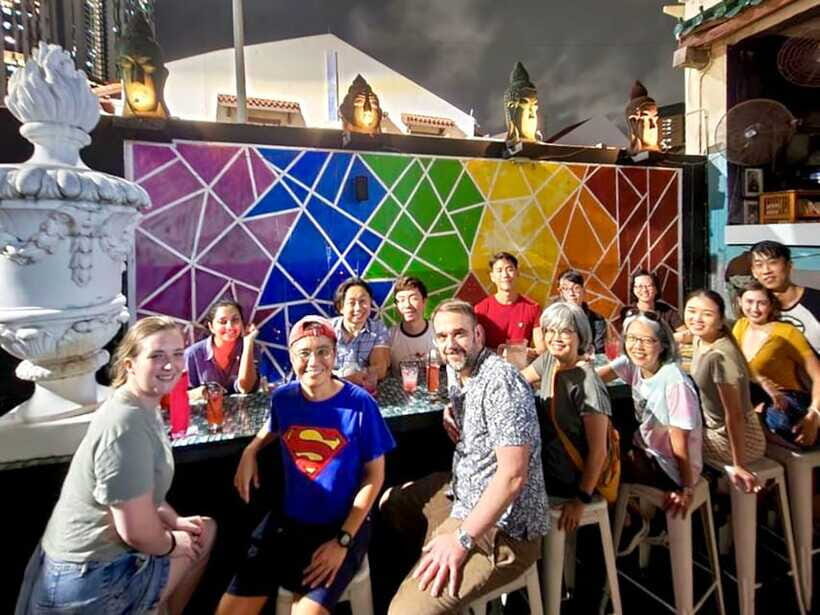
The tour ends at Slippery Slope. This matters because it turns the history walk into something more social and less formal. You’re not just learning about community; you’re stepping into a place designed for conversation.
At the finish, you’ll get a complimentary house pour. Importantly, the tour says non-alcoholic options are available, so you’re not forced into a drink to participate. The included drink is also a practical perk: after 150 minutes of walking and discussion, it gives everyone a simple shared moment.
You’ll also have snacks included during the experience. These are individually packed for hygiene, and since the tour includes walking time and an end-of-tour venue, that little food support can save you from getting “hangry” right when you’d rather listen.
Finally, you’ll receive token souvenirs designed specially for the tour. They’re small, but they’re useful as a reminder of the places you visited and the themes you discussed.
You can also read our reviews of more historical tours in Singapore

Price and value: is $57 actually fair?
At $57 per person for a 150-minute guided walk, the value depends on what you want from a city tour—and this one comes with enough extras that it’s not just “pay for walking.”
Here’s where the price seems to earn its keep:
- Licensed guide + structured route: you’re not self-guiding, and the stop plan is part of the product.
- Snacks included: individually packed, which is practical for comfort and hygiene.
- End-of-tour house pour: with non-alcoholic alternatives.
- Token souvenir: small, but included.
- English-language tour with a format that’s approachable for people regardless of background.
You also get something harder to price: a guided way to understand LGBTQ history that includes both celebration and the painful reality that queer communities faced criminalization. That’s the kind of context that turns a sightseeing city into a place with meaning.
Who this tour is for (and who might pass)
This tour is open to all, so you don’t need to identify as lesbian, gay, bisexual, trans, queer, or asexual to join. That openness is a plus for you if you’re traveling with friends who have different levels of comfort with LGBTQ topics. The tour is designed for learning, not performance.
You’ll likely enjoy it most if:
- you like walking tours with time to stop and look
- you care about understanding context, not just landmarks
- you want local tips mixed into history
- you enjoy guides who can balance sad and funny moments without making light of the subject
You might want to skip or choose a lighter option if:
- you dislike long walking segments (the tour is 150 minutes)
- you need minimal discussion and prefer straight sightseeing only
What the guide style seems to bring (from strong feedback)
One name comes up repeatedly in feedback: Isaac. Reviews describe him as friendly, humorous, and strong at balancing information, city sights, history, and local tips. That matters because LGBTQ history can get heavy fast. A good guide keeps it grounded, clarifies what to notice, and makes room for human stories without flattening them into a single tone.
Also, multiple reviews mention the experience as fun as well as educational. That’s not a small detail. When a topic is both important and emotional, the best tours help you stay present and receptive.
Should you book this LGBTQ History Walking Tour in Singapore?
If you want a Singapore experience that connects city streets to real community stories, this is an easy yes. For the $57 price, you’re getting a licensed guide, a stop-by-stop route with viewpoints, included snacks, and a finish at Slippery Slope with a complimentary house pour (non-alcoholic options available).
Book it if you like walking tours with purpose and you want a route that shows how visibility changed over time. Consider it carefully if you’re sensitive to longer walking or prefer tours that stick to pure sightseeing with fewer personal story elements.
Either way, you’ll leave with a more grounded sense of Singapore—one where LGBTQ history isn’t a side note, but part of how the city formed.
FAQ
How long is the LGBTQ History Walking Tour in Singapore?
The tour lasts 150 minutes.
Where do I meet my guide?
Meet at the entrance of Ikigai Izakaya, The Riverwalk, facing the riverfront. The guide will be carrying a black tote bag.
What language is the tour conducted in?
The tour is conducted in English.
What’s included in the ticket price?
The tour includes snacks, a token souvenir, and a complimentary house pour at the end (with non-alcoholic alternatives available).
Is the tour open to people who don’t identify as LGBTQ+?
Yes. The tour is open to all and you do not need to identify as LGBTQ+ to attend.
Can I cancel for a full refund?
Yes. You can cancel up to 24 hours in advance for a full refund.