REVIEW · SINGAPORE
UNESCO Hawker Culture: Chinatown Food Tasting Tour
Book on Viator →Operated by LC Travel Planners · Bookable on Viator
Chinatown comes with shortcuts and stories. This UNESCO Hawker Culture tour threads temples and shophouses into a practical food walk, so you’re not stuck guessing what to order at busy hawker centres. I like that the licensed local guide does the hard part—timing stops and picking food you’ll want to eat again. One drawback: it’s still a walking tour, so if you tire fast, you’ll want to go in with comfy shoes and a slow pace mindset.
I also love the mix of food with real place-making. You’ll hit Sri Mariamman Temple, see Chinatown’s architecture and street art, and end with a traditional coffeehouse hot drink—so the food sits inside the culture that created it. With a maximum of 10 travelers, the pace usually feels doable rather than rushed.
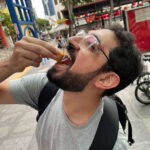
If you’re trying to understand Singapore beyond a photo stop, this is a smart way to get oriented fast. The tastings are built for variety across Malay, Indian, and Chinese influences, including the signature chicken rice.
In This Review
- Key Points You’ll Care About
- Chinatown Food With UNESCO Hawker Culture Logic
- How the Tour Works in Real Life (3 Hours, 9–10 Dishes)
- Stop-by-Stop: Temples, Shophouses, and Hawker Icons
- Stop 1: Sri Mariamman Temple (Free, about 10 minutes)
- Stop 2: Ann Siang Hill Park (Free, about 15 minutes)
- Stop 3: Maxwell Food Centre (Free, about 35 minutes)
- Stop 4: Buddha Tooth Relic Temple and Museum (Free, about 10 minutes)
- Stop 5: Chinatown (Chinatown Complex area, Free, about 20 minutes)
- Stop 6: Smith Street + Traditional Coffeehouse (Free, about 30 minutes)
- What You’ll Actually Eat (and Why It’s Not Just Random Snacking)
- Coffeehouse Break on Smith Street: The Part People Forget They Need
- Price and Value: When $88.81 Feels Fair
- Who This Tour Fits Best (and Who Might Want to Rethink)
- Should You Book This Chinatown Hawker Tasting Tour?
- FAQ
- How long is the UNESCO Hawker Culture: Chinatown Food Tasting Tour?
- How many dishes and drinks will I taste?
- What’s included in the price of $88.81 per person?
- Where do I meet the tour, and where does it end?
- Is this a large group tour?
- What major stops are part of the route?
- Is free cancellation available?
Key Points You’ll Care About
- Up to 10 handpicked tastings at famous hawker centres, including vendors recognized by Michelin Bid Gourmand Award
- A small-group route (max 10 travelers) that keeps the walking realistic during a ~3-hour loop
- UNESCO Hawker Culture context without a lecture, using temples and neighbourhood history as the storyline
- Instagram-friendly murals and shophouses, especially around Smith Street and Chinatown Complex
- A traditional coffeehouse pause for a hot drink that balances all the eating
- Guides who manage questions well, with tour stories often centered on Singapore’s past and present (you may be guided by people like Jeanette, Liang, Ron, Silvia, or Ronnie)
Chinatown Food With UNESCO Hawker Culture Logic
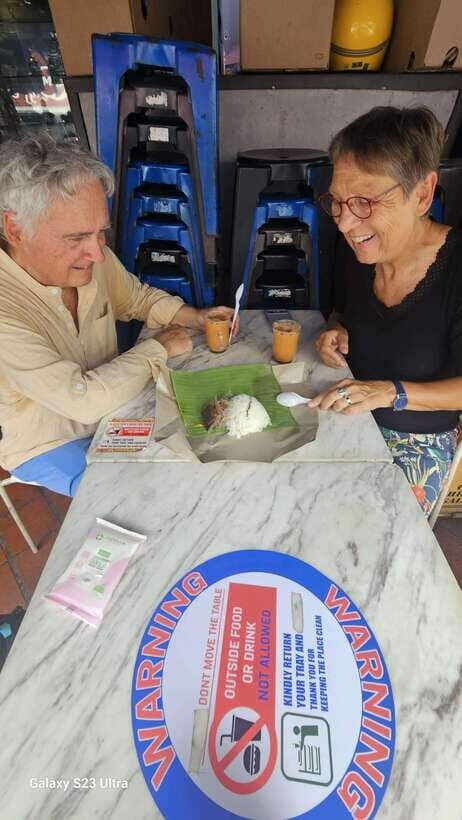
Singapore’s hawker culture is UNESCO-recognized intangible heritage, but the experience can be chaotic if you walk in cold. The courts have hundreds of dishes, lines move unpredictably, and menus can be confusing even when you can read them. This tour solves that with a guide who picks from the places that local food culture actually revolves around.
What I like most is that the tour doesn’t treat hawker food as a checklist item. It places it in the surrounding world—temples, immigrant-era streets, and old shophouses—so your brain connects the dots between migration, trade, and what ends up on your plate. It’s still very much a food tasting, but it makes the food make sense.
You can also read our reviews of more food & drink experiences in Singapore


How the Tour Works in Real Life (3 Hours, 9–10 Dishes)
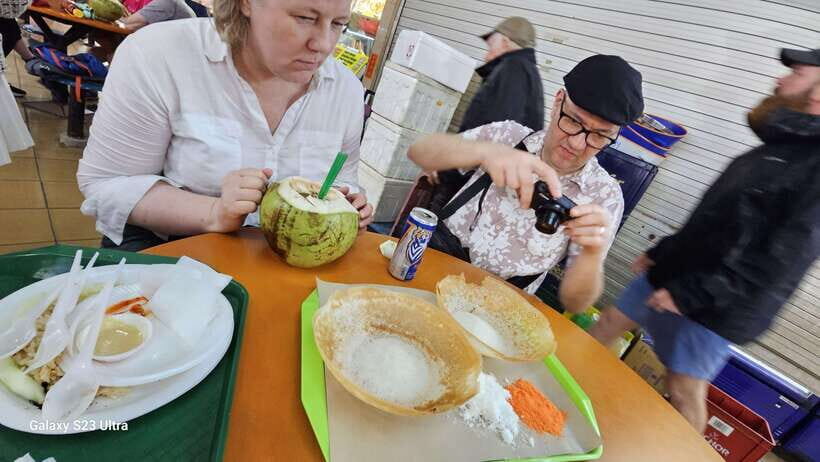
The plan is simple: about 3 hours with a licensed local guide and a small group (up to 10). You’ll taste 9–10 handpicked food and drink items across several hawker spots, plus you get 1 bottle of mineral water to keep you comfortable while you eat.
Because the tasting portion is fixed, you can pace yourself without the stress of ordering full meals at every stop. You’ll likely leave satisfied but not miserable, which is the whole point when you’re sampling so many items in such a short time.
Practical note: the tour includes multiple walking segments and short orientation stops. You don’t need to be an athlete, but you should plan for city walking and some time standing.
Stop-by-Stop: Temples, Shophouses, and Hawker Icons
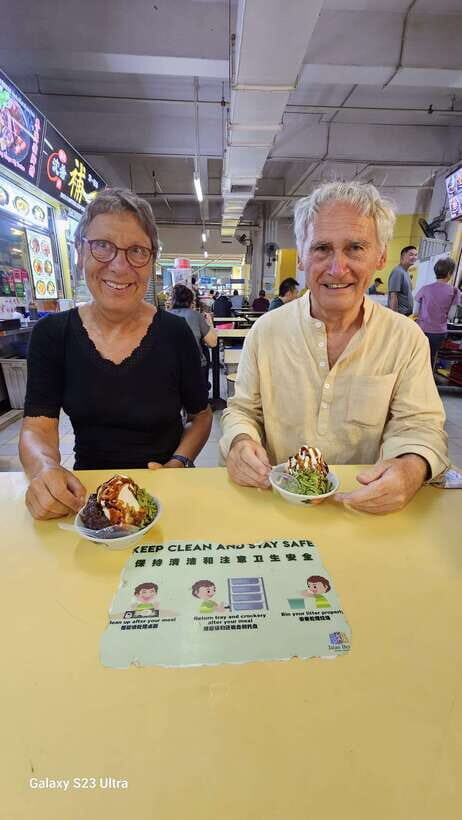
This route is designed like a story—religion and community first, then food, then the visual identity of Chinatown and coffee culture.
Stop 1: Sri Mariamman Temple (Free, about 10 minutes)
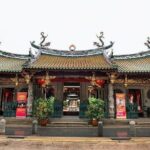
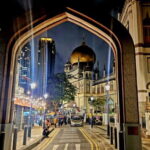
Sri Mariamman Temple traces back to 1827, founded by Naraina Pillai, a major figure in Singapore’s Indian community. It’s recognized as a National Monument, and that matters because it frames Chinatown area food culture within the wider, multi-ethnic Singapore story.
Even if you only spend around 10 minutes here, the payoff is big: you get a sense of the community roots and how different groups built life around shared spaces. It also sets a reflective tone before you start eating at high-energy hawker centres.
Stop 2: Ann Siang Hill Park (Free, about 15 minutes)
Ann Siang Hill Park is tied to the days when this area was a bustling business centre for Chinese immigrants. You’ll notice the preserved or restored architectural feel, including restored shophouse character in the surrounding area.
This stop is short, but it helps you see Chinatown as more than a food zone. You’re getting the “why here” behind the streets you’ll be walking next—trade, settlement, and neighbourhood shape.
You can also read our reviews of more tours and experiences in Singapore

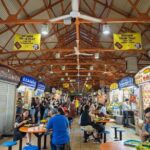

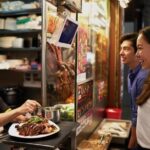
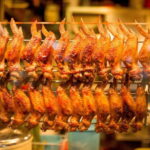
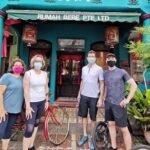
Stop 3: Maxwell Food Centre (Free, about 35 minutes)
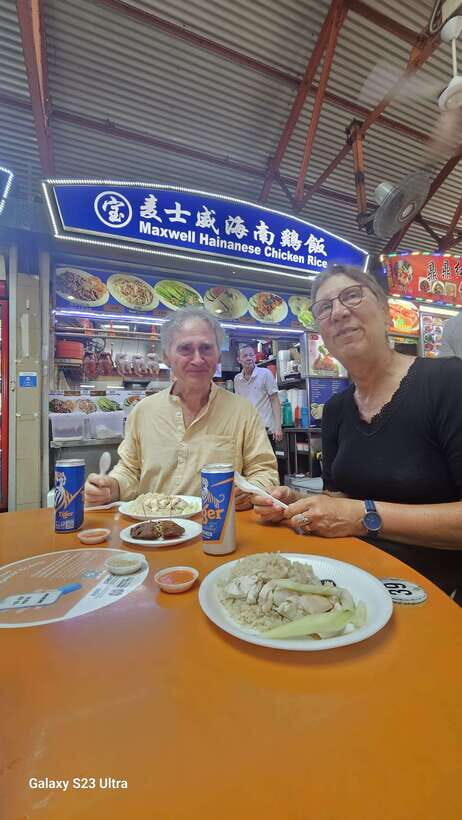
Maxwell Food Centre is one of the places where hawker food feels truly essential. This stop is long enough that you won’t just pop in and out; you’ll get time for the tasting experience to land.
You can expect classic hawker dishes tied to Singapore’s identity, including chicken rice, plus other favourites such as Fuzhou pancakes. Maxwell is also a good contrast point: you’ve seen the heritage layer already, now you taste the everyday engine that keeps the culture alive.
Drawback to keep in mind: hawker centres can be noisy and crowded. A guide helps you navigate the flow, but you’ll still be in the thick of the action.
Stop 4: Buddha Tooth Relic Temple and Museum (Free, about 10 minutes)
This Tang-styled Chinese Buddhist temple brings you into a different kind of atmosphere—more structured, more contemplative, and visually detailed. The museum component adds context on Buddhist art and history across thousands of years.
There’s also a cultural hook: the temple houses a relic said to be connected to Buddhist tradition. Even if you’re not a deep religious-history person, the interior design and the museum exhibits help you understand the spiritual side that often coexists alongside daily food life.
Stop 5: Chinatown (Chinatown Complex area, Free, about 20 minutes)
Here you’re looking at Chinatown as architecture and everyday commerce. Chinatown Complex is described as a repository of architectural heritage, with shophouses featuring Chinese-style tile ornaments and motifs.
This stop also has a “how it used to work” element. It connects the dots between shophouse life and the role of street hawkers—where food wasn’t an afterthought, it was part of the neighbourhood rhythm. It’s a nice palate cleanser between temple moments and the final alley walk.
Stop 6: Smith Street + Traditional Coffeehouse (Free, about 30 minutes)
Smith Street is the photo-and-stroll finale: several alleys with shophouse character, plus Instagrammable murals by local artist Yip Yew Chong. It’s also where the tour deliberately slows down.
You’ll finish with a rest stop at a traditional coffeeshop and a hot drink that leans into Singapore’s coffee nostalgia. This is one of the smartest parts of the itinerary because you’ve been eating for hours. A warm drink helps reset your senses and makes the ending feel like an actual ending, not just more food.
What You’ll Actually Eat (and Why It’s Not Just Random Snacking)
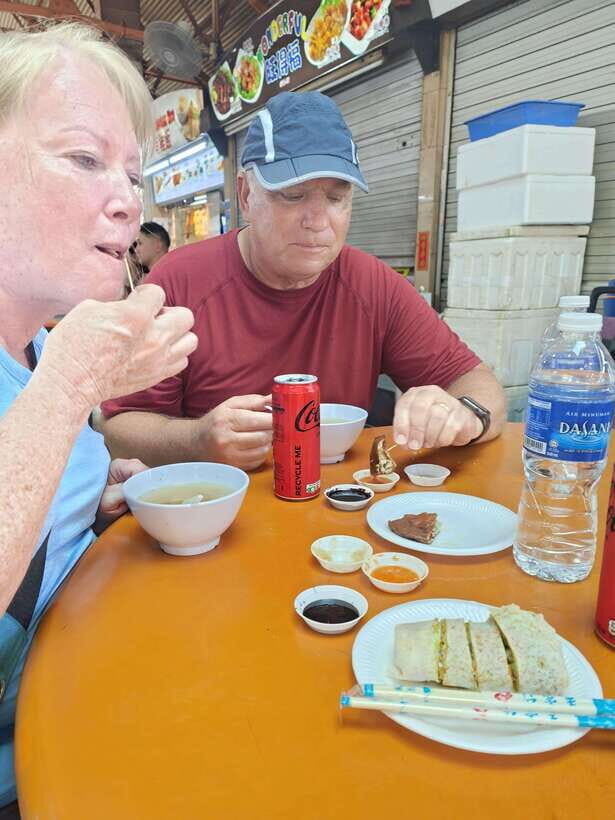
The tour says you’ll taste up to 10 hand-picked dishes and drinks across hawker centres, including vendors recognized by Michelin (Michelin Bid Gourmand Award is specifically noted). In practice, that means you’re not left with the guesswork of what’s worth the line.
The signature anchor is chicken rice, which is often the dish visitors use as a benchmark for Singapore hawker standards. But the value is in the variety: you’ll sample beyond chicken rice, including items tied to Chinese and Indian influences that reflect Singapore’s fusion reality.
A big reason this works: the guide handles ordering and dish selection so your group stays together. That matters because hawker food is an easy place to waste time if you’re deciding dish by dish while hungry.
If you have strong preferences—super spicy, no pork, vegetarian-only—this is where you’ll want to plan ahead and ask questions at the start. The tour is built around a fixed tasting set, so you don’t want surprises.
Coffeehouse Break on Smith Street: The Part People Forget They Need
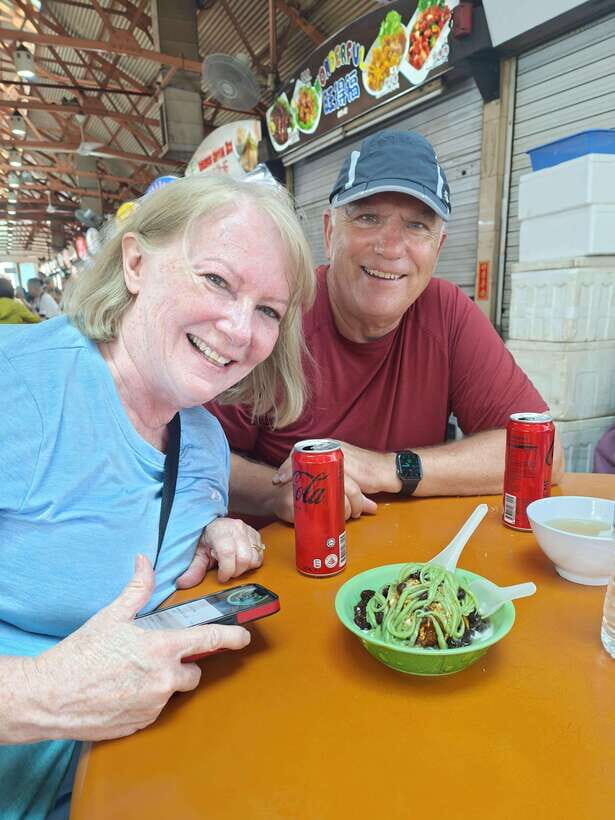
The hot drink stop is not filler. It’s a deliberate change of pace after hawker intensity. Even a small coffee or tea moment can make the food experience feel more complete because you get something warm to sip rather than only eating.
This also helps with pacing. By the time you’re on Smith Street, you’ve already done temples, shophouses, and at least one major hawker centre. A traditional coffeeshop pause gives you a chance to sit, regroup, and absorb what you’ve seen.
Price and Value: When $88.81 Feels Fair
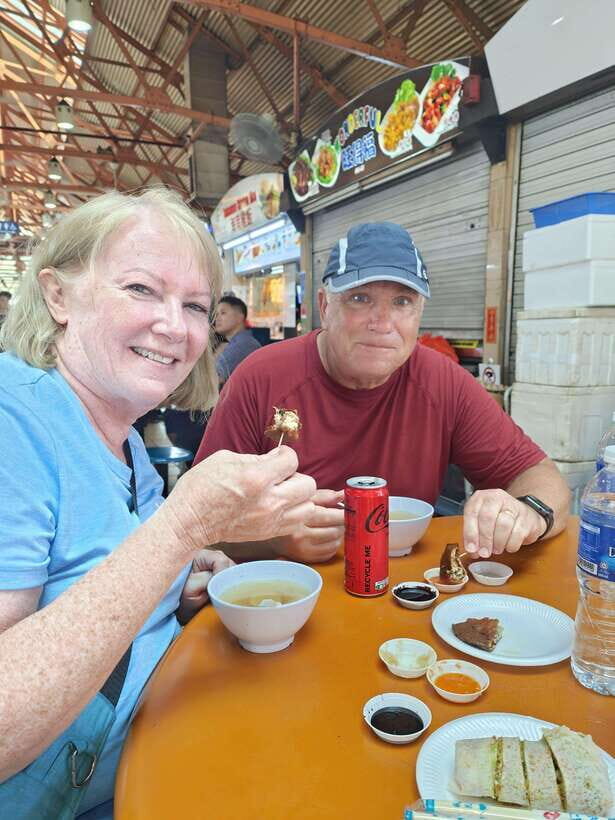
At $88.81 per person, the headline question is: do you get enough to justify the cost? Here’s how the math works in real terms using the tour’s own promise.
You’re paying for:
- ~3 hours with a licensed local guide
- 9–10 handpicked food and drink tastings
- 1 bottled mineral water
- A route that includes multiple cultural stops, not just one hawker court
The way I see it, the value comes from combining food + navigation + interpretation. If you did this on your own, you’d still have to figure out where to go, what to order, and how to avoid wasting time between spots. Paying for a guide buys you speed and confidence, especially in hawker settings where menus can be overwhelming.
Also, the group limit of 10 travelers keeps the tasting from turning into a crowded free-for-all. That matters, because a busy hawker centre already creates sensory pressure. A smaller group makes it easier for the guide to manage the flow.
Who This Tour Fits Best (and Who Might Want to Rethink)
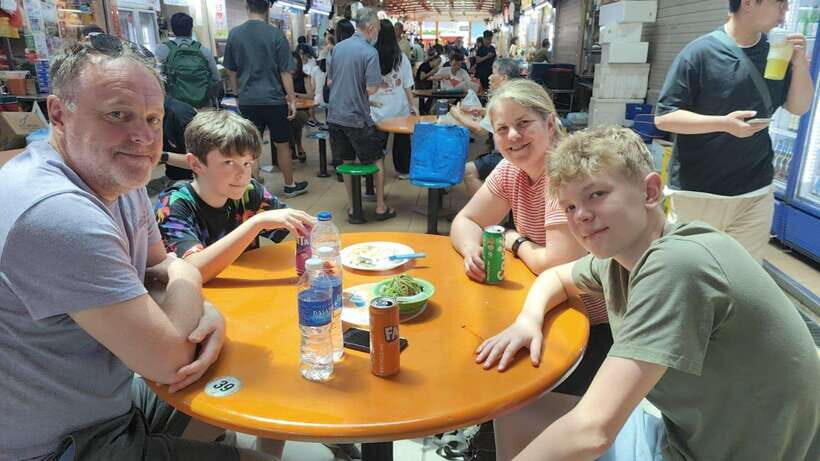
This tour is best for:
- First-time Singapore visitors who want a fast, structured way to understand Chinatown and hawker culture
- Food lovers who want variety in one go instead of picking only one dish
- People who enjoy history in small pieces—short stops that add context without turning into a classroom
You might rethink the tour if:
- You don’t handle walking well, since the route includes multiple stops and an active urban stroll
- You have very specific dietary needs and want full control over every dish (the tasting set is handpicked)
If you’re traveling with kids, the tour notes a child policy (based on the number of child tickets relative to adult tickets). If you’re unsure, it’s worth checking your exact situation before booking.
Should You Book This Chinatown Hawker Tasting Tour?
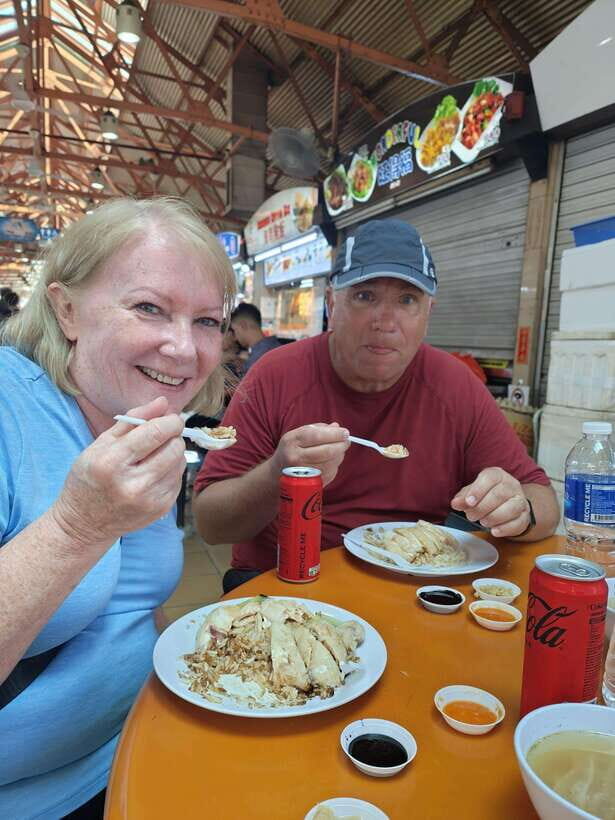
Here’s my quick decision checklist.
Book it if you want:
- UNESCO-recognized hawker culture plus real Chinatown landmarks in one afternoon
- A guide-led plan that helps you sample around 10 dishes instead of ordering blind
- A finish at Smith Street that mixes murals, shophouses, and a hot drink
Consider passing or choosing another format if:
- You want a pure foodie hunt with total freedom to choose every dish yourself
- You’re very sensitive to crowds and noise inside hawker centres
If you’re on the fence, my bias is simple: this is one of the best ways to make Singapore’s food culture feel clear quickly. The route gives you context, the tastings do the eating work for you, and the coffeehouse stop makes the whole thing feel balanced.
FAQ
How long is the UNESCO Hawker Culture: Chinatown Food Tasting Tour?
The tour runs for about 3 hours.
How many dishes and drinks will I taste?
You’ll taste 9–10 handpicked food and drinks, including hawker classics like chicken rice.
What’s included in the price of $88.81 per person?
Included are 1 bottle of mineral water, 9–10 handpicked tastings, and 3 hours with a licensed local guide.
Where do I meet the tour, and where does it end?
You start at Bee Cheng Hiang 美珍香, 69 Pagoda Street. The tour ends at Chinatown Complex, 335 Smith St (the nearest MRT station noted is Maxwell).
Is this a large group tour?
No. The tour has a maximum group size of 10 travelers.
What major stops are part of the route?
The itinerary includes Sri Mariamman Temple, Ann Siang Hill Park, Maxwell Food Centre, Buddha Tooth Relic Temple and Museum, Chinatown (Chinatown Complex area), and Smith Street with a traditional coffeeshop stop.
Is free cancellation available?
Yes. You can cancel up to 24 hours in advance for a full refund.