REVIEW · SINGAPORE
Chinatown Heritage Centre Tour Experience
Book on Viator →Operated by Chinatown Heritage Centre · Bookable on Viator
History here has voices, not just facts. The Chinatown Heritage Centre Insider’s Look guided tour brings old Chinatown to life through the personal accounts of a coolie, a samsui woman, and a hawker, all tied together by the theme Under One Roof.
I really like how the tour focuses on real daily life: you walk through recreated living spaces and look at authentic household items from 1950s Chinatown, then hear how those rooms shaped work, family, and survival. The storytelling can be especially memorable when guides like Ah Choo (TC), Swee Lin, or Mah Jie (Karen) take the lead with clear, character-driven narration.
One consideration: the tour starts at 5:30 pm and they ask you to arrive 15 minutes early, with no late entry and no re-entry once you’re in.
In This Review
- Key things to know before you go
- Chinatown Heritage Centre: what the tour really teaches
- Meet the people of old Chinatown: coolies, samsui women, hawkers
- Inside the recreated 1950s shophouses and household items
- Under One Roof: how different lives connect
- Guide styles and 90-minute pacing: what makes the tour memorable
- Price and value: is $36.40 worth it?
- Timing and practical tips for a smooth 5:30 pm start
- Who should book this, and who might not love it
- Should you book the Chinatown Heritage Centre Tour?
- FAQ
- What time does the Chinatown Heritage Centre tour start?
- How long is the tour?
- What is included in the ticket price?
- Do I need an English-speaking guide?
- Is a mobile ticket used?
- Are children allowed, and do they need tickets?
- Can I take photos with flash or bring food and drinks inside?
Key things to know before you go
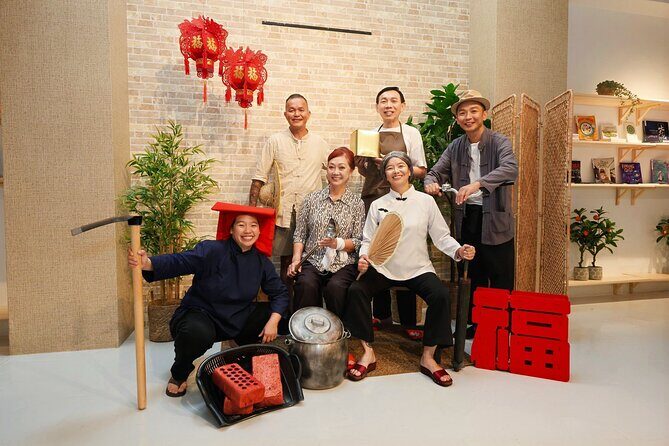
- Under One Roof ties separate lives together into one Chinatown story you can actually follow
- Recreated 1950s shophouses help you visualize what daily routines looked like, not just what happened historically
- Authentic artifacts and household items make the exhibits feel practical, not staged
- English guided programme plus exhibition admission is included in the ticket price
- No flash, no food or drinks inside means you’ll want to plan snacks outside beforehand
- 5:30 pm start makes it a nice evening history stop while Chinatown is still lively
Chinatown Heritage Centre: what the tour really teaches
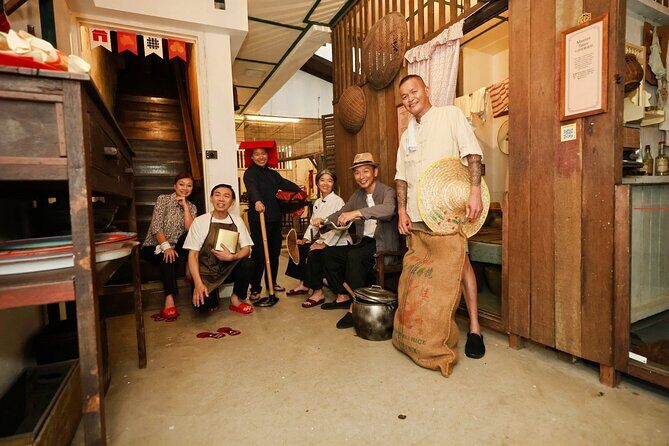
This is not a lecture. The Chinatown Heritage Centre tour works because it treats history like something that happened to real people with real choices. You’re guided through Chinatown’s past using stories shaped around key roles in the community: the coolie doing hard physical work, the samsui woman supporting family and livelihoods, and the hawker who fed others and built a reputation through daily commerce.
And the big connecting idea is Under One Roof. It’s the kind of theme that matters because Chinatown history isn’t only about big events. It’s also about how many lives had to operate side by side in tight quarters, sharing space, helping each other, competing, and surviving.
You’ll also appreciate the pacing. At about 1 hour 30 minutes, it’s long enough to absorb details, but short enough that you don’t feel stuck in a slow museum crawl.
You can also read our reviews of more historical tours in Singapore


Meet the people of old Chinatown: coolies, samsui women, hawkers
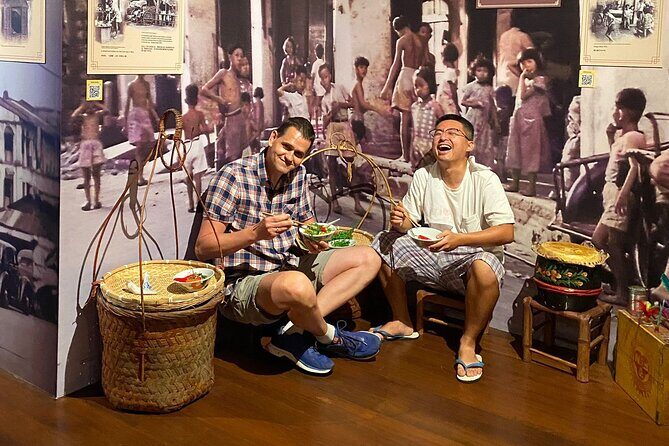
The strongest part of this experience is the way roles are turned into stories. Instead of generic labels, you get a sense of what each job demanded and what it meant for daily life.
A coolie’s story highlights physical hardship and the constant pressure of earning day to day. When you hear that kind of account while standing in the recreated rooms, it becomes easier to imagine how cramped living conditions shaped the way people rested, prepared food, and handled work. This is where the tour’s theme stays human: survival wasn’t abstract.
The samsui woman’s story brings another side—steadiness, responsibility, and the kind of resilience that shows up in small, repeated decisions. If you’re the type of visitor who likes history that explains family structure and community support, you’ll likely find this thread the most moving.
Then there’s the hawker. This isn’t just about food or commerce as a concept. You start to see hawking as a social job: you learn who comes by, how trust gets built, and why a small business could be more than a way to make money. It’s also a way to connect the neighborhood.
Inside the recreated 1950s shophouses and household items
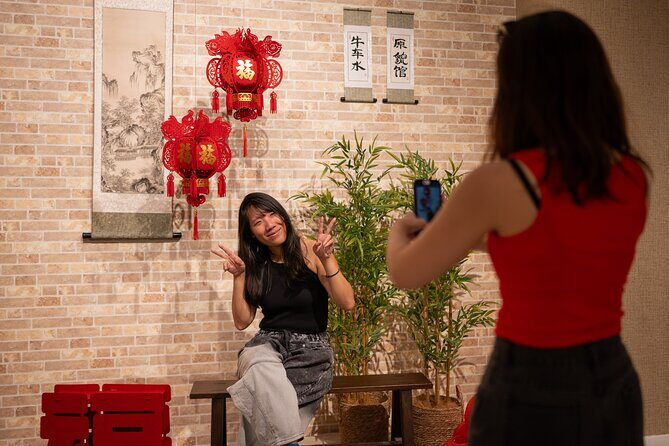
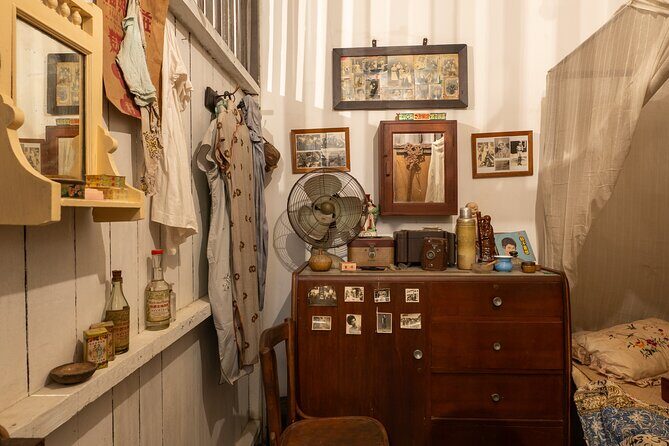
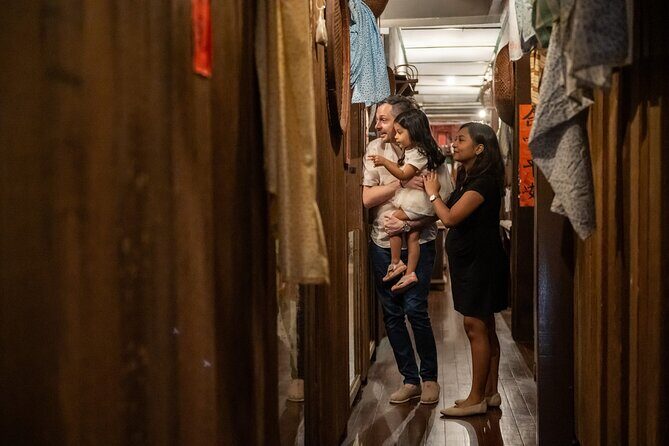
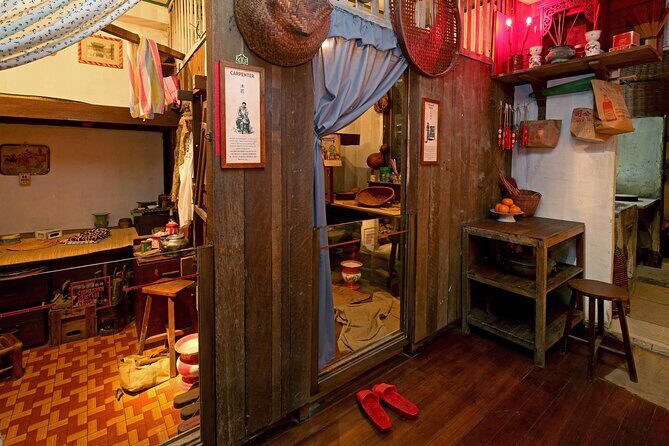
The main show happens at Chinatown Heritage Centre. The tour takes you into recreated living spaces and points you toward preserved shophouses and exhibition areas designed to feel like you’re stepping into everyday life.
What I like here is the level of specificity. You’re not just told that people cooked, worked, slept, and gathered. You’re shown household items—things that help you picture the rhythm of a home. Even if you don’t know much about Singapore’s Chinatown before you arrive, the physical details help your brain build the scene fast.
Also, because this is a guided programme included with your admission, you aren’t stuck guessing what you’re looking at. The guide’s narration helps make the objects meaningful: what they were used for, why they mattered, and how they fit into the bigger story of Chinatown’s community.
A practical note: the Centre sets clear rules—no flash photography, and no food or drinks inside. That’s actually good for the experience. It keeps the mood focused on the rooms and stories, not on distractions.
Under One Roof: how different lives connect
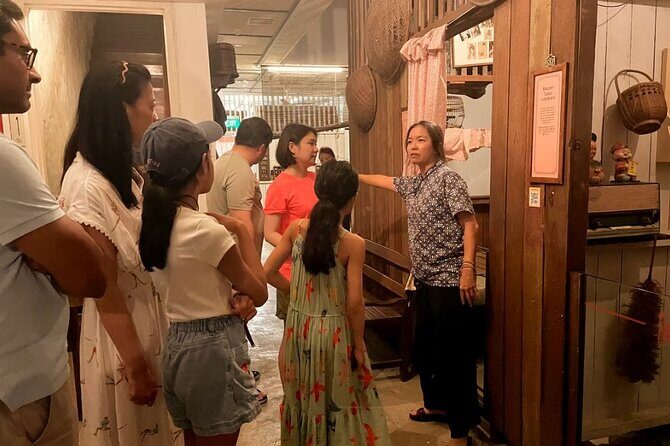
The Under One Roof concept is more than a catchy theme. It explains why Chinatown’s story feels so interwoven. Many people had separate jobs and separate pressures, but they still lived side by side, in shared streets and shared walls.
That’s what makes the connections land. You start understanding that community wasn’t only about friendships. It was also about logistics: where people could find support, how families made ends meet, and how survival strategies shaped who you trusted and what kind of neighbors you ended up with.
This approach works well if you’re the kind of visitor who dislikes history that treats communities like diagrams. Here, the tour nudges you to read Chinatown like a network of personal stories—jobs, rooms, routines, and the practical bonds that formed under the same roof.
Guide styles and 90-minute pacing: what makes the tour memorable
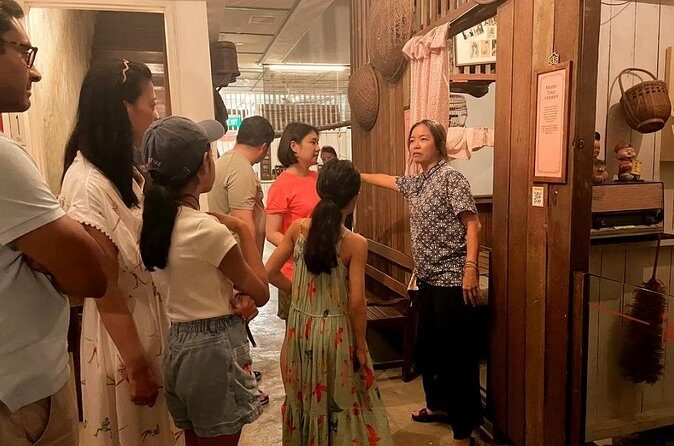
This tour lives or dies by narration. The good news: guides seem to bring strong character and clarity. Names that stood out in the experience include Ah Choo (TC), Swee Lin, and Mah Jie (Karen). Even without repeating stories from one guide to the next, the pattern is consistent: the tour works when the guide ties exhibit details to the human role you’re hearing about.
You’ll also notice the value of the format. Because the programme includes both the guided part and admission to the exhibition area, you’re not only hearing stories—you’re also spending time looking at the spaces and artifacts that the stories refer to.
If you learn best through a mix of explanation and looking, this is a great match. If you prefer self-paced museum wandering with lots of silent time, you might find yourself wanting a bit more control over pacing. Still, the length is reasonable, and you’ll leave with a clearer map of what you just saw.




Price and value: is $36.40 worth it?
At $36.40 per person, the headline value is that you’re buying two things at once: a guided programme in English and admission to the exhibition area. That matters because a lot of Chinatown experiences either focus only on a walk outside (without deep interior context) or only on general museum exhibits (without the story thread doing the explaining).
Here, your money goes toward the structure: you get a timed walkthrough tied to specific characters and themes, plus access to the exhibition spaces connected to those themes.
It’s also an easier value decision if you’re short on time. About 1 hour 30 minutes means you can fit this into an evening plan without wrecking your schedule. If you’re exploring Chinatown anyway, this adds depth without turning the day into a marathon.
One more value point: this is a mobile ticket experience, which tends to reduce friction on busy days. You’re less likely to scramble at the last minute.
Timing and practical tips for a smooth 5:30 pm start
The tour starts at 5:30 pm, and they ask you to arrive 15 minutes early. Late arrivals aren’t accommodated, so treat that window seriously. Chinatown can be busy, and small delays happen—slow crossings, crowded sidewalks, finding the exact entrance.
Here are a few simple ways to make it smoother:
- Eat before you go. Food and drinks aren’t allowed inside the Centre.
- Plan for cameras without flash. If photography is important to you, accept that you’ll be shooting in lower light.
- Wear comfortable shoes. Even inside a museum setting, you’ll likely be moving through rooms and exhibition areas.
Also keep in mind: re-entry isn’t allowed. So once you’re in, you should plan to stay through the programme rather than stepping out halfway to catch another nearby stop.
Who should book this, and who might not love it
This tour is a strong fit for you if you want:
- Chinatown history explained through people, not just dates
- a guided route through recreated spaces and related artifacts
- an English-speaking narration that helps you understand what you’re seeing
- an easy-to-time evening activity near public transportation
It’s also a good option for families, since the experience is described as suitable for all ages and children under 12 must be accompanied by an adult (and children need a paid ticket too).
Who might reconsider? If you dislike guided tours and strongly prefer free roaming, you may feel the structure is limiting. Also, if you’re hoping for a casual walk with lots of spontaneity, the fixed start time and strict entry rules may feel less flexible.
Should you book the Chinatown Heritage Centre Tour?
I’d book this if you want a focused, story-driven look at Chinatown that actually connects spaces to lives. The Under One Roof theme, plus the recreated 1950s shophouses and household items, gives you something many big-city history stops miss: clarity. You leave with a mental picture, not just general impressions.
Skip it only if you’re firmly in the camp of self-guided sightseeing and you don’t want narration shaping your experience. Otherwise, for the price and the 1 hour 30 minutes length, it’s a practical way to add real depth to a Chinatown visit.
FAQ
What time does the Chinatown Heritage Centre tour start?
The start time is 5:30 pm.
How long is the tour?
The duration is about 1 hour 30 minutes.
What is included in the ticket price?
The ticket includes a guided programme in English and admission to the exhibition area.
Do I need an English-speaking guide?
Yes. The guided programme is offered in English.
Is a mobile ticket used?
Yes, the experience uses a mobile ticket.
Are children allowed, and do they need tickets?
All guests, including children, need a paid ticket. Children under 12 must be accompanied by an adult.
Can I take photos with flash or bring food and drinks inside?
No flash photography is allowed, and food or drinks are not allowed inside the Centre.