REVIEW · SINGAPORE
Ultimate Food Journey
Book on Viator →Operated by Tribe Tours · Bookable on Viator
Food walks hit different in Singapore. With guide Veronica (English and Malay skills) and a max group of five, this 3-hour morning tour mixes market history with real tasting and hands-on cooking, centered on Singapore’s street-food culture and popiah-making.
I love how practical the format feels: you sample across hawker-style stalls and traditional shops, then you actually make your own spring rolls (popiah) instead of just watching. The only real drawback to plan for is the time of day and the standing/walking pace, plus the note that the activity needs good weather to run smoothly.
In This Review
- Key things I’d watch for on this Ultimate Food Journey
- A 3-hour Singapore food walk with more cooking than you expect
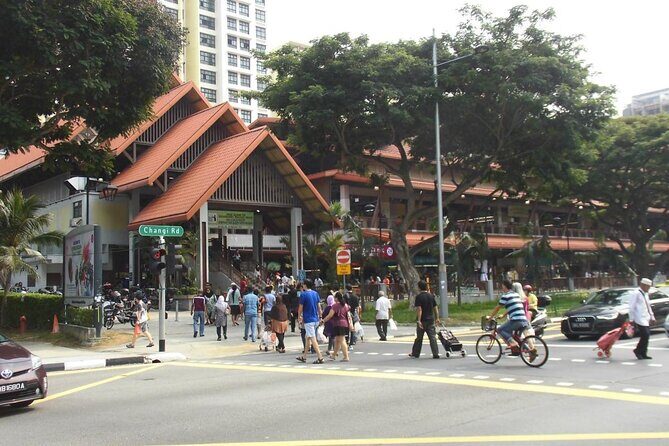
- Starting at Geylang Serai New Market: Malay market energy, up close
- Katong–Joo Chiat: where street food feels like neighborhood food
- The tastings: putu piring, kueh pie tees, and spring-roll ingredients
- Popiah making: the hands-on part that actually teaches you something
- Small group size: why you’ll get more than a checklist
- Timing, meeting point, and what to do before you go
- Price and value: is $104.91 worth it?
- Who this Singapore food tour suits best
- Should you book Ultimate Food Journey?
- FAQ
- How long is the Ultimate Food Journey in Singapore?
- What’s included besides tasting food?
- Where does the tour start, and when does it begin?
- How many people are in the group?
- Is there a cancellation option?
- Do weather conditions affect the tour?
Key things I’d watch for on this Ultimate Food Journey
- Small group of five means more attention when you’re learning popiah steps
- Geylang Serai New Market start gives you a Malay-market feel fast
- Katong–Joo Chiat area time adds a different neighborhood flavor to the morning
- Hands-on popiah making plus sampling classics like kueh pie tees and putu piring
- Mobile ticket + 9:00 am start keeps things simple, but bring comfy shoes for a walkabout
A 3-hour Singapore food walk with more cooking than you expect
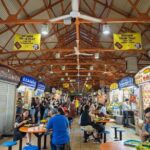
This tour is built for people who want Singapore food culture in a short window, without losing the local feel. You’re out in the morning, walking between wet markets, family-run shops, and hawker-style stalls, tasting as you go, and ending with a hands-on cooking session.
What makes it work is the balance. You get enough stops to try multiple flavors, but you’re not stuck in a long bus-and-lecture schedule. And because it’s small (up to five), you’ll spend less time waiting and more time asking questions while you’re eating and learning.
At $104.91 per person for about 3 hours, it’s not the cheapest way to eat. Still, I think it’s good value if you care about getting the “why” behind the food, not just the “what.” You’re paying for guided market routing, tastings, and an actual cooking component.
You can also read our reviews of more food & drink experiences in Singapore


Starting at Geylang Serai New Market: Malay market energy, up close
Your morning begins at Geylang Serai New Market at 9:00 am, and that’s a smart first choice. This is the kind of market where ingredients feel like the main characters—spices, produce, and packaged snacks all sitting in the same orbit.
A strong part of this stop is how the guide helps you read the market. You’re not just wandering; you’re learning what different produce and spices are used for, and how those flavors show up across Singapore cooking. One review I saw highlighted how Veronica guided people through both wet and dry market sections with history and ingredient context, which is exactly what you want early in a food trip.
If you’re a first-timer, this stop helps you get your bearings fast. You’ll start noticing patterns: how markets connect to specific cuisines, why certain snacks are popular, and what to look for when you’re later eating on your own.
Practical note: markets can be humid and busy. Wear comfortable shoes and plan to move at a steady walking pace for most of the morning.
Katong–Joo Chiat: where street food feels like neighborhood food
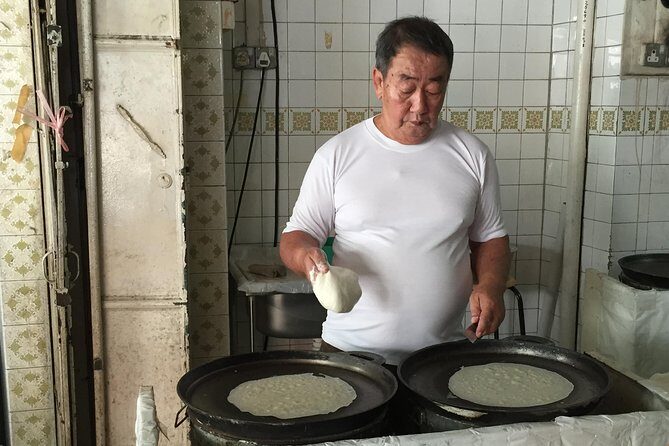
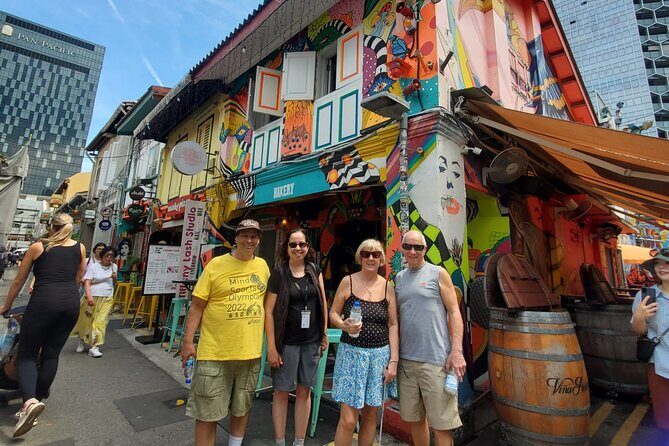
After the market intro, the route shifts to Katong–Joo Chiat, and it’s scheduled across more than one segment. That matters, because neighborhood food culture changes block by block in Singapore. Katong–Joo Chiat gives you a different vibe than the first stop, and it helps you compare what you’re tasting.
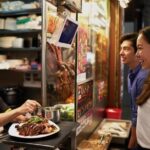
This is also where the tour leans into snacks and hawker staples. You’ll get time to sample local favorites and connect them to what you saw earlier—ingredients, sauces, and textures. The guide’s job here isn’t to force you into a checklist. It’s to give you enough context so you can understand what you’re tasting and choose your own orders later.
Expect lots of small bites rather than one huge meal. That’s good for variety, but it also means you’ll want to go in hungry and keep your appetite steady throughout the walk.
The tastings: putu piring, kueh pie tees, and spring-roll ingredients
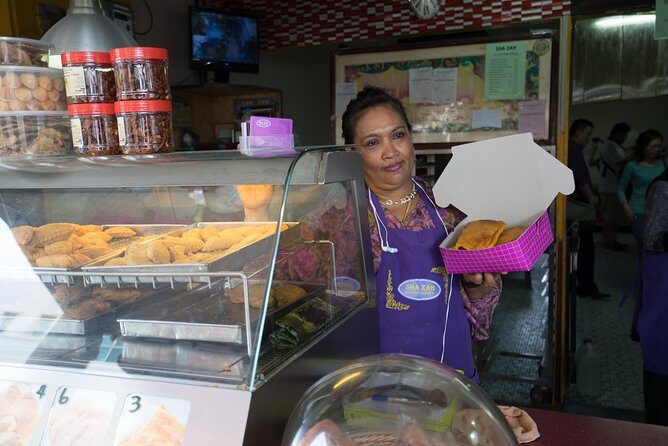
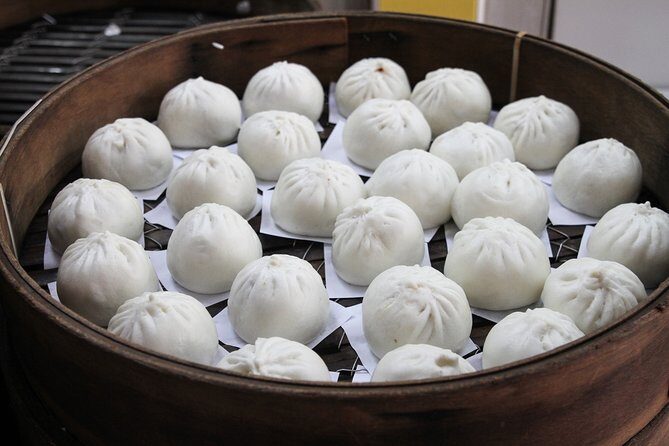
The tour’s menu focus is clear: you’ll sample putu piring, popiah, and kueh pie tees (plus other local snacks along the way). These aren’t random picks. They cover different categories of Singapore eating—sweet bites, savory handheld snacks, and dishes built around specific wrappers and fillings.
Here’s what I like about this tasting mix for your decision-making:
- Putu piring gives you a sweet, traditional snack experience so you’re not only eating savory food.
- Kueh pie tees is a savory tart you can appreciate for its texture—crispy shell versus filling contrast.
- Popiah connects everything because it’s both something you eat and something you learn to make.
If you’re the kind of person who always ends up “meaning to try that” later, this structure helps. You get several Singapore food signatures in one morning, without needing to know the menu codes ahead of time.
Popiah making: the hands-on part that actually teaches you something
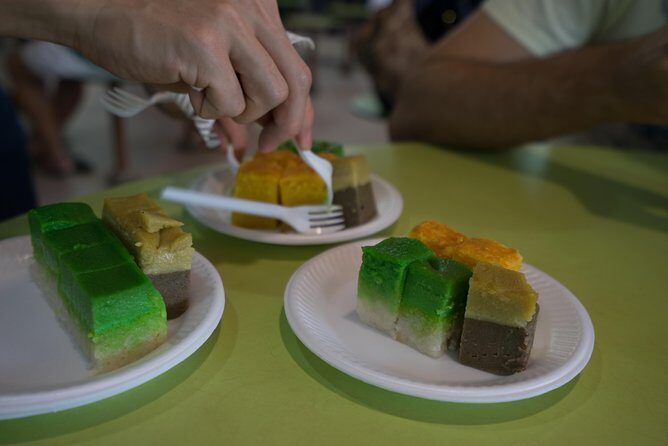
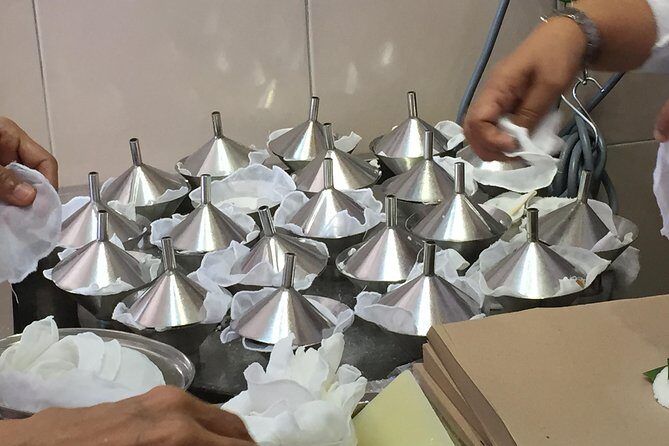
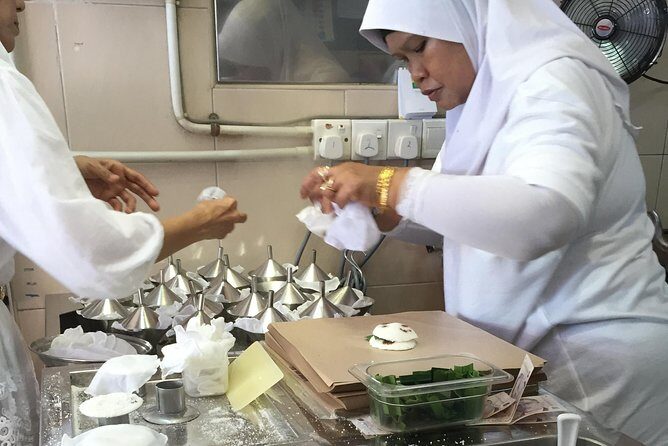
The heart of the experience is learning to make your own popiah, which is a fresh spring roll in Singapore food culture. The wording around the tour points to a real cooking class, not a passive demo. You’ll watch the process and then get hands-on, which is where you remember details.
Why this matters: popiah depends on small steps—rolling technique, wrapper handling, and how fillings come together. When you do it yourself, you can replicate the feel later even if you’re buying from a stall without a guide.
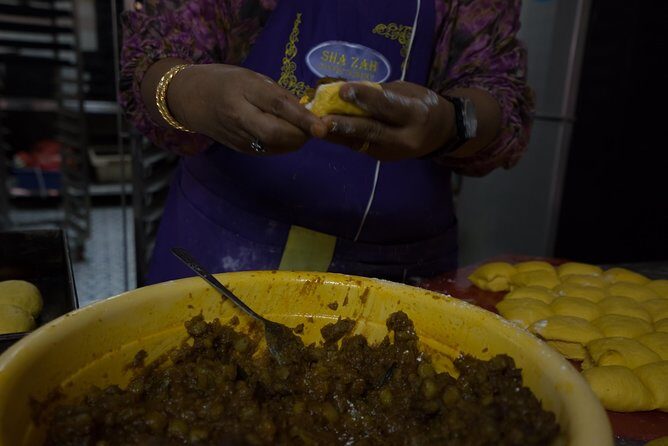
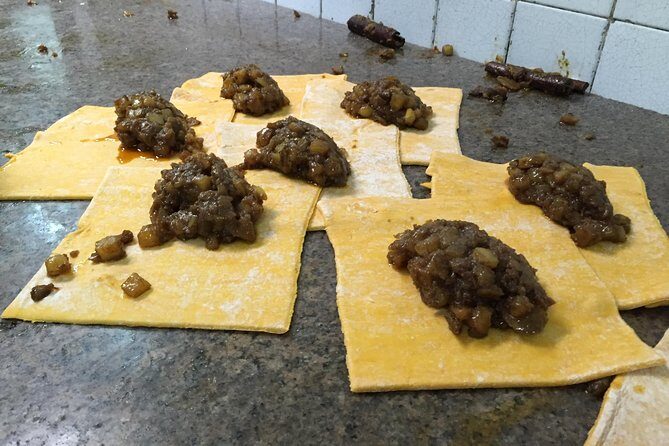
One review specifically called out the behind-the-scenes feel, including seeing aspects like how popiah skin is made and curry puffs at a local stop. Even if your exact moments vary, you should expect a similar “how it’s made” flavor to the experience.
Practical tip: if you’re sensitive to spicy flavors, say so early. The guide can usually help you choose bites and understand what you’re eating. And since you’re making a roll, you can adjust at the table with how much filling you use and how you layer things.
You can also read our reviews of more tours and experiences in Singapore


Small group size: why you’ll get more than a checklist
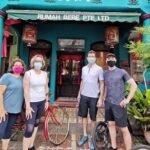
This is a maximum of five travelers tour, which changes the tone. In big groups, guides rush; in small groups, they can slow down just enough for you to catch details.
In particular, guides like Kenneth (noted for speaking English and Malay fluently) can handle questions in a way that keeps the food flowing. And when someone can answer quickly—what a spice is used for, why a snack is shaped a certain way—you get better understanding without the tour turning into a lecture.
I’d also call out the social comfort factor. With five people, you can focus on eating and learning without feeling like you’re squeezed into a loud moving crowd.
Timing, meeting point, and what to do before you go
The tour runs for about 3 hours and starts at 9:00 am at Geylang Serai, Singapore, then ends back at the meeting point. That start time is deliberate: markets and hawker centers are most lively in the morning, and you get tastings before the day gets too hot.
Plan to eat breakfast lightly or skip it if you get hungry fast. You’ll be sampling multiple items, and you’ll also want appetite for the cooking portion.
Also, bring a phone battery mindset. You’ll use a mobile ticket, and the whole thing relies on showing up on time and staying with the group.
If you prefer shade breaks, you might want to bring water. The data doesn’t mention refreshments beyond what’s included, so it’s smart to assume you’ll be moving most of the morning.
Price and value: is $104.91 worth it?
For $104.91 per person, you’re paying for three things at once:
1) Guided market routing through wet-market and hawker-style environments
2) Multiple tastings, not just one snack stop
3) A real hands-on popiah cooking class
If you were doing this on your own, you could absolutely eat well for less. But you’d still need to figure out where to go, what to order, and how to interpret what you’re seeing. This tour compresses that learning curve into a short morning with a small group.
I think it’s best value when you’re a first-timer, or when you want a structured way to experience Singapore food culture without spending half a day figuring out logistics.
Who this Singapore food tour suits best
This tour fits you if:
- You’re visiting Singapore for the first time and want a food-focused orientation
- You enjoy markets and want ingredient context, not just eating
- You want hands-on cooking, especially learning popiah steps
- You like small groups and a guide who can answer questions while you eat
It may not be your best match if:
- You hate walking or standing for long stretches
- You prefer to control the menu completely on your own
Should you book Ultimate Food Journey?
If you want a short, high-flavor Singapore experience where you actually cook, I’d book it. The combination of wet market + hawker tastings + hands-on popiah is the key advantage. And the small group size is exactly what turns a food walk into a real learning morning.
Before you book, check two practical things: you’re okay with a morning start and walking pace, and you’ll be flexible if weather affects operations. If that sounds fine, this tour is one of the more straightforward ways to taste widely and learn without guessing.
FAQ
How long is the Ultimate Food Journey in Singapore?
The tour runs for about 3 hours.
What’s included besides tasting food?
You’ll visit markets and hawker centers for tastings, and you’ll also learn to make your own popiah during a cooking class.
Where does the tour start, and when does it begin?
It starts at Geylang Serai, Singapore at 9:00 am. The activity ends back at the meeting point.
How many people are in the group?
The tour has a maximum group size of five people.
Is there a cancellation option?
Yes, you can cancel for a full refund if you cancel at least 24 hours in advance of the experience start time. If you cancel less than 24 hours before, the amount paid won’t be refunded.
Do weather conditions affect the tour?
Yes. The experience requires good weather. If it’s canceled due to poor weather, you’ll be offered a different date or a full refund.