REVIEW · SINGAPORE
Private Singapore Food Tour of Chinatown & Little India
Book on Viator →Operated by MAM Holidays Singapore · Bookable on Viator
Few cities feed you like Singapore.
This private Singapore Food Tour of Chinatown & Little India is a smart way to try classic bites without turning your day into a logistics project. I like that you get five food stops (including Little India, Chinatown, and the Newton Circus area), and I especially like the stop at Buddha Tooth Relic Temple and Museum, where you learn about the Buddhist relics and what the place holds while you’re already out walking. The main thing to watch: the optional river cruise can be a timing trap if you’re not strict about meeting times, since one experience in the mix had a missed departure.
You also won’t be stuck with a rigid script. This tour runs about 3 hours 30 minutes, uses an English-speaking guide, and is paced so your group eats and looks at your speed. Pickup is offered, and you ride by MRT instead of coordinating multiple taxis—handy when you want to spend your energy on food, not routes. One more consideration: it does call for a strong physical fitness level, so expect walking and standing around busy food centres.
In This Review
- Key highlights at a glance
- Why this private Chinatown & Little India route feels easy
- Five food stops across Chinatown, Little India, and Newton Circus
- Little India stop: regional South Asian flavors with a guided lens
- Chinatown hawker centre time: trying your way through Asian classics
- Buddha Tooth Relic Temple and Museum: Buddhism context between bites
- Maxwell Food Centre: pre-war shophouse vibes and a classic hawker stop
- MRT transport and walking pace: what you’re really signing up for
- Food included and dietary needs: what this means for your decisions
- Optional river cruise finish: great views, but time matters
- Price and value: what $107.84 per person buys you
- Who this tour suits best (and who should think twice)
- Should you book the Private Singapore Food Tour of Chinatown & Little India?
- FAQ
- How long is the Private Singapore Food Tour of Chinatown & Little India?
- What does the tour cost per person?
- Is this a private tour?
- Does the tour include food?
- Can the tour accommodate dietary requirements?
- Where does the tour start?
- What areas are covered?
- Are any admission tickets included?
- Is transport included?
- Is a river cruise included?
- What if I cancel last minute?
Key highlights at a glance
- Five food stops across Chinatown, Little India, and the Newton Circus area for a real neighborhood-to-neighborhood feel
- Buddha Tooth Relic Temple and Museum visit that mixes religion and context, not just photo stops
- All food included with dietary requirement catering if you need adjustments
- Maxwell Food Centre time in a pre-war shophouse neighborhood and one of Singapore’s classic hawker stops
- Private group only, so the guide can flex your pace
- Optional river cruise to end on the water with city views
Why this private Chinatown & Little India route feels easy
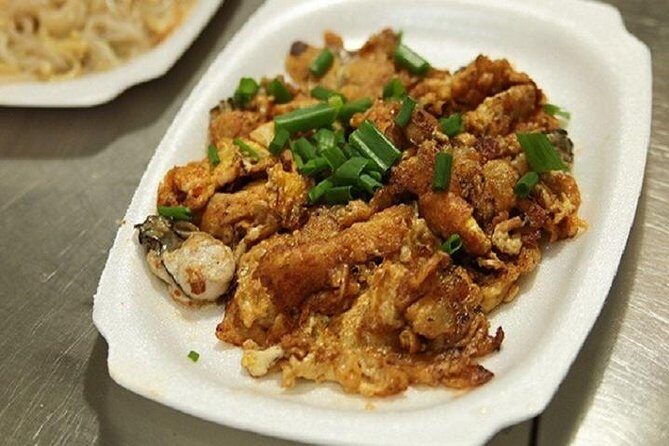
If you’ve ever tried to plan a Singapore food day from scratch, you know the stress: where to start, what area to pair together, and how to time it all so you actually get to taste things. This tour solves that by handing you a pre-set path through two of Singapore’s most distinct areas: Little India and Chinatown, with extra food stops added along the way.
I also like that the experience is built around eating first, then context. You don’t just get dropped at a queue of stalls. You get guided movement between hawker centres and key sights so you can understand why each area’s food culture looks and feels different. That matters in Singapore, where a “local meal” is as much about place and people as it is about the food itself.
The tour is private, meaning it’s only your group. That’s a big deal for comfort and pacing—especially if you’re traveling with kids, older parents, or a group that doesn’t want to sprint between stops. It also tends to make dietary adjustments easier because your guide can respond to your needs on the spot rather than assuming one-size-fits-all.
One practical note: this is listed as requiring a strong physical fitness level, which aligns with what you should expect on a walking food trail. If your group is sensitive to long standing, crowded spaces, or lots of stair-and-street movement, you may want to rethink the plan or make sure you’ll have comfortable shoes and a slower mindset.
You can also read our reviews of more food & drink experiences in Singapore
Five food stops across Chinatown, Little India, and Newton Circus
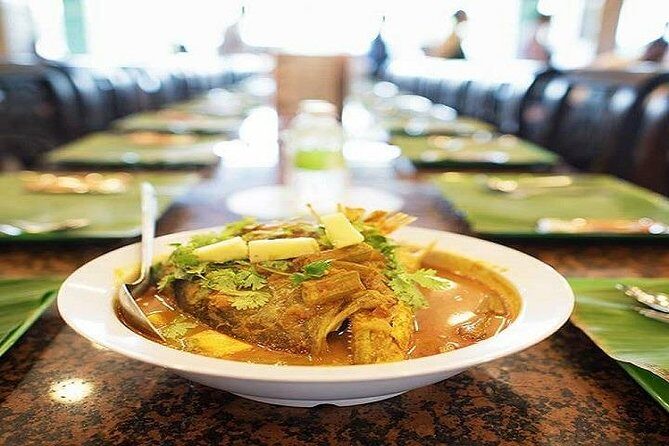
This is the heart of the tour: five food stops designed to let you compare different flavors and styles without jumping around the whole city. The route includes Little India, Chinatown, and the Newton Circus area, plus additional hawker centre time that rounds out the day.
Here’s what that means for you in real life.
First, you get “variety by geography.” Instead of trying to force multiple cuisines into one neighborhood, you move between areas. Little India’s streets, Chinatown’s food spaces, and the Newton Circus area all give you different textures, smells, and crowds. Even if you’re not chasing a checklist of specific dishes, that switching of setting helps keep the day fun and not repetitive.
Second, you’re not stuck making decisions every five minutes. Since all food is included, the guide handles what you sample at each stop. You still get a say in dietary needs, but you avoid the problem of ordering random things you don’t know—then feeling too full or too confused to enjoy the rest of the tour.
Third, the pace is built for eating. The stops are time-boxed (for example, 30 minutes at Little India and 1 hour at Chinatown hawker time), so you get enough time to actually taste instead of doing a quick walk-by. The itinerary also includes time at major places in between meals, which gives your body a break while keeping the flow interesting.
Drawback to keep in mind: since this is food-focused and you’re walking, you’ll want to plan for appetite. If you’ve already eaten a heavy breakfast, you might feel stuffed too early. I’d treat this as a main culinary block of your day rather than a snack tour you can ignore until later.
Little India stop: regional South Asian flavors with a guided lens
The tour begins with pickup from your hotel lobby, then it heads to Little India. That first stop is where your day gets its energy. You get about 30 minutes to explore the area and experience its regional South Asian food culture in one guided session.
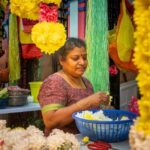
Little India is also a great “start strong” neighborhood because it’s naturally theatrical: spice shops, flower vendors, jeweler stores, and saree specialists are all part of the street scene you’ll pass through. You don’t have to know the names of every shop to get something out of this—your guide’s job is to connect what you see to what you eat and why those traditions show up in the food.
What I like about starting here is that you’re not yet tired. Early on, you’re more likely to notice the difference between foods you’ve tried before and foods that feel new. It’s also a good moment to set expectations with the guide if you have dietary restrictions. The tour is designed to cater to them, so you’ll get better results when the guide knows your needs from the start.
Potential consideration: because this is a walking-through neighborhood stop, it’s not just a single hall you can stand in. Comfortable shoes matter. Also, if your group has mobility limits, plan to take breaks when your guide suggests them.
Chinatown hawker centre time: trying your way through Asian classics
Next comes Chinatown, with about 1 hour at a Chinatown hawker centre for sampling. This is the stop where your “food trail” becomes the real deal: you’re tasting while also moving through the Chinatown environment alongside your guide.
Why this works: hawker-centre meals in Singapore are designed for variety and quick service, which fits a tour format. You get multiple bites without committing to one huge meal. It’s also a strong way to learn the local rhythm. Even if you’re not an experienced food traveler, you’ll be able to follow what to do because the guide keeps the order of operations clear.
This hour is also where you get the most “comparison” value. You’ll likely notice differences right away compared with Little India—both in food feel and how the stalls operate. That’s a big reason this tour is better than trying to DIY two neighborhoods with separate plans. You get your contrasts built in, not forced.
One more practical point: the day is structured, but it still requires you to be comfortable standing and eating in public. If your group prefers quiet sit-down dining only, you may find hawker-centre conditions a bit chaotic. But if you can handle busy crowds for a short window, you’ll come away with a more authentic Singapore snapshot.
Buddha Tooth Relic Temple and Museum: Buddhism context between bites
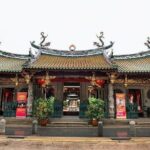
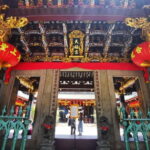
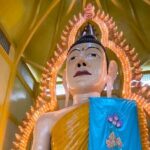
One of the most memorable parts is the stop at Buddha Tooth Relic Temple and Museum, with about 30 minutes there. This is a rare add-on for a food tour: instead of being a “catch breath” photo stop, it’s a chance to learn what the temple is and why it matters.
The information provided for this visit is specific: the temple is a repository of Buddhist wisdom and relics, and it’s home to an artifact of religious reverence. That framing is useful because it gives you a reason to pay attention beyond architecture. You’re not just walking in; you’re learning what the place preserves.
I like this stop because it anchors the day. Food tours can sometimes float by as a set of tastings. Here, you get a spiritual and cultural context that explains why the neighborhood you’re in has meaning beyond eating.
What to consider: you’ll likely be walking from food spaces to a place of worship and museum viewing. Keep your group’s pace respectful and simple—this is an included itinerary element, so plan for a bit of quiet attention time.
You can also read our reviews of more tours and experiences in Singapore
Maxwell Food Centre: pre-war shophouse vibes and a classic hawker stop
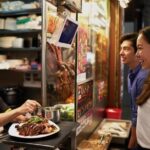
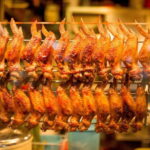
The itinerary ends with time at Maxwell Food Centre (about 1 hour). Maxwell Food Centre is described as being in a storied neighborhood of pre-war shophouses and places of worship. That blend is exactly why it’s a strong closing stop: it feels like Singapore history in motion.
This is where you can slow down slightly and absorb the area. Earlier, you’re building your contrasts between neighborhoods. Now you’re consolidating the idea of Singapore food culture: hawker centres, everyday crowds, and the sense that people eat here often, not only when tourists arrive.
From a practical standpoint, an hour is enough time to try multiple samples, settle your energy, and not feel rushed. One of the review notes that there was enough time both to eat and to look around, which matches the way this stop is timed.
The one thing to be ready for is crowd flow. Maxwell is a well-known food centre, so expect you’ll be sharing space with other diners. Your guide’s job here is helpful: they keep you oriented and on track so you’re not stuck trying to figure out logistics mid-meal.
MRT transport and walking pace: what you’re really signing up for
The tour includes transport by MRT, plus sightseeing as per the itinerary. That’s a big value point because MRT travel is often the fastest way to cut across neighborhoods without paying for private cars.
You also get to learn the local movement style while you go. One review even notes they now understand how MRT works after the experience. That’s a realistic benefit of having a guide organize your transitions.
Still, you should plan for walking. This isn’t “drive between restaurants.” It’s a walking-and-tasting route. The tour description flags a need for strong physical fitness, so I’d take that seriously. Bring shoes you’d wear for a long day, and build in short breaks whenever your guide suggests them.
How long is it, really? About 3 hours 30 minutes. That’s long enough to do a proper food comparison and a temple visit, but short enough that you can still fit other plans afterward.
Food included and dietary needs: what this means for your decisions
“All food is included” is the line that matters most if you’re trying to budget accurately. You’re not guessing what you’ll spend on tastings during the tour. That also means the guide can plan the tasting order without you worrying about menu prices.
The tour also says your guide can cater to dietary requirements. That’s exactly what you want from a food tour: you can experience the neighborhoods without risking the stress of ordering something unsafe or going hungry.
A small but important mindset: since food is included, show up ready to eat (but not already stuffed). If you skip your breakfast or go light at lunch, you’ll get more out of the experience. You’ll also enjoy the stops more because you’ll taste things with clarity rather than just trying to survive the day.
And remember: lunch/dinner is not included. So you’ll still want a plan for what happens after the tour finishes. Think of the tour as a major tasting block rather than an all-day food replacement.
Optional river cruise finish: great views, but time matters
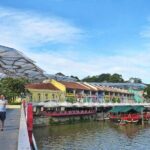
There’s an optional add-on to finish with a river cruise, giving sights of Singapore from the water. If you’re deciding whether to add it, I’d treat it like a second activity with its own strict timing, not a casual bonus.
One review highlights a drawback here: the guide missed the boat departure for the river cruise. That’s not the usual outcome you’d hope for, but it is a signal to be extra alert. If you add this cruise, make sure your group is ready early, double-check meet-up timing, and keep your schedule tight.
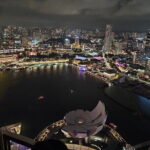
The upside is obvious: finishing on the water can be a memorable contrast after hours of hawker-centre eating. It also gives you a “Singapore skyline moment” without needing to make it a separate day.
Price and value: what $107.84 per person buys you
At $107.84 per person for about 3 hours 30 minutes, this isn’t a bargain-basement tour. But it’s also not priced like a private chauffeur-and-five-stops-everywhere extravaganza.
Here’s where the value comes from:
- All food included across multiple stops, which reduces what you’d pay on your own while also saving your decision time
- English-speaking guide, which matters when you’re dealing with hawker-centre logistics and want context
- MRT transport included, so you’re not layering in extra transit costs
- Private format (only your group participates), which usually improves pacing and makes dietary needs easier
- Pickup offered, which lowers your day friction if you’re staying in a convenient area
One more practical factor: it’s often booked about 51 days in advance on average. That suggests you may want to reserve early if your dates are fixed.
How to judge if it’s worth it for you: if you want a guided day with tastings in multiple neighborhoods and you’d rather not plan it, the price starts to make sense fast. If you’re the type who enjoys DIY exploration and you’re already comfortable using MRT, you might spend less doing it yourself—but you’ll trade away the structure, the cultural context, and the convenience.
Who this tour suits best (and who should think twice)
This tour fits best if you want a guided food day that connects Chinatown and Little India into one storyline. It’s especially good for:
- Couples and friends who want private pacing rather than a big group shuffle
- Food lovers who like comparing neighborhoods side-by-side
- Travelers with dietary needs who want the guide to handle tastings
- People who prefer MRT over coordinating private cars
It may be less ideal if:
- Your group has limited mobility or you’re concerned about walking and standing
- You dislike hawker-centre settings and crowds
- You’re adding the river cruise and can’t be strict about timing
If you’re traveling with kids, note that children must be accompanied by an adult. For family planning, this kind of private pacing is often easier than joining a large group tour, as long as your kids can handle the walking.
Should you book the Private Singapore Food Tour of Chinatown & Little India?
I’d book it if you want a structured, private food experience that covers major neighborhoods and adds cultural context at Buddha Tooth Relic Temple and Museum. The best part is the balance: you eat well, you walk between places that feel different, and you’re not left figuring out transit or ordering chaos.
I’d think twice if your group is very sensitive to crowds and standing, or if adding the river cruise worries you. If you do add it, treat the timing seriously and keep your group ready early.
If you’re on the fence, here’s my simple decision test: if you’d rather spend your energy tasting and learning than planning, this tour is a strong fit.
FAQ
How long is the Private Singapore Food Tour of Chinatown & Little India?
It runs about 3 hours 30 minutes (approx.).
What does the tour cost per person?
The price is $107.84 per person.
Is this a private tour?
Yes. It’s a private tour/activity, and only your group participates.
Does the tour include food?
Yes. All food is included as part of the tasting stops.
Can the tour accommodate dietary requirements?
Yes. The tour notes that food can be catered to your dietary requirements.
Where does the tour start?
The guide picks you up from your hotel lobby in Singapore and then starts the hawker trail.
What areas are covered?
The route includes Little India and Chinatown, and it also references the Newton Circus area. It also includes a visit to Buddha Tooth Relic Temple and Museum and time at Maxwell Food Centre.
Are any admission tickets included?
The itinerary lists admission tickets as free for Little India and for Buddha Tooth Relic Temple and Museum.
Is transport included?
Yes. Transport by MRT is included, along with sightseeing as per the itinerary.
Is a river cruise included?
A river cruise is listed as an opportunity to add at the end of the tour. It is not stated as automatically included.
What if I cancel last minute?
Cancellation is free up to 24 hours in advance for a full refund. If you cancel less than 24 hours before the experience starts, the amount paid is not refunded.