REVIEW · SINGAPORE
Street Food, Cultural & Historical Tour of 3 Ethnic Quarters
Book on GetYourGuide →Operated by Singapore Foodsters / Livin' Da Local Experiences · Bookable on GetYourGuide
Food and history, side by side, in Singapore. This 6-hour small-group street-food walk takes you through Chinatown, Little India, and Kampong Glam with local markets, hawker centres, and photo-backed stories of immigrant life. I love how the route is built around real places—not just a tasting menu—with public transport included so you see how locals move. You’ll also like the Gerry-led storytelling style: funny, personal, and full of historical details tied to specific corners. One thing to consider is the pace: it’s about 6000 steps, and the tour isn’t a match if you have mobility limits, vertigo, or certain dietary needs like vegan or gluten intolerance.
In This Review
- Key takeaways before you book
- A 6-hour street-food walk across Singapore’s 3 historic quarters
- Meet the guide: Gerry’s Peranakan roots and Fujian family stories
- Price and value: what $148 covers and why it’s more than a snack run
- How the tour is paced: markets, hawker centres, and the 6000-step reality
- Chinatown: hawker centre comfort, temple sights, and stories that explain the alleys
- Little India: wet and dry markets, spice stalls, and Indian-Malay eating
- Kampong Glam: Haji Lane street life, Arab Street shops, and Sultan Mosque basics
- UNESCO hawker centres and Michelin-listed tastes: why that combination is worth it
- Getting around: public transport as part of the experience
- What to eat, what to drink, and how to pace yourself
- Who this tour suits best (and who should skip it)
- Should you book this 3-ethnic-quarter street food tour?
- FAQ
- How long is the tour?
- What neighborhoods do you visit?
- Is hotel pickup and drop-off included?
- What food and drinks are included?
- How big is the group?
- Is this tour suitable for vegans or gluten intolerance?
Key takeaways before you book
- A native Peranakan guide with Fujian family roots dating back to 1910
- UNESCO-inscribed hawker centres plus food and drinks that are Michelin-listed
- Market-to-stall context, not just eating—produce, spice, and clothing areas are part of the story
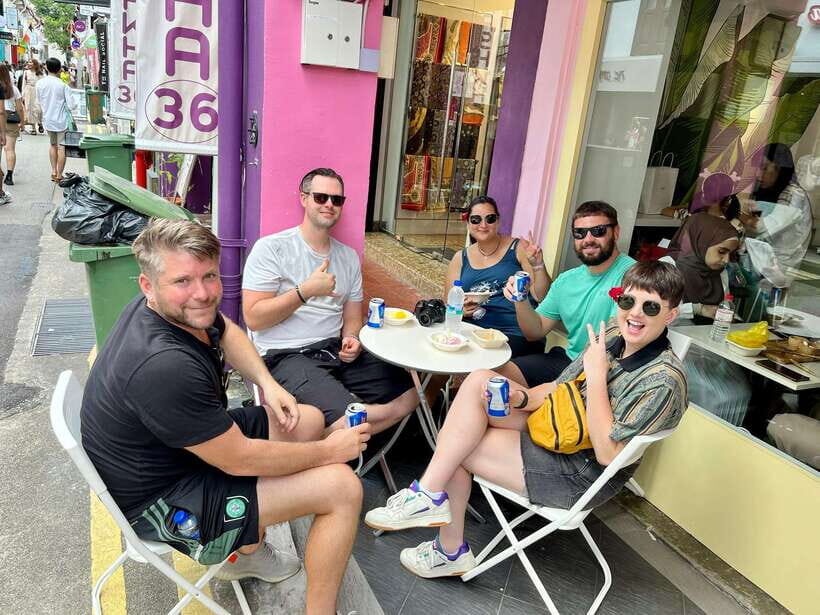
- Small group (up to 8) with a roaming, “like friends” feel
- Public transport included, so you spend less time figuring out logistics
- 6000 steps on foot, so comfortable shoes are non-negotiable
A 6-hour street-food walk across Singapore’s 3 historic quarters
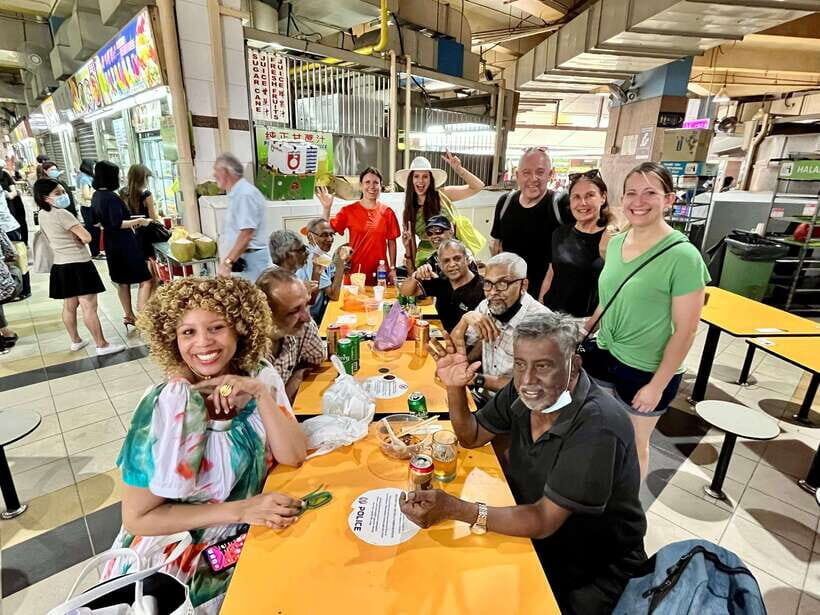
This is the kind of Singapore tour that makes the city feel human. You’ll connect food with history—how immigrants lived, worked, worshipped, and built communities—then you’ll taste the result in places still serving everyday meals.
The structure matters. You’re not bouncing randomly between “sights.” You’re moving through the three main ethnic quarters—Chinese, Indian, and Malay—and each area includes the markets and eating spots that explain how the neighborhoods evolved.
You can also read our reviews of more food & drink experiences in Singapore

Meet the guide: Gerry’s Peranakan roots and Fujian family stories
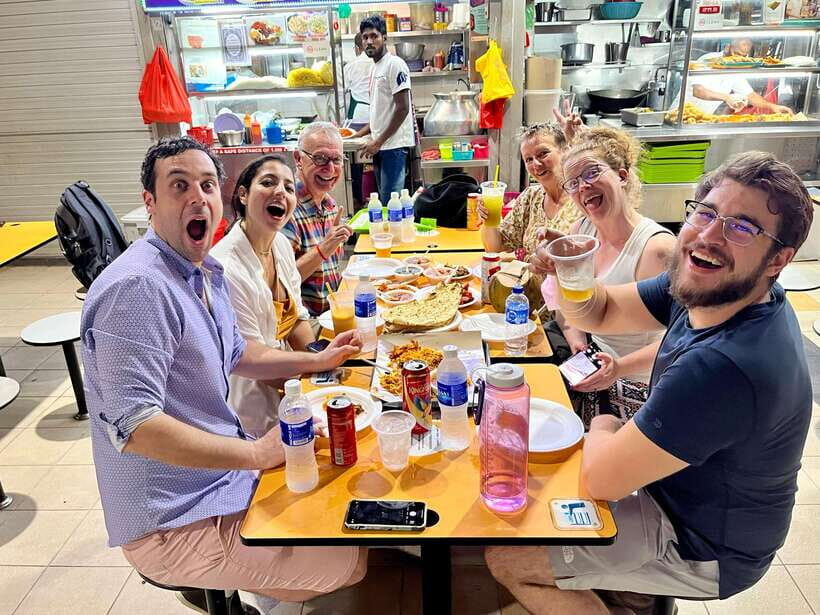
What makes this tour work is the guide. Gerry is a Singaporean Chinese Peranakan host with a family story that goes way back—his great grandparents arrived from Fujian, China in 1910. That background isn’t just trivia; it shapes how he connects food, language, migration, and the everyday routines you’ll see on the ground.
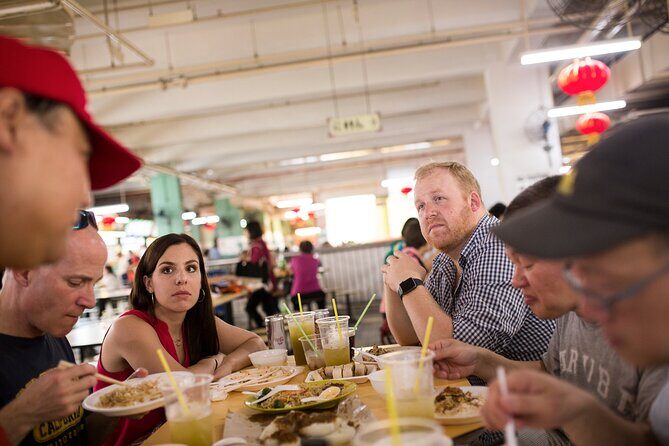
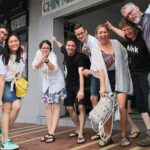
In the small group setting, it also feels conversational. People kept praising how Gerry has answers for questions and how his humor stays light while the history stays real. If you like tours where you’re learning without feeling lectured, this style tends to land well.
Price and value: what $148 covers and why it’s more than a snack run
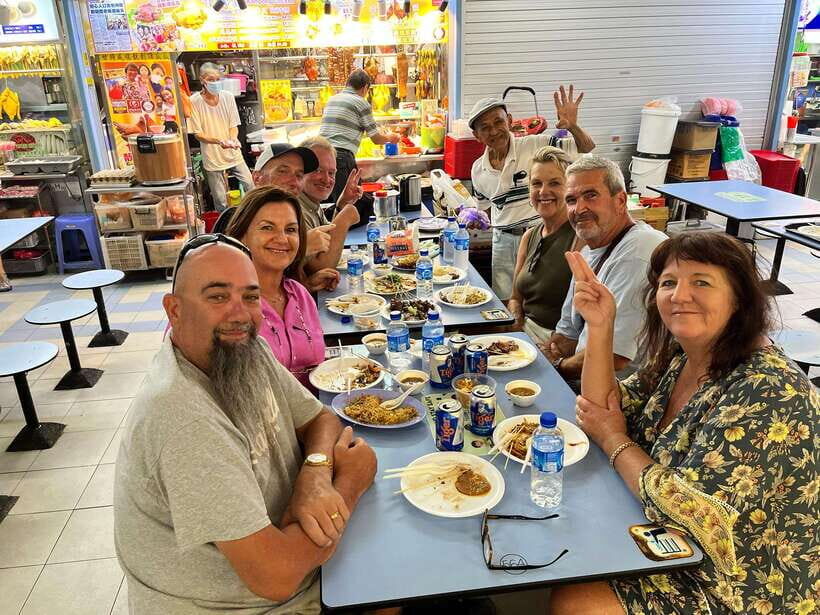
$148 for 6 hours is serious money, but it’s not just paying for a few samples. You’re getting food and drink included, with beer included, plus public transportation tickets between the quarters. On top of that, there’s hotel pickup and drop-off—limited to city areas, but it reduces the “start your day stressed” problem.
Also, the pacing is built around meaning. Market stops and temple or mosque visits aren’t there as filler; they’re there so your tasting has context. When food is paired with the reason it exists in a place, you end up eating more mindfully—and you usually get more enjoyment per bite.
One practical note: you’ll be eating a lot. Past guests specifically said you should not worry about breakfast beforehand, because the portions and number of stops add up.
How the tour is paced: markets, hawker centres, and the 6000-step reality
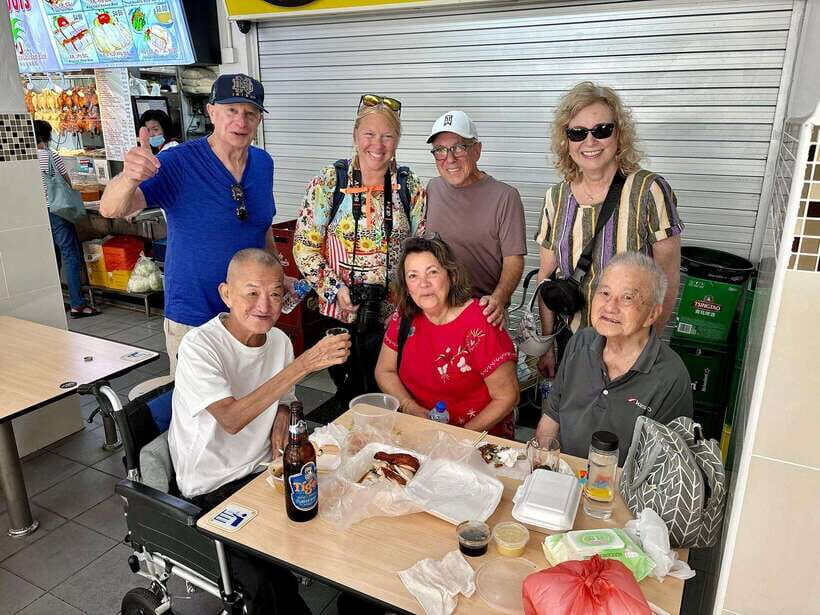
This is a walking tour. Expect about 6000 steps, and plan for a mix of pavement and crowded areas where you’ll need comfortable shoes and steady footing.
The tour also includes short public-transport legs—around 10 minutes between major segments. That’s a plus for value and comfort because you’re not paying for taxis, and you’re seeing the neighborhoods the way locals do: by moving efficiently through a clean, well-connected system.
Chinatown: hawker centre comfort, temple sights, and stories that explain the alleys
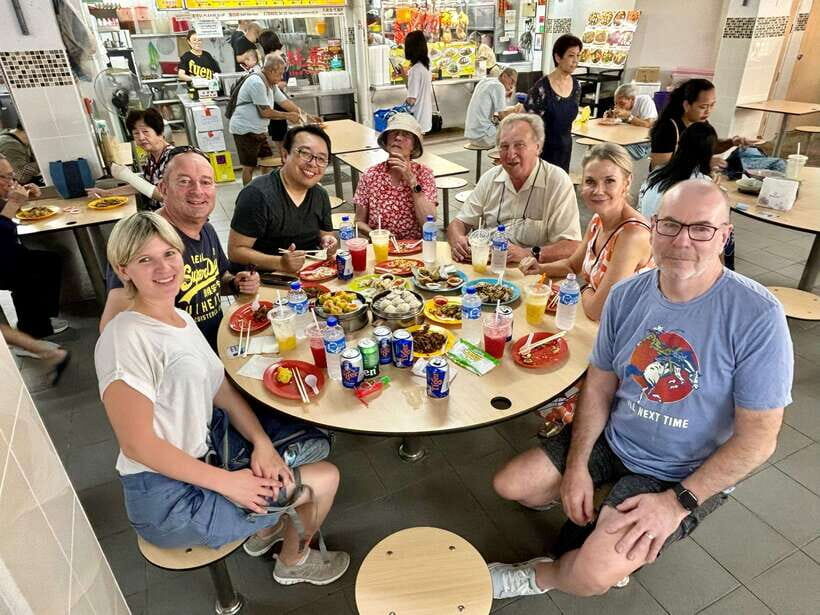
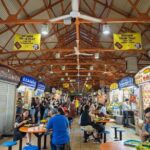
Chinatown is where the tour starts setting the tone. You’ll head to a hawker centre for local Chinese food and drink, which is a smart kickoff because hawker meals are one of Singapore’s clearest windows into daily life.
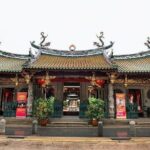
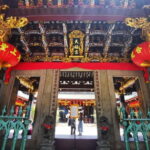
Then you’ll layer in the religious and street-level context. The route includes a Buddhist temple stop and street market stalls, so you’re seeing how community life and commerce overlap. After that, Gerry ties specific historical themes to places you pass.
You’ll hear accounts connected to themes like the Street of the Dead, red lanterns and private chambers, and opium dens. The goal isn’t shock value. It’s to help you understand how immigrant hardship and colonial-era pressures shaped the physical layout and social patterns that you can still sense today.
You can also read our reviews of more tours and experiences in Singapore
Little India: wet and dry markets, spice stalls, and Indian-Malay eating
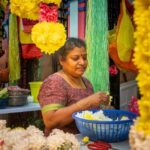
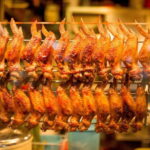
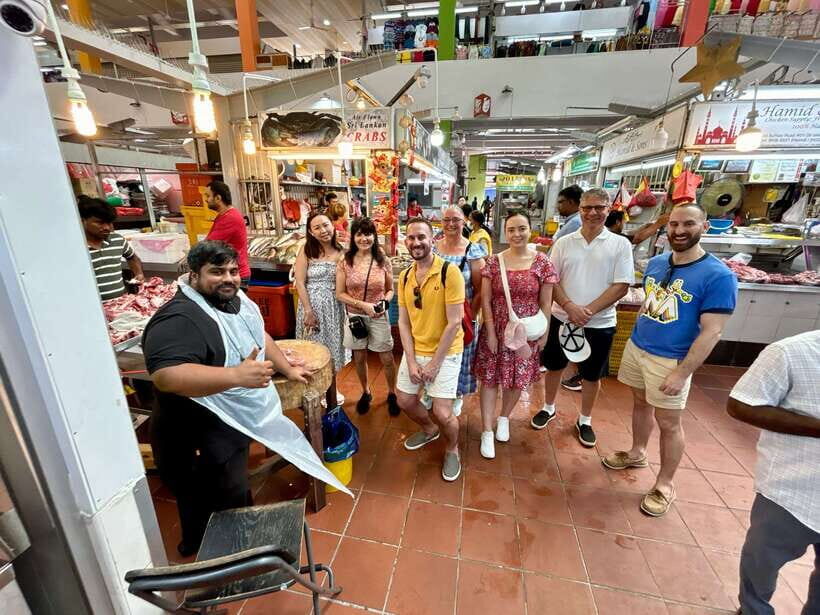
Little India is built around the food supply chain as much as the eating. You’ll visit wet and dry produce markets, which is where the tour gets especially practical. Seafood stalls, meat stalls, fruit and vegetable stalls, and spice stalls are all part of the walk, so you see ingredients moving from market to hawker plate.
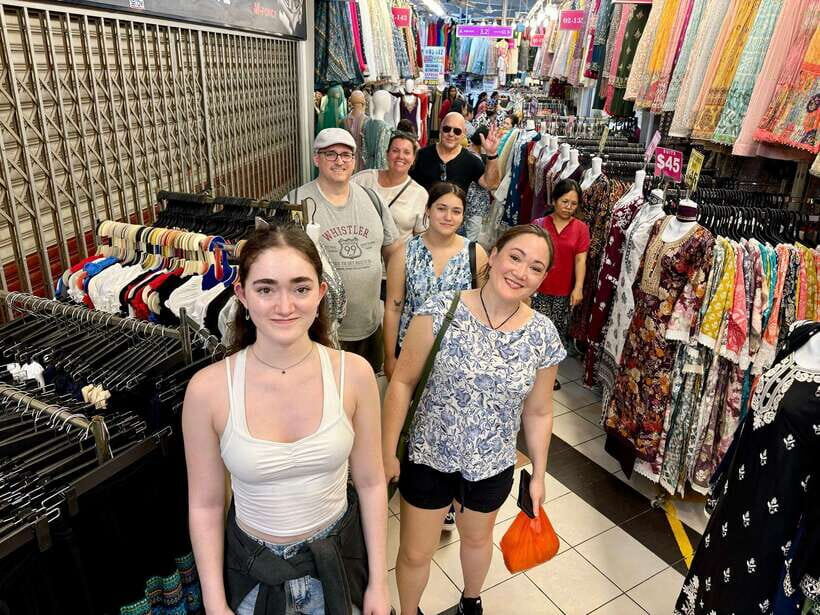
You’ll also spend time at an Indian clothing market area and then move through street stalls again before settling into a family-style place for lunch or an extended food stop. The tour’s emphasis on a family eatery for local Indian and Malay food/drink is one of its clever choices, because it shows that Singapore’s cultures overlap in daily ways.
If you enjoy markets, this is the segment that usually feels most “you are there.” You’ll also get plenty of tasting variety here, including coffee and tea, plus beer as part of the included drinks.
Kampong Glam: Haji Lane street life, Arab Street shops, and Sultan Mosque basics
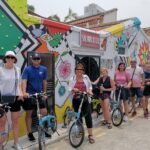
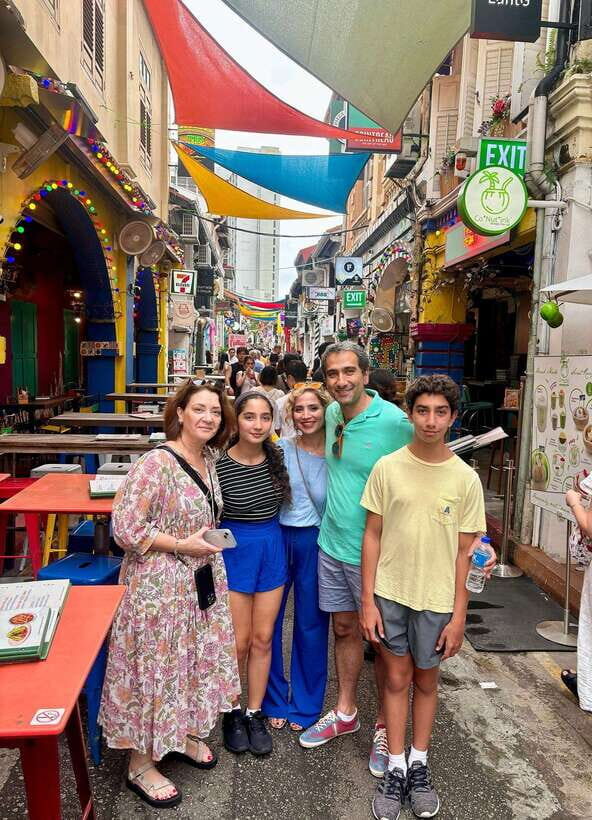
Kampong Glam is where the tour shifts into design-and-story mode. You’ll start with Haji Lane, then take in graffiti walls that reflect the neighborhood’s creative identity today.
From there, the tour moves into a shopping corridor feel with textile shops on Arab Street. That matters because it connects the area’s present-day commerce to its trading identity, not just to a modern street-art snapshot.
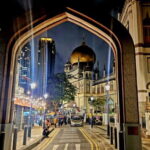
A key stop here is Singapore’s 1st Sultan Mosque. Even if you’re not a “mosque history” person, the tour’s approach is helpful: you’re shown what’s significant and then sent back out into the area with better context.
For dessert, you’ll finish with something sweet in an old shophouse linked to 19th-century Muslim pilgrim accommodation. It’s a thoughtful ending: you’re not just tasting dessert; you’re tasting the idea of travel, faith, and hospitality that shaped the neighborhood.
UNESCO hawker centres and Michelin-listed tastes: why that combination is worth it
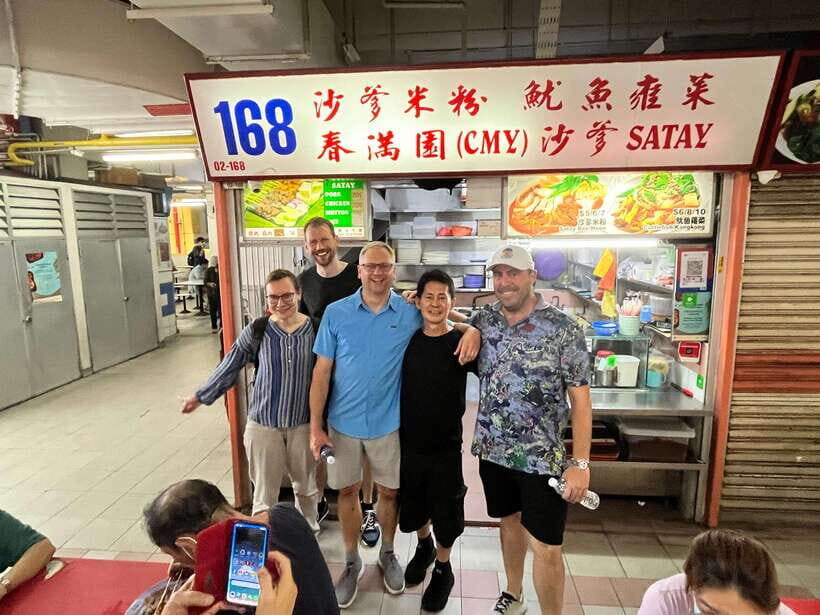
The tour leans on UNESCO-inscribed hawker centres, then supports that with food and drink that can be Michelin-listed. You get the best of both worlds: the casual affordability and social energy of hawkers, with quality that Singapore is proud of.
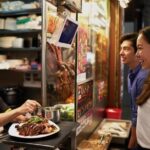
The value here is that you don’t have to guess. You’ll be guided to places where the “what to order” decisions are already made for you. And because the guide talks about where the food fits into the neighborhood story, you’re more likely to remember flavors and names afterward.
Getting around: public transport as part of the experience
Commuting is included, and that’s a big practical win. The tour uses public transport between quarters, which keeps the day from turning into a traffic-and-taxi guessing game.
It also gives you a real Singapore feel. You’ll see how people move through the city—efficient, clean, comfortable—and you’ll understand why locals keep the system close to their daily lives. For many visitors, this is the best way to save energy while still covering three major areas.
What to eat, what to drink, and how to pace yourself
Food and drink are built into each segment: Chinese hawker food, Indian market-and-eat stops, and Malay-aligned eating in Kampong Glam’s final stretch. Beer is included, and coffee and tea show up during the day too, so it’s not just “one type of drink” throughout.
Because the tastings stack up, I’d plan your strategy like this: keep water handy when you can, pause if you feel too full, and don’t overpack your expectations about one perfect dish. The point is variety across cultures and across the way food changes neighborhood to neighborhood.
One consideration: the tour isn’t for everyone on diet. Vegan and gluten-intolerance needs are listed as not suitable, so if that’s you, you’ll want to pick a different option.
Who this tour suits best (and who should skip it)
This tour is ideal if you want three things at once: street food, neighborhood history, and a guide who makes it fun. It fits well for couples, families with older kids, solo travelers who like meeting a small group, and anyone who wants to see Singapore beyond the obvious landmarks.
It’s also a good choice if you like history that’s connected to real places. Gerry uses stories and pictures to show how Singapore changed over time, which makes the walk feel like a timeline you can touch.
But it may not fit if you have mobility impairments, back problems, vertigo, respiratory issues, or if you’re pregnant. Also avoid it if you have low fitness for walking days, since the day is around 6000 steps.
Should you book this 3-ethnic-quarter street food tour?
I’d book it if your idea of a great day in Singapore is: small group, lots of food, and history that’s tied to markets, temples, and hawker centres. The combination of a Peranakan guide with deep local family roots, plus well-planned tasting stops and public transport convenience, makes this one of the more “value-per-minute” ways to experience these neighborhoods.
Don’t book it if you need vegan or gluten-free options, if you can’t manage a walking-heavy route, or if you prefer quiet, less crowded sightseeing. If that’s you, the pace and food focus will likely feel like too much.
If you can handle walking and you want a guided day that connects culture to your plate, this tour is an easy yes.
FAQ
How long is the tour?
It runs for 6 hours.
What neighborhoods do you visit?
You visit Chinatown, Little India, and Kampong Glam.
Is hotel pickup and drop-off included?
Yes. Pickup and drop-off are included, but they’re location dependent and limited to city areas. You can also meet at the first stop in Chinatown or Little India, or at the nearest MRT station.
What food and drinks are included?
Food and drink are included, and beer is included as well. You’ll also have coffee and tea at parts of the day.
How big is the group?
It’s a small group limited to 8 participants.
Is this tour suitable for vegans or gluten intolerance?
No. The tour is listed as not suitable for vegans and people with gluten intolerance.