REVIEW · SINGAPORE
Chinatown Heritage Centre (Admission Ticket)
Book on Viator →Operated by Chinatown Heritage Centre · Bookable on Viator
Stepping into old Chinatown feels surprisingly easy. This compact museum in Singapore Chinatown turns the area’s shop houses and community life into a walkable story you can explore without a big group.
I like the self-paced layout, so you can linger where something catches your eye. I also like the QR-code guided stories, which help you connect what you see to how people lived and worked.
One thing to plan around: entry is time-bound, and late arrivals can’t be accepted. Also, re-entry isn’t permitted, so you’ll want to use your time slot wisely.
In This Review
- Key Points You’ll Care About
- A Small Museum Ticket That Fits Singapore Chinatown
- What You’ll See Inside the Centre’s Exhibition Areas
- QR Codes, Audio, and Why It Feels Like a Guided Walk
- Timing and Entry Windows: Make This Easy on Yourself
- Price and Value: Is $20.18 Worth It?
- Rules That Affect Your Comfort (And How to Prepare)
- Who This Ticket Suits Best (And Who Might Skip It)
- Should You Book This Chinatown Heritage Centre Ticket?
- FAQ
- FAQ
- How long does the Chinatown Heritage Centre visit take?
- Is this a self-paced visit or a guided tour?
- Do I choose a specific entry time?
- What’s the last admission time?
- Can I take photos, bring food, or drink inside?
- Is re-entry allowed after I enter?
- Are there age requirements for children?
Key Points You’ll Care About
- Timed entry helps you fit the museum into a busy Chinatown day.
- Self-paced galleries mean no large tour group pacing you.
- QR-code stations turn exhibits into short, follow-along stories.
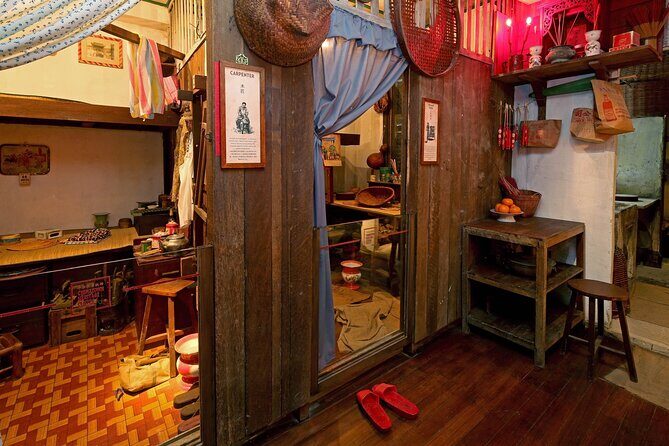
- Old shop-house recreations bring professions and everyday life to the foreground.
- No flash and no food or drinks keeps the exhibits protected.
- Last admission is 6:00 PM, so plan to arrive earlier.
A Small Museum Ticket That Fits Singapore Chinatown
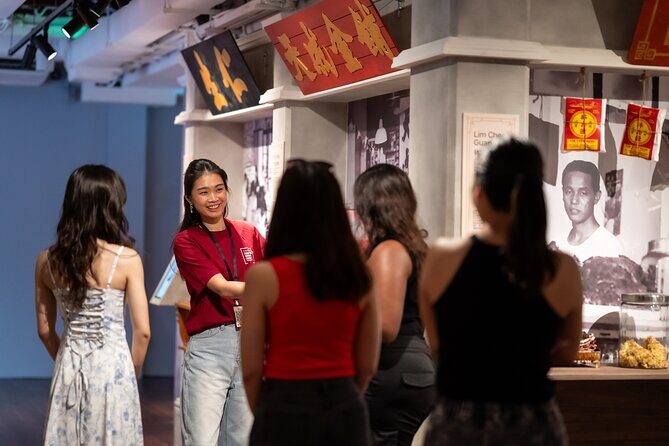
Chinatown Heritage Centre is the kind of stop that makes sense even when your day is packed. You get a ticket for the Centre’s exhibition areas and you can move at your own pace through the rooms. It’s roughly 1 to 2 hours, so it won’t steal half your day like bigger museums can.
The setting matters too. This is in Chinatown, where shop-house streets are part of the experience. The Centre builds on that by showing how early Chinese settlers created community life here, including the struggles they faced. You’re not just looking at a district from the sidewalk.
Value-wise, I find this works best when you want context. If you’re already wandering around the temples, markets, and street life, this gives you a reason for what you’re seeing. And since you can choose an entry time, you can line it up with the rest of your day instead of waiting around.
You can also read our reviews of more tours and experiences in Singapore



What You’ll See Inside the Centre’s Exhibition Areas
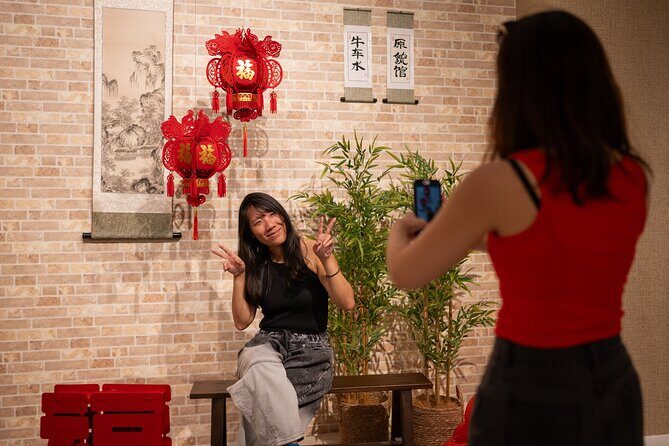
The museum is housed in shop-house style spaces, and the exhibition is spread across multiple levels. One of the most common impressions is how much is packed into a small footprint. The rooms are arranged like a series of scenes, so you gradually build a picture of life in early Chinatown.
You can expect exhibits focused on early community life: how settlers came to Singapore, what everyday work looked like, and how people shaped their neighborhoods. The setup is designed so you learn as you go, instead of reading one long panel after another.
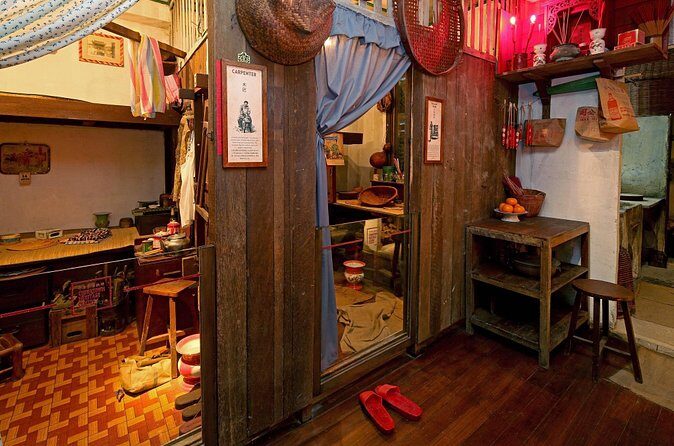
A highlight from the experience is the look and feel of recreated interiors. You may find rooms that recreate older professions and household scenes, including a tailor shop, an old-time kitchen, an opera house, and a street barber. The point isn’t just nostalgia for its own sake. These themed rooms make it easier to understand what daily work and community gathering meant for people building a life in a new place.
The Centre has also added further sections that focus more closely on the people and jobs that helped form the community. If you like social history, you’ll likely enjoy this angle because it shifts attention from only events and dates to lived experience: who did what, where they worked, and how spaces functioned in daily life.
QR Codes, Audio, and Why It Feels Like a Guided Walk
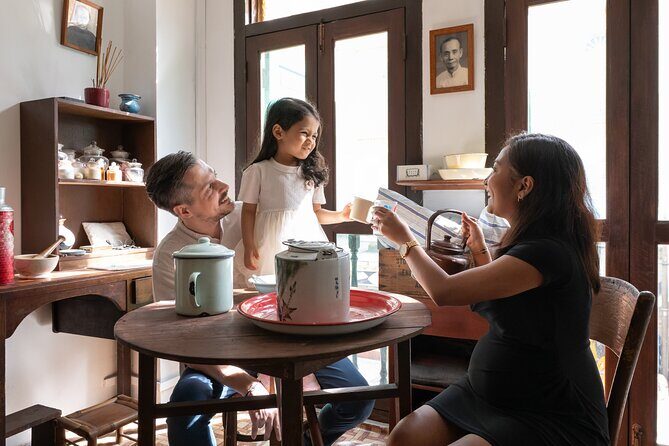
The biggest “how does it work?” question is usually about guidance. Here, the answer is QR-code storytelling plus audio options. Instead of needing an expensive guided tour, you can use your own mobile device and follow along with audio content.
That combination is practical. You get to control your pace, but you’re still anchored by short explanations that match what you’re looking at. The QR-code approach also helps you avoid that museum feeling where you’re stuck trying to guess what you’re supposed to notice.
If you’d rather not rely on your phone, the Centre also offers multimedia guides for rent on-site. And there’s an added comfort factor: you can use a mobile device and an earpiece for the free audio content. That means you can keep the experience personal without headphones blasting across the room.
One small staff detail that comes up is how helpful the team can be. You might even get guidance from staff such as Chin Yee, who’s described as friendly and helpful when it comes to making sense of the layout and how to use the interactive parts. It’s the kind of support that turns a “good museum” into a “smooth visit.”
Timing and Entry Windows: Make This Easy on Yourself
This ticket is built around timed entry. You pick an entry time from the available options, and you get guaranteed entry to the Centre for your scheduled date. That’s a real advantage in Chinatown, where popular spots can have lines or fluctuating demand.
However, do keep expectations balanced. The ticket information notes that queues may be required for entry. So yes, you’re guaranteed to be allowed in, but you might still wait a bit depending on how full the Centre is when your time slot arrives.
Plan around the clock. Last admission is 6:00 PM, and late arrivals can’t be accommodated. Since there’s no re-entry, arriving near the end of the day can shrink your actual time in the galleries. I’d rather you arrive with breathing room than rush and miss the better rooms.
A good rule of thumb: if your next stop is far away, schedule this earlier than later. If your day is slow and flexible, you can treat it like a calm mid-morning or early afternoon anchor while the streets are still manageable.
Also note the visit is designed to fit within a sightseeing day. That’s important in Singapore, where you can move fast between neighborhoods. This Centre helps you slow down without turning it into a half-day project.
Price and Value: Is $20.18 Worth It?
The admission ticket price is $20.18 per person. On the surface, that’s not “cheap,” but it doesn’t feel overpriced for a focused museum visit in a central area. You’re paying for curated exhibition access plus the timed-entry convenience.
The key value lever here is how the museum holds your attention for about an hour for many people, and closer to two hours if you read and linger. If your day includes a lot of outdoor wandering, that indoor time is a nice reset. And because it’s self-paced, you can match the visit length to your energy level.
Another value angle: the Centre can be a good add-on when you have a multi-attraction pass. One mention in the information is that it can work well on a Go City pass, which can lower your effective cost if you’re already paying for several experiences.
So I’d frame it like this: if you want context for Chinatown and you like museum rooms that recreate real working life, this is a strong use of budget. If you only want a quick glance at the district and you don’t care about social history, you might find the price harder to justify.
You can also read our reviews of more historical tours in Singapore






Rules That Affect Your Comfort (And How to Prepare)

Most of the rules are there for exhibit protection, but they shape your experience a bit.
You won’t be able to use flash photography inside, and food and drinks aren’t allowed in the Centre. That’s normal museum behavior, but it matters if you planned to snack while you browse. Bring water outside the building, then save any food for before or after.
Re-entry is not permitted, so once you’re in, you’ll want to stay focused on completing your walkthrough. If you need to step out for any reason, plan to return only if the Centre allows it before you commit your time.
There are also clear ticket rules: your ticket is for a specified date, one person per ticket, and it’s checked at entry. Tickets are non-transferable, non-refundable, and non-reschedulable, and they’re void if altered or duplicated. That’s typical, but it’s worth knowing so your schedule stays steady.
If you’re traveling with kids, here’s the practical part: children under 12 must be accompanied by an adult. Children under 3 enjoy free admission.
Finally, confirmation gets handled by email. The information says a booking confirmation may arrive right away, but the official ticket is sent within 24 hours, and you’ll receive the proper mobile ticket for entry. It’s smart to keep an eye on your inbox so you’re not hunting for it on the day.
Who This Ticket Suits Best (And Who Might Skip It)
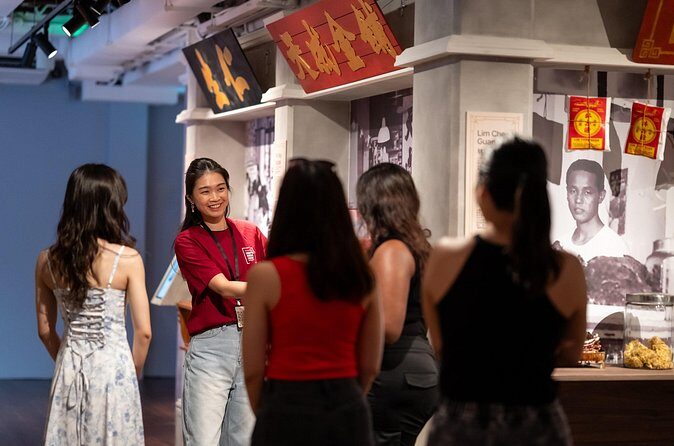
This ticket is a good fit for people who want Chinatown to make more sense. If you enjoy cultural history, especially the kind that focuses on daily life, professions, and community building, you’ll likely feel rewarded by the themed rooms and the QR-guided explanations.
It also suits visitors who don’t want to be dragged along by a group schedule. The self-paced format works well if you like to pause, look closer, and read what catches your attention.
You might consider skipping it only if you prefer large-scale museums with lots of outdoor space or if you’re short on time and want to spend every minute outside. Even though the visit is compact, it still takes focused time indoors.
If you like interactive elements, you’re in luck. The combination of QR code stories and audio options is exactly the sort of low-effort guidance that keeps you from feeling lost in a small museum.
Should You Book This Chinatown Heritage Centre Ticket?

If you’re visiting Singapore Chinatown and want a stop that adds real meaning to the streets, I think it’s an easy yes. The Centre is compact, typically 1 to 2 hours, and built for self-paced exploring with QR-code support and audio options.
Book it when you want timed entry so you’re not waiting around. You’ll get the structure without the group pressure. And if you end up unsure, remember this: the museum is designed to help you connect what you’re seeing in Chinatown to how the community formed and functioned.
FAQ
FAQ
How long does the Chinatown Heritage Centre visit take?
The visit is listed as approximately 1 to 2 hours.
Is this a self-paced visit or a guided tour?
This ticket lets you explore the Chinatown Heritage Centre at your own pace without a large group.
Do I choose a specific entry time?
Yes. You select from several entry times to fit your schedule, and your ticket is valid only on the specified date.
What’s the last admission time?
The last admission is at 6:00 PM. Late arrivals can’t be accommodated.
Can I take photos, bring food, or drink inside?
Flash photography is not allowed, and food and drinks aren’t allowed inside the Centre.
Is re-entry allowed after I enter?
No. Re-entry is not permitted, so plan to finish your visit within your time slot.
Are there age requirements for children?
Children under 12 must be accompanied by an adult. Children under 3 enjoy free admission.