REVIEW · SINGAPORE
Singapore: Hell’s Museum Admission Ticket
Book on GetYourGuide →Operated by GlobalTix Pte Ltd · Bookable on GetYourGuide
Death, made into a museum visit. Hell’s Museum Singapore turns heavy topics into readable, organized displays that compare major belief systems and explain how people think about dying and what comes next. With 3,800 sqm of space, you can actually slow down and take it in.
I also like the way the museum links Singapore’s Haw Par Villa 10 Courts of Hell to broader ideas about punishment, morality, and the afterlife. The exhibits use interactive elements that make the learning feel less like a lecture—just know some of the depictions are graphic, so age choice matters.
In This Review
- Key Things You’ll Notice Inside
- Hell’s Museum Singapore: What You’re Really Signing Up For
- Ticket Value: Is $17 Worth 2–4 Hours?
- A Practical Walkthrough: How the Experience Flows
- 1) Comparative Displays on Death and the Afterlife
- 2) Interactive Elements That Turn Reading Into Questions
- 3) The 10 Courts of Hell Connection to Haw Par Villa
- 4) Ancient Ideas: How Afterlife Beliefs Were Shared
- 5) How Depictions of Sins and Punishments Evolved
- Graphic Imagery and Age Fit: Who This Works For
- Why the Comparative Approach Feels So Effective
- Interactive Learning: The Secret Sauce for Families and Busy Brains
- Timing Tips: When to Go and How to Plan Your Day
- Practical Notes: Tickets, Redemption, and How Hard to Commit
- Should You Book Hell’s Museum Singapore?
- FAQ
- How much are tickets for Hell’s Museum Singapore?
- How long should I plan to spend inside?
- What does my ticket include?
- Where do I go to redeem my ticket?
- Are tickets refundable?
- What are the age requirements and ticket categories?
- Is this suitable for younger children?
Key Things You’ll Notice Inside
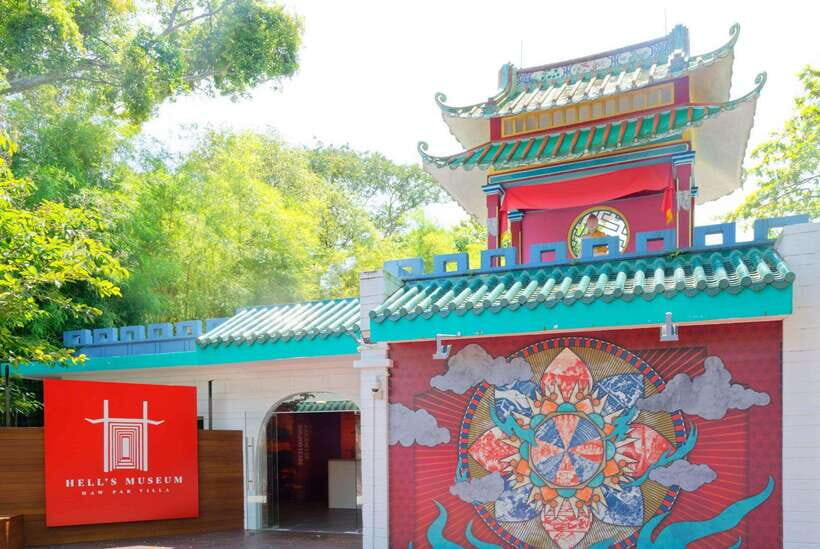
- 3,800 sqm of content spread across multiple themed areas, not a quick pop-in stop.
- Comparisons across major belief systems so you’re not stuck with one viewpoint.
- Haw Par Villa’s 10 Courts of Hell placed in a wider cultural context.
- Interactive components that help you engage instead of just reading labels.
- Graphic sin-and-punishment imagery, which can be tough for younger visitors.
Hell’s Museum Singapore: What You’re Really Signing Up For
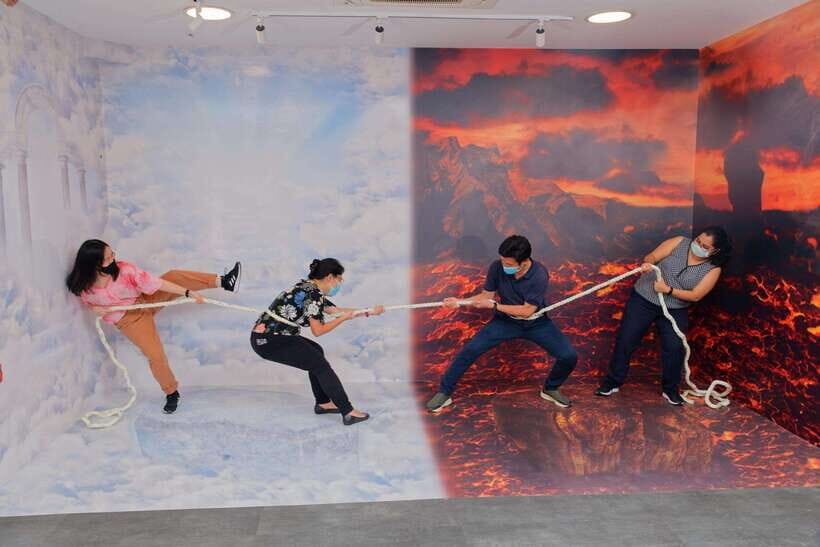
Hell’s Museum Singapore isn’t about scaring you. It’s about helping you understand why so many cultures talk about death in similar ways—then why they picture the afterlife so differently.
If you go in expecting a theme-park-style horror house, you’ll be disappointed. If you go in expecting a museum that treats the afterlife as a window into morality, you’ll have a much better time. And yes, the name is dramatic, but the experience is structured.
You can also read our reviews of more tours and experiences in Singapore


Ticket Value: Is $17 Worth 2–4 Hours?
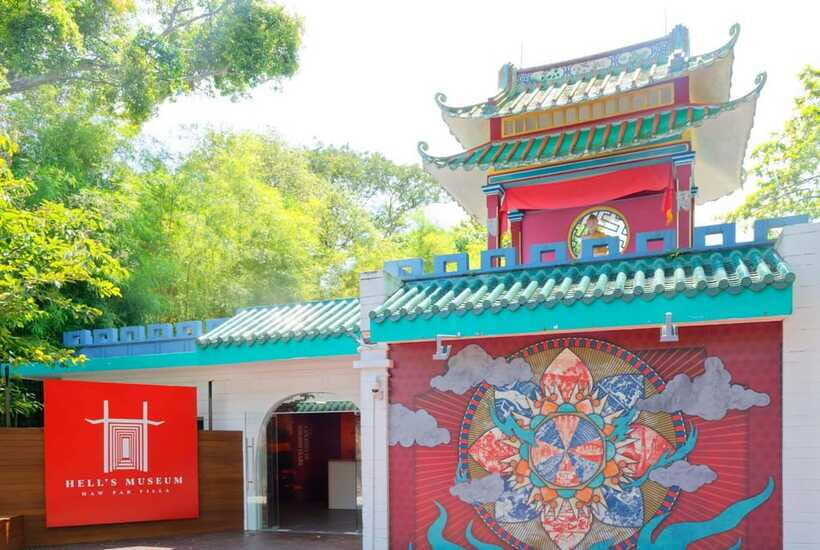
The standard admission is $17 per person, and your ticket gives you access up to closing time. That matters because this isn’t the kind of stop you’ll want to rush through.
The estimated visit length is 2–4 hours, depending on interest level. If you’re the type who reads museum text and lingers at interactive stations, you’ll likely land on the longer side. If you prefer fast facts, you can still do it within a shorter window—without feeling like you missed half the museum.
Also note the ticket is non-refundable. If you’re unsure you can make your timing work, wait until you know your day’s schedule is solid. This is one of those “commit and go” attractions.
A Practical Walkthrough: How the Experience Flows
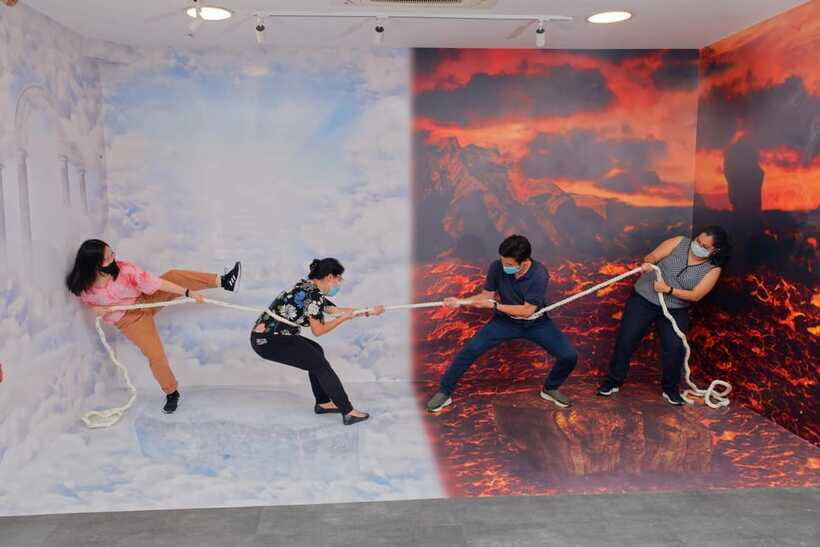
You’ll redeem your ticket directly at Hell’s Museum Singapore and then go straight in. From there, the visit moves in a logical sequence of ideas: how cultures explain death, how they imagine what happens afterward, and how moral behavior shows up in their stories.
Here’s a tour-style breakdown of what to expect as you move through the museum.
1) Comparative Displays on Death and the Afterlife
The heart of the museum is the comparative approach. You’ll see specially curated displays that look at major belief systems and how communities interpret death, dying, and what may come next.
What I like about this setup is that it keeps you grounded. Instead of treating religion like a set of random symbols, the museum frames it as a human way of making sense of uncertainty. You start noticing common threads—then you spot the differences in how each system describes accountability, relief, and consequence.
A good goal for this section: try to separate what people believe from what they fear, and you’ll get more out of the exhibits.
2) Interactive Elements That Turn Reading Into Questions
The museum isn’t only panels and photos. It includes interactive elements designed to push you from passive reading into active thinking.
That’s especially helpful if you’re visiting with mixed ages. Some people learn best by absorbing text, while others need a prompt, a choice, or a hands-on moment to stay engaged. These interactions give you that extra channel.
If you tend to skim in museums, slow down here. The interactive bits are often where the museum’s messages become clearer.
You can also read our reviews of more museum experiences in Singapore




3) The 10 Courts of Hell Connection to Haw Par Villa
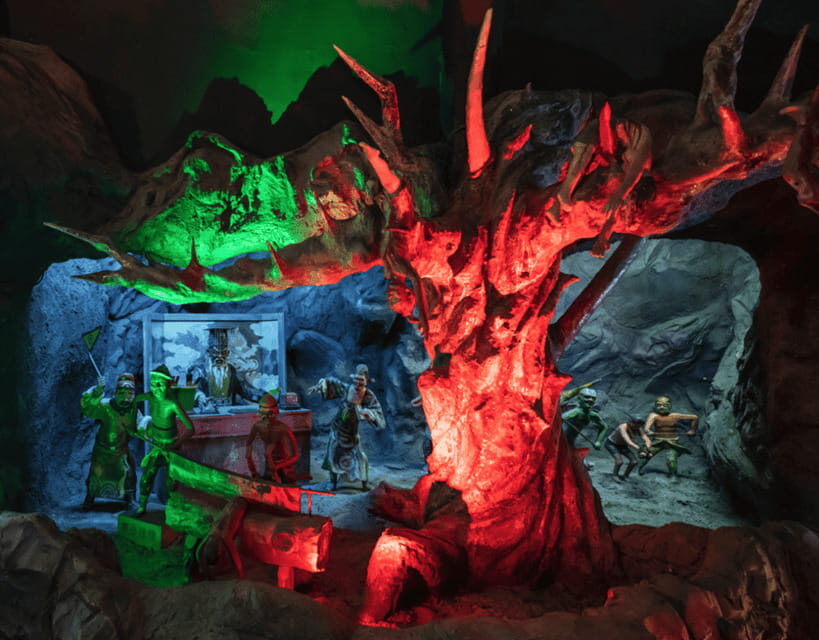
Then the museum brings you into the world of Haw Par Villa’s infamous 10 Courts of Hell. This part is where the “Hell’s Museum” name becomes real, because it’s built around the idea of judgment and punishment spelled out visually.
What’s valuable isn’t just the shock factor. The museum uses these displays to explain cultural significance—how these images became a recognizable reference point and why they linger in public memory.
If you’re in Singapore and already heard of Haw Par Villa’s legend, this is the piece that helps you understand what you’re looking at instead of just seeing it from the outside.
4) Ancient Ideas: How Afterlife Beliefs Were Shared
The museum also includes context about how ancient civilizations shaped afterlife ideas. You’ll see the notion that belief systems traveled and evolved, carrying moral messages with them.
This section is a reminder that “afterlife” wasn’t always a single, modern concept. Many societies used similar patterns—life leads to judgment, behavior matters, and stories try to answer the same big questions.
A tip: treat this as a timeline of thinking. When you notice repeated themes, you’ll understand why people kept reinventing their stories instead of abandoning them.
5) How Depictions of Sins and Punishments Evolved
One of the most interesting ideas presented is how the graphic depictions of sins and punishments changed over time. This isn’t just about what people feared. It’s about how art and storytelling made those fears legible.
When you look at evolution like this, you start seeing the cultural logic behind imagery. The museum is essentially showing you how moral lessons get translated into visual “rules”—and how those rules can shift from era to era.
This is also where you should be extra mindful if you’re bringing kids. The museum contains imagery that can be gruesome, and that can affect how long people want to stay focused.
Graphic Imagery and Age Fit: Who This Works For
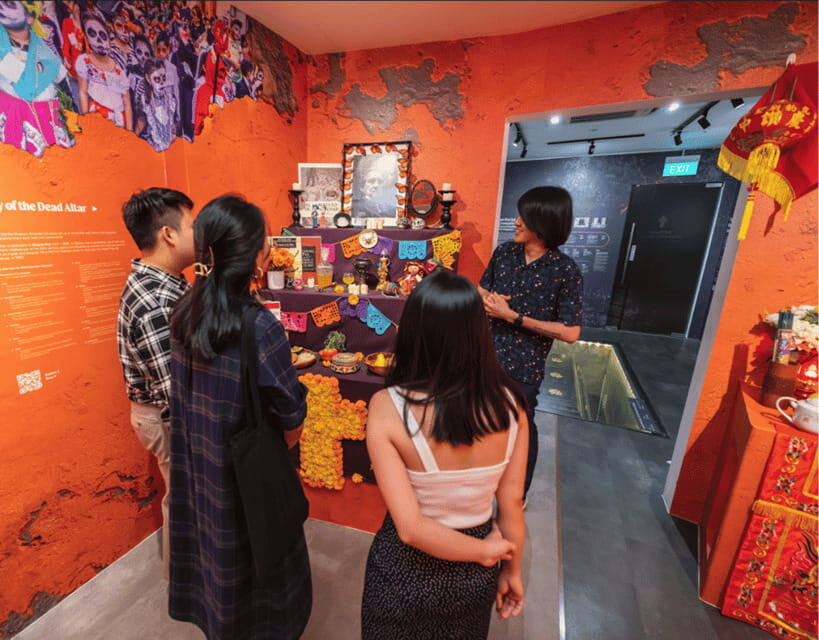
Hell’s Museum Singapore includes depictions of sins and punishments, and some of those scenes are gruesome. That’s not a complaint—it’s a heads-up so you don’t get surprised mid-visit.
Here’s what you can rely on from the information provided:
- Child ticket is required for ages 7–12.
- Adult ticket is required for ages 13+.
- Kids 6 and under are free, but it’s not recommended for children under 9.
- The estimated visit is 2–4 hours, so the museum has enough staying power to become a genuine “event,” not a quick detour.
My practical take: if you’re bringing kids, you’ll get the best results when the child is curious about stories and symbolism and can tolerate graphic imagery without getting overwhelmed. If not, you might want to consider a different museum day.
Why the Comparative Approach Feels So Effective
Plenty of museums show you one tradition at a time. This one tries to answer a deeper question: how different belief systems can talk about death using similar logic while still disagreeing on details.
You’ll probably leave noticing that the museum isn’t pushing one religion as right or wrong. It’s showing the patterns. People everywhere try to answer the same problem—what happens when life ends—and then they build systems of meaning around it.
That framing is what makes the visit more useful than a random sightseeing stop. It trains your eye to spot themes, not just symbols.
Interactive Learning: The Secret Sauce for Families and Busy Brains
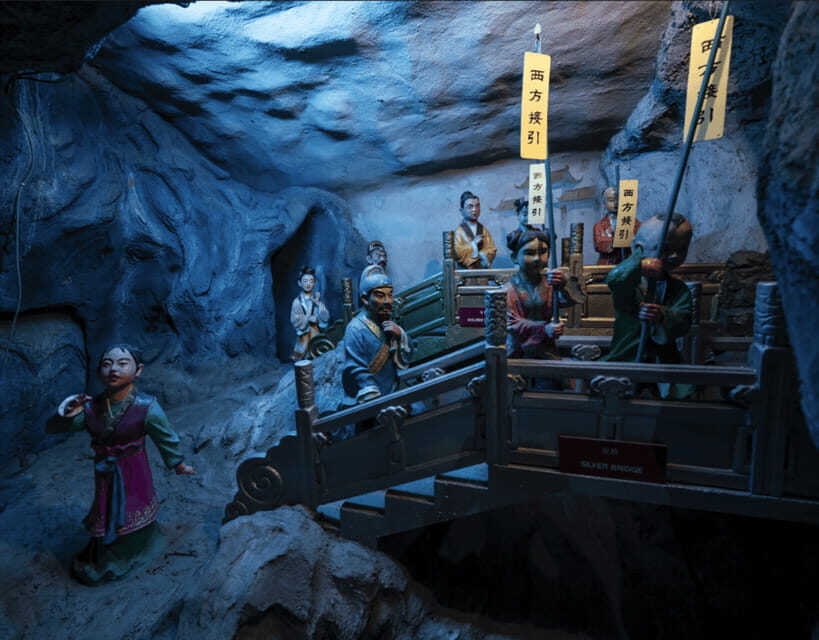
Interactive elements can sound like a gimmick. Here, they do something practical: they keep the visit from turning into wall-to-wall reading.
When you’re dealing with a topic that includes death, dying, moral judgment, and afterlife visions, attention can slip fast. Interactions help you maintain momentum and give you something to do instead of only something to read.
If you want to maximize your time, aim for at least a few interactive stops instead of racing past them.
Timing Tips: When to Go and How to Plan Your Day
Your ticket gives you access until closing time, and the experience can run 2–4 hours depending on your interest. That means you’re not stuck with a rigid schedule, but you still shouldn’t show up starving or rushed.
I’d plan it as a main attraction block, not a five-minute break between other stops. The museum asks you to think, and thinking takes time.
Also, bring a calm mindset. If you go in expecting humor, you may miss the point. If you go in expecting a lecture, you might be bored. The best approach is curious and steady.
Practical Notes: Tickets, Redemption, and How Hard to Commit

Redemption is straightforward: go directly to Hell’s Museum Singapore for redemption. Tickets are non-refundable, so double-check your schedule before you purchase.
If you’re traveling as a family, check the age categories before you assume everyone uses the same ticket type. Ages 7–12 are classed as child tickets, 13+ as adult tickets, and under 6 is free (with the not-recommended-under-9 note).
Finally, your visit time depends on how you like to travel. If you’re a fast reader, you’ll likely move quicker. If you like to stop, compare, and look longer at details, plan extra time.
Should You Book Hell’s Museum Singapore?
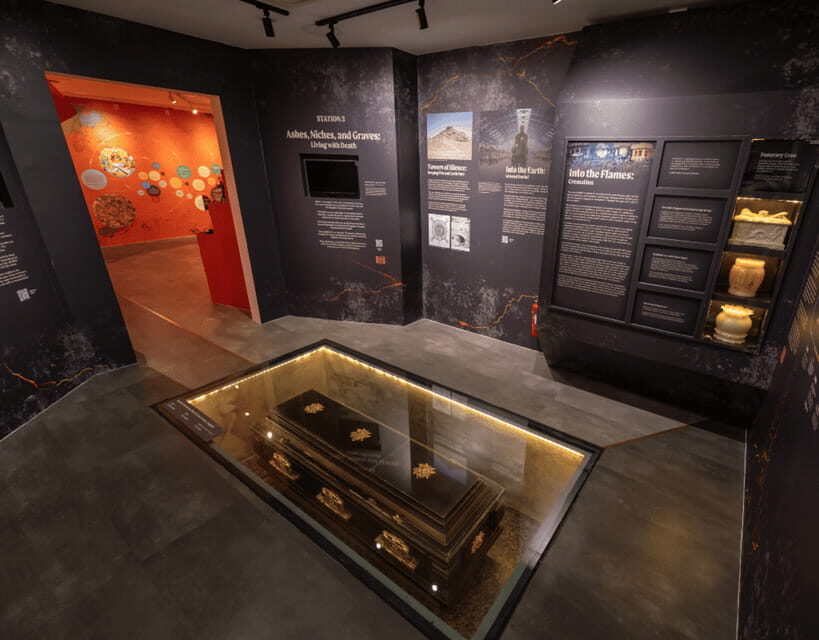
Book it if you want a thought-provoking Singapore stop that explains the afterlife and morality through comparative displays and connects them to Haw Par Villa’s 10 Courts of Hell. It’s a strong choice for adults, and it can work for older kids who handle graphic imagery and like learning through stories and symbols.
Skip it (or rethink timing) if you’re not comfortable with gruesome sin-and-punishment visuals, or if you’re bringing a child under the museum’s recommended age range. Also skip if you’re the type who hates non-refundable plans—this is one where you should be sure you can go.
If your travel style includes museums that make you pause and think, this one is worth your time. It’s strange in the best way: you came for the “hell” name, but you’ll leave with a clearer sense of how humans everywhere face the same big mystery.
FAQ
How much are tickets for Hell’s Museum Singapore?
Standard admission is $17 per person.
How long should I plan to spend inside?
The estimated duration is 2–4 hours, depending on your interest level.
What does my ticket include?
Your ticket includes standard admission and gives you access up to closing time.
Where do I go to redeem my ticket?
Please proceed directly to Hell’s Museum Singapore for redemption.
Are tickets refundable?
No. The activity is non-refundable.
What are the age requirements and ticket categories?
Child tickets apply to ages 7–12, adult tickets apply to ages 13+, and children aged 6 and under are free. The experience is not recommended for children under 9 years old.
Is this suitable for younger children?
Some depictions are gruesome, so it may not be a great fit for very young kids. The information specifically says it is not recommended for children under 9.