REVIEW · SINGAPORE
Tasting Trails: Chinatown OR with Kampong Glam, Little India
Book on GetYourGuide →Operated by OMNICITY TOURS PTE. LTD. · Bookable on GetYourGuide
Street food plus real stories works.
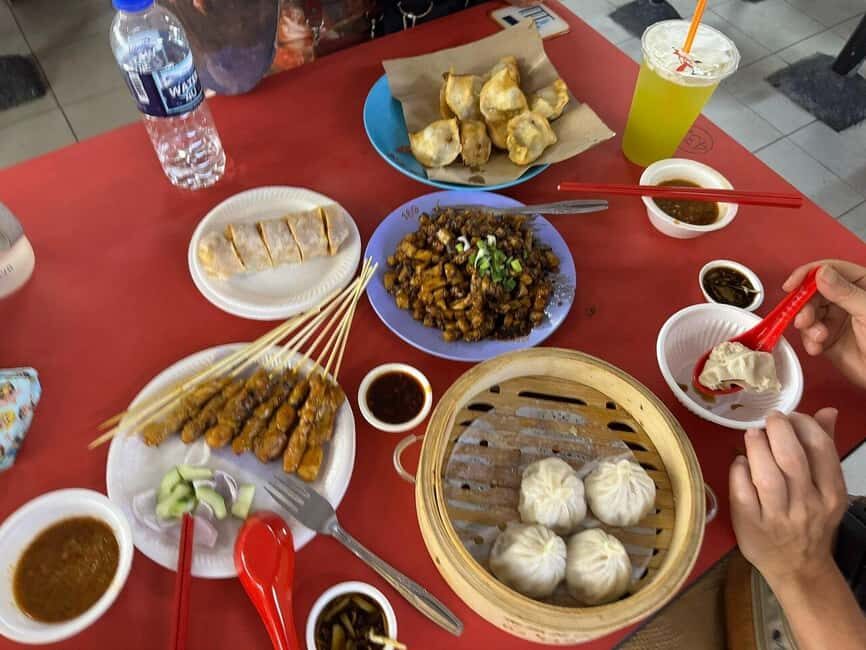
This tour gives you 8–10 local tastings across Singapore’s heritage districts, with a licensed guide who ties each bite to what you’re seeing on the street. I also like that the route is built for time efficiency, so you’re not spending half your day “walking past food.” One thing to think about: the food focus is mostly meat-based, so vegetarian variety can be limited depending on the day and stall choices.
You’ll choose either a shorter Chinatown-only route or a wider trio through Kampong Glam and Little India. Both versions include temple and shophouse scenery, plus classic hawker moments like coffee breaks and shared seating chaos that actually feels like Singapore. At $67 per person, the value mostly comes from the guide-guided ordering and the number of tastings you’re getting, not from any fancy restaurant plates.
If you hate rushed tours, this one is a good bet. You’ll mix guided stops with short walks, photo breaks, and sit-down eating at places like Maxwell Food Centre—then finish in the right spot for your next plan.
In This Review
- Key things I’d bet on before you book
- Starting at Bee Cheng Hiang and getting your bearings fast
- Chinatown: charcoal-roasted meats, kopi, and temple-adjacent street life
- Smith Street and Pagoda Street: the photo-walk that teaches you what to notice
- Nanyang Old Coffee and Maxwell Food Centre: where the tour slows down to taste properly
- Buddha Tooth Relic Temple and Chinatown Complex: culture between bites
- Kampong Glam add-on: Haji Lane, Muscat Street, and Sultan Mosque
- Little India finale: spice markets, dosai stops, and flower-garland energy
- How the pacing works across 3 hours vs the full trio
- Price and value: why $67 can feel fair for what you get
- Guides, group size, and why it matters on a food tour
- Practical tips so you enjoy the hawker style
- Who should book this Singapore food tour
- Should you book Tasting Trails: Chinatown OR with Kampong Glam, Little India?
- FAQ
- Is it 3 hours or can it be longer?
- What’s included in the price?
- Can vegetarians join?
- What if I have food allergies?
- Is the seating reserved at hawker centres?
- Is this tour suitable for children?
- What should I bring for the tour?
Key things I’d bet on before you book
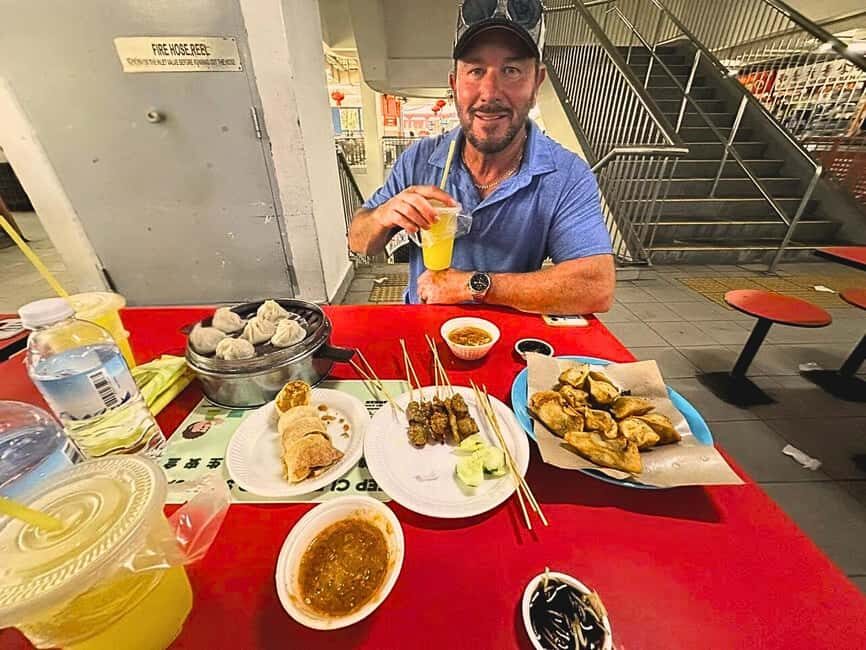
- 8–10 tastings at hawker centres and heritage-style eateries, so you eat more than you snack
- Licensed local guidance that turns streets and landmarks into context, not just trivia
- Pick your scope: 3-hour Chinatown or a longer trio that adds Kampong Glam and Little India
- Time-smart pacing with breaks for coffee and proper stops to eat, not constant standing
- Hawker realism: you’ll sit where you can, and that first-come setup is part of the experience
- Family-friendly option with examples of children as young as 3 enjoying the walk-and-taste format
Starting at Bee Cheng Hiang and getting your bearings fast
Most people start by meeting near Bee Cheng Hiang on Pagoda Street. It’s a smart warm-up because you’re already in the right mood for Singapore food: casual, fragrant, and built for locals to grab-and-go.
From there, you begin moving through Chinatown like a timeline. You’re not just walking from one sight to the next. Each step is meant to explain how different communities shaped what ended up on plates: trade routes, migration patterns, and how people adapted local ingredients to new recipes.
This opening matters because it sets expectations. You’ll be tasting as you go, so come hungry. If you arrive well-fed, you’ll miss the point of the tour’s structure.
You can also read our reviews of more food & drink experiences in Singapore
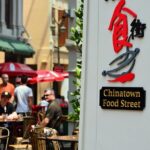
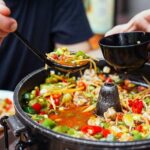
Chinatown: charcoal-roasted meats, kopi, and temple-adjacent street life
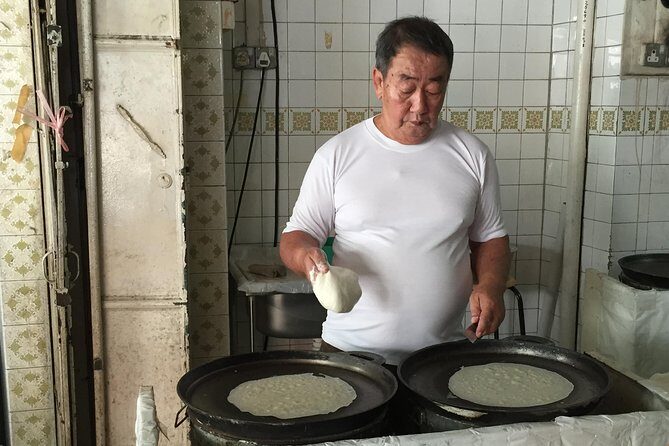
The Chinatown portion is built around classic “Singapore flavor fusion.” Think charcoal-roasted meats, dim sum-style bites, and old-world kopi moments. This is the part of the day where the tour feels most like eating in real Singapore neighborhoods, not a photo line outside a famous landmark.
You’ll pass heritage lanes, see religious sites along the way, and get guided context as you move. Stops include the Chinatown Heritage Centre area, plus walking segments designed for short orientation and photo moments. The goal is to help you recognize what you’re looking at, like why certain streets, shopfronts, and temple spaces matter to the community.
One practical note: Chinatown can be visually busy. The guide’s job is to help you connect the dots quickly—so your time doesn’t dissolve into random looking and scrolling on your phone.
Smith Street and Pagoda Street: the photo-walk that teaches you what to notice
Two streets in particular shape the rhythm here: Smith Street and Pagoda Street. You’ll get brief guided touring plus photo stops, which is a good balance between storytelling and breathing space.
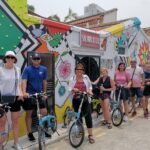
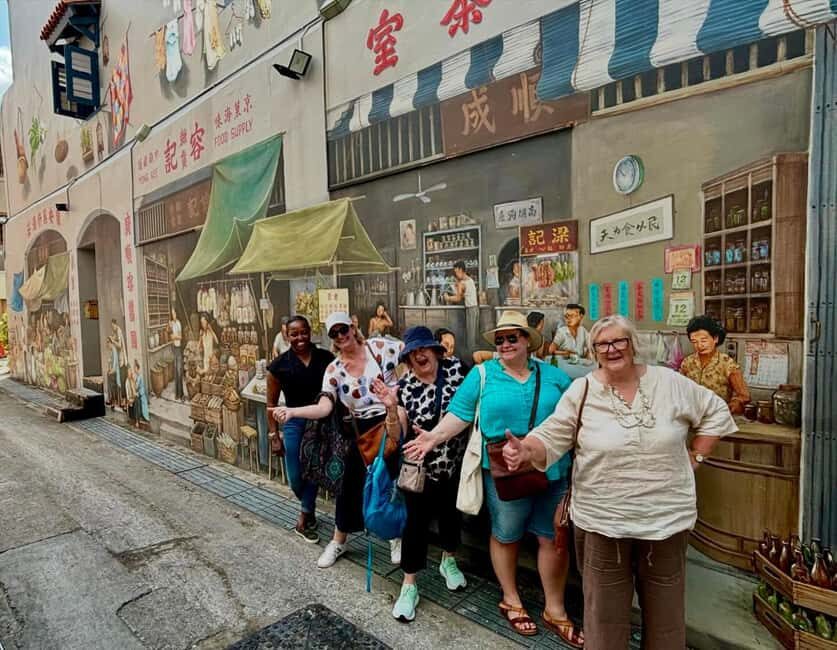
These stretches work because the details are the point. You’ll see old shophouse energy, murals by local artists, and the kind of alleyway storefronts that you might walk past without understanding what’s special about them.
I like how this section doesn’t try to do everything at once. The walking is short enough to keep the group moving, but you still get explanations that make later stops easier to appreciate. You’ll also get used to ordering pacing—hawker-style eating is not the same as restaurant dining.
Nanyang Old Coffee and Maxwell Food Centre: where the tour slows down to taste properly
Singapore hawker culture isn’t just food. It’s timing, temperature, and ordering speed. That’s why the tour includes two eating anchors: Nanyang Old Coffee and Maxwell Food Centre.
At Nanyang Old Coffee, you get a break plus a tasting window—enough time to reset, sip something warm, and try a classic coffee or snack pairing. The best part of this segment is the ordering support and the guide talk around how people drink and choose their coffee.
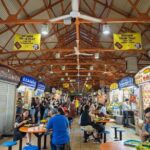
Then you hit Maxwell Food Centre, which is one of the most useful places for first-time visitors. It’s a “real hawker” environment with lots of activity, but the guide helps you navigate it without making the experience stressful. You’re there to taste multiple dishes, not just one.
What I’d do if I were planning your day: don’t schedule anything demanding right before this portion. You’ll likely end up full in a way that changes your appetite for the rest of the afternoon.
Buddha Tooth Relic Temple and Chinatown Complex: culture between bites
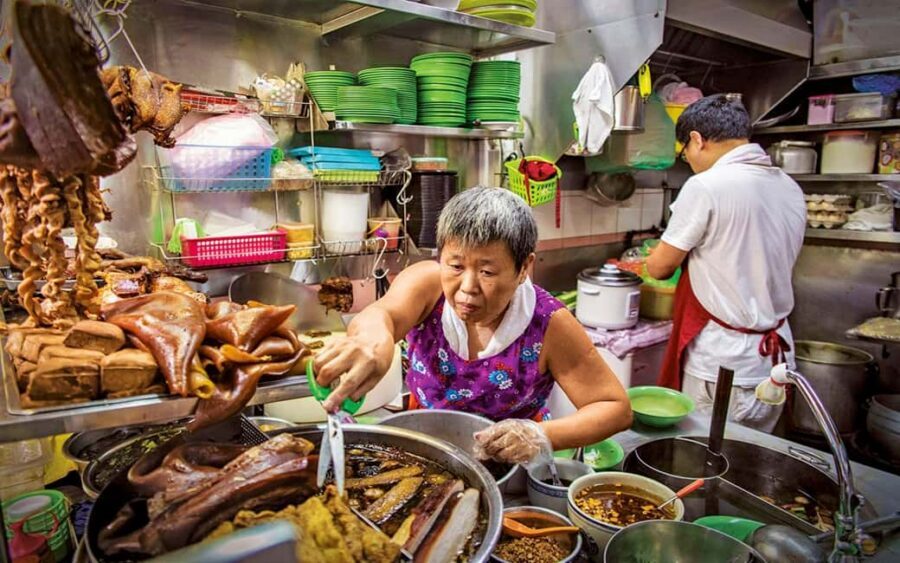
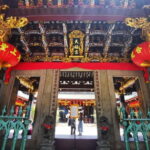
One of the more memorable breaks is the Buddha Tooth Relic Temple visit. You’ll do a guided visit, plus some walking and orientation time that helps you understand the landmark’s role in the neighborhood.
After that, the tour continues into the Chinatown Complex area, with another tasting opportunity and guided walk segments. This part works well because it keeps you from thinking of food as only a “stops and samples” activity. You’re also seeing where people gather—religiously, socially, and commercially.
The main drawback here is also the reality: it’s a walking day. If the weather is hot or humid, the temple + hawker combo can feel like a lot. Bring what the tour suggests—hat and umbrella—and use the built-in breaks.


Kampong Glam add-on: Haji Lane, Muscat Street, and Sultan Mosque
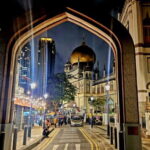
If you choose the longer option, Kampong Glam becomes your “tradition meets creativity” zone. You’ll see street art areas like Haji Lane and Muscat Street, then you’ll get to the Sultan Mosque area (including a photo stop with the famous golden dome).
Food here shifts in flavor direction. You can expect Malay bites and seasonal fruit-type tastings, plus kuih-style sweets from family-run stalls. The vibe changes from Chinatown’s roasted comfort and coffee focus to a more fragrant, colorful street-market feeling.
This segment is great for couples and families because it’s visual, story-driven, and not overly complicated. You can walk, stop for photos, and still end up eating plenty without needing menu fluency.
Little India finale: spice markets, dosai stops, and flower-garland energy
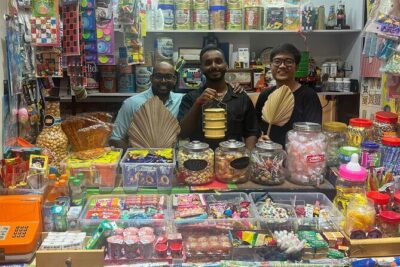
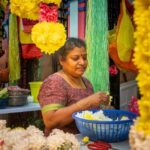
Little India is a sensory finish: incense in the air, bold colors, and the soundscape of street life. The tour’s goal here is to help you taste the neighborhood the way locals do—spice market browsing and dosai-style bites in off-the-radar spots.
You’ll do guided sightseeing and walking, with a substantial chunk of time built into the end zone. You’ll also pass through the kinds of landmarks that help you understand why the area looks the way it does—like iconic shophouse architecture (including Tan Teng Niah) and the market energy near major food corridors such as around Tekka Centre.
One small tip: pace yourself in Little India. It’s tempting to keep eating because everything smells amazing. But you’ll likely finish tour full, so save heavier decisions for later meals.
How the pacing works across 3 hours vs the full trio
This experience comes in two main formats:
- 3 hours in Chinatown only
- A longer trio option that adds Kampong Glam and Little India
If you’re short on time or you already know you want Chinatown-focused food, the 3-hour version is the cleanest choice. You get a full taste loop without expanding your walking footprint too far.
If you’re making Singapore your first stop and you want the “Singapore through food neighborhoods” story, the longer trio makes sense. You’ll cover more cultural ground in one day, and you’ll leave with a mental map of where to return later.
Either way, expect a rhythm of short guided segments plus eating breaks. The tour also uses public transport segments (like metro rides) between areas, which is helpful in a city where distances add up quickly.
Price and value: why $67 can feel fair for what you get
At $67 per person, the math is mostly about quantity plus guidance.
You’re getting:
- 8–10 tastings (not just one or two sample bites)
- a licensed guide to help you order and explain what you’re tasting
- 1 bottle of mineral water included
You’re also buying time. Without a route and guide, you might spend your day wandering, then end up eating fewer dishes because you’ll be stuck trying to decode menus, stall types, and what’s “good here.”
Where the value gets questionable is only if you’re hard to please with hawker-style food. This tour leans local and practical. If you want plated fine-dining vibes, you’ll be happier with a different format.
Guides, group size, and why it matters on a food tour
The tour runs with private or small groups, capped so you get interaction rather than listening from the back of a crowd. That matters when you’re tasting. You need moments to ask questions, check what to expect, and get help navigating busy stalls.
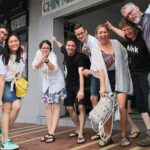
The guide factor is also where this tour earns strong marks. Different guides named in recent bookings—like Dawn, Kelvin, Jeanette, Liang, Leo, and Paul—are praised for friendly attention, solid history and culture explanations, and pacing that keeps the experience relaxed instead of frantic.
You’ll also likely notice practical guide behaviors. Some guides have been described as prepared with extra tissues or wet wipes, and as helping diners feel comfortable at shared tables. Those are small things, but on a humid walking day they matter.
Practical tips so you enjoy the hawker style
Here’s how you set yourself up for a smooth day:
- Wear comfortable shoes. You’ll do real walking between multiple districts.
- Bring a hat, umbrella, and sunscreen. The tour runs in rain or shine.
- Don’t eat a big meal before you go. The tasting stops add up fast.
- If you have food restrictions, tell the team in advance. Vegetarian options exist but may be limited, and allergy-free meals can’t be guaranteed since food is prepared by outside vendors.
- Plan to use metro/bus segments between districts, because the route spans multiple neighborhoods.
Also follow the rules: no smoking, and pets aren’t allowed.
Who should book this Singapore food tour
This tour is a strong fit if you want:
- a first-time Singapore day focused on food + cultural context
- a route that mixes walking with planned tasting windows
- a travel style that works for couples, solo travelers, and families
- a guide-led way to eat without guessing which stalls to choose
It might not be the best fit if you’re extremely picky, if you need strictly allergen-free meals (the tour can’t guarantee that), or if you hate hawker environments where seating can be first-come, first-served.
Should you book Tasting Trails: Chinatown OR with Kampong Glam, Little India?
Yes, if you want a high-return Singapore day where you eat a lot, walk a bit, and learn why the neighborhoods look and taste the way they do.
Choose the 3-hour Chinatown version if you’re time-limited or already leaning toward Chinese Singapore flavors like roasted meats and kopi. Pick the longer trio if you want the full “mixing cultures on one map” story—Kampong Glam’s Malay bites and Sultan Mosque scenery, then Little India’s spices and dosai-style finale.
One final call: if your diet is meat-light or you have major allergies, reach out first and be clear about needs. The tour can’t promise everything, but it’s set up for you to communicate and try what’s available.
If that sounds manageable, this is the kind of food day that helps you understand Singapore fast—and then gives you a reason to come back.
FAQ
Is it 3 hours or can it be longer?
The experience runs for 3 hours in Chinatown only or a longer option that adds two more districts. The full experience duration can range up to about 7 hours depending on which route you choose.
What’s included in the price?
Your price includes 8–10 handpicked tastings and drinks from local hawker centres and heritage spots, a professional licensed tour guide, and 1 bottle of mineral water.
Can vegetarians join?
Yes, but vegetarian options are limited. The tour focuses on meat-based dishes, and what you can get depends on route and stall availability.
What if I have food allergies?
You should let the operator know in advance. Because food comes from external vendors, they can’t guarantee allergen-free meals.
Is the seating reserved at hawker centres?
No. Many hawker stalls use first-come, first-served seating. This is part of the hawker experience.
Is this tour suitable for children?
Yes. It’s suitable for families, and children as young as 3 years old have joined and enjoyed the walk-and-taste format.
What should I bring for the tour?
Bring comfortable shoes, a hat, an umbrella, a camera, sunscreen, and water. The tour runs rain or shine.