REVIEW · SINGAPORE
Tasting Trails: Chinatown, Little India & Kampong Glam, Haji Lane
Book on Viator →Operated by OMNICITY TOURS · Bookable on Viator
Old streets, real snacks, tight timing.
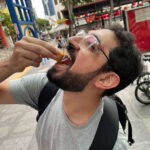
I like the 8–10 food tastings that keep you full without turning the day into a marathon, and I like the local guide storytelling that connects each bite to the neighborhood. One thing to consider: this is still a walking-heavy route, and a couple stops have admissions not included.
This is also a private tour for just your group, with an English-speaking guide and a mobile ticket. It runs about 4 hours, starting in Little India and ending at Maxwell MRT, so you can line it up with dinner plans without guessing your route.
In This Review
- Key things I’d watch for
- The Big Idea: Food Trails That Actually Teach You Something
- Price and What You’re Really Paying For ($100.89)
- How the Pacing Works (And Why It Matters)
- Meet the Route: Little India’s Shophouses and Market-Energy
- House of Tan Teng Niah (A Chinese Villa in Little India)
- Little India Arcade (Restored Shophouses, Traditional Goods)
- Buffalo Road (Name With a Past)
- Tekka Place (Where Produce and Hawker Food Collide)
- Kampong Glam: Sultan Mosque, Arab Street, and Haji Lane
- Sultan Mosque (Golden Dome Landmark, Admission Not Included)
- Kampong Glam District (Shophouses, Cafes, and Heritage Corners)
- Arab Street (Textiles and Middle Eastern Cafes)
- Haji Lane (Street Art + Small Boutiques)
- Chinatown: Heritage Streets, Murals, and Tea-Stop Energy
- Chinatown Heritage Centre (Stories Through Recreated Homes)
- Smith Street Murals (Yip Yew Chong’s Chinatown Stories)
- Pagoda Street (Coolie Lodgings and Former Hubs)
- Nanyang Old Coffee (A Nostalgic Coffee Making Mini-Museum)
- Buddha Tooth Relic Temple and Chinatown Complex: The Finisher That Feels Like a Full Meal
- Buddha Tooth Relic Temple and Museum
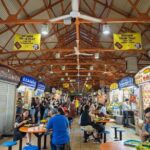
- Chinatown Complex (Wet Market Energy and Local Food Stalls)
- The Guide Factor: Why Local Stories Make This Tour Worth It
- Is This Tour For You? (Quick Decision Help)
- FAQ
- FAQ
- How long is the tour?
- What does the tour cost?
- How many tastings are included?
- Is this tour private?
- What language is the guide in?
- What’s included in the price?
- Are entrance tickets included for all stops?
- Where does the tour start and end?
- Do I need to pay for public transport?
- Is free cancellation available?
- Final Call: Should You Book Tasting Trails?
Key things I’d watch for
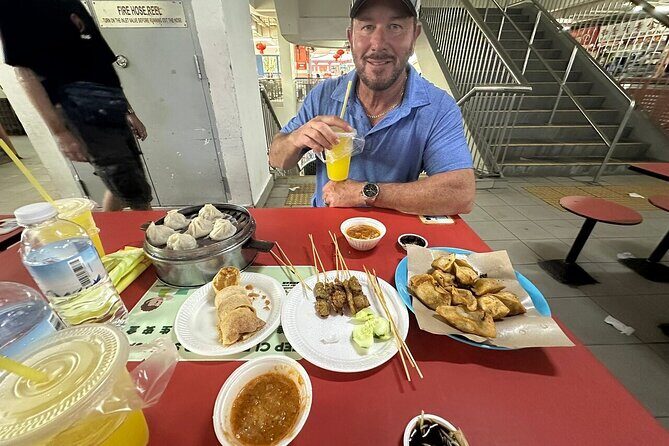
- 8–10 tastings with a cultural spine: you get food plus context, so the route feels like Singapore, not just a checklist.
- Private, small-group feel: only your group joins, so you can ask questions and set your own pace.
- Old neighborhoods, not just landmarks: Chinese villas, shophouse arcades, street murals, and market-style eating.
- Two “admission not included” stops: Sultan Mosque and Chinatown Heritage Centre may cost extra.
- An end point that helps your evening plans: you finish at Maxwell MRT, handy for heading into dinner.
- Expect some transport plus walking: it’s not strictly “on foot the whole time,” but comfort and shoes matter.
The Big Idea: Food Trails That Actually Teach You Something
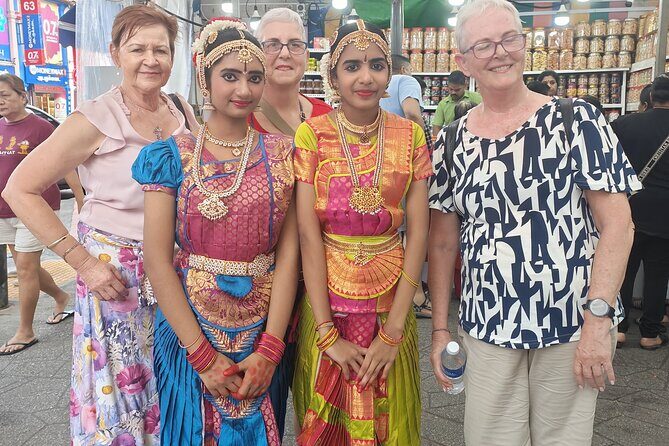
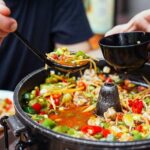
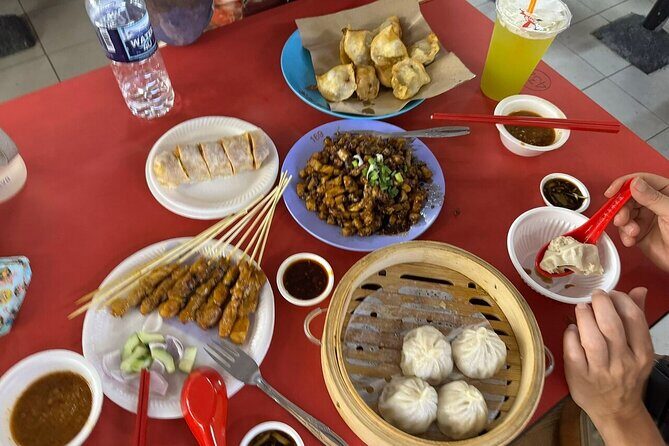
If you’ve ever done a food tour that felt like a sprint, this one is built to slow you down just enough. The goal is simple: you’ll taste plenty, but you’ll also get the story behind the neighborhoods that shaped Singapore’s food scene.
I also like that this isn’t only about flavor. You’re looking at streets, buildings, and places where communities lived and worked, and then you’re turning those settings into edible lessons. That makes the time feel more useful, especially if it’s your first visit.
You can also read our reviews of more food & drink experiences in Singapore
Price and What You’re Really Paying For ($100.89)
At $100.89 per person for about 4 hours, you’re paying for three things at once: a guide, multiple curated stops, and 8–10 tastings. If you break it down, it lands at roughly the cost of several meals plus guiding, which makes it worth it if you’d otherwise spend time figuring out where to eat safely and well.
That said, factor in two extra considerations. First, not every stop has admission included, specifically Sultan Mosque and Chinatown Heritage Centre. Second, public transport isn’t included, so any MRT or bus rides during the route are on your own card or cash. Still, the trade-off is you get a planned route that carries you between three major areas without the guesswork.
How the Pacing Works (And Why It Matters)
Most stops are about 15 minutes. That timing is the sweet spot: long enough to look around, short enough that you don’t lose the day to waiting, queues, or slow transitions.
You’ll cover multiple neighborhoods: Little India first, then Kampong Glam, then Chinatown. The route is designed so you can keep your energy and appetite. You’re also given a complementary water bottle, which is small, but it helps when you’re sampling.
Comfort note: this is not recommended for travelers with challenging walking. Even if there are occasional transit hops, you should plan on moving between sights.
Meet the Route: Little India’s Shophouses and Market-Energy
Little India is where the day starts, and it sets the tone: family-run businesses, older buildings, and street-level commerce that’s been part of Singapore for generations.
House of Tan Teng Niah (A Chinese Villa in Little India)
Your first stop is the former House of Tan Teng Niah, a Chinese villa built in 1900 by a local businessman. It’s one of the last surviving Chinese villas in the area, and the colorful facade gives you an immediate visual clue that this neighborhood has layers.
Why it’s worth your attention: buildings like this explain how communities coexisted in early Singapore, and your guide can connect that context to what you’ll see and eat later. The admission here is free, so it’s an easy win early in the tour.
Little India Arcade (Restored Shophouses, Traditional Goods)
Next comes Little India Arcade, a shopping complex in restored 1913 shophouses. Here you’re not just browsing modern storefronts; you’re stepping into older commercial architecture that still supports traditional goods, textiles, and food.
This stop is useful if you like to understand what “market culture” means in real life. You’re seeing the storefront as part of the supply chain, not just a place to buy souvenirs.
Buffalo Road (Name With a Past)
Buffalo Road gets its name from Little India’s earlier days as a buffalo-rearing village, known historically as Kampong Kerbau. Even when you’re just looking at a street sign and facades, it helps you realize how Singapore’s city map is really a record of economic change.
It’s a short stop, but it’s a good reset point between tastings—quick context before you move deeper into the food end of Little India.
Tekka Place (Where Produce and Hawker Food Collide)
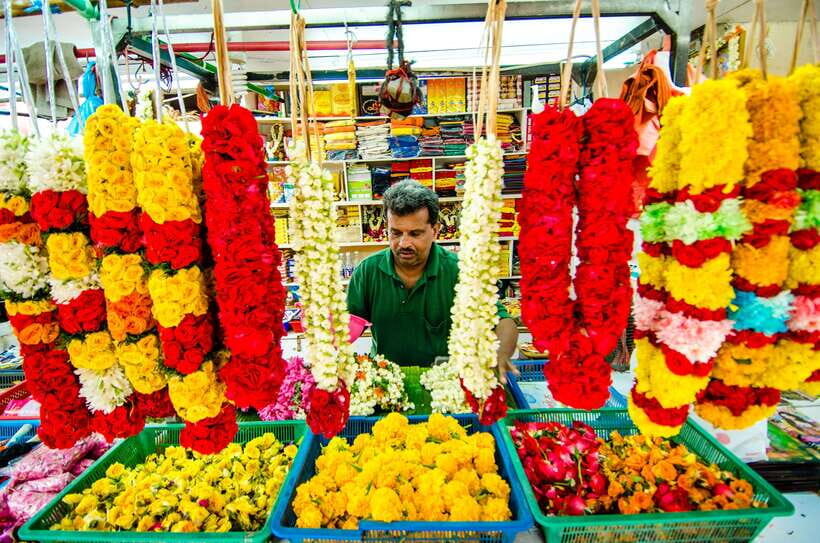
Tekka Place is one of the most practical stops on the route. Tekka Market is known for fresh produce, meat, seafood, and a mix of hawker food that reflects the area’s multicultural heritage.
This is where you’ll feel the “how Singapore eats” part of the tour. If you come hungry, this neighborhood start can calibrate your appetite for the rest of the day, especially once you begin tasting multiple dishes.
Kampong Glam: Sultan Mosque, Arab Street, and Haji Lane
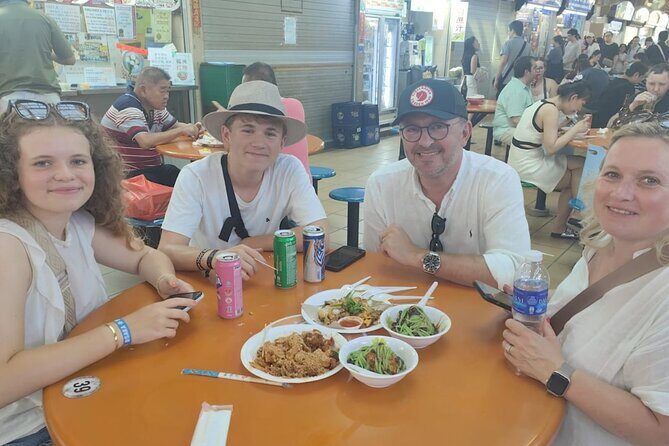
From Little India you shift to Kampong Glam, home to Malay-Muslim heritage, iconic religious architecture, and a cluster of streets that locals and visitors associate with shopping and small treats.
Sultan Mosque (Golden Dome Landmark, Admission Not Included)
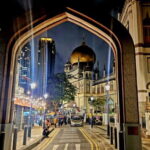
Sultan Mosque is the centerpiece, known for its golden dome and its significance since 1824. It’s an important cultural and religious landmark, and the architecture makes an impression fast.
One practical detail: admission isn’t included here. Plan to pay your own ticket or donation requirement if applicable. Also, dress and behavior matter at religious sites, so keep it respectful and simple.
Kampong Glam District (Shophouses, Cafes, and Heritage Corners)
Kampong Glam is the broader area around Sultan Mosque, famous for historic shophouses and landmarks like the Malay Heritage Centre. This stop helps you connect the mosque to everyday street life, so the neighborhood doesn’t feel like a single-photo location.
Arab Street (Textiles and Middle Eastern Cafes)
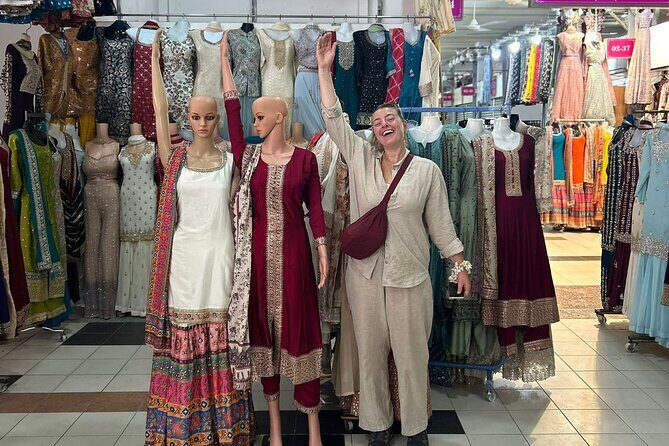
Arab Street is known for textile shops and Middle Eastern cafes. This is the part of the tour where you start noticing the “shopping as culture” vibe: fabrics, styling, spices, and small businesses that sell more than just products.
Haji Lane (Street Art + Small Boutiques)
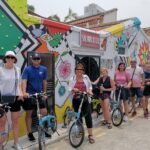
Then you hit Haji Lane, the narrow street that mixes eclectic boutiques, cafes, and street art. It’s a great contrast after the more solemn feel of the mosque. You get a chance to slow down and look at storefronts and murals without it turning into a shopping-only detour.
You might also see optional cultural extras offered in the area, like henna or perfume shops, depending on the day and your guide’s pace. If those are your interests, ask early in the tour so you can align your timing with tastings.
Chinatown: Heritage Streets, Murals, and Tea-Stop Energy
Chinatown is the final neighborhood, and it’s where the tour leans harder into immigration stories, street symbolism, and old-school eating atmospheres.
Chinatown Heritage Centre (Stories Through Recreated Homes)
Chinatown Heritage Centre is built around the early Chinese immigrant experience, including the struggles and hopes people carried as migrants. You’re shown faithfully recreated 1950s-style homes, which makes history feel human instead of abstract.
Admission is not included here, so budget for it. The upside is that it can add depth to everything you see in the final stretch, especially if this is your first time in Chinatown.
Smith Street Murals (Yip Yew Chong’s Chinatown Stories)
Smith Street is where the walls start talking. You’ll see murals by Yip Yew Chong, each showing a different slice of life in Chinatown. One focuses on family life in a traditional shophouse, and another honors a letter writer role that mattered in the past.
This stop is good for photo lovers, but it’s also educational. Murals like this turn what could be random street art into a visual map of everyday history.
Pagoda Street (Coolie Lodgings and Former Hubs)
On Pagoda Street, the story shifts to the 19th century: Chinese immigrants, coolie lodgings, and opium dens, along with notable firms like Kwong Hup Yuen. Today, you’ll find the area has changed, but the street’s past explains why the neighborhood developed the way it did.
It’s another short stop, but it gives you context for why Chinatown’s food and business scene feels so specific.
Nanyang Old Coffee (A Nostalgic Coffee Making Mini-Museum)
Nanyang Old Coffee offers a nostalgic look at traditional coffee making. Inside, you’ll find vintage décor and a mini-museum upstairs featuring antique coffee-making equipment.
This is a nice change from constant street walking. It’s also a good moment to slow down, breathe, and let your tastings land before the final temple stop.
Buddha Tooth Relic Temple and Chinatown Complex: The Finisher That Feels Like a Full Meal
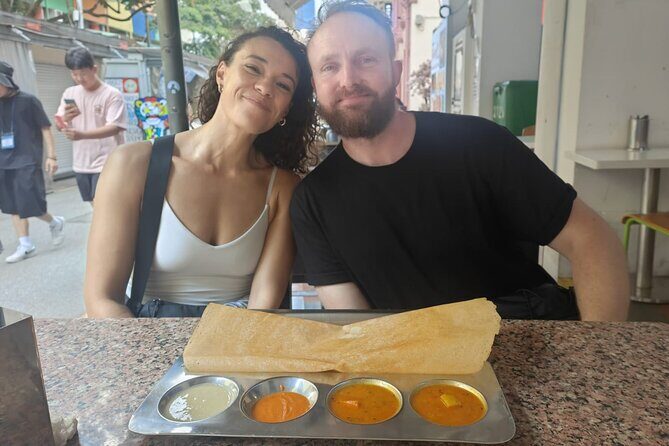
Buddha Tooth Relic Temple and Museum
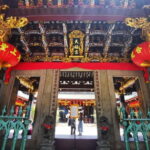
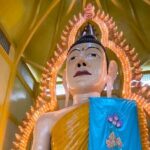
The Buddha Tooth Relic Temple is Tang Dynasty-inspired in architecture, with multi-tiered roofs and symbolic details like dragons, phoenixes, and lotus flowers. It’s a visually strong stop and a satisfying cultural capstone to the day.
Admission is free here, so it’s easy to include in your schedule without extra budgeting.
Chinatown Complex (Wet Market Energy and Local Food Stalls)
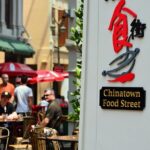
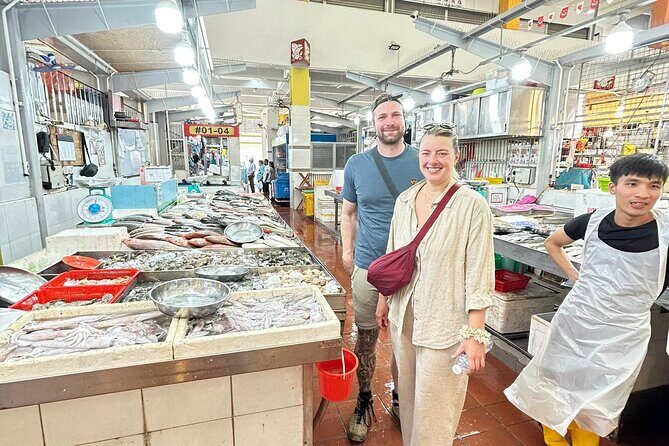
The tour finishes at Chinatown Complex, known for a busy wet market and a wide variety of local food stalls. The wet market section gives you the fresh-produce reality check: meats, seafood, and produce are part of the same food culture you’re tasting.
This ending is practical. You leave with a sense of where to eat next—especially useful if you want dinner nearby without guessing.
The Guide Factor: Why Local Stories Make This Tour Worth It
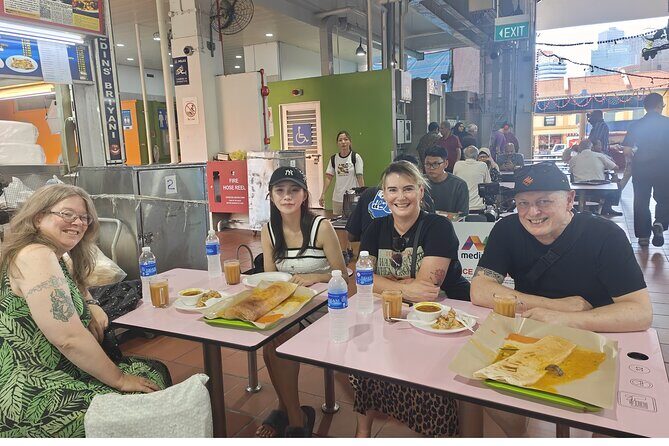
The reviews point to a common theme: the guide is a major part of the value. People mention guides like Kelvin and Dawn, both praised for connecting food to the people and history behind the neighborhoods.
That kind of guiding changes how tastings land. Instead of tasting and moving on, you’re tasting with context: why a dish fits a community, why a street name matters, why a building survived, and what everyday commerce looked like in earlier decades.
If you like asking questions, this format supports it because you’re not trapped in a loud, rushed conveyor belt.
Is This Tour For You? (Quick Decision Help)
Book this if you want food that feels planned—8–10 tastings—but you also want to understand the neighborhoods behind the flavors. It’s especially smart for first-timers who want three major areas in one day without doing endless research.
Skip it if walking is an issue, or if you’re chasing a pure food crawl with minimal sightseeing. This route is meant to balance culture and cuisine, and the pacing includes sights like mosques and heritage centers, plus extra admissions at two stops.
If you’re returning to Singapore and want something more thoughtful than a repeat itinerary, this one can still work because it focuses on street-level history and local storytelling, not just famous names.
FAQ
FAQ
How long is the tour?
The tour duration is about 4 hours.
What does the tour cost?
The price is $100.89 per person.
How many tastings are included?
You’ll get 8 to 10 food tastings during the experience.
Is this tour private?
Yes. It’s a private tour/activity, and only your group participates.
What language is the guide in?
The guide is an English speaking guide.
What’s included in the price?
Included are the food tastings, the English speaking guide, and 1 complementary water bottle.
Are entrance tickets included for all stops?
Most stops list admission as free, but Sultan Mosque and Chinatown Heritage Centre list admission tickets as not included.
Where does the tour start and end?
It starts in Little India, Singapore, and ends at Maxwell MRT Station (TE18).
Do I need to pay for public transport?
Public transport (bus/MRT/taxi) is not included, so you’ll need to pay those costs yourself.
Is free cancellation available?
Yes, you can cancel for a full refund up to 24 hours in advance of the experience start time.
Final Call: Should You Book Tasting Trails?
I’d book it if you want a well-paced Singapore day with multiple neighborhoods, a serious focus on tasting, and enough cultural context to make the food meaningful. You’ll get a guided route that avoids the rush, plus a finish at Maxwell MRT that makes it easy to carry on with your evening.
I’d think twice if you’re sensitive to walking time or if paying extra admissions at Sultan Mosque and Chinatown Heritage Centre would be a hassle. If that’s you, choose a lighter plan. If not, this is a strong way to see Singapore through food and the streets that shaped it.