REVIEW · SINGAPORE
Private Chinatown Heritage Tour with Best 8 Local Tastings
Book on GetYourGuide →Operated by LC Travel Planners · Bookable on GetYourGuide
Chinatown gets noisy fast, but this tour keeps it meaningful. You get storytelling at every stop plus 8 local tastings done right, from the first bak kwa bite to hawker classics at Maxwell Food Centre. The private format is built for you, not the other way around, with guides like Ronnie and Tang praised for steering the day and making ordering easy. The main catch is simple: it is still a 3-hour walking tour, so wear comfy shoes and plan for weather.
If you want food with context, this is the kind of Chinatown tour that makes you look twice at streets you’d otherwise just pass. I also like that you do not just watch murals from afar—you get photo moments in hidden alleys and stops tied to the area’s immigrant stories. One thing to consider: it is not a slow, sit-down meal tour. You’ll be moving and tasting, so big appetites and flexible timing help.
In This Review
- Key points worth your attention
- Why this Chinatown tour feels different than a checklist
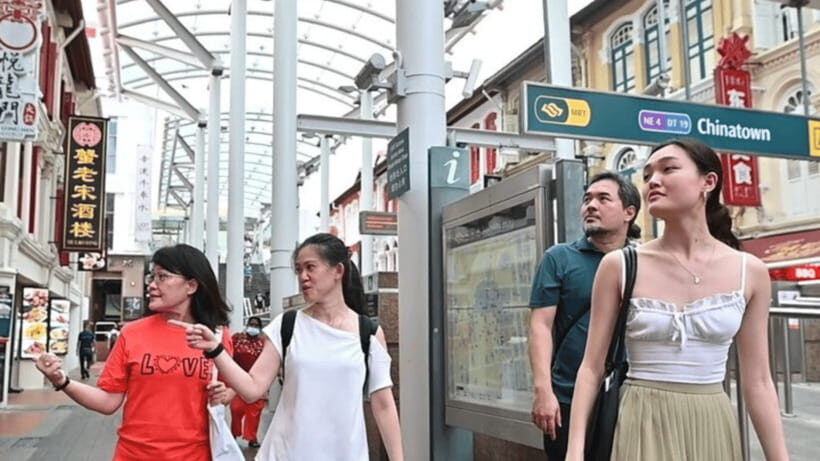
- Meeting point: Chinatown MRT Exit A and the bak kwa start
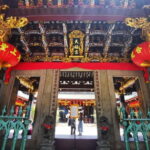
- Chinatown Heritage Centre: the story before the streets
- Wandering Chinatown lanes: murals, coffee shops, and that photo energy
- Ann Siang Hill: historical charm and screen-familiar angles
- Maxwell Food Centre: where the tour turns into eating
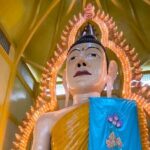
- Buddha Tooth Relic Temple & Museum: culture with a walking pace
- Sago Lane: the street of the dead (and why naming matters)
- Chinatown Complex: architecture and food energy all in one place
- The tasting plan: how 9–10 local foods works in real life
- Guides and languages: private means you can talk, not just follow
- Price and value: is $110 per person fair?
- Who this tour suits best
- Should you book the Private Chinatown Heritage Tour?
- FAQ
- How long is the Chinatown Heritage and Food tour?
- Where do I meet the tour guide?
- What’s included in the price?
- Is this a private tour?
- What languages are available?
- What is the cancellation policy?
- Are children allowed?
Key points worth your attention
- Bak kwa to heritage context: the day starts with bak kwa, then immediately ties you to immigrant-era streets like Pagoda Street.
- Murals and alley photo time: you’ll hit Instagram-ready artwork, including Yip Yew Chong mural spots, without feeling rushed.
- Ann Siang Hill stop with screen-familiar scenes: expect classic hill streets and photo opportunities people associate with Crazy Rich Asians style visuals.
- Maxwell Food Centre is the food anchor: chicken rice and Fuzhou oyster pancakes are specifically called out as must-try items.
- Temple + Sago Lane contrast: Buddha Tooth Relic Temple & Museum pairs cultural visits with a grimly named lane stop.
- Private, guide-led ordering: guides are set up to help you choose what to try so you don’t waste any of your tastings.
Why this Chinatown tour feels different than a checklist
Singapore Chinatown is easy to sample on your own. You can wander, snack, and take photos. The problem is you can also miss the why behind what you’re seeing.
This tour is built to connect the dots. You start with a bite of bak kwa, then the day turns into a guided walk through places like Pagoda Street and the Chinatown Heritage Centre. That matters because it turns “I ate something good” into “I understand how the food and the streets link to people who came here.”
I also like the pacing. Three hours is long enough to do meaningful landmarks and a real food centre, but short enough that you’re not dragging yourself across the whole district. It’s also private, so you can ask questions and get tailored suggestions at the eating parts.
The cost—$110 per person—sounds like a splurge until you break it down. You’re paying for a licensed guide, private pacing, and 9–10 handpicked local foods and drinks at famous hawker centres, plus a bottle of mineral water. For a couple who hates guesswork, this kind of guided tasting can feel like better value than piecing together separate meals and paying for one-off entry tickets.
You can also read our reviews of more private tours in Singapore

Meeting point: Chinatown MRT Exit A and the bak kwa start
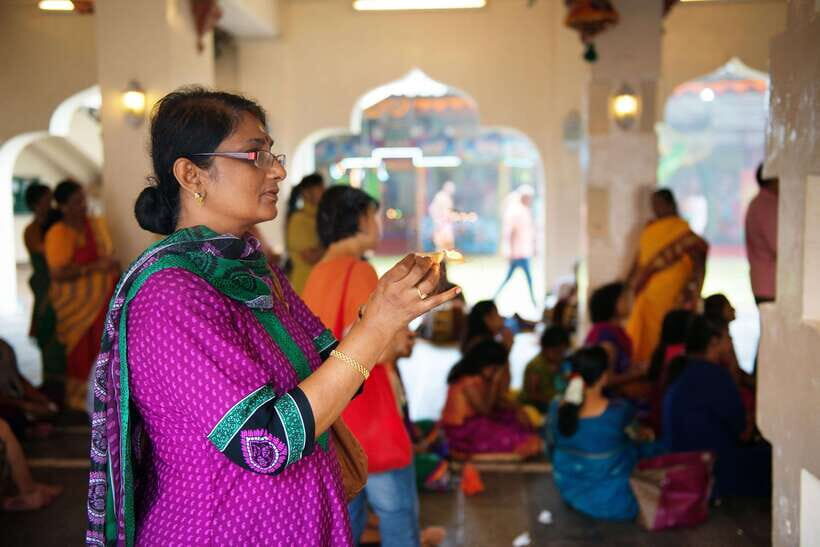
You meet at Chinatown MRT Station, Exit A, street level, in front of BEE CHIANG HENG BAK KWA STORE. That’s a great start for two reasons.
First, it puts you right in the heart of the area where the aromas actually tell the story. Second, it sets the tone immediately: the tour begins with bak kwa, a sweet-savory Cantonese-style barbecued meat snack that locals treat like a small ritual.
If you’re arriving from another part of Singapore, get here a little early and take a moment just to orient. The area around Chinatown MRT is busy. If you have to stop and regroup mid-walk, you’ll feel it later—especially once you’re moving between photo points and eating stops.
Chinatown Heritage Centre: the story before the streets
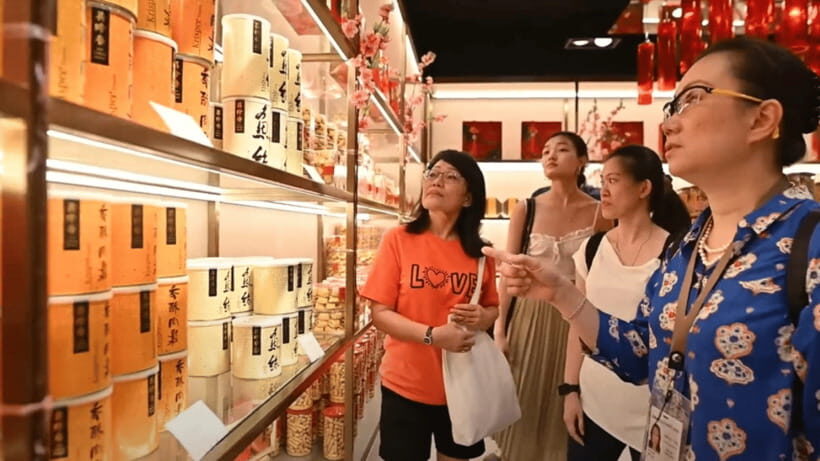
The first big stop is Chinatown Heritage Centre. Expect a photo stop, a guided tour, sightseeing, walking, and a food tasting element. The goal here is not to sprint through facts. It’s to give you a map in your head before you head out into the lanes.
Why I like this approach: when you later see the architecture, temple influences, and how streets are organized, you’ll recognize patterns. You’ll also understand why some foods show up in certain areas and why certain lanes and buildings matter.
If you’re the type who normally skips museum-style intros because you want “more food,” give this part a chance anyway. It’s short, and it helps you taste the rest of the day with better context.
Wandering Chinatown lanes: murals, coffee shops, and that photo energy
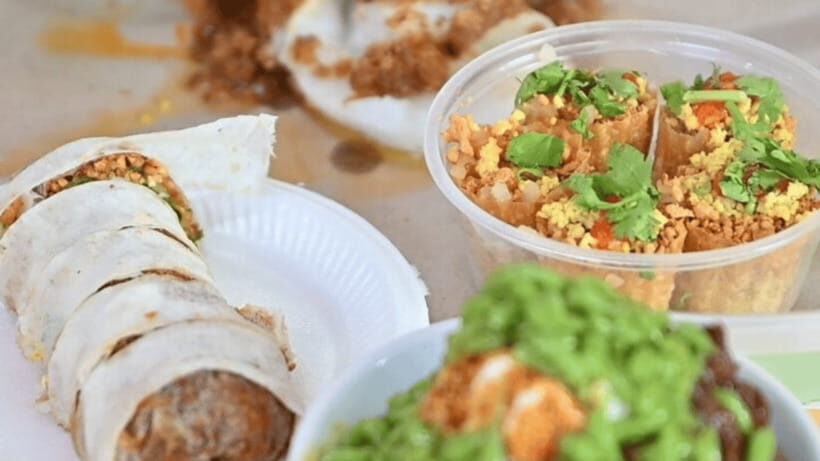
After the heritage centre, the tour moves through Chinatown with repeated photo and guided sightseeing stops. This is where you get the hidden alley feeling: the walk isn’t only about famous main roads. You’ll also pass areas lined with old-school shops and the kind of lane layouts that make you slow down.
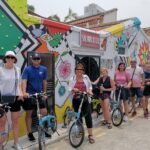
One highlight is the emphasis on murals. You’ll visit spots connected with Yip Yew Chong mural areas, and that’s the kind of visual stop that makes a walking tour feel more like exploring than touring.
You’ll also see traditional coffee shops along the way. Even if you don’t stop for coffee, the setting gives you a sense of daily rhythm. Chinatown isn’t only for visitors. It still functions like a working neighbourhood, and the little storefront details help you feel that.
Practical tip: if you want the best photos, keep your phone handy but don’t hold it up in every direction. Let the guide pick the moment. You’ll get the Instagram-worthy views without turning the day into a photos-only grind.
Ann Siang Hill: historical charm and screen-familiar angles
Next up is Ann Siang Hill, a part of Chinatown known for its classic street vibe. You’ll have guided sightseeing, walking, and photo stops, including iconic spots that people often associate with Crazy Rich Asians-style imagery.
This segment works for two types of travellers. If you love architecture and street scenes, it’s a satisfying change of pace. If you’re more of a food-first person, it’s still useful because it helps you connect the “pretty” side of Chinatown to the neighbourhood that feeds you later.
One drawback to note: this stop has photo expectations. If you hate stopping for pictures, you may feel slightly impatient. The fix is easy: treat it like a break between tastings, not a separate event.
You can also read our reviews of more historical tours in Singapore
Maxwell Food Centre: where the tour turns into eating
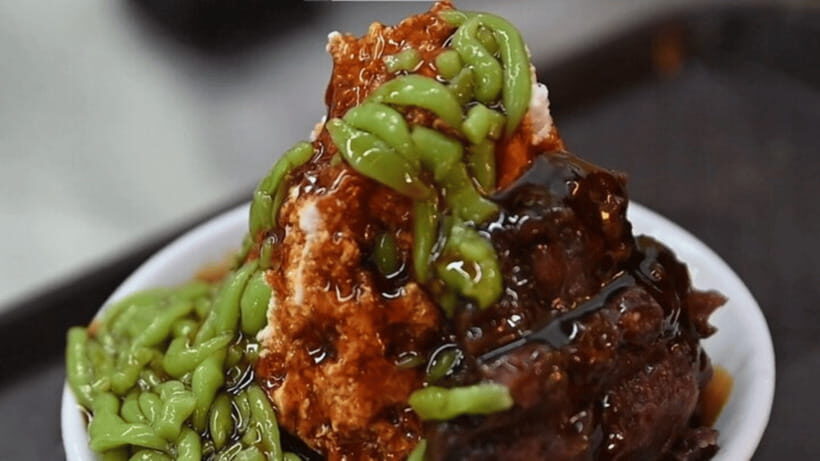
Now you hit the main food centre stop: Maxwell Food Centre. This is scheduled as a break time plus visit, walking, local snacks, and a food tasting block. The standout items specifically mentioned include famous chicken rice and Fuzhou oyster pancakes.
This is the part of the day where the private guide format really pays off. Ordering at hawker centres is one of those skills that takes time to learn on your own. A guide helps you cut through the menu noise and get to the things worth trying.
Why Maxwell is a smart anchor: it’s one of the places where hawker culture is not watered down for visitors. You get variety, strong local preferences, and the kind of busy energy that makes tasting feel real.
If you’re worried about being too full too early, don’t skip the smaller tastes at the beginning. They’re there to set you up for the hawker hits. Think of it like a course, not random bites.
Buddha Tooth Relic Temple & Museum: culture with a walking pace
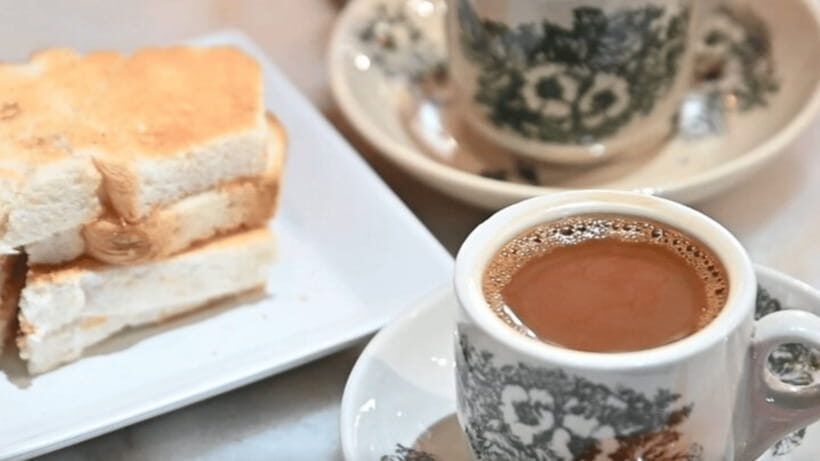
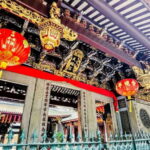
After the hawker segment, the tour heads to Buddha Tooth Relic Temple & Museum. Expect a guided tour, sightseeing, and walking for a shorter segment.
This part matters because Chinatown isn’t only restaurants and markets. It’s also religious and cultural practice shaped by generations of communities.
If you like temples as more than photo backdrops, this stop gives you a chance to understand what you’re looking at. If you’re not a museum person, you can still enjoy it for the temple setting and the shift in atmosphere from food centre noise to quieter reverence.
Sago Lane: the street of the dead (and why naming matters)
Next comes Sago Lane, described as the street of the dead. The tour includes guided sightseeing and walking here as part of the cultural flow after the temple visit.
That name alone hooks your curiosity. But the value of this stop isn’t just the label—it’s that it forces you to notice how history can live in street names, not only in plaques.
It’s also a contrast point. After temple impressions, the lane feels different. That change is useful in a 3-hour tour because it stops everything from blending together.
Chinatown Complex: architecture and food energy all in one place
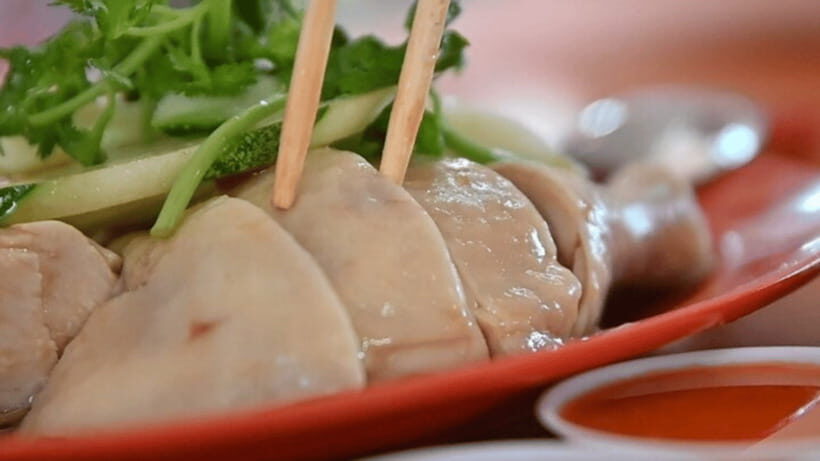
You end at Chinatown Complex, and you’ll also visit it mid-to-late in the walk. Expect guided tour, sightseeing, and walking.
Why the stop is worth it: Chinatown Complex combines everyday market life with a distinct building character. It’s not only about one landmark. It’s about what still draws people day after day—the busy food scene and the practical flow of a local hub.
Since the tour finishes here, it’s also a handy last-stop strategy. If you still want more snacks after the official tastings, you’ll be in a place built for exactly that.
The tasting plan: how 9–10 local foods works in real life
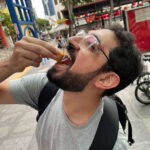
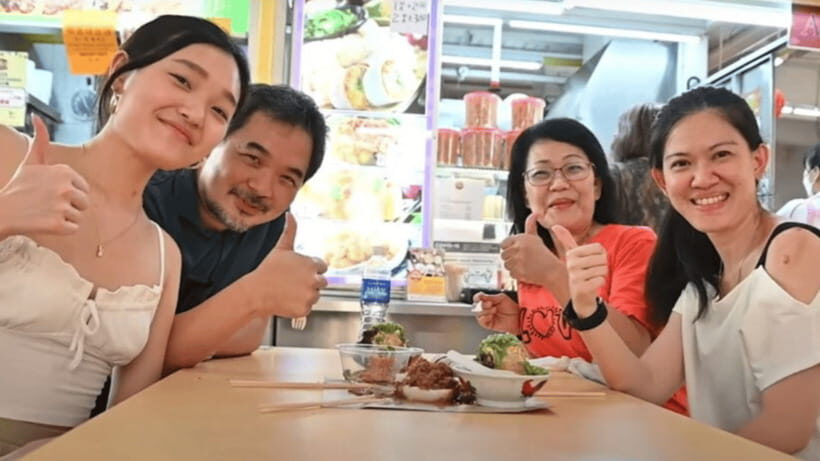
The tour includes 9–10 handpicked and must-try local foods and drinks at famous hawker centres, plus water. That number matters because it signals you won’t get stuck with only one big meal. It’s designed for variety.
In practice, variety is the main advantage. You get enough bites to learn what you like—chicken rice style, pancake texture, and other hawker favourites—without committing to a single full plate that you might not love.
Also, guides are set up to help you choose. In feedback for this experience, guides such as Tang are praised for ordering based on what you want to try and for making good suggestions so you can just enjoy the food without second-guessing.
The only consideration: if you have strict dietary needs, the info you have here does not spell out alternatives. Your best move is to tell your guide early what you can and can’t eat, especially if you’re sensitive to spice or specific ingredients.
Guides and languages: private means you can talk, not just follow
This is a private group with a licensed tour guide, and it runs in Chinese, English, or Japanese. That matters because language affects how much you get out of each stop.
If you’re the type who asks lots of questions, a private format is a gift. If you’re quieter, the guide can still keep the rhythm and make suggestions without crowding you.
The reviews highlight a couple of guide names—Ronnie and Tang—and the common theme is that they bring detailed local understanding and pay attention to comfort and pacing. In a walking + food schedule, comfort is not a small detail. If someone plans properly, you spend less time waiting in lines or trying to translate menus.
Price and value: is $110 per person fair?
Let’s do the math in human terms. You’re paying for:
- 3 hours of guided walking and sightseeing
- a licensed guide
- a private experience
- 9–10 tastings at famous food stops
- 1 bottle of mineral water
If you tried to recreate this yourself, you’d likely spend time figuring out what to eat at each place and where to stand and when. Time is money, and it’s also energy—especially in humid weather.
Could you do Chinatown on your own for less? Yes. But you’d be choosing without a guided framework. For me, the value here comes from the combination: storytelling + photo stops + structured tasting, all in a single 3-hour block.
The price also makes sense if you’re travelling with a friend or family member who doesn’t want to play menu roulette.
Who this tour suits best
This experience is a great fit if you:
- want a guided walking tour rather than a self-guided wander
- love hawker food and want help choosing the best bites
- enjoy photos but also want the story behind what you photograph
- prefer a private setup so you can ask questions and move at your pace
It’s less ideal if you:
- hate walking and don’t handle heat or rain well
- want a slow restaurant-only food day
- need very specific dietary accommodation (not covered in the details you have)
Should you book the Private Chinatown Heritage Tour?
I’d book it if you want Chinatown to feel like more than a list of attractions. The best part is the way it ties food to streets to landmarks—bak kwa into heritage context, alley murals into photo stops, then hawkers that actually anchor the day.
If you’re on the fence, ask yourself one question: do you want to figure out Chinatown by trial and error, or do you want a guide to handle the choices and pacing? If you’d rather spend your effort eating and looking around, this private tour is a strong call.
One last practical note: wear comfortable shoes and bring a poncho or umbrella. This tour is designed for walking, and Singapore weather can change fast.
FAQ
How long is the Chinatown Heritage and Food tour?
It runs for 3 hours.
Where do I meet the tour guide?
You meet at Chinatown MRT Station, Exit A (street level), in front of BEE CHIANG HENG BAK KWA STORE.
What’s included in the price?
The tour includes a licensed tour guide, private and personalized experience, 1 bottle of mineral water, and 9–10 handpicked local food and drinks at famous hawker centres.
Is this a private tour?
Yes, it’s a private group experience.
What languages are available?
The live tour guide is available in Chinese, English, and Japanese.
What is the cancellation policy?
Free cancellation is available up to 24 hours in advance for a full refund. You can also reschedule up to 24 hours before the tour.
Are children allowed?
Yes. Children aged 0–2 join free of charge. The child ticket limits are also specified in the tour information.