REVIEW · SINGAPORE
Beginner Angler’s Course
Book on Viator →Operated by My Fishing Frenzy Academy · Bookable on Viator
Fishing starts with knots, not luck. On Lazarus Island in Singapore, this beginner-friendly course mixes theory and hands-on practice from a yacht, and I liked how small-group coaching keeps you from getting stuck when you’re learning something new. One consideration: you’ll spend time near open water, so if you have a strong phobia of standing by the sea, plan carefully.
The morning focuses on the basics—equipment, fish behavior, and knot-tying—so you’re not guessing when you finally pick up the rod. I also love that the teaching isn’t just talk; instructors such as Franky (and others like Aloysius, Raymond, and Francis) guide you step by step, so your first attempts actually make sense.
If you want a practical Singapore fishing course that moves at a beginner pace, this is a solid way to start. You’ll finish knowing how to use the fishing setup confidently and how to handle a fish properly if you catch one.
In This Review
- Key points that make this course worth your time
- Lazarus Island Morning: making a 9:00 am start work
- Theory First: equipment, fish behavior, and knots that actually matter
- On the Yacht and in the Water: using your rod and handling catches
- Instructors and the small group setup: getting help fast
- What’s included, what to pack, and what to skip
- Price and value for $104.10: what you actually get
- Who should take the Beginner Angler’s Course (and who might not)
- Should you book this Beginner Angler’s Course?
- FAQ
- How long is the Beginner Angler’s Course?
- Is prior fishing experience required?
- What is included in the price?
- What should I bring?
- What do I need to do before the practical session?
- Where do I meet, and what time does it start?
Key points that make this course worth your time
- Learn knots early with a required starter skill: tie at least a set of paternoster rig before your practical session
- Small group size (max 10) means you get more direct attention while you’re fishing
- Theory + practice covers equipment, fish behavior, and real rod use in the same day
- Fish handling is part of the lesson, not an afterthought
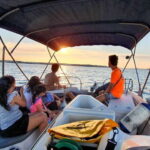
- You’ll fish from a yacht on offshore waters near Lazarus Island
- Plan for water and food: bottled water isn’t included, and there are no food stalls on the island
Lazarus Island Morning: making a 9:00 am start work
The course runs about 4 hours and starts at 9:00 am. You meet at 11 Cove Dr, Singapore 098497, and the activity ends back at the meeting point. Since the meeting point is described as near public transportation, you can usually avoid a complicated hop-by-hop plan.
This is a morning-to-afternoon style session rather than a late-day “just try it” vibe. You’ll spend time learning first, then you’ll put it into practice while you’re out on the water—so the start time matters less than the order of events.
Also, bring a realistic energy level. You’re tying knots, handling gear, and paying attention at sea height, which is different from reading a fishing guide at home. It’s doable for beginners, but it’s not a sit-and-watch class.
You can also read our reviews of more tours and experiences in Singapore.



Theory First: equipment, fish behavior, and knots that actually matter
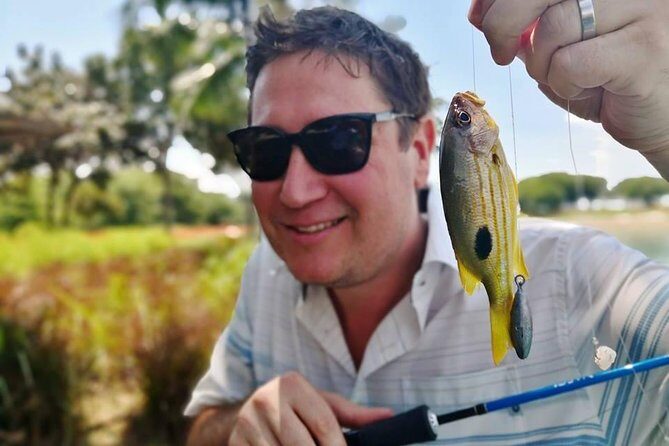
The course is built for complete beginners. No prior fishing experience is required, and the goal is simple: by the end, you can use a rod confidently and handle caught fish properly.
In the morning you cover the stuff that usually causes beginner frustration:
- Equipment basics: what each piece does and how they fit together
- Knot practice: especially the paternoster rig, which you’re asked to tie before the practical session
- Fish behavior: what fish are doing (and why) so your bait and setup aren’t random
Why this matters for you: most first-time fishing attempts fail because the gear setup is wrong or the knots aren’t secured. By getting knot instruction early, you’re less likely to spend your “real fishing time” untangling problems.
A practical touch is that you also watch online tutorials before the day. You’re not expected to show up cold and improvise everything. The course also includes an online quiz, and that’s a good sign: it forces you to learn the basics before you hit the water.
On the Yacht and in the Water: using your rod and handling catches
After the theory, you go fishing in the afternoon. You’re on an offshore Singapore island experience—starting from the meeting point, then out on the water where you can test what you learned.
This is where the course earns its keep: you don’t just learn names of knots and parts. You learn how to:
- Use a fishing rod with guidance
- Set up and fish using the basics you practiced
- Respond if you hook something
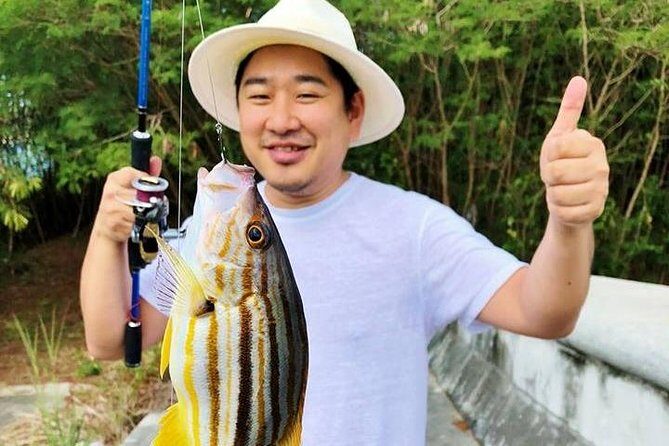
Handling caught fish is included as a key learning outcome. That’s important because it’s part safety and part respect for the sea. If you’ve never dealt with a real catch, you’ll likely feel the difference between guessing and being taught.
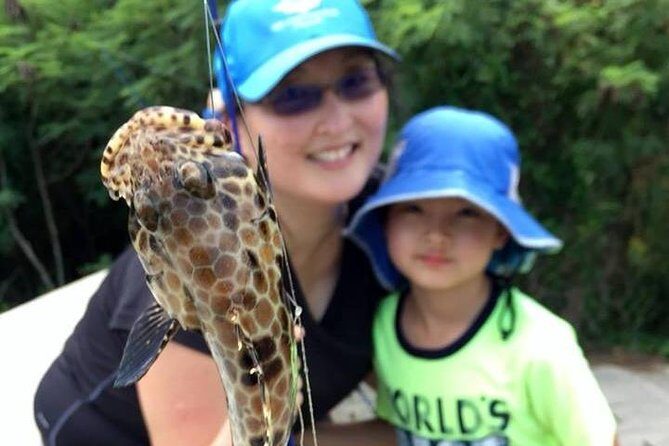
You may even encounter trickier fish moments. Some past students have talked about learning how to catch a puffer fish, which tells me the instruction doesn’t shy away from real-world challenges. Just remember: what you catch depends on conditions, so don’t book this expecting a guaranteed “X fish” outcome.
Instructors and the small group setup: getting help fast
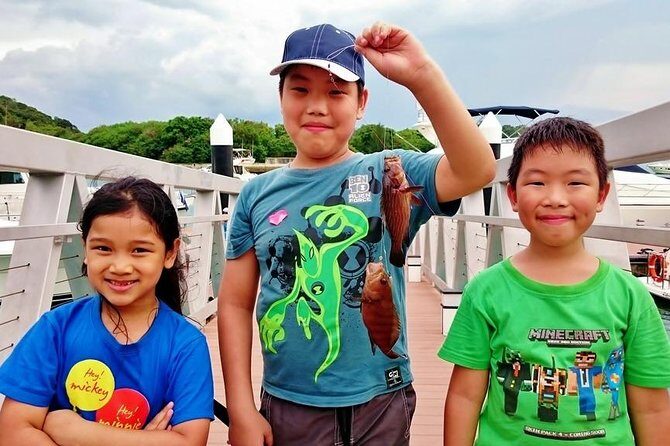
This course caps at 10 travelers. That number changes the whole feel. In a small group, an instructor can notice when you’ve tied a knot slightly wrong, when your rod handling is off, or when you’re misunderstanding the setup.
The teaching style comes through clearly in the way instructors are described in student feedback. People singled out instructors such as Franky for being friendly, welcoming, and knowledgeable in how they explained both theory and hands-on steps. Others praised Aloysius for making complicated knots feel simple, and Raymond and Francis for being patient while guiding people through knot details.
For you, that patience is more than a nice-to-have. If you’re new, fishing can feel intimidating. A patient instructor helps you keep moving forward instead of freezing up when something doesn’t work the first time.
One small mental shift: view this as a skills workshop, not a “performance” sport. Your goal is to learn the basics well enough that you’d feel comfortable trying again later.
What’s included, what to pack, and what to skip
The price includes fishing equipment, so you don’t need to bring your own rod, tackle, or gear. That’s a real value point for beginners—buying a starter kit before you even know what you’re doing is how many people waste money.
What’s not included: bottled water. You should bring at least 1 liter of water per person. If you’re the type who tends to forget water until you feel thirsty, treat this as a checklist item, not a suggestion.
From practical field advice, plan for food too. There are no food stalls on Lazarus Island, so bring adequate snacks or a packed meal. Also consider bringing extra plastic bags for trash so you can bring waste back with you—useful when there aren’t on-site disposal conveniences.
Here’s what I’d personally pack for comfort and fewer surprises:
- At least 1 liter of water (more if you get hot easily)
- Food since you won’t be buying it on the island
- Sunscreen and a hat (you’ll be outside and on water)
- A spare bag for trash and wet items
- Light layers if sea wind cools you down
If you’re prone to seasickness, note that the course is on a boat setting. The info doesn’t mention seasickness gear or guarantees either way, so if that’s you, it’s worth thinking ahead.




Price and value for $104.10: what you actually get
At $104.10 per person for about 4 hours, the price is fair for a structured beginner course that includes equipment and instructor attention. You’re not just buying access to a fishing spot. You’re paying for instruction: theory, knot practice, rod skills, and fish handling guidance.
Here’s where the value sits:
- Equipment is included, so you avoid first-try purchasing costs
- Small group size helps you get feedback instead of watching others
- Pre-course learning (online tutorials, required paternoster rig practice, quiz) means you arrive more prepared
- You learn skills you can reuse, not just an activity snapshot
If you’ve ever done a casual tour where you spend most of the time waiting or figuring out what to do, this course is built differently. It’s aimed at getting your hands doing the right thing.
Who should take the Beginner Angler’s Course (and who might not)
This works best for you if:
- You’re a true beginner or returning with rusty basics
- You want a skills-first fishing introduction
- You’d rather learn knot work and fish handling than only cast a line
- You like small groups where questions get answered quickly
You might want to think twice if:
- You have a phobia of standing near the sea
- You’re expecting a long, full-day outing (the duration is about 4 hours)
- You don’t want to do any pre-course prep (you’ll need to watch tutorials, tie a paternoster rig, and complete a quiz)
It also suits people who enjoy practical learning. If you like turning instructions into muscle memory—tying knots, setting up tackle, using the rod—this format will feel rewarding.
Should you book this Beginner Angler’s Course?
I think you should book it if you want a clear beginner path: knots, fish behavior, equipment understanding, then rod practice from a yacht setting near Lazarus Island. The small group size, the focus on fish handling, and the included equipment all point to real instruction rather than a basic day out.
Book it especially if you want to walk away with skills you can use again. That’s the point of the prep too—tying a paternoster rig and taking the quiz beforehand helps you show up ready to learn, not just curious.
If you’re worried about water discomfort or you hate pre-work, reconsider. But if you can handle standing near open water and you’re okay doing a little prep, this is one of the more “worth it” ways to start fishing in Singapore.
FAQ
How long is the Beginner Angler’s Course?
The course runs for about 4 hours.
Is prior fishing experience required?
No experience is required. The course is designed for complete beginners.
What is included in the price?
Fishing equipment is included.
What should I bring?
Bring at least 1 liter of water per person. Bottled water is not included. Since there are no food stalls on Lazarus Island, bring adequate food as well, plus extra plastic bags for trash if you need them.
What do I need to do before the practical session?
Before your practical session, you’ll watch online tutorials, tie at least a set of paternoster rig, and complete the online quiz.
Where do I meet, and what time does it start?
You meet at 11 Cove Dr, Singapore 098497, and the course starts at 9:00 am. The activity ends back at the meeting point.