Pastel houses and real culture stories. This Peranakan tour through Katong-Joo Chiat mixes shophouse streets with a private museum visit and a proper snack-and-tea moment.
I love how the walk focuses on specific streets like Koon Seng Road and Joo Chiat Road, where you can spot the character of the Peranakan community in the architecture and details. I also really like the Peranakan-theme tea session at Kim Choo Kueh Chang, because you get to sample Nyonya snacks instead of just hearing about them.
One thing to consider: the tour pacing depends on your guide, and the food stop is more of a light tasting than a full meal—so go in hungry for flavor, not for a big lunch.
In This Review
- Quick hits
- Koon Seng Road shophouses: the best place to start spotting style
- Inside a private Peranakan museum (in a real home)
- Katong-Joo Chiat streets: sea turtle symbolism and post-war change
- Kim Choo Kueh Chang tea session: Nyonya snacks you can actually taste
- Batik fabrics: a souvenir that actually fits the story
- Price and value: does $113 for 150 minutes make sense?
- Logistics that affect your day more than you think
- Who should book this Peranakan tour?
- Should you book it?
- FAQ
- FAQ
- How long is the tour?
- Where is the meeting point?
- What’s included in the price?
- Is hotel pickup included?
- Is the tour suitable for wheelchair users?
- What should I bring?
- How many people are needed for the tour to run?
- Can I get a refund if I cancel?
Quick hits
- Koon Seng Road photo walk (30 minutes): Pastel shophouses tied to 1920s-era community life
- Private museum stop (45 minutes): Look closely at kebaya-style culture items like kerosang and beaded shoes
- Katong-Joo Chiat context: You’ll learn how the sea turtle links to Katong, plus how the area shifted post-war
- Kim Choo Kueh Chang tasting (45 minutes): Famous since 1945, serving chewy rice dumplings
- Laksa intro + tea: A Malay-Chinese fusion angle that matches how Peranakans shaped food culture
- Souvenir time: A chance to browse batik fabrics if you want a longer-lasting take-home
Koon Seng Road shophouses: the best place to start spotting style
Your tour starts near 291 Joo Chiat Rd, then heads to Koon Seng Road, where the focus is on architecture you can actually see and photograph. These shophouses date to the 1920s, and they helped form a sense of neighborhood identity when many residents, including Peranakan Chinese families, lived in the same area.
What I like here is the way the guide frames the buildings as more than pretty façades. You get prompts on what to look for, so you notice rhythm, color, and the lived-in feel that made these streets special.
Expect about 30 minutes on this stop. That’s enough time to walk both sides, take steady photos, and still have time for the next segments without feeling rushed.
Practical tip: bring a camera ready at street level. Shophouses look best when you catch doorways, windows, and narrow lanes, not just the front row.
You can also read our reviews of more tours and experiences in Singapore.
Inside a private Peranakan museum (in a real home)
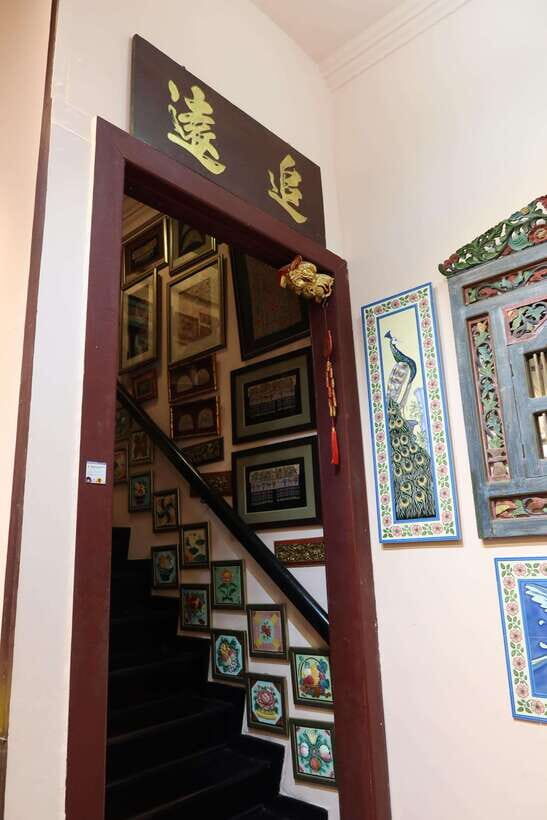
The mid-tour highlight is a step inside a private Peranakan museum, which is housed in an original Peranakan home. This matters because the objects aren’t floating in a generic display. You’re seeing how material culture fits into everyday space, which helps the clothes and accessories feel personal.
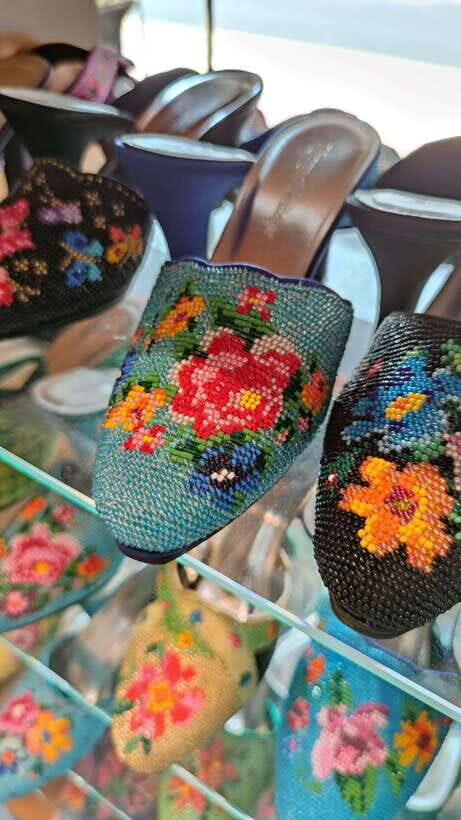
During the 45-minute museum visit, you’ll learn about items tied to Peranakan style, including kebaya-related culture items and accessories like kerosang, plus beaded shoes. Even if fashion isn’t your main interest, this is one of those stops where the details teach you how identity was worn and shown.
Look for small visual cues. The museum’s power is in the craft: textures, ornament shapes, and the way accessories connect to a whole look.
Also, if you’re the type who likes stories that connect objects to meaning, you’ll probably enjoy this part. On one recent run, the guide—Stefan—was especially talkative about cultural and historical context, and the audio earpiece helped keep the explanations clear while moving through rooms.
Katong-Joo Chiat streets: sea turtle symbolism and post-war change
After the museum, you continue through Katong-Joo Chiat, and this is where the tour turns from objects to place. You’ll stroll through the colorful area and learn why Katong is associated with the sea turtle, plus how this neighborhood became home for wealthy residents and Peranakans.
That context helps you read the streets like a timeline. The tour also touches on post-war evolution—how the area changed and why it’s now known for historical shophouses, hipster-style cafes, and a lively mix of cultures.
The practical value here is simple: you stop treating Katong-Joo Chiat as just a photo backdrop. You start understanding why certain buildings, family histories, and symbols mattered in the first place.
You’ll spend about 30 minutes on Joo Chiat Road as well, which gives you a chance to keep comparing street-by-street visuals. It’s the kind of second pass that helps the patterns click.
Tip for your own photos: pause at lane intersections. That’s where the street geometry helps you frame shophouses without getting blocked by passersby.
Kim Choo Kueh Chang tea session: Nyonya snacks you can actually taste
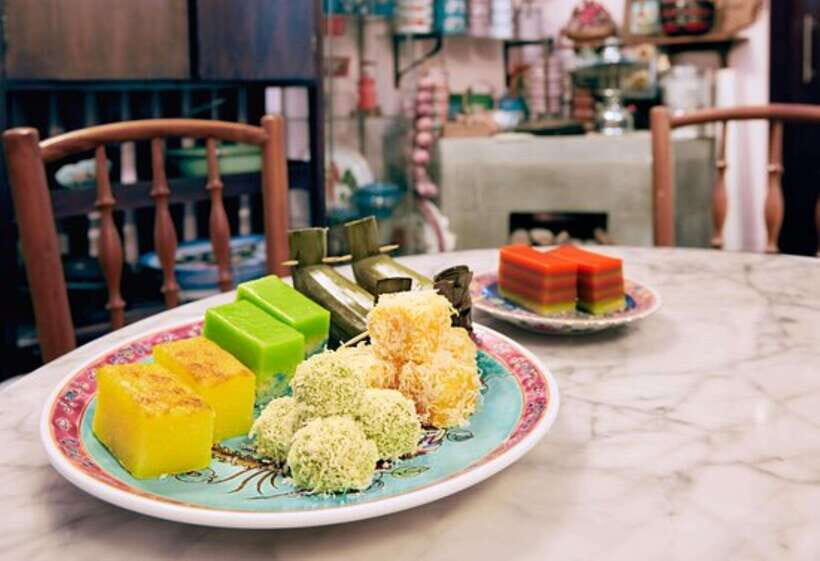
When you reach Kim Choo Kueh Chang, the tour shifts from walking to eating. The stop is at the Singapore Visitor Centre @Kim Choo Kueh Chang, and you’ll have about 45 minutes for tasting.
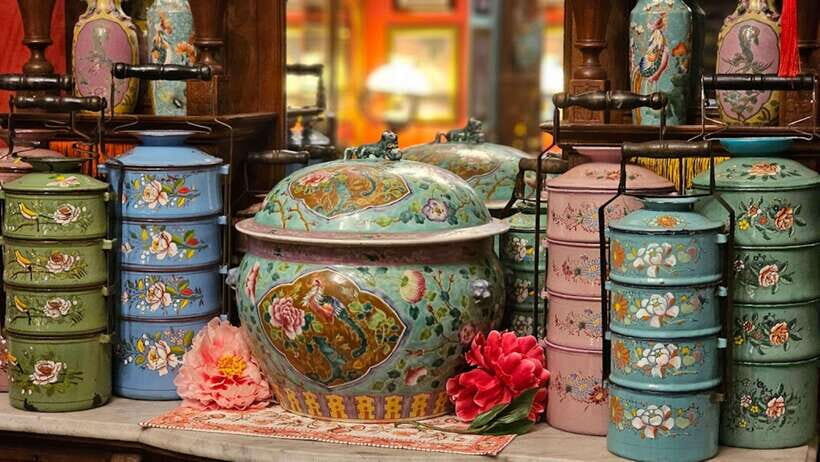
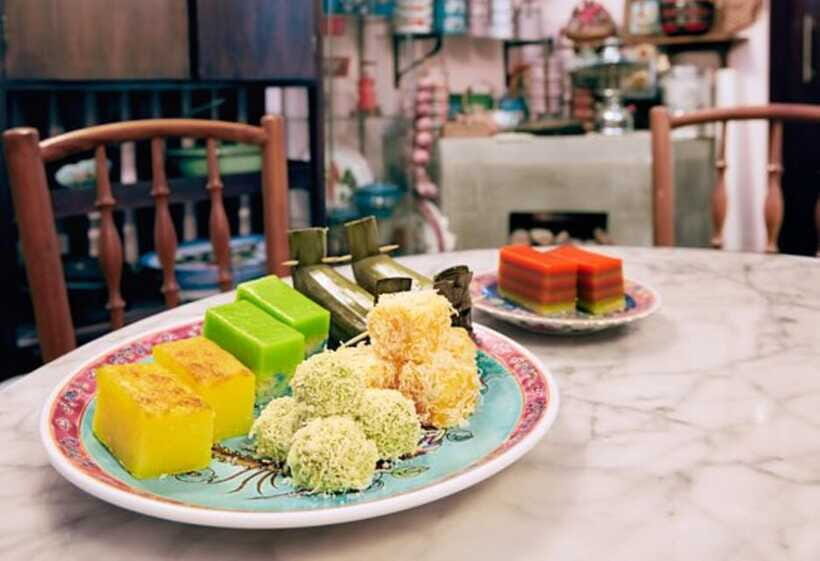
Since 1945, this place has been known for serving chewy rice dumplings—a staple in Peranakan food culture. If you’ve only seen dumplings in other cuisines, this is a good moment to notice how local techniques and tastes land differently.
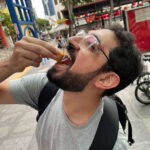
The tour is built around a Peranakan-theme tea session, so the snacks come with tea and a more relaxed pace. You’ll sample Nyonya snacks, not just one bite. That said, one past participant felt the food amount was light—so if you’re expecting a full meal experience, adjust your expectations. I’d treat this as a tasting that helps you understand what you’re seeing in the culture, not a replacement for lunch.
You’ll also be introduced to laksa. Laksa is described here as a spicy coconut broth that represents Malay-Chinese fusion shaped by Peranakan food culture. Even if you don’t love spicy food, consider this a taste-education moment. You’ll likely leave with a clearer sense of how Peranakans bridged culinary worlds.
If you’re unsure what to order later after the tour, use this stop as your compass. Whatever flavors feel most natural to you during the tasting are great clues for what to seek out on your own.
Batik fabrics: a souvenir that actually fits the story
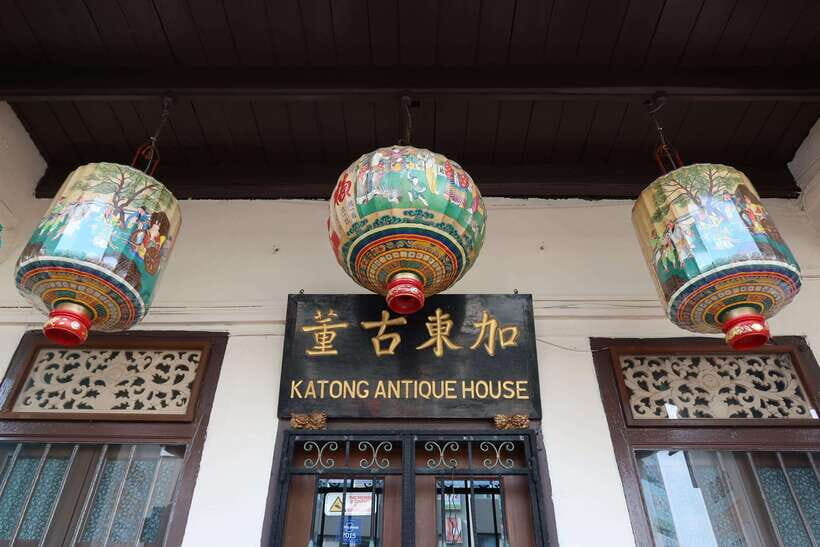
Near the end, you get a chance to look at batik fabrics as a keepsake option. This works well because it ties the tour’s theme of cultural mixing into something you can hold.
If you buy fabric, think of it as a way to remember symbolism and craft, not just a decorative purchase. Even if you don’t plan to make anything, it’s a visual reminder of how Peranakan style often blends materials, motifs, and influences.
There’s no need to overspend. If you want something small, focus on a length that’s easy to store, wrap, or frame.
Price and value: does $113 for 150 minutes make sense?
At $113 per person for about 150 minutes, you’re paying for three real pieces: guided neighborhood storytelling, entry to a private Peranakan museum, and a tea session with Nyonya snacks.
So where does the value come from?
- Guiding + context: This tour doesn’t just point at houses. It connects symbols (like the sea turtle link) and objects (like kebaya-related accessories) to the place.
- Museum entry included: You’re not squeezing the learning into street corners only.
- Food is included: You get actual tasting time, which makes the culture feel concrete.
The risk is that group pace and guide decisions can change how you experience those pieces. One participant found the tour pacing too slow and felt time was wasted on a shop stop that didn’t match their expectations. That’s a reminder to choose this kind of tour with a flexible mindset: you’re buying local interpretation, not a museum lecture with strict timing.
For best value, show up ready to walk, take photos, and ask your own brain to connect dot-to-dot between architecture, fashion items, and food.
Logistics that affect your day more than you think
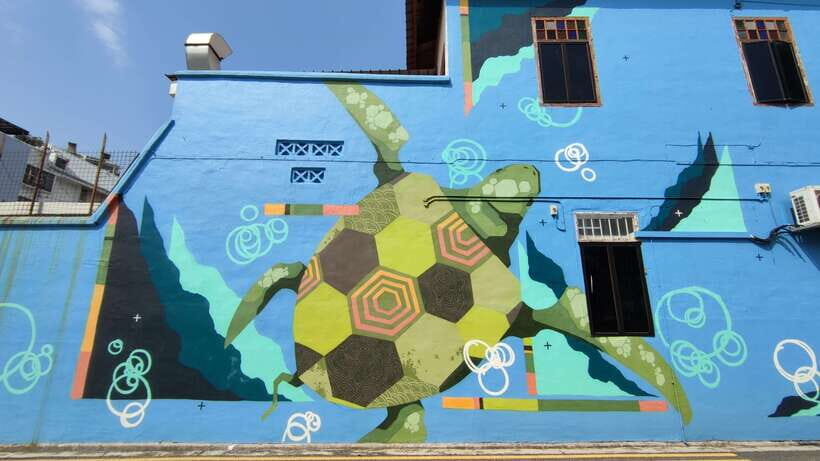
There’s no hotel pickup and drop-off, so plan to arrive at the meeting point—outside Cold Storage—with enough time to settle. The tour starts from the 291 Joo Chiat Rd area, so being nearby makes everything smoother.
You’ll finish at i12 Katong, which is convenient if you want to keep exploring around there afterward. It also means you’re not repeating the same route back through the same blocks.
Wear comfortable shoes. The tour involves a fair amount of walking, and Katong/Joo Chiat is sunny in many seasons.
Bring:
- water (you’ll want it)
- sunscreen and a hat
- a camera so you don’t feel like you’re constantly choosing between walking and shooting
Also note: the tour is not suitable for wheelchair users, so if mobility is a concern, look for an alternative format.
Who should book this Peranakan tour?
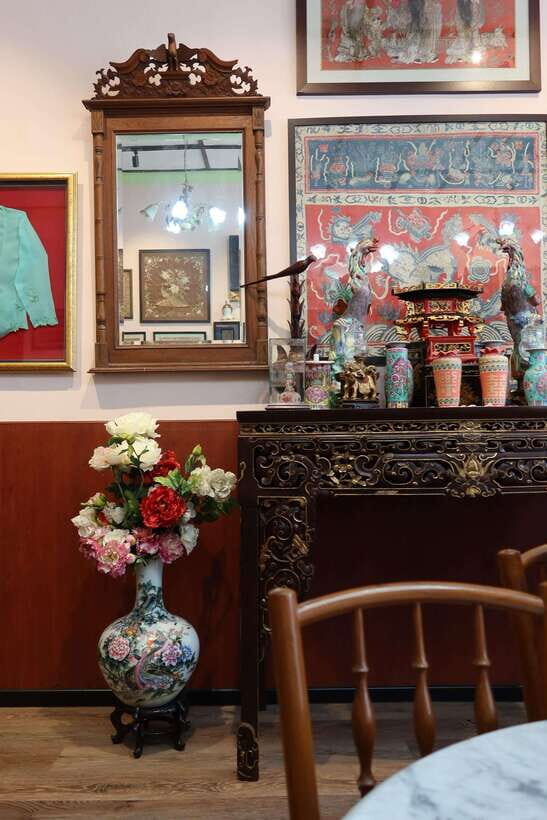
This is a strong fit if you want a culture-and-food experience that doesn’t stay on the surface. I’d recommend it to people who enjoy:
- walking neighborhoods for context, not just views
- understanding style through objects (kebaya culture items, accessories, beaded shoes)
- pairing storytelling with food sampling
It’s also suitable for all ages, which suggests the pacing is meant to be approachable for families and casual walkers—as long as everyone can handle the walking distance.
If you’re sensitive to timing or you want a perfectly strict list of stops, do a quick expectation check. This is guided local interpretation, and your guide’s pacing can change how the day feels.
Should you book it?
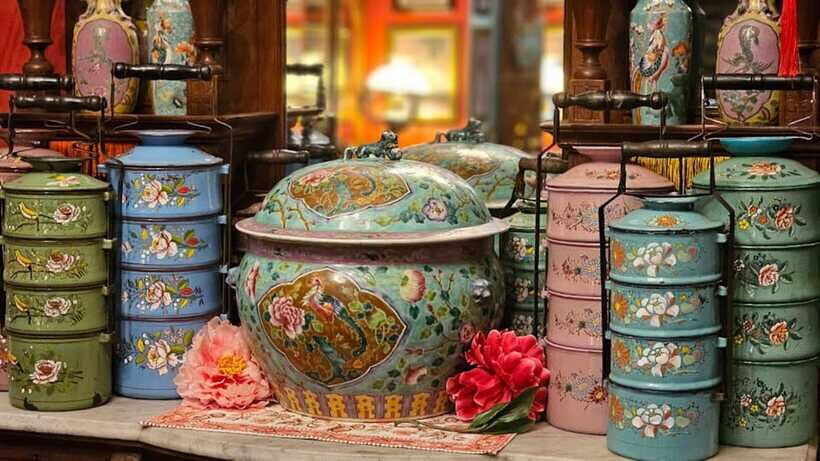
If you want a morning or afternoon that meaningfully connects Peranakan culture to streets, clothing-adjacent craft, and food, this is worth considering. The combination of Koon Seng Road, a private museum in an original home, and a tea-and-snack tasting is a good mix for $113—especially because you’re not doing museum + food as separate activities.
I’d book if you’re excited by details and you’re okay with a guided group format where pace can vary. I’d pass or look elsewhere if you’re mainly hunting for a big meal, or if you need an exact, tightly controlled route with no flexibility.
FAQ
FAQ
How long is the tour?
The tour lasts about 150 minutes.
Where is the meeting point?
You meet outside Cold Storage.
What’s included in the price?
You get a guided tour of Katong/Joo Chiat Road, entry to a private Peranakan museum, and a Peranakan-theme tea session with sampling of Nyonya snacks.
Is hotel pickup included?
No, hotel pickup and drop-off are not included.
Is the tour suitable for wheelchair users?
No. The tour is not suitable for wheelchair users.
What should I bring?
Bring comfortable walking shoes, a hat, a camera, sunscreen, and water.
How many people are needed for the tour to run?
The tour only commences with a minimum of 4 participants.
Can I get a refund if I cancel?
Yes. You can cancel up to 24 hours in advance for a full refund.