Chinatown feels different with the right walking partner. This 3-hour guided loop turns the usual landmark checklist into a street-level story, with hidden alleys and photo stops built right into the route.
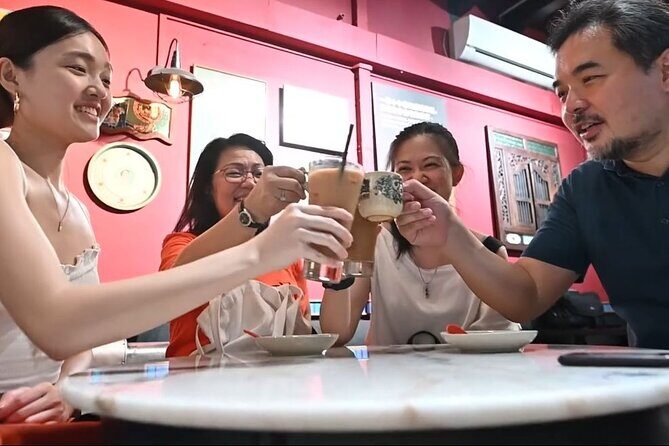
What I like most is the mix of culture and comfort: you get Kaya toast with coffee or milk tea as a mid-tour reset, and the guide keeps the pace friendly while answering questions as you go. I also love how the stops stack practical context—Chinese immigrant life on Pagoda Street, religious artistry at Sri Mariamman, and then the food-center know-how at Maxwell.
One consideration: it’s a true walking tour (not wheelchair-accessible), and hawker-center time can mean standing around while you order and wait, so wear comfy shoes and plan to move at a gentle pace.
In This Review
- Quick hits before you go
- Getting to the meetup point at Chinatown MRT Exit A
- Chinatown Heritage Centre and Pagoda Street: the immigrant stories that make sense
- Hidden alleys, ethnic shop-houses, and Yip Yew Chong’s 3-D murals
- Sri Mariamman Temple: oldest Hindu temple in Singapore, up close
- Ann Siang Hill and Club Street: old shop-houses and a movie photo spot
- Maxwell Food Centre: ordering tips for chicken rice and Fuzhou oyster cakes
- Buddha Tooth Relic Temple and Museum: Tang-style temple art and a relic story
- Chinatown Complex: tile ornaments and the last photo loop
- Pace, comfort, and what to wear for 3 hours on foot
- Price and value: why $63 can make sense in Singapore
- Who this tour is best for (and who might want a different plan)
- Should you book this Chinatown Hidden Treasures tour?
- FAQ
- How long is the Chinatown Hidden Treasures Local Guided Walking Tour?
- Where is the meeting point?
- What’s included in the price?
- What stops are included during the walk?
- Is the tour wheelchair-accessible?
- Is food included, and will I be able to reserve a table?
- Do you offer guides in different languages?
- Are dietary needs accommodated?
- What’s the cancellation policy?
- Are children allowed?
Quick hits before you go
- Meet at Chinatown MRT Exit A (street level, in front of Bee Chiang Heng Bak Kwa store) so you start on time
- Hidden alleys + 3-D murals by Yip Yew Chong for the kind of Instagram angles you’d miss on your own
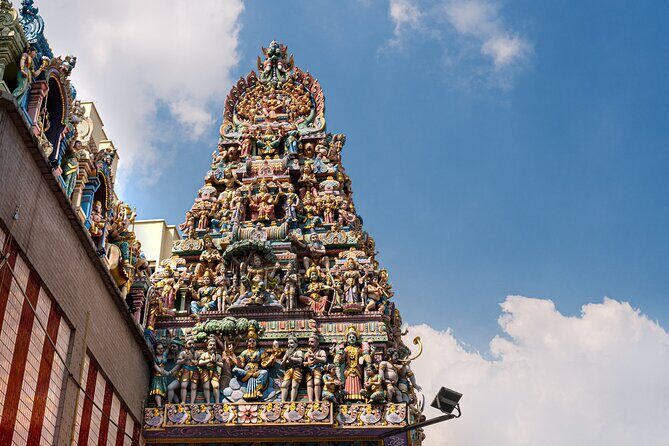
- Sri Mariamman Temple with its towering gopuram and intricate sculpture details
- Maxwell Food Centre food recommendations for chicken rice, Fuzhou oyster cakes, and more
- Buddha Tooth Relic Temple and Museum plus a nearby pass by Sago Lane (street of the dead in Cantonese)
- Guides like Kelvin, Jeanette, and Ronnie/Ronny are noted for being unhurried and giving full attention on smaller groups
Getting to the meetup point at Chinatown MRT Exit A
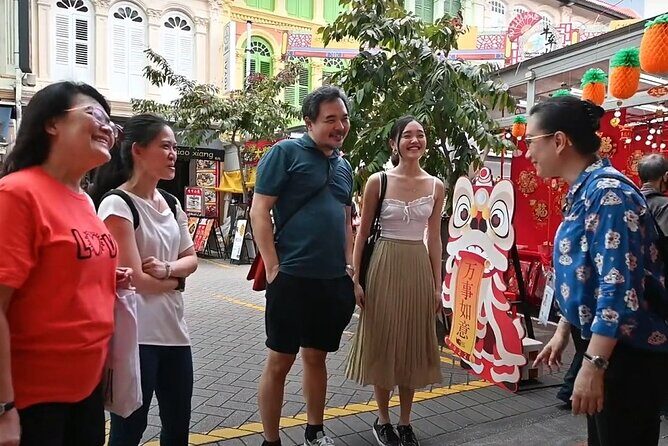
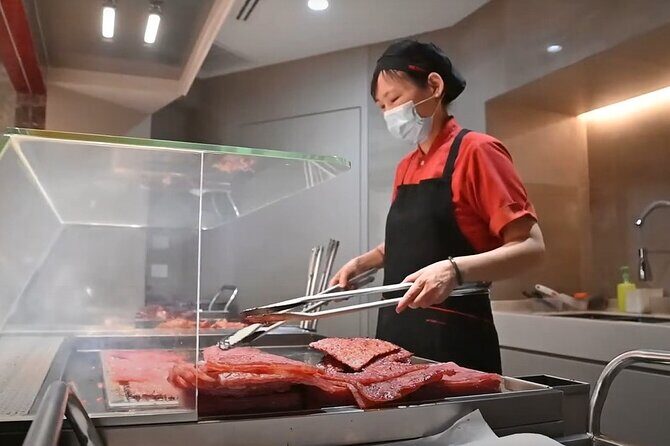
You’ll start at Chinatown MRT Station, Exit A, street level, standing in front of the Bee Chiang Heng Bak Kwa store. That’s a handy choice because it’s one of the easiest areas to navigate in Chinatown, and it keeps the tour from turning into a scavenger hunt.
If you’re coming from a hotel in central Singapore, I’d give yourself a little buffer for crossing Chinatown streets at street level. The route depends on walking through lanes and temple-side streets, so you’ll want to arrive a touch early to settle in.
You can also read our reviews of more walking tours in Singapore
Chinatown Heritage Centre and Pagoda Street: the immigrant stories that make sense
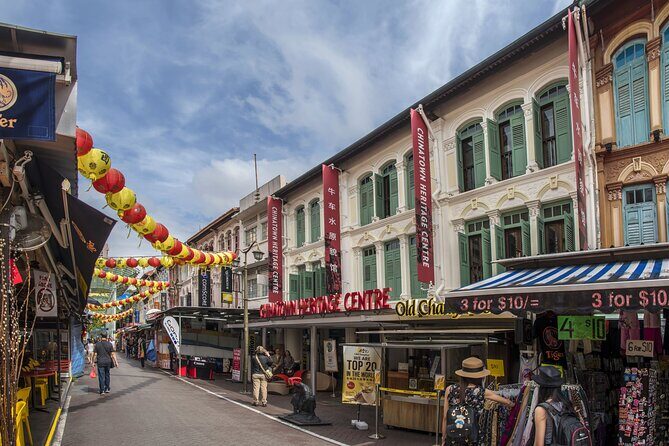
The first big stop is Chinatown Heritage Centre, where you start with a guided visit and then walk along Pagoda Street. This is where the tour does something smart: it gives you background before you start spotting the built environment. You’re not just looking at walls and shopfronts—you’re learning why the area developed the way it did.
You’ll hear stories connected to Chinese immigrants who chased opportunity, then faced harsh realities as coolies and Samsui women. The value here is that it helps you interpret what you’re seeing later—shop-houses, neighborhood patterns, and why certain cultural institutions took root where they did.
A small practical tip: listen for the “why it matters” parts. When a guide links a street name, an area’s layout, or an architectural detail to human lives, the whole walk becomes easier to remember later.
Hidden alleys, ethnic shop-houses, and Yip Yew Chong’s 3-D murals
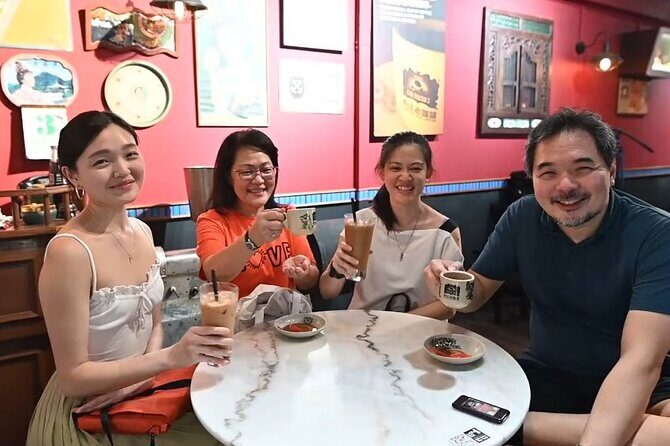
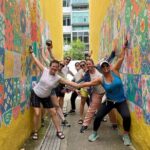
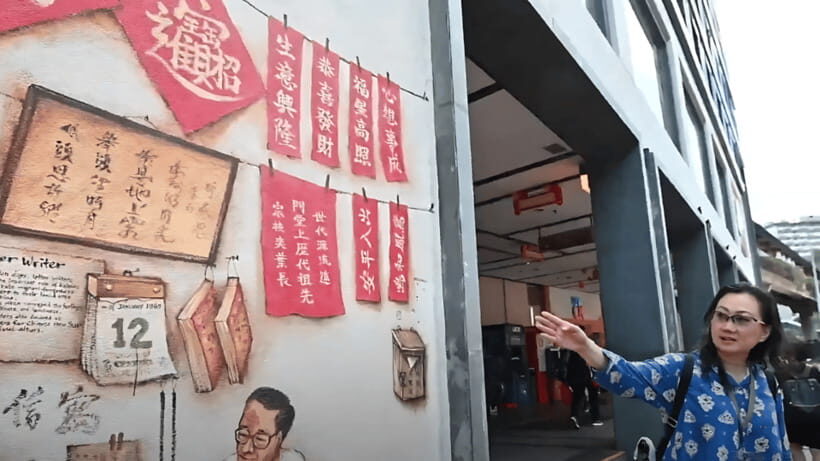
After the heritage context, the tour shifts into discovery mode with Chinatown alleyways. This is where you get the “you probably wouldn’t find this alone” feeling, especially with the ethnic shop-houses and the 3-D murals by local artist Yip Yew Chong.
These lanes are narrow, which means you’ll actually see the textures—signage, doorways, and how daily life works at street level. The murals add a modern layer on top of the older architecture, so it feels like Chinatown is still alive, not just preserved for photos.
If you like taking pictures, this is one of the best sections for it. Watch for spots where the guide naturally pauses—those pauses are often placed where the angle works and where you can photograph without blocking foot traffic.
Sri Mariamman Temple: oldest Hindu temple in Singapore, up close
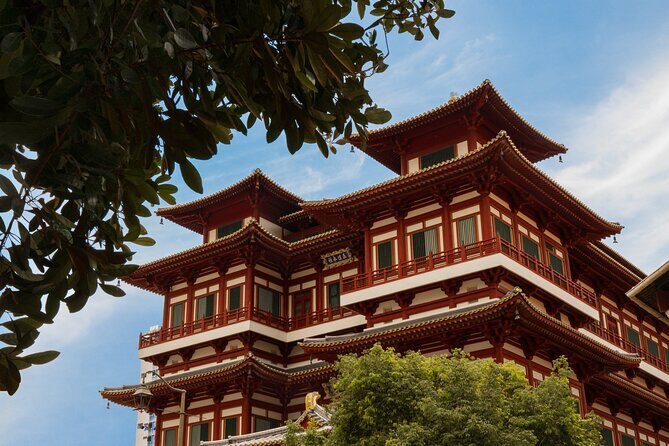
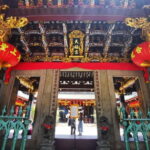
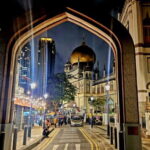
Next comes Sri Mariamman Temple, described as Singapore’s oldest Hindu temple. You’ll step into a space with striking sculptural detail, especially around the towering gopuram decorated with Hindu deities and figures.
This stop works because it’s not treated like a quick photo break. The guide helps you look at the temple’s visual language—how the structure draws your eyes upward and how the ornamentation tells stories through form.
One practical note: temples often mean you’ll slow down, look up, and sometimes stand in a spot longer than you expect. If you want your photos, bring your phone camera or a small camera strap you can manage comfortably while looking around.
Ann Siang Hill and Club Street: old shop-houses and a movie photo spot
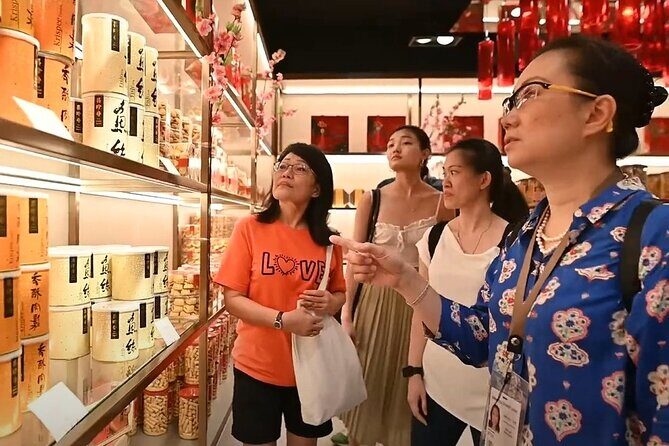
From temple and tradition, the tour crosses to Ann Siang Hill & Club Street, an area known for its contrast. You’ll hear how it once functioned as a business hub for Chinese immigrants, while today it keeps restored shop-houses with a distinctly historic feel.
There’s also a fun photo moment tied to Crazy Rich Asians. The guide will point out a photo-taking spot featured in the movie, which is useful even if you’re not trying to “visit movie sets.” It helps you locate a view you’d likely miss while walking past quickly on your own.
I like this stop because it balances the heavy content of the earlier heritage story. It’s easier to breathe here—more room to stand, more open angles, and a chance to regroup before food time.
You can also read our reviews of more guided tours in Singapore
Maxwell Food Centre: ordering tips for chicken rice and Fuzhou oyster cakes
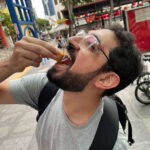
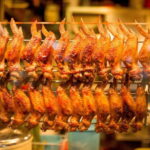
Then you hit Maxwell Food Centre, a key Singapore experience for anyone who wants to eat like a local. This is where you get more than “here’s what to eat.” You get recommended must-try dishes and guidance on what to prioritize when you’re surrounded by choices.
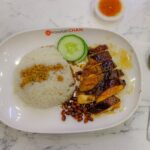
The tour specifically calls out classics like Singapore chicken rice and Fuzhou oyster cakes, plus other local treats suggested by the guide. Even if you’re not a hardcore foodie, having someone help you choose saves time and reduces the fear of ordering the wrong thing.
Also, food centers involve lines and small delays—there’s no table reservation included, and ordering can mean waiting. That’s normal. Bring patience, and treat waiting as part of the experience rather than a problem to solve.
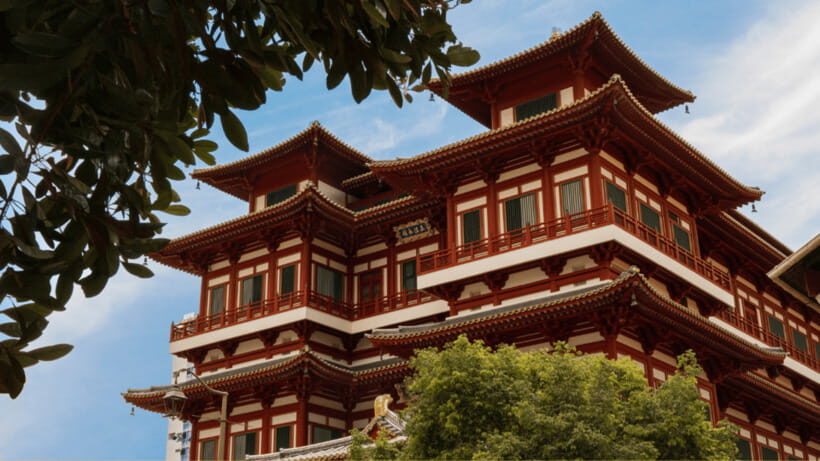
Buddha Tooth Relic Temple and Museum: Tang-style temple art and a relic story
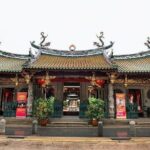
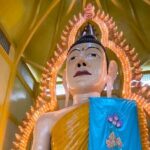
After Maxwell, the tour continues to Buddha Tooth Relic Temple and Museum. You’ll see a Tang-style Chinese Buddhist temple and get a guided look at ancient art and history.
A highlight here is the relic said to be a Buddha tooth, which gives the visit an extra layer of meaning beyond architecture. Even if you’re not focused on religious relics, the museum component is where you’ll likely appreciate the added context and the way the space communicates tradition through displays.
Nearby, you’ll also pass Sago Lane, known in Cantonese as the street of the dead. The tour won’t turn it into a history lecture for its own sake, but the name alone is memorable, and the location helps connect you to the wider Chinatown world outside the main temple doors.
Chinatown Complex: tile ornaments and the last photo loop
The walk finishes at Chinatown Complex, with one more guided look at its architecture. You’ll admire the distinctive two or three-storey shop-houses with traditional Chinese tile ornaments.
This last stop is practical. It gives you a final chance to spot details and to pick up any last-minute snacks or small items without rushing. Plus, ending here means you’re near a familiar public hub for heading back out after the tour.
If you’ve been taking photos all day, this is a good final area to switch from wide-angle shots to close-ups—tile patterns, window frames, and street-level textures.
Pace, comfort, and what to wear for 3 hours on foot
This is a 3-hour walking tour, so what you wear matters. The guidance is clear: comfortable footwear, and bring an umbrella or poncho if rain shows up. Chinatown streets can get slippery, and you’ll be moving through lanes where you don’t want to be worrying about your shoes.
Pace can vary by group size, and the tour is designed to be not hurried. In some cases, smaller groups get more direct attention, and that can help if you prefer to stop, ask, and really look.
I’d also think about your energy level. If you’re dealing with foot issues, tell the guide early. One of the reasons guides earn loyalty here is that they tend to notice when someone needs slower steps or adjustments.
Price and value: why $63 can make sense in Singapore
At $63 per person for a 3-hour guided experience, you’re paying for three things: time with a licensed guide, a structured route across multiple major sites, and a small but welcome food component (coffee or milk tea with a shared kaya toast set).
In Singapore, you can certainly tour Chinatown on your own. But this tour adds value through organization: it sequences the history first, then the sights, then the food center, so you’re not bouncing between unrelated stops. It also reduces the guesswork at Maxwell, where the real risk is ending up with a meal you didn’t mean to order.
If you’re traveling with someone else, it can also feel better because the tour includes photo-worthy lanes and temple stops in one loop—fewer separate plans, less transit friction.
Who this tour is best for (and who might want a different plan)
This tour suits you if:
- You want Chinatown landmarks plus street-level side streets, not just the “main spots”
- You like food-center guidance and want someone to point you toward chicken rice and Fuzhou oyster cakes
- You prefer a pace that leaves time for questions, rather than a run-through
It may be less ideal if:
- You need wheelchair access (the tour isn’t wheelchair-accessible)
- You’re very sensitive to standing and waiting around hawker areas
- You’re trying to do everything in a single afternoon without any walking buffer
Should you book this Chinatown Hidden Treasures tour?
If you want Chinatown with context—history that explains what you see, then alleys that earn your camera roll, then food that doesn’t require constant decision-making—I think this is a strong booking.
I’d book it if your must-haves include Sri Mariamman Temple, a Maxwell Food Centre experience with specific ordering suggestions, and the Buddha Tooth Relic Temple visit. If that’s your style, the guide-led structure plus the included kaya toast coffee break makes the $63 feel like a fair trade for a smoother day.
If, on the other hand, you prefer totally unguided wandering or you don’t like waiting around food centers, consider doing Chinatown on your own with targeted stops instead. But for most first-timers—and even for repeat visitors who want a different angle—this route gives you a lot of return per hour.
FAQ
How long is the Chinatown Hidden Treasures Local Guided Walking Tour?
It runs for 3 hours.
Where is the meeting point?
You meet at Chinatown MRT Station, Exit A (street level), in front of Bee Chiang Heng Bak Kwa store.
What’s included in the price?
The tour includes a licensed tour guide, a 1 cup of coffee or milk tea with a shared kaya toast set, and the 3-hour guided experience (private and personalized experience is available for private tours).
What stops are included during the walk?
The route includes Chinatown Heritage Centre, Pagoda Street, Chinatown alleys with 3-D murals, Sri Mariamman Temple, Ann Siang Hill & Club Street, Maxwell Food Centre, Buddha Tooth Relic Temple and Museum, and Chinatown Complex.
Is the tour wheelchair-accessible?
No. The tour isn’t wheelchair-accessible.
Is food included, and will I be able to reserve a table?
Food is part of the experience at hawker centers like Maxwell Food Centre, but table booking or food pre-ordering isn’t possible. Waiting times can happen.
Do you offer guides in different languages?
Yes. Live tour guides are available in Chinese, English, and Japanese.
Are dietary needs accommodated?
Special dietary needs may not be catered to (unless it’s a private tour). It’s best to contact the operator before booking if you have dietary requirements.
What’s the cancellation policy?
You can cancel or reschedule up to 24 hours before the scheduled tour time for a full refund. Refunds aren’t provided for cancellations within 24 hours or no-shows unless the operator cancels or reschedules.
Are children allowed?
Yes. Children aged 0–2 can join free. The child ticket rule also limits how many child tickets can be bought relative to adult tickets (for example, 1 adult can buy max 1 child ticket, and 2 adults can buy max 2 child tickets, etc.). Any additional child will need a full adult price.