REVIEW · SINGAPORE
Trails Of Tan Ah Huat : Singapore 1920s. A storytelling guided bicycle tour!
Book on Viator →Operated by Lets Go Tour Singapore Pte Ltd · Bookable on Viator
A bike tour with a plot line. That’s what makes Trails Of Tan Ah Huat different: you ride past real landmarks while a guide threads them into a 1920s story about Tan Ah Huat and the people chasing fortune in Singapore. I love the small-group feel (max 10) and the flat, easy route, so you can focus on the sights instead of fighting the terrain. I also like the way the tour connects history with everyday details—tea, rickshaws, shop-houses, and even street stories—so the city makes more sense as you pedal. One thing to consider: the tour depends on good weather and runs for about 4 hours, so you’ll want to plan for a steady morning and a bit of time in the saddle.
If you want a classic Singapore highlights tour, this isn’t that. You’ll still pass big names like the Raffles Hotel Arcade and landmarks along the Singapore River, but you’re guided by a narrative that keeps pulling you forward. You’ll get a planned stop at a coffee shop area to sample Ah Huat’s favorite coffee and snack, which is a nice break from riding and a practical way to see how Chinatown communities ate and socialized back then. The only drawback for some people is that the scheduled stops are short (often around 10 minutes), so if you like lingering and taking tons of photos, you’ll have to be selective.
In This Review
- Quick take: why this 1920s bike tour is worth your time
- A 1920s story ride that actually helps you read Singapore
- Start at 462 Crawford Ln at 9:00 am, then ride at a comfy pace
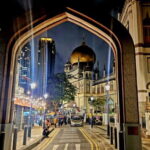
- Kampong Gelam: where Tan’s story meets a Muslim settlement
- Raffles Hotel Arcade and Queen Elizabeth Walk: trade, arrival, and the river’s pull
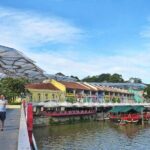
- Cavenagh Bridge and the “Godowns” idea: loving and hating the river
- Read Bridge (Malacca Bridge) and the evening hangout effect
- Pek Sin Choon Pte Ltd: Nanyang tea and how businesses change
- Jinrikisha Station and the Chinese Theatre token-of-love story
- Singapore Centre: coffee-shop life and the destiny-changing meeting
- Trengganu Street and Sago Street: street secrets and the Street of the Dead
- Guides, group size, and pace: why it feels personal without being fussy
- Value at $79.89 for about 4 hours of guided riding
- Who this 4-hour story bicycle tour fits best
- Should you book Trails Of Tan Ah Huat?
- FAQ
- What is the duration of Trails Of Tan Ah Huat?
- What time does the tour start, and where does it end?
- Where is the meeting point?
- Is hotel pickup included?
- How big is the group?
- What kind of riding is involved?
- What’s included in the price?
- Is food or coffee included?
- What if the weather is bad?
- Can I cancel and get a refund?
Quick take: why this 1920s bike tour is worth your time
- A real story trail tied to real neighborhoods, from Kampong Gelam to Chinatown streets like Trengganu and Sago
- Max 10 riders, with the tour exclusive for your group, so the pace stays human
- Easy riding on a flat route, with lockers and bottled water included
- River + coffee-shop storytelling: you’ll connect the Singapore River’s role to how people lived and traded
- Guides with strong delivery (named in past departures include Alfie, Yap, and Simon, described as clear and engaging)
A 1920s story ride that actually helps you read Singapore
Singapore can feel like a city of layers—new towers over older streets, and roads that don’t match what you’d expect from photos. This tour uses a simple trick to make the layers click: it gives you a character-led timeline while you ride through recognizable places. As you move, the “why” behind each spot becomes part of the story, not just trivia you forget later.
I also like that the themes aren’t random. You’re not only looking at buildings; you’re learning about the everyday machinery of life in the 1920s—where tea people drank came from, how rickshaws and transport mattered, how shop-houses functioned in trade, and how different communities shaped the city. The stops are short, but the narrative keeps momentum, so you don’t get that disconnected feeling you sometimes get on faster sightseeing days.
Still, it’s a bike tour first. If you’re the kind of visitor who wants a slow museum-style pace, you may find the story moves quickly. But if you like motion—seeing neighborhoods in relation to each other—this is a smart way to spend half a morning.
You can also read our reviews of more guided tours in Singapore


Start at 462 Crawford Ln at 9:00 am, then ride at a comfy pace
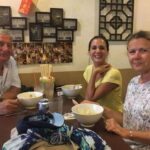
You meet at 462 Crawford Ln, Singapore 190462, and the tour starts at 9:00 am. It ends back at the meeting point. There’s no hotel pickup, but the meeting area is in the city center near most hotels, and taxis are described as inexpensive and safe.
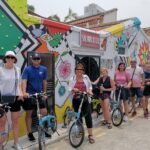
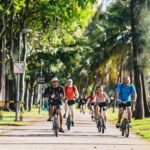
The big practical win: the route is flat and easy, and the tour is designed so most people can join as long as they’re able to ride a bicycle. The group cap is 10 travelers, and the tour is run exclusively for your group, which usually means less waiting around and fewer awkward “who’s next” moments.
Logistics you’ll appreciate: you get a bicycle, a licensed guide, and bottled water. Lockers are available for your bags during the tour, which matters in Singapore where a light daypack makes life easier.
One small note for planning your day: this is about 4 hours. You’ll want that time block to be truly available, because the tour doesn’t feel like a quick drive-by. It’s more like a guided morning circuit, with story stops that add up.
Kampong Gelam: where Tan’s story meets a Muslim settlement
The tour begins at Kampong Gelam, and the stop is framed around a simple question: what was Tan Ah Huat doing in a Muslim settlement, and who did he meet? That sort of opening question works well because it trains your brain to look for the “meeting points” in the city—places where communities overlapped rather than staying sealed off from each other.
This stop also nudges you to think about geography that’s easy to miss. You’re asked to consider where Singapore’s shore lines once stood before land reclamation changed the coastline. That’s a helpful lesson if you’re used to seeing Singapore as a clean, modern shoreline. Here, you’re reminded that the city’s edges shifted, and that trade and migration follow edges.
Potential drawback: if you’re coming in expecting brand-new skyline views, you won’t get that here. You’re in a heritage-leaning area where the value is context and character, not big scenic overlooks.
Raffles Hotel Arcade and Queen Elizabeth Walk: trade, arrival, and the river’s pull
Next up is the Raffles Hotel Arcade, described as upmarket even in Tan Ah Huat’s time. The tour uses this contrast—then versus now—to ask what Tan would have seen and who he might have met. It’s a good way to get past the “pretty building, next stop” pattern. You start to notice how certain areas were associated with commerce and social standing, long before today’s marketing names.
Then you ride to the mouth of the Singapore River at Queen Elizabeth Walk. This is where the story turns to movement: you learn about how Chinese immigrants arrived in Singapore and why the Singapore River was significant for them. The point isn’t only that the river mattered—it’s that the river helped shape networks: work, lodging, food, and connections that carried on beyond arrival.
If you like history explained through daily logistics, this part will click. Rivers aren’t just scenery here; they’re routes.
Cavenagh Bridge and the “Godowns” idea: loving and hating the river
At Cavenagh Bridge, the tour frames the Singapore River through emotion: why did Tan Ah Huat love and hate this stretch of water? That angle helps because trade scenes aren’t always neat and heroic. Rivers brought opportunity and risk in the same breath.
Right after that, you’re guided into the world of shop-houses that were Godowns—warehouses supporting trading activity. The tour also talks about the life of coolies through Tan’s eyes. Even though the stop windows are brief, the narrative gives you a human scale. You start to understand that the city’s commerce relied on many kinds of labor, not just merchants and visitors.
This is one of the most meaningful stretches for me to recommend, because the tour is effectively teaching you how to “read” the street: structures were built for a purpose, and that purpose shaped the people moving through them.

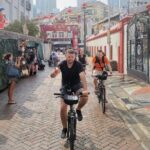
Read Bridge (Malacca Bridge) and the evening hangout effect
The next stop is Read Bridge (Malacca Bridge), and it’s called out as one of Tan Ah Huat’s favorite hangouts. The story asks what he was doing there and why it was a place for lots of people, especially in the evening.
Bridges are great story locations because they’re naturally social. People gather where paths cross, and in port cities those intersections often become routine meeting points. This stop is where the tour starts to feel more like daily life than just landmark browsing.
If you’re sensitive to crowds, keep in mind that an “evening hangout” theme implies lively energy. Your timing is morning (the tour starts at 9:00 am), but you still get the social logic explained.
Pek Sin Choon Pte Ltd: Nanyang tea and how businesses change
At Pek Sin Choon Pte Ltd, you learn about the history of Nanyang Tea and how the heritage business has transformed through the years since Tan Ah Huat’s days. This is the tour stepping out of pure geography and into culture through product—what people drank, how businesses survived, and how tradition evolved rather than freezing in time.
This stop is especially useful if you enjoy food and drink history. You’re not only hearing that Chinese communities cared about tea. You’re getting a direction for why that matters: tea is tied to trade routes, relationships, and daily routines.
Jinrikisha Station and the Chinese Theatre token-of-love story
At Jinrikisha Station, the tour focuses on transport. You’ll learn the importance of this building in the past to Singapore’s transportation needs, and the story is told through Tan’s eyes. Rickshaws and similar transport systems shaped how people moved between neighborhoods, markets, and workplaces. Understanding that makes the city’s layout feel less arbitrary.
Then you’ll encounter the Chinese Theatre, with a story about how it was known as a greatest token of love by a philanthropist to his wife. You also get Tan Ah Huat’s encounter here. That’s a fun shift from practical transport to social and emotional life—how people expressed affection, how communities funded cultural spaces, and how entertainment fit into a working city.
A practical note: the stop durations are short, so keep your questions focused. If you’re curious, write down the one thing you want answered before you start moving again.
Singapore Centre: coffee-shop life and the destiny-changing meeting
The tour rolls into Singapore Centre, and this is one of the most valuable parts of the ride if you like how local routines reveal history. Here, you learn the significance of coffee shops for Chinese communities during Tan Ah Huat’s days. Then the story points to who Tan met here and how it changed his destiny forever.
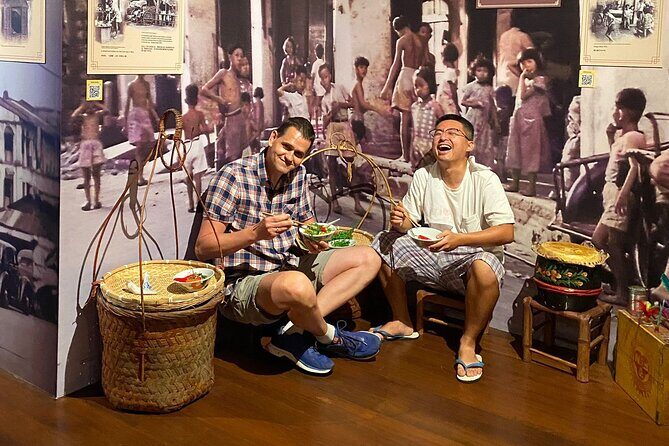
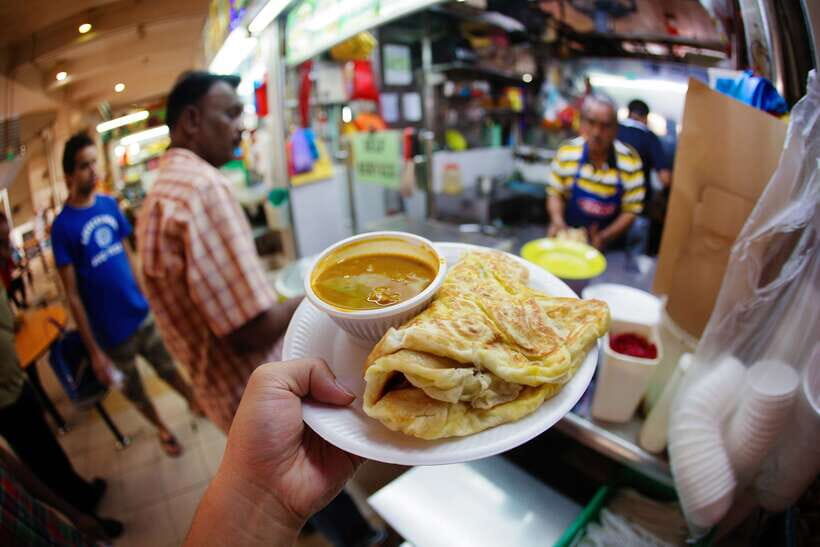
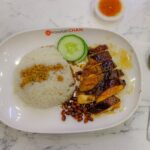
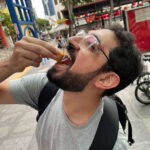
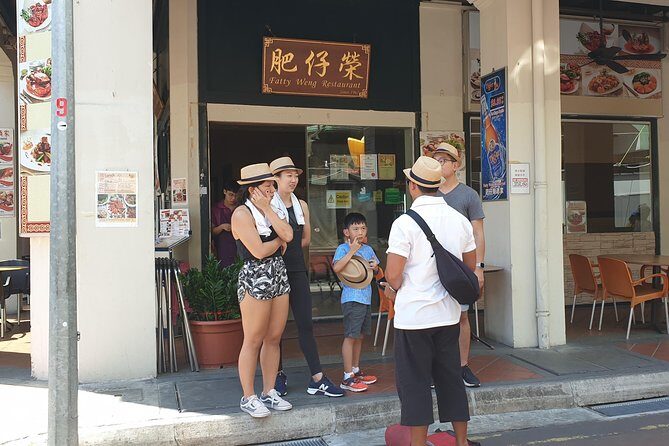
On top of the story, you get a break: you can sample Ah Huat’s favorite coffee and snack during this stop. This matters because you’re not just collecting facts while riding—you’re experiencing the idea of the place as a social hub. In a city where many “historical experiences” stay behind ropes, a coffee stop feels grounded.
One consideration: since the tour lists only bottled water as included, you may want to be ready for the possibility that coffee and snack costs are handled as part of the experience plan rather than what you should assume is fully prepaid. (Either way, the stop is built into the route.)
Trengganu Street and Sago Street: street secrets and the Street of the Dead
Next comes Trengganu Street, where the story turns darker. You learn about the dark secrets behind these Chinatown streets and how Tan’s twist of fate landed him there. It’s not just gloomy for the sake of it; the point is to show Chinatown as a place with stories, conflicts, and survival strategies, not only postcard facades.
Finally, you pedal to Sago Street (Street of the Dead). This stop focuses on fate in Tan’s time—what was the Street of the Dead during those days and what fate had planned out for him. Even without getting heavy-handed, the framing makes you notice how names and uses carry emotional weight.
This ending stretch is a strong way to close a story tour. You finish with a place name that signals meaning. You’re left with the sense that Singapore’s streets are more than addresses; they’re memories.
Guides, group size, and pace: why it feels personal without being fussy
A bike tour can go two ways: either the guide talks nonstop and you pedal through noise, or the guide keeps adjusting and you lose the plot. The feedback you’ll want to bank on here is that the guides keep the story clear and easy to understand. In past departures, guides named include Alfie, Yap, and Simon, and the tone described is engaging, informative, and built to make the city make sense fast.
Because the tour maxes out at 10 people and runs exclusively for your group, it’s easier for the guide to keep track of timing and pacing. That usually means fewer long waits at lights and more time actually riding rather than assembling.
Also, the route is flat and easy, so you’re not forced into a workout. This is a big deal if you’re visiting with limited cycling confidence. You still get movement, but you aren’t punished for being a normal sightseeing person.
Value at $79.89 for about 4 hours of guided riding
At $79.89 per person, you’re paying for four things: a bicycle, a licensed guide, bottled water, and a tight storyline that hits multiple major areas in one morning. You’re also getting lockers, which reduces hassle and lets you travel lighter.
Is it “cheap”? No, it’s a guided activity with licensed staffing and a bike included. But the value comes from the structure. You’re not spending extra time hopping between neighborhoods. You’re also getting context that would take you a lot longer to piece together on your own.
Where value can shift for you: if you already plan to bike and you love reading street-level history, you’ll feel the payoff quickly. If you prefer museums or slower indoor visits, this may feel like too much outdoor motion. Still, at 4 hours, it’s a manageable commitment.
Who this 4-hour story bicycle tour fits best
This tour is a strong match if you want:
- A guided way to connect neighborhoods you might otherwise treat as separate boxes
- A story-driven format that helps you remember details like tea, transport, and trade
- A low-stress ride with a flat route and a small group
- A morning plan that includes a coffee-shop-style stop rather than ending with only walking
It may be less ideal if:
- You dislike cycling at all, even on an easy route
- You want long stops at each landmark for photos and lingering
- You’re traveling on a tight schedule where a weather-dependent tour could disrupt plans
Should you book Trails Of Tan Ah Huat?
If you’re the type who gets more out of travel when the guide connects the dots, I think you’ll like this. The strongest pitch is simple: you’ll see big Singapore landmarks while learning how people lived, traded, and moved in the 1920s. The small group, flat route, and licensed guide keep it practical, not just gimmicky.
I’d book it if you’re planning a first or second morning in Singapore and want an experience that feels like the city has a human pulse behind it. Skip it if you’d rather do long museum time or you’re not comfortable riding a bicycle.
FAQ
What is the duration of Trails Of Tan Ah Huat?
The tour runs for about 4 hours.
What time does the tour start, and where does it end?
It starts at 9:00 am and ends back at the meeting point.
Where is the meeting point?
The meeting point is 462 Crawford Ln, Singapore 190462.
Is hotel pickup included?
No, there is no hotel pickup.
How big is the group?
The tour has a maximum of 10 travelers.
What kind of riding is involved?
The route is flat and easy, and most travelers can participate as long as they’re able to ride a bicycle.
What’s included in the price?
Included items are the bicycle, a licensed guide, bottled water, and lockers for bags during the tour.
Is food or coffee included?
The route includes a coffee-shop stop for a drink and snack, including sampling Ah Huat’s favorite coffee and snack at Singapore Centre.
What if the weather is bad?
The tour requires good weather. If it’s canceled due to poor weather, you’ll be offered a different date or a full refund.
Can I cancel and get a refund?
Yes. Cancellation is free up to 24 hours before the experience start time for a full refund.