REVIEW · SINGAPORE
The Race & Religion Tour
Book on Viator →Operated by Nas Tours · Bookable on Viator
One street at a time, you learn how people share space. This guided race and religion tour stitches together Singapore’s major ethnic neighborhoods, from Little India to Kampong Glam and onto the Sikh temple community at Khalsa Dharmak Sabha. I like the way it’s built for real-world viewing, not just classroom talk, and I also like the practical private transport between areas so your morning doesn’t turn into a transit puzzle. One thing to watch: some past bookings reported guide no-shows and meeting-point mix-ups, so it’s worth planning with a little extra attention the day of.
You’ll spend about 2 hours 30 minutes seeing four focused stops, with free admission for each listed site. The small group size (up to 12 people) should keep the pace human and give you room to ask questions as the guide ties race, religion, and everyday life together. My biggest takeaway is that this kind of tour works best when you’re ready to notice details and keep expectations flexible.
In This Review
- Key Takeaways Before You Go
- Race and Religion in Singapore: Why This Route Makes Sense
- Price and Logistics: What $31.78 Buys You (and What It Doesn’t)
- Start Time, Meeting Point, and How to Avoid a Bad Morning
- Getting Around With Private Transport and a Max-12 Group
- Stop 1: Little India and the Indian Ethnic Quarter in 45 Minutes
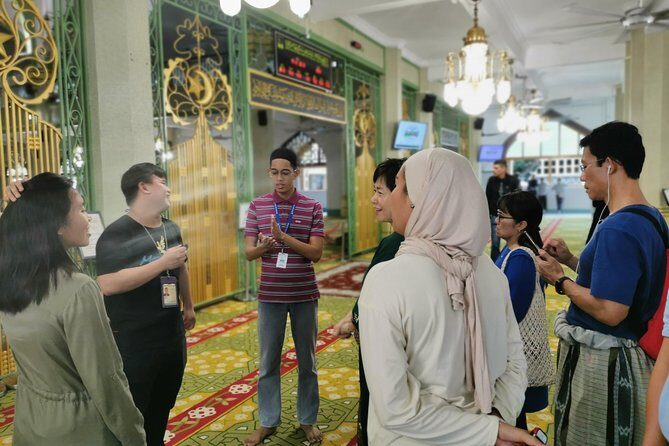
- Stop 2: Kampong Glam’s Malay Quarter and What Changes From Street to Street
- Stop 3: Waterloo Street and Singapore’s Harmony Street Energy (45 Minutes)
- Stop 4: Khalsa Dharmak Sabha Gurudwara in 30 Minutes
- How the Guide Turns Neighborhoods Into Real Understanding
- The Hard Part: No-Show and Customer Service Concerns to Take Seriously
- Who This Tour Is Best For
- Should You Book the Race and Religion Tour?
- FAQ
- How long is the Race and Religion Tour?
- Where does the tour start and end?
- What stops are included on the route?
- Is admission included for the stops?
- What group size should I expect?
- What’s included in the price?
- Can I cancel for a refund, and what if the weather is bad?
Key Takeaways Before You Go
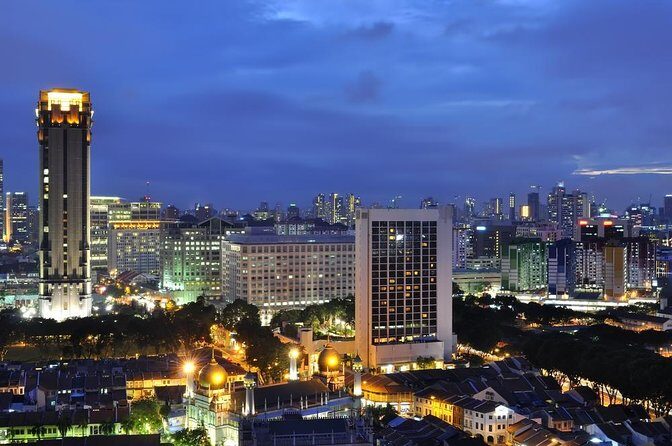
- Four stops that connect the dots: Little India, Kampong Glam, Waterloo Street, and Khalsa Dharmak Sabha Gurudwara.
- Small group, more back-and-forth: a maximum of 12 travelers means fewer people blocking the conversation.
- Private transport between areas: it saves time and reduces stress in Singapore’s busy core.
- Mobile ticket for easier check-in: less paper, less fuss.
- Free entry at each stop: you’re not paying small site fees along the way.
Race and Religion in Singapore: Why This Route Makes Sense
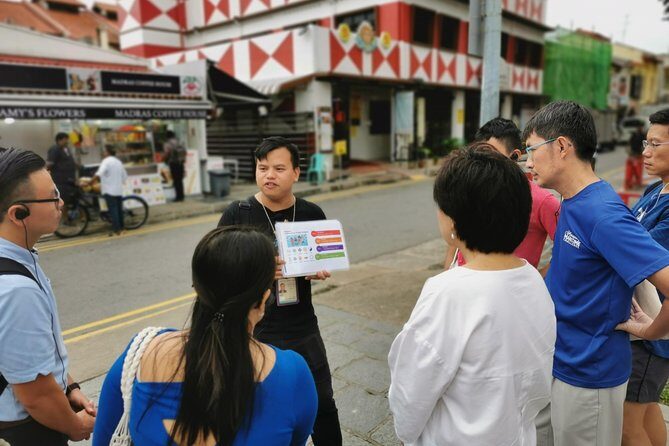
Singapore is small, but it doesn’t feel one-note. It’s a place where different communities live close together, and you can see that in how neighborhoods look, sound, and smell from the street. This tour’s strength is that it forces you to compare communities back-to-back, instead of treating each one like a postcard.
The route is also smart because it covers more than one “religion spotlight.” You’re moving through Indian, Malay, and Sikh communities, plus the famous cluster around Waterloo Street, which is known for being a meeting place of faiths in everyday life. When you see those areas in sequence, you start to understand how coexistence isn’t an abstract slogan—it’s the normal, lived texture of the city.
You can also read our reviews of more tours and experiences in Singapore.



Price and Logistics: What $31.78 Buys You (and What It Doesn’t)
At about $31.78 per person for roughly 2.5 hours, this is positioned as a value-friendly way to learn without committing to a half-day. The part that makes it feel fair is the combination of a local, English-speaking guide plus private transport included in the price.
You’re also not carrying extra costs for the sites listed, since the tour states admission is free for each stop. That said, you’ll still need to plan for basics not covered: hotel transfers aren’t included, and personal expenses are on you. And remember the tour ends back at the meeting point, so you’ll want to plan your day around that fixed loop.
If you’re the type who enjoys a structured walk with commentary, this price can work well. If you prefer slow wandering with no schedule at all, you might feel slightly rushed by the stop times.
Start Time, Meeting Point, and How to Avoid a Bad Morning
The tour starts at 10:00 am in Little India, Singapore, and it ends back at the meeting point. It’s near public transportation, which is a relief—Singapore is efficient when you need it. You’ll also get a mobile ticket, which usually makes check-in smoother.
Now for the practical caution. Some earlier experiences in the feedback mention guide no-shows and confusion after a meeting point change. That doesn’t mean it will happen to you. But it does mean you should take simple steps to protect your morning:
- Arrive a bit early and double-check you’re at the exact Little India pickup spot.
- If you have the contact number provided, keep it handy so you’re not scrambling.
- If the organizer emails a change, screenshot it and verify the time and location.
This tour depends on trust and timing. A little preparation turns a potential headache into a non-issue.
Getting Around With Private Transport and a Max-12 Group
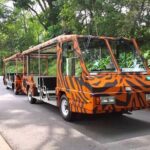
One reason I like this format is the private transport between areas. Singapore can be quick, but it can also be confusing if you’re hopping between neighborhoods without a plan. By bundling the moves for you, the guide can spend more time on explanations and less time herding the group through transit stairs and street crossings.
The group size is capped at 12 travelers. In practice, that matters for two reasons. First, it makes it easier to hear the guide. Second, it makes your questions more likely to get answered instead of swallowed by the noise of a larger crowd.
The tour is also listed as suitable for most travelers. That doesn’t mean it’s built for zero walking. But at four short stops adding up to about 2 hours 30 minutes, it’s a workable length for many visitors who want cultural context without a marathon day.
Stop 1: Little India and the Indian Ethnic Quarter in 45 Minutes
You’ll start with Little India, spending about 45 minutes exploring the Indian Ethnic Quarter. This is a smart opener because it sets the tone: you’re in a neighborhood where identity isn’t hidden. You’ll see it in storefronts, street activity, and the way everyday life moves.
In a tour like this, the best value comes from what you pay attention to rather than what you try to photograph. I’d focus on three things while you’re there:
- How religious identity shows up in public space.
- How culture and race overlap in daily life (not just in religious buildings).
- How the neighborhood feels different from other parts of Singapore you’ve already visited.
Time is limited, so don’t expect to absorb everything. Instead, think of this stop as your baseline. You’re training your eyes to notice patterns you’ll compare later at Kampong Glam and the other stops.
Potential drawback: if you’re someone who hates structured time limits, 45 minutes can feel short. But it’s usually enough to get oriented and to walk away with a few clear observations.




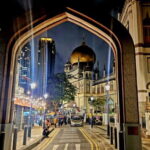
Stop 2: Kampong Glam’s Malay Quarter and What Changes From Street to Street
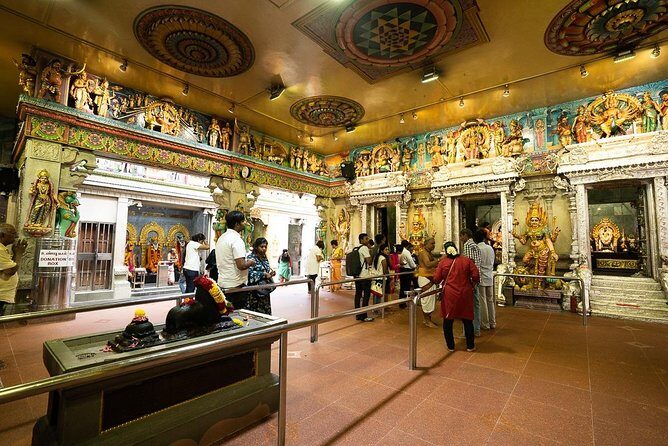
Next up is Kampong Glam, with about 30 minutes there. This shorter stop is likely because the tour aims to keep momentum across neighborhoods while still giving you a chance to ask questions and process what you saw in Little India.
Kampong Glam is a helpful contrast. Even without turning it into a checklist of landmarks, you can compare how a different community shapes the neighborhood. Ask yourself as you walk: what looks familiar from one ethnic area to the next, and what feels distinct?
A useful way to approach this stop is to treat it like a conversation between neighborhoods. Little India gives you one set of cues. Kampong Glam gives you another. Together, they show that Singapore’s diversity isn’t one big uniform “culture mix.” It’s multiple living systems that have learned to coexist.
Time consideration: with only 30 minutes, you’ll want to keep your energy up. If you plan to snack or browse heavily, save that for after the tour, not during the guided window.
Stop 3: Waterloo Street and Singapore’s Harmony Street Energy (45 Minutes)
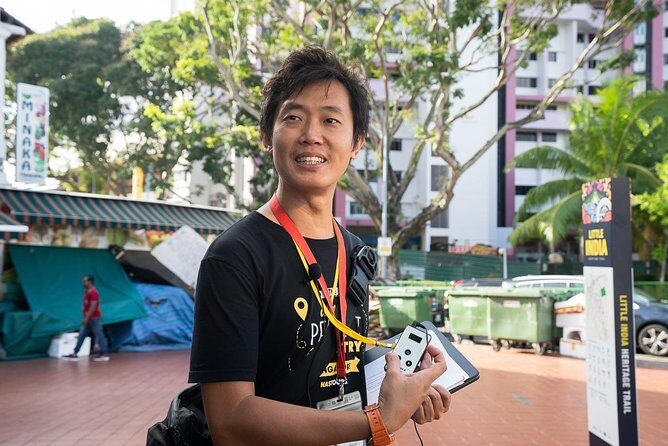
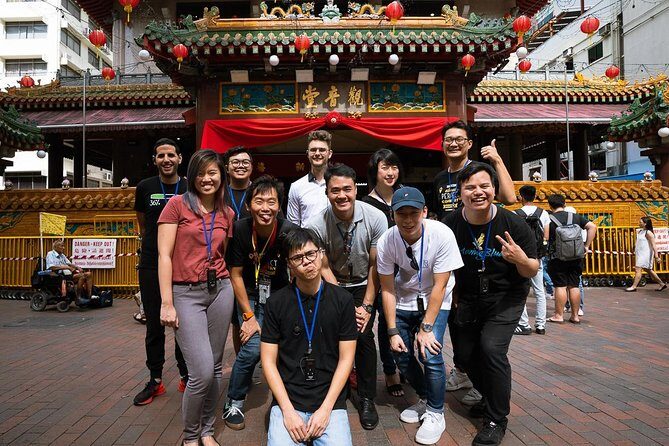
Then you head to Waterloo Street, also called Harmony Street in the tour description, for about 45 minutes. This stop is where the tour concept starts to feel real in a hurry. You’re not just visiting one community at a time; you’re stepping into a zone where the “how do people share space” question becomes visible fast.
What makes Waterloo Street especially valuable on a race-and-religion tour is that it’s about proximity. When faiths and communities are close, you notice small everyday differences: how people move, gather, and interact. Even if you’re not studying religion formally, you can see the practical side of coexistence.
For the best experience, don’t try to treat this stop like a single sight. Instead, walk slowly and let your guide’s explanations connect the dots. If you have questions about what you’re seeing—cultural habits, community life, or why certain areas develop the way they do—this is a good moment to ask.
Practical caution: it’s an urban street environment. Expect normal city crowds and foot traffic. Wear comfortable shoes and keep an eye on where the group is headed.
Stop 4: Khalsa Dharmak Sabha Gurudwara in 30 Minutes
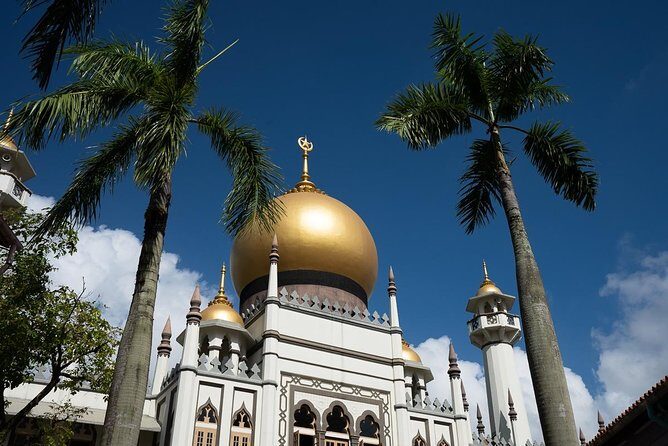
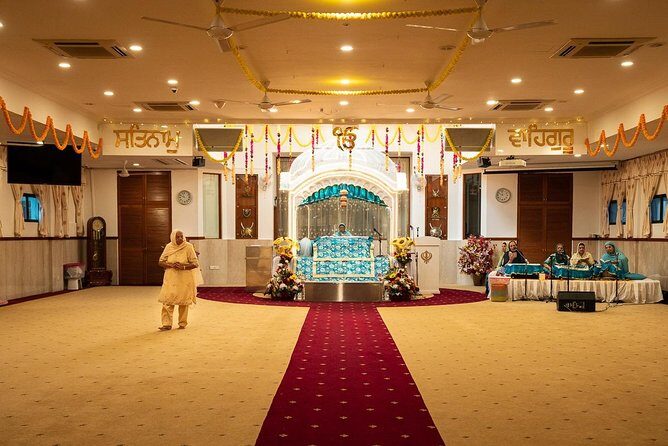
The last listed stop is Khalsa Dharmak Sabha Gurudwara, with about 30 minutes. This is the tour’s anchor point for Sikh community life, and it’s where respectful attention matters most.
I’d treat this segment like a learning moment rather than a sightseeing sprint. Even if you’ve visited other houses of worship, this one is still part of the tour’s broader theme: how race and religion intersect in Singapore’s public life.
Because specific internal guidance rules aren’t spelled out in the tour details, the safest approach is simple: follow what staff and your guide indicate on-site. If you’re unsure about attire or what’s expected, ask your guide rather than guessing. In places of worship, it’s always better to be slightly cautious than casually off-target.
Shortness note: 30 minutes can feel quick for any temple visit. The tradeoff is that you finish the tour with the full multi-neighborhood picture—without turning the afternoon into a long commitment.
How the Guide Turns Neighborhoods Into Real Understanding
The tour includes an English-speaking local guide, and the small group size is meant to support interaction. That matters because race and religion can turn abstract fast. A good guide helps you connect what you see on the street to the broader story of Singaporean coexistence.
In my view, the best way to get value is to come with a couple of questions ready. For example:
- How does Singapore’s mix of communities show up in everyday life, not just on holidays?
- What do you notice when you compare neighborhoods rather than focusing on one?
- How do different faith communities maintain identity while living close together?
Even with strong planning, a tour like this lives or dies on the guide’s timing and presence. That’s another reason to pay attention to the start location and time.
The Hard Part: No-Show and Customer Service Concerns to Take Seriously
Here’s the blunt part. Some feedback points to a major failure mode: the guide not showing up. A couple of accounts also mention trouble getting responses when contact was attempted, plus a sense that people were left waiting after a meeting-point issue.
That’s not a small gripe. It affects your whole day. It also affects how much you can trust the experience on the calendar.
So what should you do? Keep it practical:
- Confirm your exact meeting location ahead of time.
- Give yourself a buffer on the day—don’t book a tight follow-up right after the tour ends.
- Keep the contact details for the provider accessible on your phone.
- If anything feels off at the start time, act quickly instead of waiting silently.
I don’t say this to scare you off. I say it because race-and-religion tours aren’t interchangeable. If you came specifically for this route, you want to make sure it happens.
Who This Tour Is Best For
This tour is a good fit if you:
- Want a structured way to understand Singapore’s multi-ethnic, multi-religious neighborhoods.
- Prefer guided context over wandering with no direction.
- Like short stops that add up to a meaningful overview, with a max of 12 people.
It may be less ideal if you:
- Can’t tolerate the risk of schedule disruption. Since some prior bookings mention no-shows, bring a backup plan.
- Want to spend a long time in each neighborhood. The stop times are designed to cover a lot of ground.
If you’re visiting for the first time and want a meaningful introduction to how diverse Singapore can feel up close, this route is a strong match.
Should You Book the Race and Religion Tour?
I’d book it if you want an efficient, neighborhood-to-neighborhood lesson on race and religion in Singapore—and if you’re okay taking sensible precautions around timing and meeting location. The included private transport, the small group, and the free admissions at each stop all support good value for the time you spend.
But go into it with open eyes. The biggest red flag in the provided feedback is the possibility of a guide not showing up and weak communication. If you can’t spare extra time on your schedule, consider booking something with a stronger track record for reliability.
If you do book, do it smart: arrive early, verify the meeting point, and keep contact info ready. That turns a potential problem into manageable risk.
FAQ
How long is the Race and Religion Tour?
It runs for about 2 hours 30 minutes.
Where does the tour start and end?
The tour starts in Little India, Singapore at 10:00 am, and it ends back at the meeting point.
What stops are included on the route?
You’ll visit Little India, the Malay quarter of Kampong Glam, Waterloo Street (Harmony Street), and Khalsa Dharmak Sabha Gurudwara.
Is admission included for the stops?
Admission is listed as free for each of the listed stops.
What group size should I expect?
The maximum group size is 12 travelers.
What’s included in the price?
The tour includes an English-speaking local guide, private transport for the tour, and all taxes, fees, and handling charges.
Can I cancel for a refund, and what if the weather is bad?
You can cancel for a full refund up to 24 hours in advance. If it’s canceled due to poor weather, you’ll be offered a different date or a full refund.