REVIEW · SINGAPORE
Singapore: Rainforest Wild Asia Entry Ticket
Book on GetYourGuide →Operated by GlobalTix Pte Ltd · Bookable on GetYourGuide
A rainforest park in Singapore that changes hour by hour. Rainforest Wild ASIA is Asia’s first adventure-based wildlife park with habitats that shift through the day, so the place feels different each time you turn a corner. I like the mix of sheltered, family-friendly routes and more rugged forest trails, and it’s one of the rare parks where you can plan your day like an adventure route, not just a stroll.
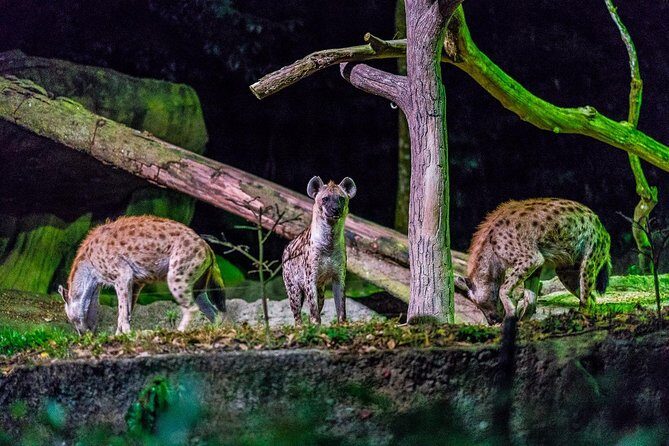
What I also liked is the wildlife focus: you’re meant to meet 36 species, including François’ langur and Philippine spotted deer, plus animals tied to zones like Malayan tigers near Rock Cascade. One thing to consider: not every “big moment” may fit every person, especially if you’re hoping for the park’s higher-adrenaline parts right away—so read your limits before you commit.
In This Review
- Key things to know before you go
- First Impressions at Rainforest Wild ASIA
- Two Ways to Explore: Elevated Walkways or Rugged Forest Trails
- Wildlife Across 8 Zones: How the Park Actually Feels
- The Canopy: where you look up
- Rock Cascade: tigers and high-energy water moments
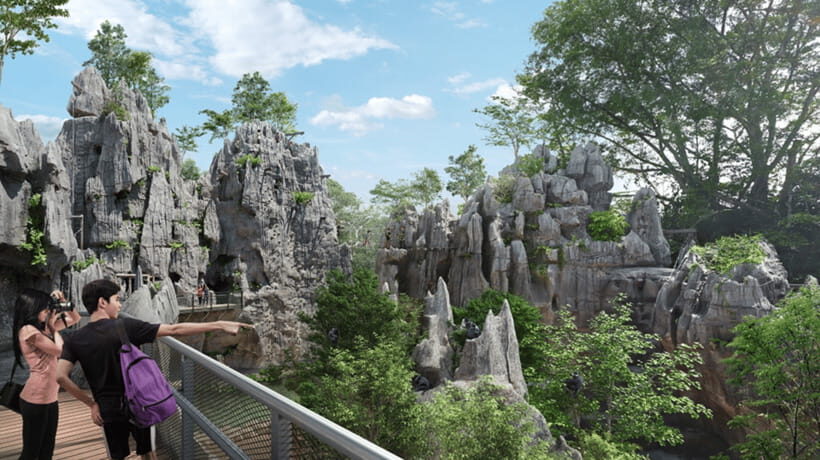
- The Karsts: limestone formations and big structure
- The Cavern: subterranean cave chambers
- Other zones: shifting habitats that change your day
- 20m Canopy Jumps and Mulu Caves-Inspired Cave Adventures
- Price and Value: Is $27 Really Fair?
- Timing, Packing, and How to Avoid a Bad Start
- Who Should Book This and Who Might Skip It
- Should You Book Rainforest Wild ASIA Entry Ticket?
- FAQ
- How long is the Rainforest Wild ASIA entry ticket valid?
- Where do I go to redeem the ticket?
- What is included with the ticket?
- What is the price?
- Is Rainforest Wild ASIA wheelchair accessible?
- What do I need to bring for entry?
- Are children aged 0–2 free?
- What should I avoid wearing before visiting?
- How many species can I expect to see?
- Is the ticket refundable?
Key things to know before you go
- Choose your route style: wide elevated walkways or rugged forest trails with streams and suspension bridges
- Habitat changes through the day: your sightings can vary as animals move between flexible habitat setups
- Big-ticket adventure zones: 20m canopy jumps and cave chambers inspired by Sarawak’s Mulu Caves
- Eight distinct areas: from treetop canopies to limestone karsts and subterranean cave space
- Sensitive-animal etiquette: skip perfume and strong scents so animals stay calm
- 36 species on site: including rare François’ langur and Philippine spotted deer
First Impressions at Rainforest Wild ASIA
Rainforest Wild ASIA is built for movement. You’re walking through a guided mix of habitats that feel like different parts of Southeast Asia, from high up in the trees to limestone and cave chambers below. The park is spread across 13 hectares, so even on a single day you can cover a lot if you follow a route.
For your first 20 minutes, focus on orientation. Use the map or zone cues and decide early if you want mostly elevated views or if you’re chasing the tougher trails through wetter ground, streams, and suspension bridges. That choice shapes your pace and how many “encounters” you’ll catch during the day.
You can also read our reviews of more tours and experiences in Singapore


Two Ways to Explore: Elevated Walkways or Rugged Forest Trails
You get a real fork in the path, and that’s what makes this park work for more than one travel style.
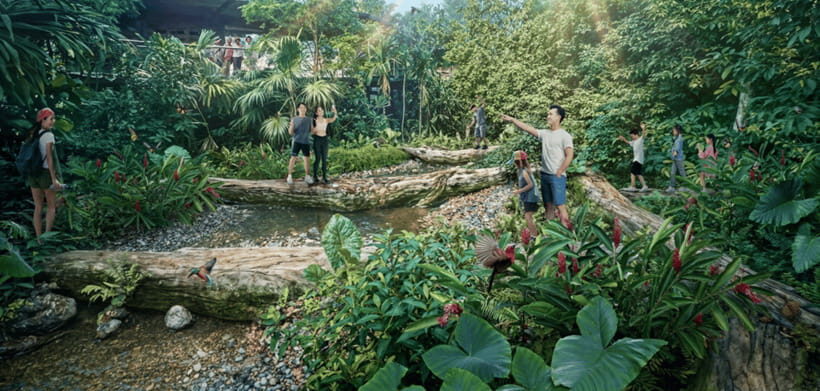
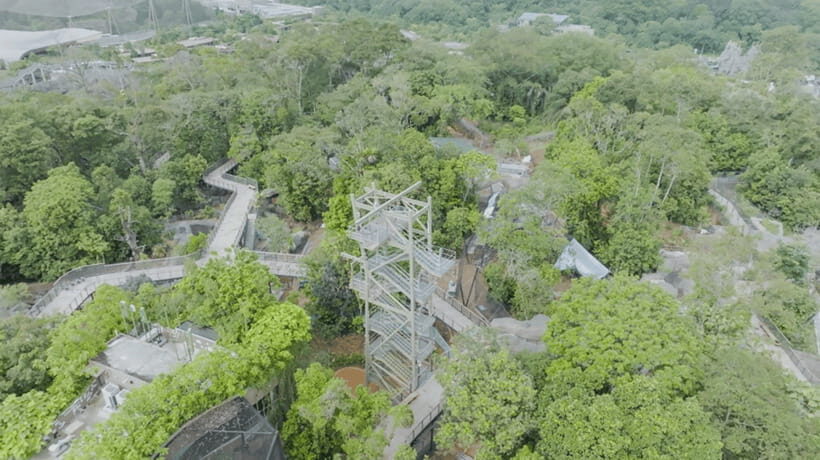
If you like easy going (or you’re traveling with kids, a stroller, or need wheelchair access), you’ll probably spend more time on the wide elevated walkways. They include sheltered rest stops, which matters in Singapore when humidity can sneak up fast. This route also gives you consistent sight lines for animals that like to stay active at certain heights.
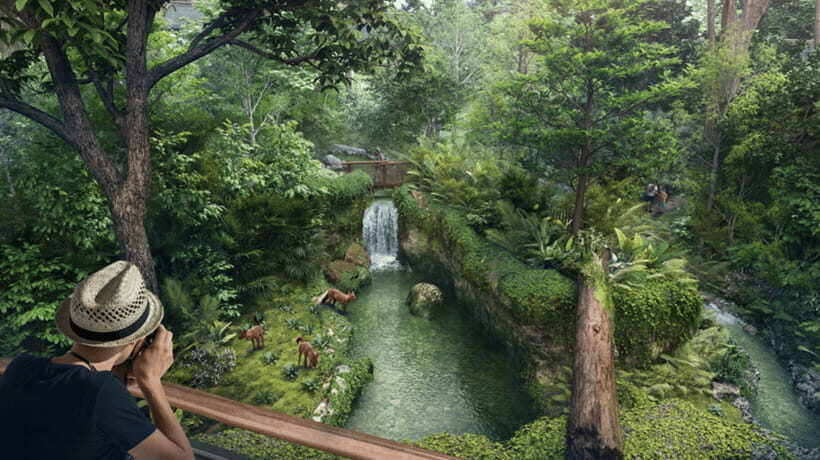
If you want grit and variety, the rugged forest trails are the way to go. Expect elements like streams and suspension bridges, which can feel like a mini trek compared with the smoother canopy walkways. You’ll still get your wildlife time, but your route becomes more about footing, energy, and staying comfortable through changing weather.
Practical tip: do both routes if you can. I’d start with elevated sections while your legs are fresh, then switch to forest trails later for that “go deeper” feeling.
Wildlife Across 8 Zones: How the Park Actually Feels
The park is organized into eight zones, and each one has a different habitat “mood.” The idea is that you’re not just watching animals in one setting. You’re walking through a chain of environments designed to recreate the conditions animals need.
The Canopy: where you look up
In The Canopy, you’re in prime viewing territory for primates. This is the kind of zone where you’ll want to pause longer than you planned, because primates can swing or move quickly through the upper areas. If you like watching behavior, not just spotting bodies, this is where your patience pays off.
Also, canopy zones often make you feel closer to the ecosystem than you expect. You’re elevated, surrounded by tree-and-shrub planting, and it’s easier to imagine you’re in the same layer of forest the animals use.
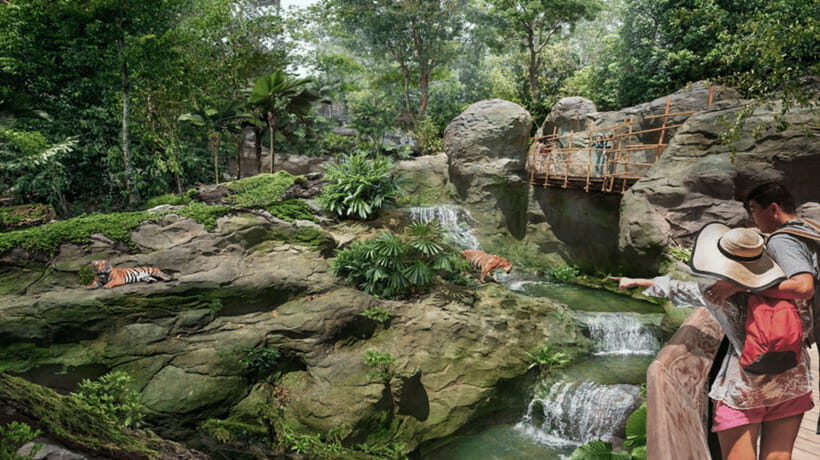
Rock Cascade: tigers and high-energy water moments
Near Rock Cascade, you can look for Malayan tigers. This is a key zone for tiger fans, and it’s also where you may feel the park’s “adventure” side in the design. Water and rocks tend to pull attention, and the animals here are part of that visual drama.
If you’re hoping for a tiger sighting, don’t treat it like a checklist item. Plan to spend time, and give the zone a second pass if you have energy later in the day.




The Karsts: limestone formations and big structure
The Karsts shifts the visual theme to towering limestone formations. This is where the park stops feeling like a simple walk-through and starts feeling like a place with geological weight. It’s also a good zone to slow down and look for how the habitat design changes from one area to the next.
If you like photos, this is one of your better bets. Even when animals aren’t “on display” at that exact moment, karst textures and sight lines can still give you satisfying results.
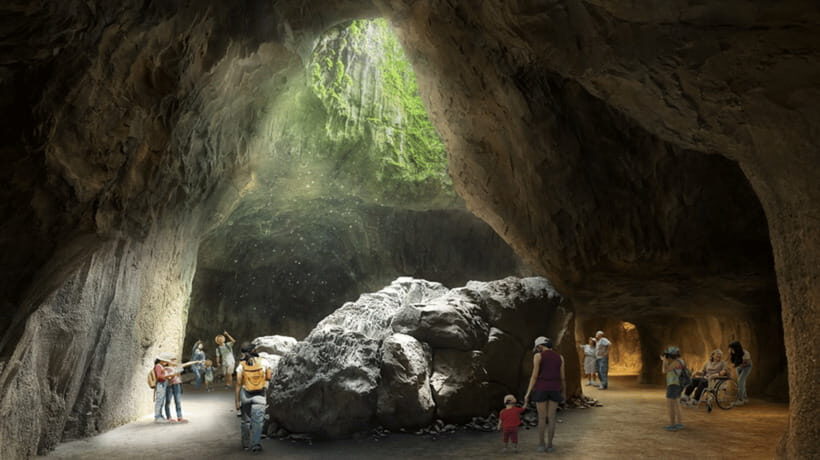
The Cavern: subterranean cave chambers
At The Cavern, you move into the more underground-feeling part of the park. Cave chambers are built as part of the adventure experience, inspired by Sarawak’s UNESCO-listed Mulu Caves. If you’re the type who enjoys the feeling of switching from bright outdoors to cooler, dimmer spaces, you’ll appreciate this zone’s change in atmosphere.
The cavern setup also makes a useful point for planning. You can’t rush through it like the outer paths. If you skip it, you miss part of the park’s identity.
Other zones: shifting habitats that change your day
Beyond the named areas, the park’s flexible habitat system is the big concept: animals tied to different setups can be presented throughout the day. That means the park doesn’t sell you one static lineup. You’re meant to re-see zones with fresh eyes as the day goes on.
You’ll also encounter species like red dholes and babirusas as part of these changing habitats. And yes, rare species like François’ langur and Philippine spotted deer are part of the on-site mix. Expect some sightings to be quick. The point isn’t to force animals to perform. It’s to place you in the right recreated habitat context at the right time.
20m Canopy Jumps and Mulu Caves-Inspired Cave Adventures
This park isn’t just about walking. The highlight for thrill-seekers is the 20m canopy jumps, plus rock-face-style climbing elements and cave adventures in chambers inspired by Mulu Caves.
Here’s the key way to think about it: these are “choose your own adventure” features. That’s great if you’re ready for them, but it can be a letdown if you assume everything is for everyone. If you’re traveling with kids, I’d treat the adventure parts like a separate checklist. Double-check your eligibility before you show up hungry for the big moments.
The cave portion also matters here, because it changes the whole experience. Singapore can feel flat and city-like if you spend too much time in concrete zones. Going into cave spaces designed around Southeast Asian inspiration gives you a more complete contrast.
I’d plan for at least one adrenaline zone. Even if you don’t do the canopy jump, walking through and understanding the routes helps you appreciate why this park is different from a standard zoo.
Price and Value: Is $27 Really Fair?

At $27 per person for one day, Rainforest Wild ASIA competes well when you compare it to typical Singapore attractions. The value comes from two places.
First, you’re not paying for one exhibit. You’re paying for a whole park concept: eight zones, changing habitats across the day, and a mix of elevated and rugged trail experiences. Second, the park includes the kind of “signature” adventure elements you’d normally expect to cost more elsewhere—like the canopy jump experience and cave-chamber adventure styling.
Is it a bargain for everyone? Not automatically. A few people may expect constant animal visibility, and animal encounters can vary. If your goal is guaranteed tiger or langur spotting on demand, you’ll feel frustrated. If your goal is to have a good day outdoors where wildlife opportunities come from time spent and the right route, this ticket price makes sense.
One more value note: the park’s design leans into different mobility needs. Wheelchair access is supported through the elevated walkway approach, and sheltered rest stops are built in. That flexibility makes the park more usable for mixed groups than places that only work for one pace.
Timing, Packing, and How to Avoid a Bad Start
Rainforest Wild ASIA is valid for 1 day, and you’ll want to check available starting times. This matters because it affects how much of the day you can spend in changing habitats and adventure zones. If you arrive late, you may miss the “shift” moments that help the park feel alive.
Meeting is simple: go directly to Rainforest Wild Asia for redemption. Bring passport or an ID card, and a copy is accepted. If you’re traveling as a group, save time by having everyone’s ID ready and easy to grab.
Packing is also about animal comfort. The park asks you to avoid perfume or strong scents, since animals are sensitive. For me, that’s an easy rule: skip heavy cologne, hair sprays, and scented lotions. You’ll be more comfortable too.
Bring what you’d bring for a warm, humid day outdoors: water, comfortable shoes, and a light layer in case the cave spaces feel cooler than you expect. If you’re doing rugged trails, shoes with grip are worth it.
Logistics can be a pain point. Some booking experiences online have involved extra steps for getting tickets issued after a date and timeslot are set. I’d handle that early at home, not after you arrive. Give yourself time for any formality, because it can sap your energy before you even enter.
Who Should Book This and Who Might Skip It
This is for you if you like wildlife but also want a walk that feels like an adventure. I think it’s a great pick for active families who can handle a mix of easy elevated paths and optional tougher trails. It also fits adults who want the fun parts—canopy experiences and cave-chambers—without giving up the wildlife focus.
It can be less satisfying if you’re expecting a passive, guaranteed wildlife show. Animals may not be visible the whole time, and the park experience depends on moving through zones and staying present.
For families: check any age-related suitability for the adventure components. If you show up assuming your child can do everything, you might end up limited to the walking routes. Planning ahead keeps the day fun for everyone.
For mobility needs: the park is wheelchair accessible, and the elevated pathways are designed to work for strollers too. If you’ll likely stick to the elevated route, you can still get a full day out of the changing habitats.
Should You Book Rainforest Wild ASIA Entry Ticket?
Yes, you should book it if you want a Singapore day that feels outdoorsy and different from the usual indoor attractions. The biggest reasons are the changing habitats, the chance to see a wide range of species like François’ langur and Philippine spotted deer, and the park’s unusual adventure DNA with 20m canopy jumps and Mulu Caves-inspired cave areas.
Skip or rethink if you need guaranteed animal sightings on a strict schedule, or if you’re counting on adventure features for young kids without checking suitability first. Also plan for possible extra time if your tickets require date and timeslot confirmation before redemption.
If you go in with the right expectations—move through the zones, choose your trail type, and give the habitat setups time—you’ll come away with a day that feels like Singapore tried something genuinely new.
FAQ
How long is the Rainforest Wild ASIA entry ticket valid?
The ticket is valid for 1 day.
Where do I go to redeem the ticket?
Proceed directly to Rainforest Wild Asia for redemption.
What is included with the ticket?
The Rainforest Wild Asia entry ticket is included.
What is the price?
The price listed is $27 per person.
Is Rainforest Wild ASIA wheelchair accessible?
Yes, it is wheelchair accessible.
What do I need to bring for entry?
Bring a passport or ID card. A copy is accepted.
Are children aged 0–2 free?
Yes, children aged 0–2 enter free.
What should I avoid wearing before visiting?
Avoid perfume or strong scents, since animals are sensitive.
How many species can I expect to see?
The park includes 36 species.
Is the ticket refundable?
The activity is non-refundable.