REVIEW · SINGAPORE
Niu Che Shui Chinatown Murders Game Tour
Book on Viator →Operated by Tribe Tours · Bookable on Viator
Chinatown becomes a crime scene fast, without feeling overwhelming. Chinatown Murders is a mobile-ticket puzzle game tour in Singapore where you solve clues around Chinatown while a serial killer story drives you from one character encounter to the next. The gamemaster narrates the action through a long-time Chinatown connection, with characters like Auntie Geok, Raj, and Ah Kee guiding what you notice and what you try next.
I love that the format is equal parts storytelling and problem-solving. You’re split into teams of 2–5, you choose your route and the items you grab, and the pacing stays manageable with a set number of puzzles. My one caution: the tour is weather-dependent and part of the experience involves visiting an attraction where admission is not included, so you may need to be ready for a small extra cost.
In This Review
- Key highlights you’ll feel while playing
- A murder mystery game built for Chinatown’s real streets
- Price and value: what $58.03 buys in two hours
- Where you meet and how the route is shaped
- Stop-by-stop: Chinatown to Buddha Tooth to Sri Mariamman
- Chinatown (first 20 minutes)
- Chinatown Heritage Centre (20 minutes; ticket not included)
- Buddha Tooth Relic Temple and Museum (20 minutes; free entry)
- Sri Mariamman Temple (about 10 minutes; free entry)
- The puzzle structure: six challenges, guided help when needed
- Who this tour suits best (and who might not love it)
- Practical tips for a smooth, fun run
- Should you book Niu Che Shui Chinatown Murders?
- FAQ
- How long is the Chinatown Murders game tour?
- What is the price per person?
- Where do I meet for the tour?
- Where does the tour end?
- How big is the group?
- Do I need tickets for the attractions?
- How many people should be in a team?
- How many puzzles are part of the experience?
- What if the weather is bad?
- Is there free cancellation?
Key highlights you’ll feel while playing

- Six puzzles, timed: plan for quick thinking, not leisurely wandering
- Team choices matter: you decide route and what to pick as you go
- Character-led clues: learn Chinatown through story people tied to the area
- Temple stops you can actually enjoy: quick, focused visits without a long museum slog
- Free admission at most stops: multiple major sights are included without extra entry
A murder mystery game built for Chinatown’s real streets
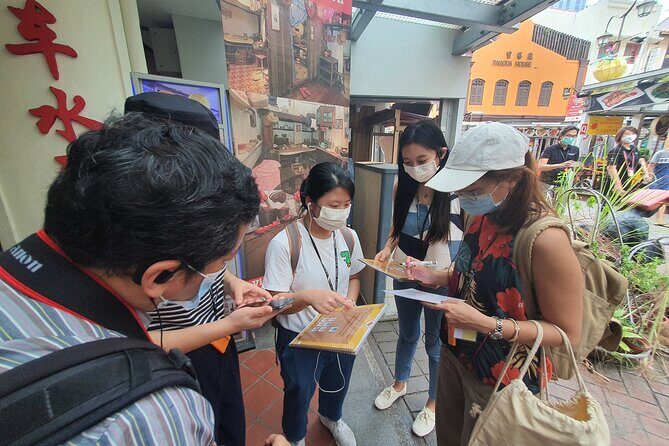
Chinatown Murders turns familiar streets into an active game board. Instead of joining a lecture or following a rigid script, you’re pulled into a scenario where a serial killer is on the loose and people are afraid. Then you start solving. Each puzzle is tied to what you see around you, so the “history” part doesn’t arrive as a wall of facts. It arrives as choices: what to look at, which clue might matter, and when to move on.
The narration is a big part of why this tour works. Your gamemaster guides the story using a character with deep ties to Chinatown—the tour frames it as someone who has lived there for 48 years. That long connection matters because it changes the tone. You’re not just being told about Chinatown. You’re being shown how these neighborhood stories connect to specific people.
You also get a cast of recognizable “community roles” inside the mystery. You’ll encounter story figures such as Samsui woman Auntie Geok, a moneylender friend named Raj, and a provision shop owner called Ah Kee. Even if you don’t know anything about these names ahead of time, the tour uses them as anchors. They give the puzzles a human reason to exist.
You can also read our reviews of more tours and experiences in Singapore.



Price and value: what $58.03 buys in two hours
At $58.03 per person for about 2 hours, you’re paying for four things at once:
First, you’re paying for a game format with timed challenges and decision points. That’s different from a standard walking tour where the “work” is mostly listening.
Second, you’re paying for a live gamemaster narration that shapes what you do next. The guide doesn’t just point; they run the scenario and help steer the team through confusion.
Third, you’re paying for multiple major Chinatown sight stops. Several stops are free to enter during the experience, including Chinatown itself, the Buddha Tooth Relic Temple and Museum, and Sri Mariamman Temple. One stop—Chinatown Heritage Centre—requires admission that is not included.
Finally, you’re paying for the convenience of a mobile ticket, which keeps the start-to-play flow simple once you arrive.
So is it “worth it”? For me, it is if you like interactive activities more than passive sightseeing. If you’re the type who gets restless on guided walks, this format can feel like a good trade: you still see key places, but you also stay mentally engaged.
Where you meet and how the route is shaped
You start at the Chinatown area with clear meeting options around 151 New Bridge Road / 91 Upper Cross Street (Singapore 059443 / 058362). The tour ends at Chinatown Complex on 335 Smith St (Singapore 050335). That end point matters because it keeps your finish convenient for getting back out into the city.
The route itself is not purely fixed line-by-line for everyone. Teams of 2–5 make choices about the direction they take and the items they select during the game. That means you’re not just walking from A to B and hoping the same answers pop up. Your team’s decisions influence the experience pace and what you focus on next.
Also, this tour runs with a maximum group size of 20 travelers. Smaller groups are a real help during puzzle games because teams need to hear guidance without the guide getting drowned out by noise or logistics.
One more practical note: the tour is listed as requiring good weather. If the forecast is messy, be ready for adjustments or for the experience to be moved or refunded.
Stop-by-stop: Chinatown to Buddha Tooth to Sri Mariamman
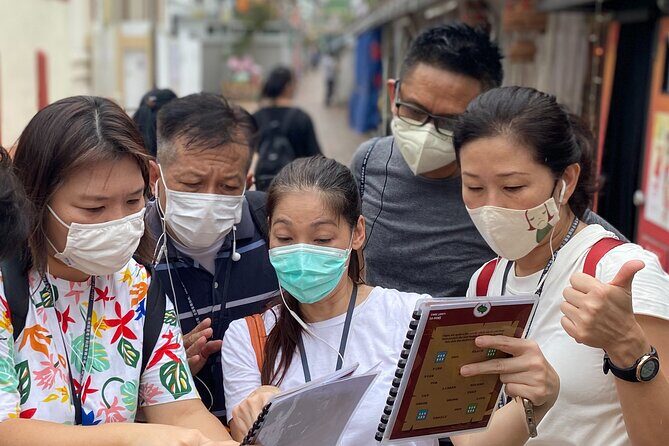
The tour is designed as a sequence of short, meaningful stops—each one supports the story and gives you something to use for puzzles.
Chinatown (first 20 minutes)
You begin right in Chinatown. This opening stop is about getting your bearings quickly and learning how the game wants you to think. Since you’re outdoors and moving, it’s a good moment to settle into your team roles—who watches details, who focuses on puzzle instructions, and who keeps time moving.
What to like here: it’s immediate. You’re not waiting around in a lobby. You start playing while the area is still “alive” around you.
What to watch for: because it’s a game, you’ll want to pay attention early. If you spend the first few minutes chatting or drifting, the puzzles can feel rushed later.




Chinatown Heritage Centre (20 minutes; ticket not included)
Next, you move to Chinatown Heritage Centre for about 20 minutes. This is one of the few places where admission is not included. That doesn’t make it a bad stop. It just means you may need to plan on the extra entry cost if you want to experience it fully as part of the route.
Why this stop matters in the game: heritage settings often give you visual cues and context that make puzzles easier to interpret. Even without being a deep museum marathon, 20 minutes can be enough time to gather what your clues need.
Potential drawback: you’ll have to be comfortable with the idea that not every stop is fully covered in the base price. If you’re tight on budget, check how you feel about adding this entry before you go.
Buddha Tooth Relic Temple and Museum (20 minutes; free entry)
Then you reach Buddha Tooth Relic Temple and Museum for about 20 minutes, and this stop is free for the tour participants. This is where the experience shifts from neighborhood street clues into a place of worship and museum-style visuals.
What to like here: it’s a strong “anchor” moment. The contrast between Chinatown streets and a major temple setting makes the story feel more grounded. Also, because the stop is free, you don’t have to weigh whether it’s worth the extra ticket.
How to get the most from it: keep an eye out for details the gamemaster cues you to notice. In a puzzle game, your best move is usually to follow the guide’s attention cues, not just scan randomly.
Sri Mariamman Temple (about 10 minutes; free entry)
Finally, Sri Mariamman Temple is a shorter stop at about 10 minutes, and admission is free. This part focuses on learning how a Hindu temple came to exist in a Chinese-dominant precinct—meaning the tour uses the site to explain neighborhood intersections rather than only offering architecture or general commentary.
Why the short timing works: you don’t lose the group to long explanations. You get a quick, specific takeaway that ties back into the broader Chinatown story being played out across the clues.
What to watch for: since it’s brief, arrive ready to look and listen. If your team takes too long to gather puzzle answers, you may feel the stop “speed by.”
The puzzle structure: six challenges, guided help when needed
Here’s the rhythm I’d expect you to plan for: there are six puzzles, and each one is designed with about ten minutes to solve. That’s a key part of the value. It keeps the pace energetic and prevents the tour from turning into a slow scavenger hunt where you don’t know when it will end.
Teams of 2–5 also give you flexibility. A smaller team can move more quickly through choices. A larger team can spread effort across clue-reading and route decisions. In my view, the sweet spot is usually 3–4 people: enough hands to cover clues without getting stuck in too many opinions.
The gamemaster supports you. If you’re stuck, the guide can help. That matters because puzzle tours are fun until you hit a wall. Having structured help reduces the chance that the experience turns frustrating.
You also get to choose items to pick. That turns the tour into a “light strategy” game. You’re not just answering questions; you’re deciding what might matter later. That choice element is what makes the whole experience feel like yours, not something you simply follow.
Who this tour suits best (and who might not love it)
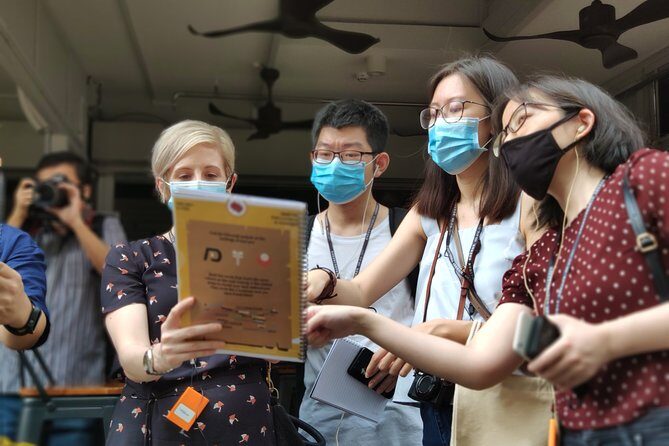
This is ideal for people who like games, puzzles, and story-driven activities. If you enjoy learning through doing—solving, noticing, and moving—you’ll likely have a better time than with a long guided walk.
It also suits families in a practical way. One of the stand-out points from past experiences is that it’s friendly and engaging, with enough structure to keep kids involved while adults still find it interesting. If your group likes teamwork, this format can feel like a shared challenge rather than a passive outing.
Where it may not be ideal: if you strongly prefer quiet, slow sightseeing, you might find the time pressure and clue focus a bit intense. Also, if your main goal is deep museum time, the stop durations are short by design.
My recommendation: bring people who are willing to look closely and make decisions. You’ll get more out of the tour when you lean into the mystery.
Practical tips for a smooth, fun run
To make this tour feel easy (and not stressful), I’d plan for a few basics.
- Wear comfortable walking shoes. You’re moving between multiple locations within about two hours.
- Keep your team focused. Early choices affect later pacing, especially with timed puzzles.
- Bring a charged phone. You’ll use a mobile ticket, and puzzle guidance depends on staying “switched on” during the play flow.
- Be ready for the weather factor. Since good weather is required, check conditions before you head out.
If you’re budget-minded, keep the Chinatown Heritage Centre entry in mind. The stop is included as a destination, but admission is not included, so you may want a bit of extra spending flexibility if you plan to go in fully.
Finally, consider team dynamics. If everyone tries to solve every clue, you can get tangled. It often helps to assign quick roles: one person listens for gamemaster cues, one watches for visual clues, and one keeps the team moving.
Should you book Niu Che Shui Chinatown Murders?
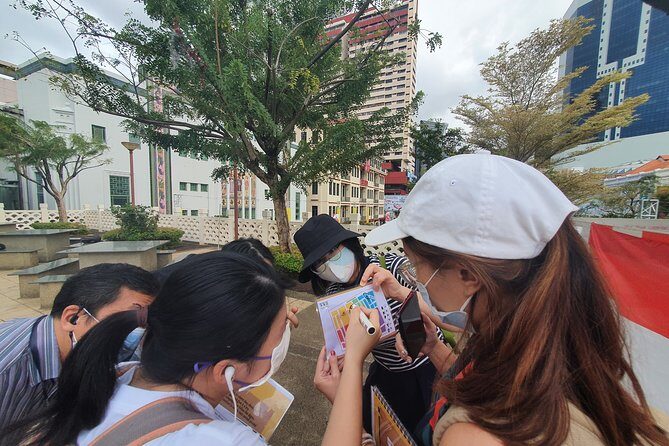
Book it if you want Chinatown that feels active. For $58.03, you’re buying a compact 2-hour experience where you solve six timed puzzles, get live narration, and visit a set of major sights with several stops free. The story characters—Auntie Geok, Raj, and Ah Kee—help turn landmarks into something you’re actively working with, not just passing by.
I’d skip or reconsider if you want a slow, museum-heavy day, or if you dislike timed challenges. Also, if you’re traveling during poor weather odds, remember the tour depends on good conditions and can be adjusted if weather cancels it.
If your group likes games and short, purposeful sightseeing, this is one of the better ways to turn Chinatown into a hands-on mystery.
FAQ
How long is the Chinatown Murders game tour?
It runs for approximately 2 hours.
What is the price per person?
The price is $58.03 per person.
Where do I meet for the tour?
You meet at Chinatown, around 151 New Bridge Road / 91 Upper Cross Street in Singapore (059443 / 058362).
Where does the tour end?
The tour ends at Chinatown Complex, 335 Smith St, Singapore (050335).
How big is the group?
The tour has a maximum of 20 travelers.
Do I need tickets for the attractions?
Chinatown itself, Buddha Tooth Relic Temple and Museum, and Sri Mariamman Temple are listed as free for the tour. Chinatown Heritage Centre is listed as not included, so admission is separate.
How many people should be in a team?
Teams are played with 2 to 5 persons.
How many puzzles are part of the experience?
There are six puzzles to solve.
What if the weather is bad?
The experience requires good weather. If it’s canceled due to poor weather, you’ll be offered a different date or a full refund.
Is there free cancellation?
Yes. You can cancel up to 24 hours in advance for a full refund.