Coffee and bread trades are disappearing fast in Singapore.
This tour is built around kopi and loti: you walk into real working spaces where coffee gets roasted and bread gets made, then you taste what makes the craft different.
I love the access. You get guided stops at a coffee roasting factory in Bedok and an old-school bread factory in Paya Lebar, plus sampling of black coffee like kopi O and traditional bread. I also like how the guide ties the food to everyday Singapore culture, not just facts on a menu.
One thing to consider: it’s a focused 3-hour experience with only a couple of main stops, so it’s best if you want hands-on food culture rather than a long city sightseeing day.
In This Review
- Key highlights you’ll care about
- Kopi and Loti: Why This 3-Hour Food Walk Feels Like a Workshop
- Pagoda St start and Tai Seng finish: The logistics that keep it easy
- Bedok coffee roastery: Where kopi takes its flavor
- Paya Lebar bread factory: Old tools, different bread
- What you’ll taste and how to use it after the tour
- Guides and group vibe: Private by design
- Price and value: Is $88.60 per person worth it?
- Timing and planning: A smart morning block
- Who should book Kopi and Loti?
- Should you book it?
- FAQ
- How long is the Kopi and Loti tour?
- Where does the tour start and end?
- What time does the tour begin?
- Is the tour private?
- What will I taste during the tour?
- Does it include admission tickets to the factories?
- What happens if the tour is canceled due to weather or low demand?
- Can I cancel for a full refund?
Key highlights you’ll care about
- Two working factories in Bedok (coffee roasting) and Paya Lebar (bread making)
- Coffee tasting, including kopi O/black coffee sampling
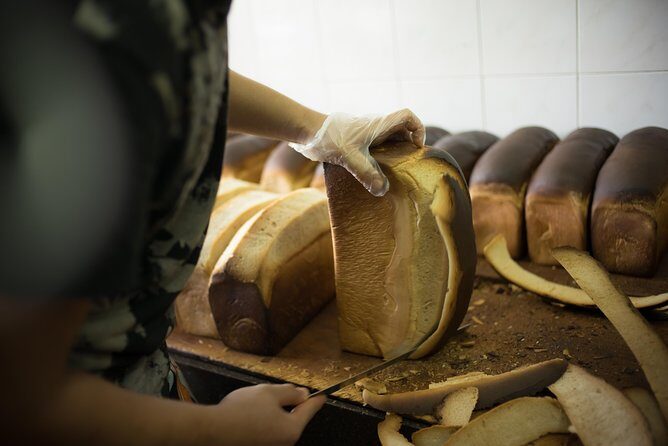
- Bread made the old way, with a look at equipment and wooden boards still in use
- Singapore food culture explained, with practical context for how locals think about kopi and bread
- Private-group feel, since it’s only your group on the tour
Kopi and Loti: Why This 3-Hour Food Walk Feels Like a Workshop
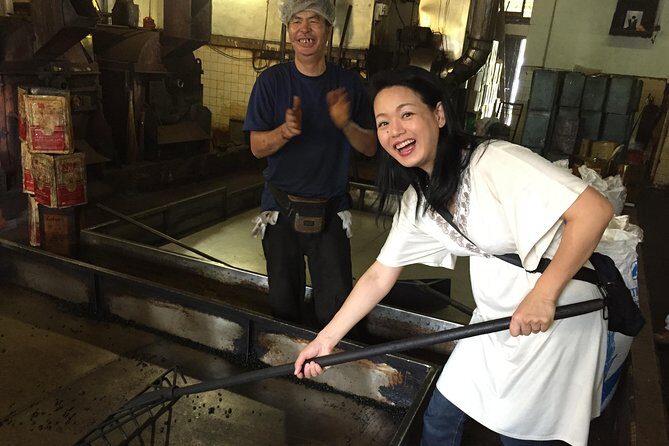
Singapore can be surprisingly good at making food feel like culture instead of just calories. This tour leans into that idea hard. You’re not just walking past coffee shops and bakeries. You’re seeing how the raw stuff turns into everyday favorites—coffee you drink every morning and bread you grab without thinking too much.
What makes it work is the pairing. Kopi and loti aren’t random themes. They’re everyday parts of Singapore life, and the tour treats them like crafts—each with its own workflow, tools, and language. The coffee stop gives you the origin story (where beans come from and how roasting changes flavor). The bread stop shows you why old methods can taste and behave differently than modern, mass-made bread.
The pacing is also smart. At about 3 hours total, you get enough time for real explanation and sampling without turning it into a rushed sprint. If you’re short on time but still want something authentic, this is the kind of experience that fits.
You can also read our reviews of more tours and experiences in Singapore.


Pagoda St start and Tai Seng finish: The logistics that keep it easy
The tour starts at 69 Pagoda St, Singapore 059228 at 9:00 am. That’s close to Chinatown-area streets, which makes it a convenient morning plan if you’re staying anywhere in the general city center.
Your route ends at Tai Seng MRT Station (CC11) at 33 Upper Paya Lebar Rd, Singapore 534803. Practically, that means you’ll finish out toward the East side. So if you like to plan the rest of your day, you can treat this as a morning “connector” that drops you near a major MRT line for lunch or the next activity.
One more detail: the bakery is the last stop of the tour. There’s also a related longer version where, if you join an extended Disappearing trades format, the tour continues to the Paper House stop and finishes back in Chinatown. If you like the idea of more neighborhoods after bread, ask about which version you’re booking.
Bedok coffee roastery: Where kopi takes its flavor
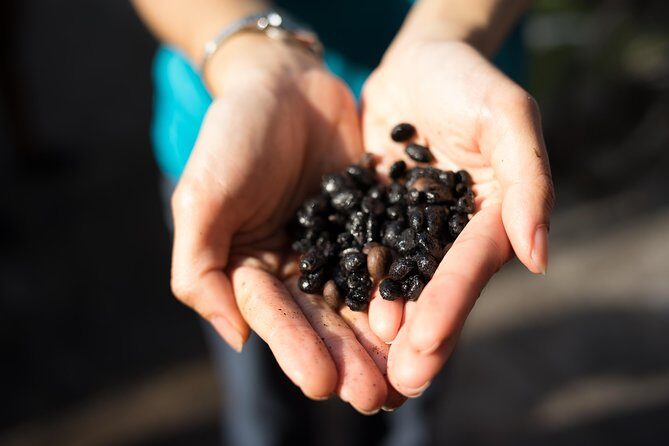
Stop 1 is in Bedok, and it’s the core of the kopi story. You’ll visit a coffee roasting factory and get a behind-the-scenes look at how the kopi industry works on the practical level—roasting techniques and the nuts-and-bolts process that affects the final cup.
This matters because “coffee” is too vague as a travel word. Roasting is one of the biggest levers in flavor. When the guide explains the tricks of the trade, you start to understand why some coffees taste sharper, heavier, or more aromatic than others. It also gives you a new way to read what you see later at hawker centres and kopitiams.
You also get a sampling—specifically kopi O, the classic black coffee. That’s a good move for first-timers because it’s the simplest baseline. If you taste the coffee in a roasting setting, you’re better prepared for how Singapore people actually order and drink it. It’s not just a sip for fun; it’s a reference point you’ll carry into the rest of your trip.
Timing is reasonable too. This stop runs about 45 minutes, which is long enough for explanation and tasting without feeling like you’re waiting around in a factory hallway.
Paya Lebar bread factory: Old tools, different bread
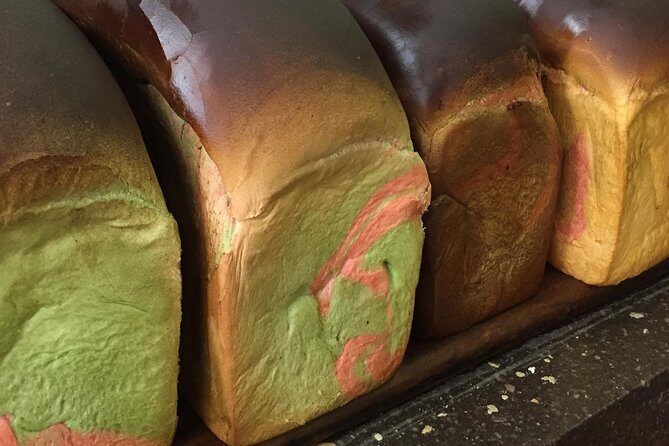
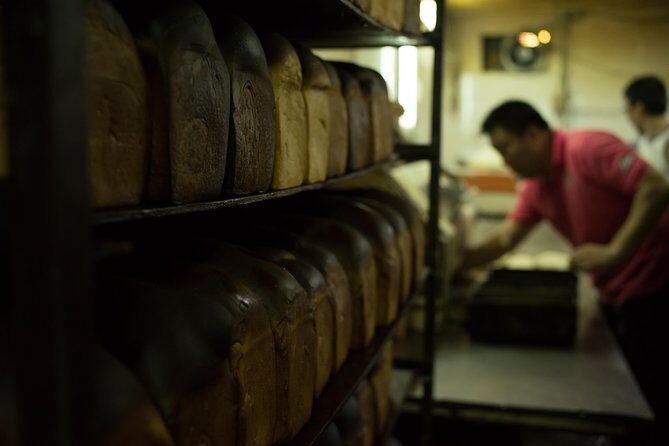
Stop 2 takes you to Paya Lebar for an authentic bread factory visit. This part is fascinating for a very simple reason: traditional factories like this are rare. The tour points out that only a few remain, and that scarcity gives the stop extra meaning. You’re not seeing bread-making as a museum exhibit. You’re seeing it as a living workflow.
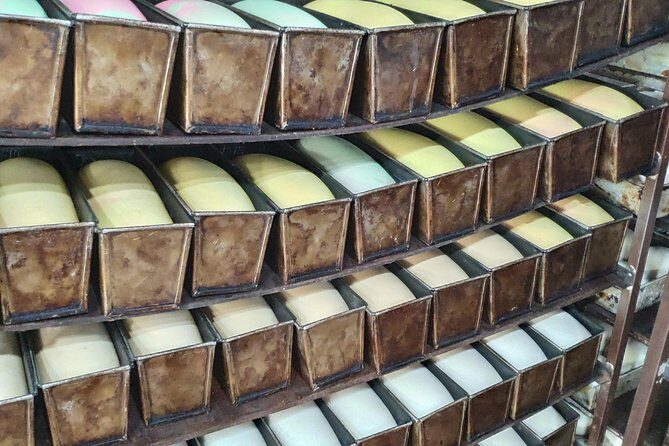
What you’ll like here is the visual detail. You’ll get to see older equipment and wooden boards still used in shops like this. That’s the kind of thing that makes food history feel real. It’s easy to romanticize craft. But when you stand near the tools themselves, you understand why craft bread tastes and feels different.
The guide also explains why old-school techniques differ from today’s mass-produced bread. That’s where the experience goes beyond “watch and snack.” You start noticing the consequences of process choices—how methods can change texture, consistency, and even how bread holds up in everyday use (like soaking up coffee or pairing with spreads).
This stop is about 1 hour, which gives you time to absorb the how-and-why, not just snap pictures and move on.
What you’ll taste and how to use it after the tour

This is a tasting tour. You’ll sample kopi O at the roasting factory, plus traditional bread at the bread stop. Those tastings are the heart of the value because they turn explanations into something you can recall with your senses, not just your memory.
Here’s how to carry it forward after you leave the factory:
- Pay attention to coffee bitterness and body, not just aroma. The roasting explanation gives you a framework for what you’re noticing.
- Taste bread for texture first. Craft bread is often more about structure and mouthfeel than sweet flavor.
- Notice how people pair bread with coffee. If you’ve tasted the components separately, the pairing makes more sense.
If you’re the type who normally orders coffee and moves on, this tour can shift you into a more observant mode. You’ll likely find you talk differently about what you taste—less “it’s good,” more “it’s roasted like this” or “this bread holds up differently.”

Guides and group vibe: Private by design
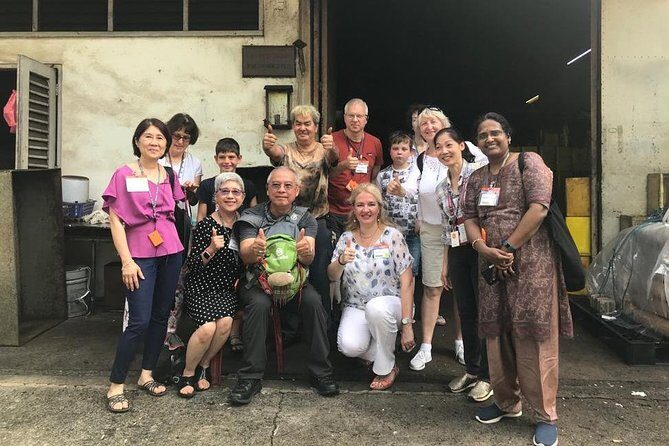
Your booking is set up as a private tour/activity, meaning it’s only your group. That sounds like a small detail, but it changes the experience. You’re not trying to hear over a crowd. You can ask follow-up questions. The guide can also adjust pacing if your group has different curiosity levels.
The guide style seems to matter a lot on this tour. Names like Kenneth, Andros, Boon, and Helen have led groups on this Kopi and Loti experience. Across those different guides, the consistent theme is clear: they keep the tone friendly and story-driven, with practical explanation and room for fun.
That said, this isn’t just a chatty walking tour. You’re going into working spaces, which means you should expect to follow instructions, keep moving at a human pace, and stay attentive during sampling moments.
Price and value: Is $88.60 per person worth it?
The price is $88.60 per person for about 3 hours. For Singapore, that’s not a budget number, so you should judge it by what you’re paying for.
You’re not only paying for coffee and bread. You’re paying for:
- Access to a coffee roasting factory and a traditional bread factory
- Guided explanation tied to how the craft works (roasting techniques, bread-making differences)
- Sampling built into the experience: kopi O and traditional bread
- A private-group format, so you’re not sharing the guide’s time with strangers
Admission tickets at the stops are listed as free, which helps keep the money focused on the guide and the experience itself.
If you love food and want more than a generic “tasting walk,” this is the kind of value that makes sense. If you just want a quick coffee and a snack, you could do that on your own for less. But you wouldn’t get the behind-the-scenes craft explanation, or the old equipment + process comparison at the bread factory.
A practical note: the tour is often booked about 12 days in advance on average. If you want a specific day, don’t wait until the last minute.
Timing and planning: A smart morning block
With a 9:00 am start and a total time around 3 hours, you can slot this into a travel plan without wrecking your day. Morning is also the right time for a coffee-focused tour. The coffee mindset is fresh, and you’re not too tired to process explanations.
Because the ending is near Tai Seng MRT, you can make the next move easily—grab lunch nearby, head to museums, or connect toward the rest of your itinerary using public transit.
If you’re booking during variable weather periods, keep flexibility. The experience requires good weather. If poor weather cancels it, you’ll be offered a different date or a full refund.
Who should book Kopi and Loti?
This tour is a strong fit for:
- Food travelers who want process more than just places
- People who like Singapore’s street-level culture but want it explained in a grounded way
- Anyone curious about why kopi and bread taste different when you understand the craft behind them
- Groups who prefer a private experience without the pressure of a big crowd
It’s less ideal if you want a full-day multi-neighborhood sightseeing tour with lots of stops. This one is focused. Think “workshop tour” more than “city highlights.”
Should you book it?
Book Kopi and Loti if you want an authentic Singapore food experience with real access to a coffee roasting factory and a traditional bread factory, plus tastings that actually connect to the explanations.
Skip it (or consider another option) if your goal is mainly photo stops or if you’re not interested in learning how roasting and bread-making differ from mass production. The value here comes from understanding the craft, not from checking off a long list of sights.
If you do book, plan it as a morning anchor, wear comfortable walking shoes, and come hungry for both the coffee and the bread. It’s the kind of trip that makes your next kopi stop make more sense.
FAQ
How long is the Kopi and Loti tour?
The tour runs about 3 hours (approximately).
Where does the tour start and end?
It starts at 69 Pagoda St, Singapore 059228. It ends at Tai Seng MRT Station (CC11) and 33 Upper Paya Lebar Rd, Singapore 534803.
What time does the tour begin?
The start time is 9:00 am.
Is the tour private?
Yes. Only your group will participate.
What will I taste during the tour?
You’ll taste traditional coffee, including sampling of kopi O (black coffee), and you’ll also taste authentic Singaporean bread.
Does it include admission tickets to the factories?
Admission tickets are listed as free for the stop at the coffee roasting factory and the bread factory.
What happens if the tour is canceled due to weather or low demand?
The experience requires good weather. If it’s canceled due to poor weather, you’ll be offered a different date or a full refund. It also requires a minimum number of travelers; if that minimum isn’t met, you’ll be offered a different date/experience or a full refund.
Can I cancel for a full refund?
Yes. You can cancel up to 24 hours in advance for a full refund. If you cancel less than 24 hours before the start time, the amount you paid will not be refunded.