REVIEW · SINGAPORE
Feast of Fury – Ransack Puzzle Hunt
Book on Viator →Operated by Ransack Puzzle Hunt (Gamification Consultants) · Bookable on Viator
Chinatown turns into a giant puzzle map. Feast of Fury is a Chinatown puzzle hunt that mixes escape-room style tasks with a guided story about Pepper the dinosaur and the Nian Monster. I like that it leads you to street corners and details you’d usually skip, and I also love how the game nudges you to learn the origins behind Singapore’s hawker food.
One thing to plan for: this is an outdoor walk through Chinatown, and the pace can feel warm and busy. If you’re not used to standing and walking for a few hours, bring some water and think comfortable shoes.
In This Review
- Key things to know before you go
- Your briefing at Chinatown Heritage Centre (and why it matters)
- The Feast of Fury puzzle hunt: Pepper, puzzles, and a roaming route
- What you should watch for as you play
- How this hunt makes Chinatown feel personal (not touristy)
- Puzzles you can handle: difficulty, pacing, and team size
- Hawker food origins: learning without turning it into a lecture
- The finale and prize: finishing strong in the best part of the route
- Price and time: does $36.34 feel fair?
- Who should book Feast of Fury, and who might skip it?
- FAQ
- Where is the meeting point for Feast of Fury?
- How long does the experience last?
- What is included in the early part of the activity?
- What is the story and goal of the puzzle hunt?
- Do I get a mobile ticket?
- How large are the groups?
- Is it suitable for both visitors and locals?
- What happens if I cancel?
- How should I dress for a puzzle hunt outdoors in Chinatown?
Key things to know before you go
- Pepper’s mission in the story: Pepper the dinosaur recruits the townsfolk to chase away a food-stealing Nian Monster.
- You start at Chinatown Heritage Centre: you begin with context before the 2-hour puzzle run.
- Multiple clue types: challenges mix puzzle-solving with exploration-style games.
- Designed for both visitors and locals: it’s built so locals can learn too.
- Small group size: the activity caps at 20 people.
- Finishes with a prize: there’s an end-of-route reward for teams that complete the quests.
Your briefing at Chinatown Heritage Centre (and why it matters)
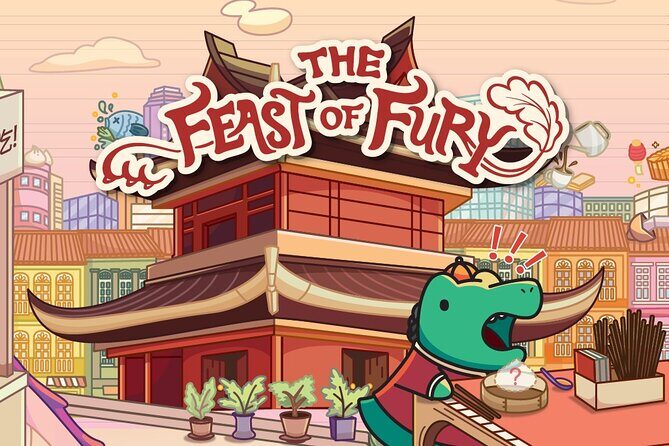
You’ll start at 48 Pagoda St, Singapore 059207, then your first stop is the Chinatown Heritage Centre. Think of this as the part that helps you stop treating the streets like scenery and start treating them like clues.
That brief intro matters because Feast of Fury isn’t only about finding the next answer. The point is to understand how Chinatown’s look and food culture connect. You’re given the cultural and setting background first, and then you spend the next chunk of time moving through the neighborhood with tasks that make you pay attention. It’s a smart structure: you don’t just play a game, you learn while you walk.
Chinatown Heritage Centre is open 10:00 AM to 6:00 PM daily, so if you’re choosing a time that’s close to the edges of the day, you’ll want to make sure you’ll comfortably fit within those hours. The good news is your outing is roughly 3 hours 30 minutes total, with the main puzzle run taking about 2 hours.
Also, you’re not wandering completely blind. A puzzle hunt works best when you know what kind of answer they’re looking for—spelling? matching? pattern spotting?—and the Heritage Centre step sets that tone. Even if you’re not a puzzle person, this start helps you get your bearings fast.
You can also read our reviews of more tours and experiences in Singapore.



The Feast of Fury puzzle hunt: Pepper, puzzles, and a roaming route

After the briefing, the adventure becomes a real-time hunt. You’ll follow a storyline around Pepper the dinosaur, a hungry citizen who needs help because his meals keep getting stolen by the Nian Monster. Pepper’s “plan” is basically: get everyone involved, track down the Feast of Fury clues scattered around Chinatown, and solve the tasks that finally let the group push the monster away.
The puzzle design is the star here. You’re not just doing one type of task. Expect a mix of clue-finding and problem-solving, the same general vibe as treasure hunts and escape rooms, but stretched across streets and small visual details rather than a single room. That’s why it feels different from most paid activities: the setting becomes part of the mechanism.
Game masters keep things moving. In my notes, I saw one specific name pop up: Zhi Yang. When a hunt has a named game master and clear directions, you usually spend less time stuck and more time actually solving.
What you should watch for as you play
- Clues often reward attention to small details, not speed.
- If you get stuck, don’t freeze. Swap roles within your team: one person reads, one person spots visual hints, one person double-checks answers.
- Keep your eyes up as well as down. Chinatown has a lot of visual “text” (signs, patterns, murals), and the game leans on that.
How this hunt makes Chinatown feel personal (not touristy)
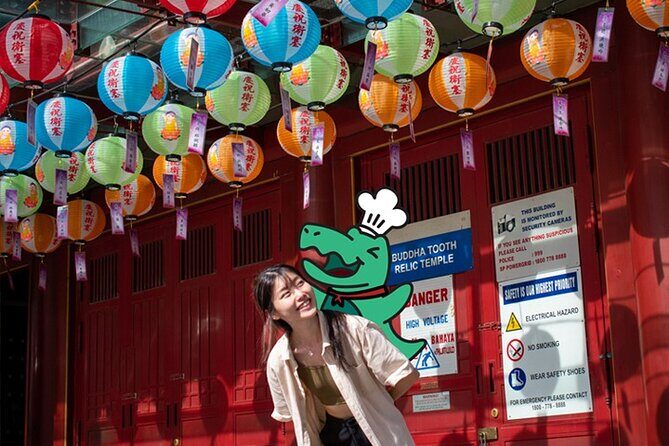
Chinatown can be easy to rush through. You see the big stuff, take photos, and move on. Feast of Fury slows your step down in a good way.
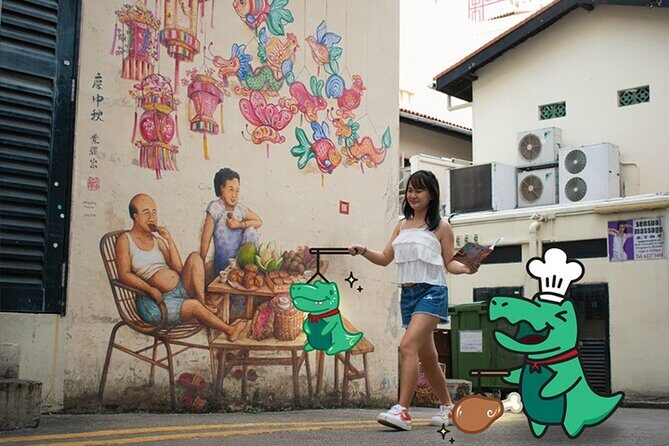
The clues take you past shophouses and along street features you might not even notice on a normal walk. In particular, I like that the hunt encourages you to look for visual storytelling—murals and small local artwork show up in the route logic, so you’re not just walking for exercise. You’re walking with a reason.
That’s also why it works for locals. If you live nearby, you still might not have consciously studied certain corners. When your brain is forced into “what does this mean?” mode, Chinatown becomes a place you interact with, not just pass through.
The route is outdoors and involves walking. Some teams in my head go into this expecting a light activity; it’s more like a steady stroll with moments of puzzle focus. If it’s hot, you’ll feel it. If it rains, you’ll want protection. I’d treat this like a day out in the neighborhood, not a museum visit.
Puzzles you can handle: difficulty, pacing, and team size
Feast of Fury is built for real people doing real problem-solving, not people training for competitions. The puzzle challenges tend to be creative and engaging without being so hard you get stuck forever.
That balance is why this works for different group types:
- Couples often like it because it turns sightseeing into a shared activity.
- Families can do it too, and kids who can read and think through riddles will have a good time.
- If you’re with mixed ages, assign tasks. Give younger participants the jobs they can own—like spotting an image or checking a list—so they feel included instead of sidelined.
One detail I found especially useful: teams sometimes find the experience easiest when they walk as a unit rather than splitting up too far. When you’re solving clues, you want quick back-and-forth, not separate groups searching with no coordination.
Also, the group cap is 20 travelers. That’s not tiny, but it keeps the vibe from turning into a stampede. You get to join the shared experience without losing the sense that this is a guided puzzle run.




Hawker food origins: learning without turning it into a lecture

One of the more interesting angles here is the food thread. The storyline isn’t only fantasy. The Feast of Fury hunt is tied to learning about Singapore’s hawker food origins and the food culture behind Chinatown.
So while you’re solving, you’re also picking up context: how food traditions formed, and why hawker culture became what it is today. This is where the Heritage Centre start pays off again. It helps you connect the game’s cultural clues to real-world explanations.
What I like about this setup is that it avoids the usual problem with “food history” tours: you don’t sit and listen for hours. You’re moving, thinking, looking, then you get small bits of meaning that click into place. The learning is wrapped into the tasks, so you’re far less likely to zone out.
And because you’re walking through Chinatown’s streets, the “food origins” idea feels grounded. You’re not learning in theory—you’re learning in the actual neighborhood where the story lives.
The finale and prize: finishing strong in the best part of the route
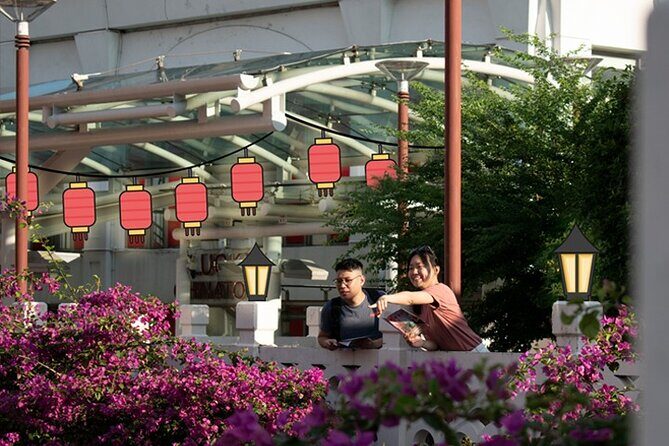
Every good hunt needs an ending that feels satisfying, and Feast of Fury follows through. The final stretch ends back at the start/meeting point, so you’re not left trying to figure out how to get home.
Pepper rewards teams that complete the quests with an exclusive prize. I like the way this kind of prize works in a puzzle format: it gives you a finish line and a reason to take the last tasks seriously. It also encourages the group to double-check their answers rather than rushing out early.
Even if you don’t score the fastest team, the win is finishing the story arc. The Nian Monster concept makes it memorable, and the prize gives the experience a concrete payoff.
One practical tip: plan to arrive a little early at the meeting point. With a puzzle hunt, timing is part of the game. If you’re late, you don’t just lose minutes—you can miss instructions that keep you from getting stuck.
Price and time: does $36.34 feel fair?
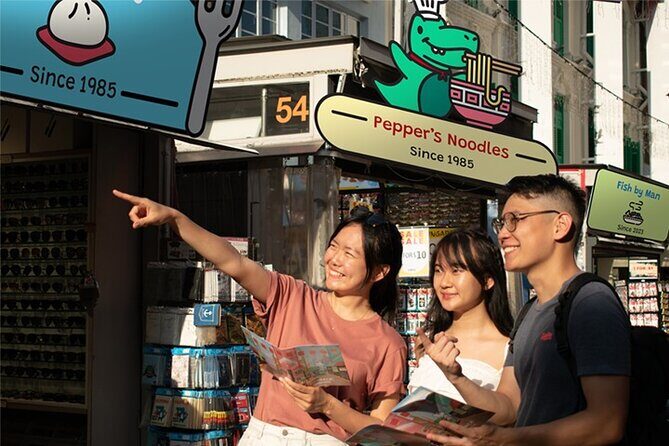
At $36.34 per person for an experience around 3 hours 30 minutes, the value depends on what you want from Singapore.
If you want food, museums, or a classic guided walking tour, you might feel like this is just a game. But if you like activities where you move through neighborhoods and solve things while learning context, the price starts to make sense fast.
Here’s the practical math I’d use:
- You’re paying for structured entertainment (puzzle hunt design).
- You’re also paying for local cultural framing via the Chinatown Heritage Centre start.
- You get a small-group feel (max 20).
- You receive a mobile ticket, which usually means fewer hassle steps on-site.
It’s also booked regularly, with an average booking window of about 14 days in advance, which tells me demand is real. If your trip dates are firm, I wouldn’t wait until the last moment.
And there’s another value factor: the experience pushes you to spend time in Chinatown beyond the usual “photo stop” loop. That can be worth more than it sounds. Time with intention beats time with boredom.
Who should book Feast of Fury, and who might skip it?

I’d book this if you like any of these:
- You enjoy escape-room style thinking, but you want it outdoors.
- You want to explore Chinatown on foot, with tasks that keep you paying attention.
- You’re traveling with a group that enjoys solving things together.
- You want an activity that teaches you something about Chinatown and hawker food origins without turning into a lecture.
I might skip it if:
- You’re looking for a low-walking, sit-and-stare attraction.
- You hate being outside when it’s warm or crowded.
- You prefer guided history explanations over puzzle-solving.
If you’re somewhere in the middle, it can still work. Just treat it like a neighborhood adventure: wear good shoes, stay hydrated, and go in ready to be a little playful.
FAQ
Where is the meeting point for Feast of Fury?
The start (and end) meeting point is 48 Pagoda St, Singapore 059207.
How long does the experience last?
The total duration is about 3 hours 30 minutes (approx.), with the puzzle hunt described as a 2-hour escapade.
What is included in the early part of the activity?
You begin with a visit to the Chinatown Heritage Centre before starting the puzzle hunt.
What is the story and goal of the puzzle hunt?
Pepper the dinosaur teams up with the townsfolk to stop the Nian Monster, which has been constantly stealing his meals. You’ll find clues connected to the Feast of Fury to complete the quests.
Do I get a mobile ticket?
Yes, the experience includes a mobile ticket.
How large are the groups?
This activity has a maximum of 20 travelers.
Is it suitable for both visitors and locals?
Yes, it’s designed to be suitable for both visitors and Singapore locals.
What happens if I cancel?
The experience is non-refundable and cannot be changed for any reason.
How should I dress for a puzzle hunt outdoors in Chinatown?
You’ll be doing a fair amount of walking, so wear comfortable clothes and shoes and consider bringing an umbrella.