REVIEW · SINGAPORE
Disappearing Trades
Book on Viator →Operated by Tribe Tours · Bookable on Viator
Some traditions change fast.
This half-day private tour focuses on trades that are slowly disappearing in Singapore, in three different neighborhoods plus a bread stop. You’ll go beyond the normal tourist route and learn what these crafts are really about, with samples along the way and a small air-conditioned ride between stops.
I really like the structure: snacks and fermentation in Chinatown, kopi at a roasting factory, then paper offerings and old-school bread making. It’s not just watching—your guide explains the purpose, the technique, and the little details that are hard to spot on your own.
One thing to consider: this experience runs in real morning weather. You’ll likely do some walking in busy areas, so wear comfortable shoes and plan for heat and humidity.
In This Review
- Key highlights worth your morning
- Why Disappearing Trades Feels Different Than a Standard Tour
- Price and What This Private Morning Really Includes
- Morning Logistics: Pagoda Street Start and a Simple Route
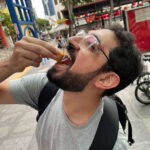
- Chinatown Stop: Sachima and Fermented Biscuits Before They Disappear
- Bedok Coffee Roasting Factory and the Tricks of Kopi O
- Ang Mo Kio Paper Houses: How Ancestor Offerings Work
- Paya Lebar Bread at the Old-Fashioned Way
- The Guide Factor: Why Private Attention Changes Everything
- What You’ll Walk Away With (Even If You Don’t Buy Anything)
- Who This Tour Suits Best
- Should You Book Disappearing Trades?
- FAQ
- How long is the Disappearing Trades tour?
- What time does the tour start?
- Where is the meeting point?
- Is this tour private?
- What neighborhoods or areas does the tour cover?
- What trades are included?
- Are there any tastings?
- Is admission included?
- Is the ticket delivered digitally?
- What if the weather is bad?
Key highlights worth your morning
- Three disappearing trades across four stops, so you see how culture changes from food to ritual
- Coffee sampling (kopi O / black coffee) at a roasting factory, not just a description
- Bread making and tasting, tied to the older methods Singapore is losing
- A paper house workshop-style visit explaining ancestor offerings through burning paper objects
- Private guide attention, with Q&A you can actually drive
Why Disappearing Trades Feels Different Than a Standard Tour
Most Singapore tours feel like a highlight reel: sights, photos, quick stops, then you’re off. This one is different because it follows practical skill—how something is made, how it’s sold, and why it keeps going (or doesn’t). The theme is right there: disappearing trades. That gives the morning a clear emotional thread without getting overly dramatic.
I also like how the tour balances food and everyday belief. You start with Chinatown snacks and fermented biscuits, move into the kopi world, then shift into paper offerings for ancestor respect, and end with bread made the old way. That mix is ideal if you want culture you can taste and understand, not just culture you can look at.
And there’s a real bonus for navigation. You’ll cover neighborhoods that many people pass through quickly, so when you’re back on your own afterward, you’ll have a mental map and a sense of what’s where.
You can also read our reviews of more tours and experiences in Singapore.

Price and What This Private Morning Really Includes
The price is $112 per person for about 4 hours. On paper, that can look steep compared to big group tours. But you’re paying for a private format and the guide time to connect dots between very specific crafts.
Here’s what helps justify the cost:
- It’s a private tour, so the pace is flexible for your questions.
- Several stops explicitly don’t charge admission, and one is included (the bread stop).
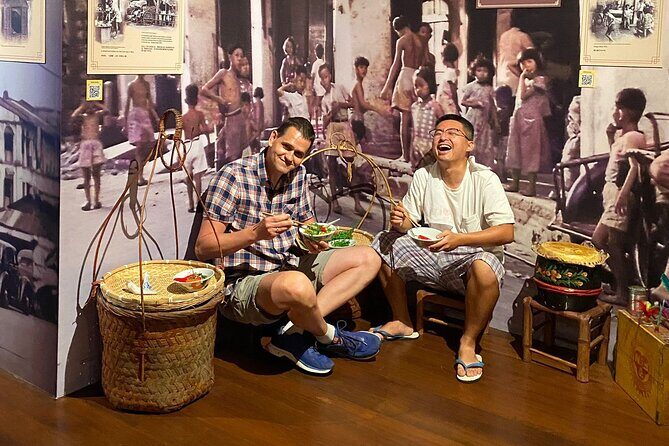
- You get tastings: kopi O (black coffee) plus fresh bread.
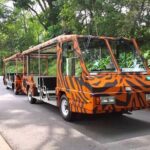
- Transportation is handled in a small air-conditioned vehicle, which matters in Singapore’s heat.
Also, the overall rating is strong (4.7 with 98% recommended). That doesn’t guarantee your experience will be perfect, but it’s a good sign that people feel they got value, not just a schedule check.
If you’re traveling as a couple or small group, private formats often stop feeling expensive fast because you’re not splitting guide time among a crowd. If you’re solo, it can still be worthwhile if you care about craft details and don’t want to feel rushed.
Morning Logistics: Pagoda Street Start and a Simple Route
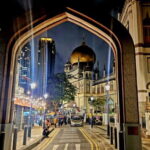
The tour begins at 69 Pagoda St, Singapore 059228 at 9:00 am, and it ends back near the same meeting point. You’ll spend the morning moving between parts of the city: Chinatown first, then Bedok, then Ang Mo Kio, and finally Paya Lebar Road Park.
Expect a mix of walking and van rides. One review highlighted a combo format, which matches what this kind of neighborhood-to-neighborhood route usually looks like. That also means you’ll want to dress for comfort: breathable clothes, sunscreen, and shoes that handle pavement and short transfers without grumbling.
You’ll also use a mobile ticket, so have your phone charged. Singapore runs on convenience, and this keeps the morning smooth.
Chinatown Stop: Sachima and Fermented Biscuits Before They Disappear
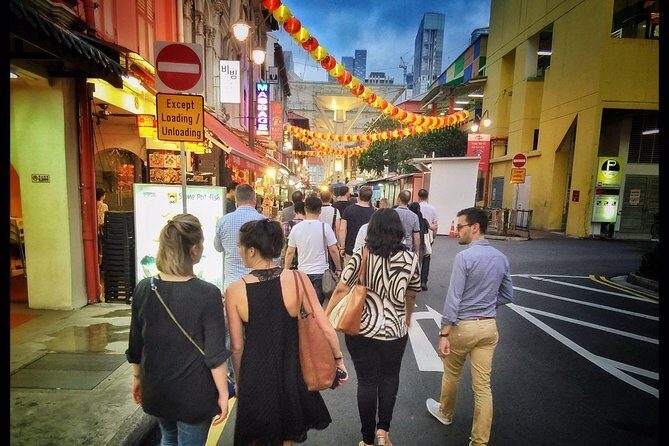
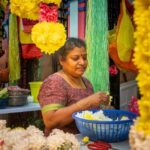
Chinatown is the perfect opener because it’s compact, sensory, and packed with small-scale food culture. Here you’ll spend around 45 minutes learning about two trades: Sachima and fermented biscuits.
Sachima is described as a granola-bar type of handmade Asian snack. The interesting part isn’t just that it’s tasty—it’s that you can see how texture and consistency matter, and how a craft becomes a repeatable product. This is the kind of skill that’s easy to take for granted when you just buy a wrapped snack.
Then there are fermented biscuits, which open a door into a different mindset: time. Fermentation isn’t instant gratification; it’s controlled patience. When a trade disappears, it’s often because people stop wanting the long wait—so understanding fermentation helps you understand the trade’s fragility.
What I like about this start is the way it gives you a vocabulary for later stops. Once you’ve heard how people think about craft, texture, and time, the kopi roasting techniques and bread methods feel like part of the same story.
Possible drawback: Chinatown can be lively and crowded. Even if the tour pace is managed, you may want to keep your camera accessible but not constantly out. Focus on the explanations first, then snap photos when your guide says it’s worth it.
Bedok Coffee Roasting Factory and the Tricks of Kopi O
Next comes Bedok, where you’ll spend about 30 minutes at a coffee roasting factory. This stop is built around Singapore’s kopi culture—especially kopi O, which is black coffee.
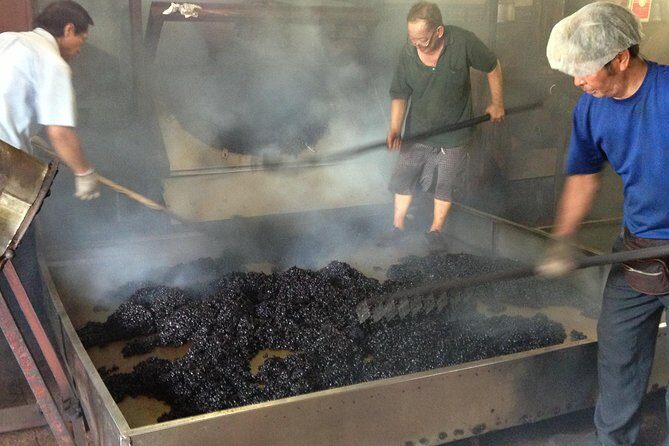
The guide explains roasting techniques and the “tricks of the trade,” plus the broader kopi industry. Even without tasting, that topic is already hands-on because roasting is a moving target. Bean origin, heat control, timing, and grind all change the result. Roasting factories are where craft meets consistency—exactly the sort of place that can disappear when production consolidates.
You’ll also get a sampling of kopi O. I like coffee tastings done this way, because you can connect what you just heard about with what you’re tasting right now. If the coffee is stronger or smoother than you expected, you’ll have a reason to ask questions.
Practical tip: if you’re caffeine-sensitive, drink slowly. You’ll be going to more places right after, and you don’t want to rush your own comfort.
Ang Mo Kio Paper Houses: How Ancestor Offerings Work
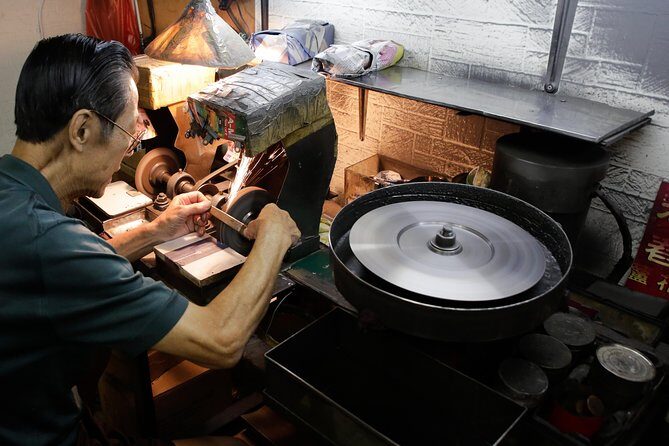
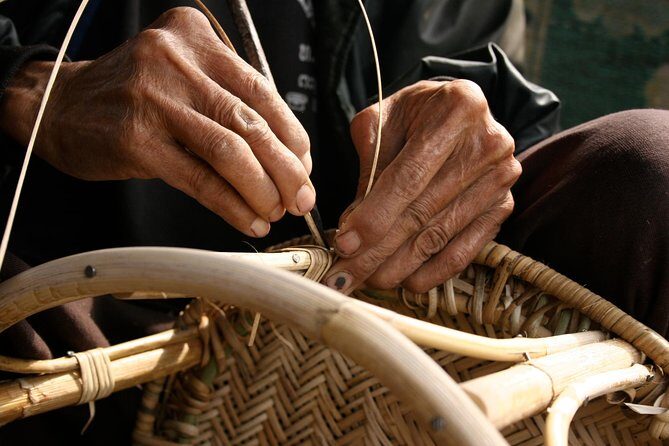
This is the stop that many people label as the standout, and it makes sense. You’ll spend about 45 minutes in Ang Mo Kio at a paper house where a master of these workshops explains how Chinese pray and pay respect to ancestors by burning paper objects as offerings to the afterlife.
That sounds abstract until you’re sitting with someone who makes the objects and talks you through the meaning. Here’s what you can expect: the craft is visual, but the motivation is spiritual. You’re learning how belief is translated into physical items—then used through burning rituals.
One review singled out the paper house experience as the best part, and I agree with the logic. Food trades are easy to understand because you eat them. Paper offerings take a bit more mental adjustment, but once your guide frames it, you’ll realize it’s also about care, respect, and keeping a tradition legible.
If you’re curious about how religion and daily life overlap in Singapore, this is the moment. It’s also the stop most likely to trigger follow-up questions, like what gets made, how these practices evolve, and why families keep them going.
Possible consideration: this stop is tied to ritual objects and may feel intense for some people. If you’re uncomfortable with religious practices or burning objects, decide in advance whether this is your style.
Paya Lebar Bread at the Old-Fashioned Way
You’ll finish with bread making at Paya Lebar Road Park, with about 45 minutes here. Admission for this part is included, and you’ll learn how bread was made the old fashioned way—plus you’ll sample freshly made bread.
This is where the tour balances out the morning’s heavier topics. Snacks and fermentation taught you time. Coffee roasting taught you technique. Paper offerings taught you meaning. Bread brings it all back to daily life.
What I like about ending with bread is that it feels practical and memorable. You can leave with something tangible: you tasted it, so your understanding has weight. If you’ve ever wondered why artisan bread feels different—this kind of stop gives you a direction to think about ingredients, process, and consistency.
Practical tip: plan to eat slowly. The bread tasting plus coffee can be enough food for the morning, depending on how early you breakfasted.
The Guide Factor: Why Private Attention Changes Everything
This is a private tour, meaning it’s just your group. That matters because these crafts don’t lend themselves to a one-size script. You’ll want to ask the follow-up questions that pop up naturally once you start connecting technique to meaning.
One review mentioned that the guide, Stefan, was incredibly knowledgeable and could answer questions thrown at him. Even if you don’t meet Stefan, the point is the same: this tour is designed for real conversation, not a fast walk-through.
So here’s how to get the most out of it:
- Ask what makes the trade hard to keep alive today.
- Ask how they learned the skills (apprenticeship, family knowledge, practice).
- Ask what customers expect, because market demand often shapes what survives.
If you do that, the tour stops feeling like entertainment and turns into actual understanding.
What You’ll Walk Away With (Even If You Don’t Buy Anything)
The trades are disappearing, but the learning isn’t. The most useful takeaway isn’t the exact recipe for Sachima or the exact roasting method. It’s how you recognize the ingredients of a craft:
- Time (fermentation, bread process, slow skill)
- Technique (roasting control, repeatability)
- Meaning (ritual items tied to family respect and belief)
You’ll also likely remember the geography. Starting in Chinatown, then moving through Bedok, Ang Mo Kio, and ending at Paya Lebar Road Park means you’ll have seen Singapore at street level across different communities.
If you like returning to a city and feeling oriented faster, this structure helps.
Who This Tour Suits Best
I think this experience fits best if you:
- Want authentic culture through hands-on food and craft rather than big landmarks
- Enjoy short explanations that lead to tastings and real questions
- Prefer a private pace over waiting for a group
- Are curious about how tradition adapts in modern Singapore
It may be less ideal if you’re only in Singapore for a tight sightseeing checklist and want purely visual attractions. This tour is about learning and tasting, not about sweeping views and monuments.
Should You Book Disappearing Trades?
If you want something more meaningful than a photo stop, I’d book it. The value is strongest when you care about craft details, you like conversation with a guide, and you don’t mind that the focus is “small things made well” rather than “big things seen quickly.”
Here’s my quick decision checklist:
- Book if you’ll enjoy kopi, bread, and craft explanations.
- Book if you want private attention so your questions get answered.
- Skip only if religious ritual objects or burning-related practices would really bother you, or if you hate walking in humid areas.
Overall, it’s a smart choice for a first or second Singapore trip when you want depth without losing the morning.
FAQ
How long is the Disappearing Trades tour?
It runs for about 4 hours.
What time does the tour start?
The start time is 9:00 am.
Where is the meeting point?
The meeting point is 69 Pagoda St, Singapore 059228.
Is this tour private?
Yes. It’s a private tour/activity, and only your group will participate.
What neighborhoods or areas does the tour cover?
You visit Chinatown, Bedok, Ang Mo Kio, and Paya Lebar Road Park.
What trades are included?
You’ll see Sachima and fermented biscuits in Chinatown, learn about kopi roasting in Bedok, visit a paper house in Ang Mo Kio, and learn bread making at Paya Lebar Road Park.
Are there any tastings?
Yes. You’ll sample kopi O (black coffee) and freshly made bread.
Is admission included?
Stops in Chinatown and at the roasting and paper house locations list free admission. The bread stop has admission included.
Is the ticket delivered digitally?
Yes. You receive a mobile ticket.
What if the weather is bad?
The tour requires good weather. If it’s canceled due to poor weather, you’ll be offered a different date or a full refund.