REVIEW · SINGAPORE
Batik Painting – Cultural Art Experience
Book on Viator →Operated by KAMAL ARTS (Singapore) · Bookable on Viator
Wax, color, and calm in two hours. This batik class in Geylang Serai is hands-on from start to finish, with guidance from the artist team at Kamal Arts, and you take home your take-home batik souvenir made with hot wax and fabric. One thing to consider: the class is beginner-friendly, but instruction pacing can vary, so if you want ultra-detailed step-by-step explanations in English, you’ll want to ask questions early.
I also love that this isn’t a craft counter. The workshop runs from Wisma Geylang Serai, a cultural hub for the Malay community, so you get a real sense of place beyond the lesson itself. If you want a break from routine sightseeing heat, the studio time feels like a pause you can actually create something during.
The experience is short and schedule-flexible: about 2 hours, daily sessions, and a group limit of 20, with a mobile ticket you can show on arrival.
In This Review
- Key things to look forward to
- Wax, Color, and a Local Lesson in Geylang Serai
- How the Batik Process Works in Your 2-Hour Class
- Wisma Geylang Serai: Finding the Studio and Getting Local Context
- The Added Stops: Geylang Serai New Market and Paya Lebar Square
- Kamal Arts Teaching Style: Clear Steps, Patient Guidance, and Room to Ask Questions
- Scheduling, Group Size, and Mobile Ticket Convenience
- Is $96.89 Good Value for Batik in Singapore?
- Who This Workshop Is Best For (and the One Thing to Watch)
- Should You Book Batik Painting with Kamal Arts?
- FAQ
- How long is the batik painting class?
- What does the batik workshop cost?
- Who is the provider of the batik painting experience?
- Where do I meet for the experience?
- What will I make during the session?
- Are there sessions available every day?
- How many people are in the group?
- Do I get a mobile ticket?
- Is there free cancellation?
Key things to look forward to
- Hot wax batik basics taught with traditional tools, not shortcuts
- Kamal Arts instruction with patient encouragement for first-timers
- A finished souvenir you’ll leave holding, not just watching
- Daily sessions with at least two time options per day
- A local neighborhood venue in Wisma Geylang Serai, off the main tourist loop
Wax, Color, and a Local Lesson in Geylang Serai
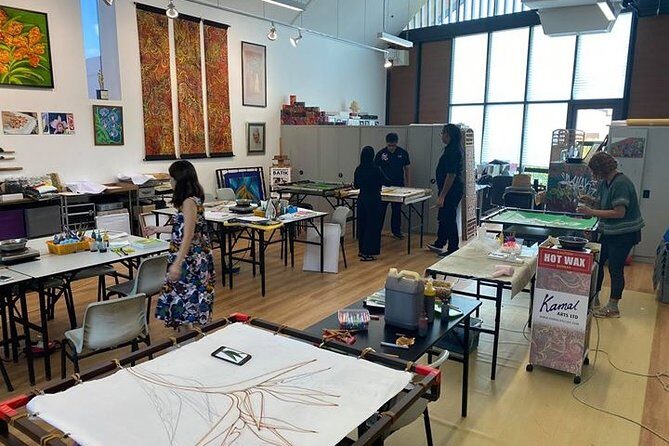
Batik is one of those crafts where the process matters almost as much as the result. In this workshop, you don’t just decorate fabric—you learn how hot wax acts like a resist, shaping where dye goes and where it won’t. That means your artwork turns out with that classic batik look, even if you’ve never touched a wax tool before.
I like the way the class stays practical. You’re guided step-by-step through the core workflow: choose a pattern, apply wax using the traditional tool, then add color. The best part is that it’s paced for normal people on vacation, not art-school training.
And because the lesson is set in Geylang Serai, the vibe helps the learning. You’re in a community space tied to the Malay population, not a sealed-off studio that feels like it could be anywhere. When you finish your piece, you’re still in the neighborhood where you can look around and make your trip feel more like “being there” than “checking off” a stop.
You can also read our reviews of more tours and experiences in Singapore.



How the Batik Process Works in Your 2-Hour Class
Expect a fast, focused session that teaches the fundamentals and gets you to a complete-looking final piece. The craft starts with applying hot wax onto fabric using a traditional tool. The wax blocks dye from reaching the areas you’ve covered, so every line and shape you make becomes part of the final pattern.
Then comes the color phase. You’ll learn how to paint and blend in a way that works with batik’s logic—adding color over the waxed areas while you plan for how layers will read. The class is built around simple instruction you can follow without heavy prior skill.
Two useful truths I picked up from the way people talk about the class:
- Patience matters here. The instructor doesn’t just gesture; they guide you through what to do next while you’re actively working.
- You learn by doing, not by listening for hours. The time is short, so the lesson is designed to move you forward each step.
One caution: batik has a “do it right the first time” feel, because wax and fabric don’t behave like paper. If you want lots of troubleshooting options, don’t assume you’ll be offered correction tricks mid-lesson. In one case, the feedback process clarified that scraping wax for corrections can risk fabric damage, so instruction may focus more on getting the basics right than experimenting with correction methods.
If your goal is a relaxing, creative souvenir with a real technique behind it, this class fits that. If your goal is maximum precision for a very complex design, you might wish the class time were longer.
Wisma Geylang Serai: Finding the Studio and Getting Local Context
Your meeting point is at Wisma Geylang Serai, 1 Engku Aman Turn, Singapore 408528. The workshop space is inside that community building, which makes this one of those experiences where arriving a little early pays off. In the feedback, people specifically advised showing up about 30 minutes before so you can locate the classroom inside without stress.
I like the setting because it changes the feel of the day. Instead of traveling specifically for a tourist-style workshop, you’re taking part in local life inside a cultural hub. That matters if you care about the “why” behind the artform, not just the finished product.
Also, keep your expectations realistic about the room. One feedback note mentioned the venue being a bit noisy. It didn’t ruin the experience for most people, but it’s worth knowing if you’re sensitive to sound or prefer quiet workshops.
When you’re done, you’re not done with the neighborhood. The location makes it easy to tack on a short walk around the surrounding area to see how everyday Singapore looks when you’re not just inside a museum corridor.
The Added Stops: Geylang Serai New Market and Paya Lebar Square
This experience includes stops around the Geylang Serai area and ends after moving through to Paya Lebar Square Retail. The stops help frame the day as more than just “sit down, paint, leave.”
Geylang Serai New Market is a good starting point because it gives you a local rhythm right away. Markets like this are where you see how a neighborhood supplies itself—colors, movement, people doing normal life. You don’t need a long shopping spree to benefit from that; even just taking in the atmosphere makes the later studio lesson feel grounded.
Then you return to Wisma Geylang Serai as the actual workshop base. That sequence works well: you get a taste of the neighborhood, then you switch into hands-on creativity.
The final stop at Paya Lebar Square Retail is practical for your route out. It also means your day is less likely to feel like you’re stuck in one location until late. If you plan to continue exploring Singapore right after the class, having that end point near a retail area can be convenient.
No matter what you do with the stops, the key value is that you experience the neighborhood logic before and after the batik work.
Kamal Arts Teaching Style: Clear Steps, Patient Guidance, and Room to Ask Questions
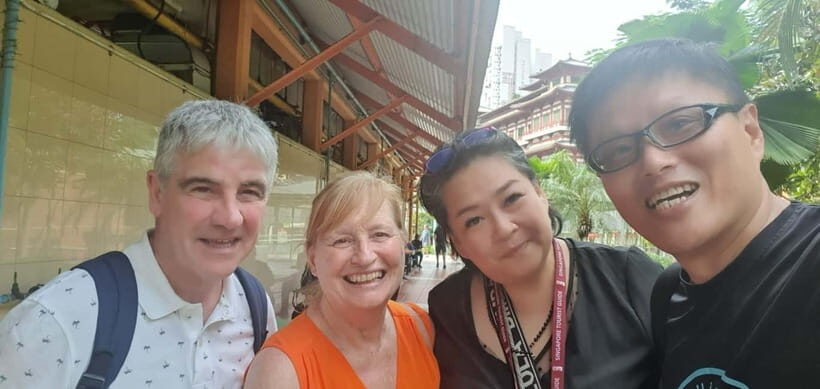
Your teacher is part of KAMAL ARTS (Singapore), and people consistently describe the instruction as encouraging and hands-on. In the feedback, Kamal was repeatedly singled out for being patient, clear, and supportive—especially for first-timers. That matters because batik is a technique you can’t learn purely by watching.
What I’d watch for in your own mindset: come in ready to ask questions. The format is welcoming, and you can use the time not only to learn the wax and color process, but also to ask about the art culture around Singapore. People noted the instructor shared information and guidance beyond just the steps, including a bit of context about batik itself.
One mixed note did appear in feedback: a person who didn’t feel enough of the process was explained during the early steps. The takeaway for you is simple: if anything feels unclear (pattern choice, wax tool use, or what’s supposed to happen next), ask right away rather than waiting. With a short, 2-hour class, small misunderstandings can become harder to fix later.
If you’re someone who enjoys learning through doing, you’ll probably love this teaching approach. If you’re someone who needs very detailed verbal instruction for every micro-step, bring more patience—or arrive ready to ask lots of questions early.




Scheduling, Group Size, and Mobile Ticket Convenience
This workshop runs daily with at least two sessions available every day, and the class lasts about 2 hours. That gives you flexibility. If you’re on a tight itinerary—sightseeing in the morning, museum or hawker center in the evening—you can fit batik into the day without blowing half of it.
Group size is limited to 20 travelers, which is the kind of ceiling that generally keeps the teacher from feeling swamped. In practical terms, it means you’re more likely to get help when you need it, especially with something hands-on like wax work.
You’ll also use a mobile ticket, and the venue is near public transportation. That combination is underrated value in Singapore, where not having to coordinate paper tickets or long travel detours can keep the day smooth.
If you’re booking this as one of the only “activity” parts of your trip, the scheduling flexibility is what makes it low-stress. If you’re trying to pack multiple things in one day, the 2-hour timing makes it a good anchor.
Is $96.89 Good Value for Batik in Singapore?
At $96.89 per person for about 2 hours, you’re paying for three things: instruction, materials, and a finished piece you can actually take home. This isn’t just paying for a craft session—you’re paying for access to a technique that depends on the wax tool process and dye behavior.
In the feedback, people described leaving with finished works and, in some cases, receiving extra finishing support so the final results looked complete. That suggests your payment covers not only learning, but also the workshop’s goal: you leave with batik that looks like batik.
Compared to a DIY store project, you’re also buying time and expertise. Someone else handles the logistics of setting up a wax-based art station and teaching how the steps connect. For vacation time, that’s real value.
The workshop also adds cultural payoff. People noted the setting in a local cultural hub and the chance to ask about batik and art culture in Singapore. That’s harder to measure in dollars, but it’s part of why batik works as a meaningful souvenir rather than a generic shopping bag.
If you’re the type who likes hands-on activities and you enjoy watching how things are made, this price tends to make sense. If you only want a quick visual souvenir and don’t care about technique, there may be cheaper options—but you’d be giving up the learning and the finished work quality.
Who This Workshop Is Best For (and the One Thing to Watch)
This is a great fit if you:
- want a hands-on cultural activity that isn’t a long tour bus ride
- enjoy slow, focused work where you can see progress quickly
- like learning craft techniques and leaving with something you made
- want a Singapore neighborhood experience beyond the usual main stops
It’s also a good choice for couples or family groups because it’s only about 2 hours. The class format supports first-timers, and people specifically praised how the instructor helped them through the process.
The main consideration is instructional clarity and language pacing. One piece of feedback said the early steps weren’t explained as clearly as they expected, which affected what the participant thought they could do to improve their work. So if you’re sensitive to missing explanations, plan to ask questions early and be ready to follow along closely during the first steps (pattern choice and wax application).
Should You Book Batik Painting with Kamal Arts?
I’d book this if you want a genuine craft experience with a real outcome. The biggest reasons: hot wax batik instruction, a teacher who’s repeatedly described as patient and encouraging, and a souvenir you can actually take home. The location in Wisma Geylang Serai also makes the day feel like part of Singapore life, not a staged tourist moment.
Skip it only if you’re mainly chasing a long history lecture or you know you’ll feel frustrated if the explanation pace isn’t super slow and detailed. For everyone else, it’s a relaxing, creative way to spend a chunk of your day—especially when the rest of your trip is sightseeing and eating your way across town.
If you book, give yourself a little extra time to find the classroom inside the building, and come ready to ask questions. That simple move makes the whole experience click faster.
FAQ
How long is the batik painting class?
The class lasts about 2 hours (approx.).
What does the batik workshop cost?
The price is $96.89 per person.
Who is the provider of the batik painting experience?
The experience is provided by KAMAL ARTS (Singapore).
Where do I meet for the experience?
You start at Wisma Geylang Serai, 1 Engku Aman Turn, Singapore 408528.
What will I make during the session?
You’ll practice batik painting using hot wax and fabric and finish with your own unique artwork as a souvenir.
Are there sessions available every day?
Yes. Sessions are available daily, and there are at least two sessions every day.
How many people are in the group?
This activity has a maximum of 20 travelers.
Do I get a mobile ticket?
Yes, the experience includes a mobile ticket.
Is there free cancellation?
Yes. You can cancel up to 24 hours in advance for a full refund.